Blog

  • How an invasive species is reshaping an entire island’s ecosystem

    How an invasive species is reshaping an entire island’s ecosystem

    Invasive species reshaping an entire island’s ecosystem is one of the most powerful examples of how a single outside organism can change nature. When a non native plant or animal is introduced to an island, it often spreads fast because there are no natural enemies to stop it. This can quickly disrupt food chains, damage native habitats, and push local species toward decline.

    In this article, you will learn how invasive species take over island environments, why islands are especially vulnerable, and how these changes affect plants, animals, and even the land itself. You will also see real examples of how ecosystems shift when balance is lost. The goal is to help you clearly understand how one species can reshape an entire natural system in surprising ways.

    Why are islands so vulnerable to invasive species?

    Photo by Marek Okon on Unsplash

    Islands are like natural “closed worlds” where species evolve in isolation for thousands of years. Because of this isolation, many native animals and plants do not develop strong defenses against new predators or competitors. When an invasive species arrives, it can spread quickly without much resistance from the local ecosystem.

    Another reason islands are vulnerable is their limited space and resources. Unlike continents, islands cannot easily absorb sudden changes in population balance. Studies show that island ecosystems often experience stronger impacts from invasive species because even small disruptions can affect the entire food web and environment.

    How invasive animals change food chains
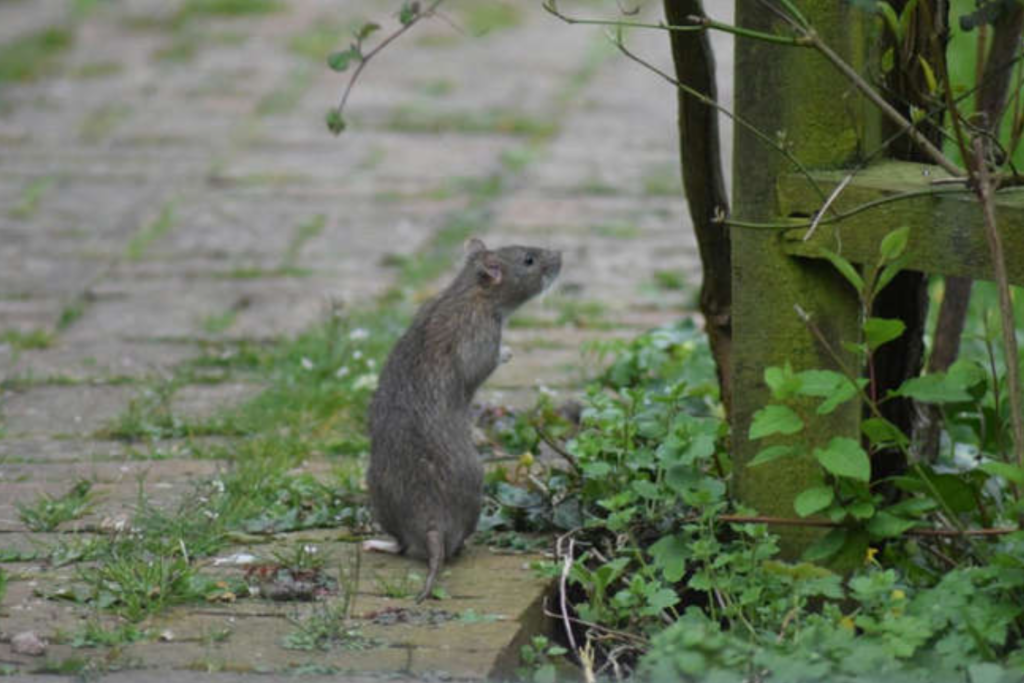
    Photo by Michelle Gordon on Unsplash

    When invasive animals enter an island, they often become new predators or competitors that native species are not prepared for. For example, rats introduced to islands have been known to eat bird eggs, insects, and seeds, reducing the survival rate of native wildlife. This changes how energy moves through the food chain and can weaken entire populations over time.

    As native species decline, other parts of the ecosystem also shift. Birds that once controlled insect populations may disappear, allowing insects to grow in number. This chain reaction can affect plants, soil quality, and even water systems. On many islands, invasive predators have caused long-term declines in seabird colonies, which are key to maintaining ecological balance.

    The impact on native plants and forests
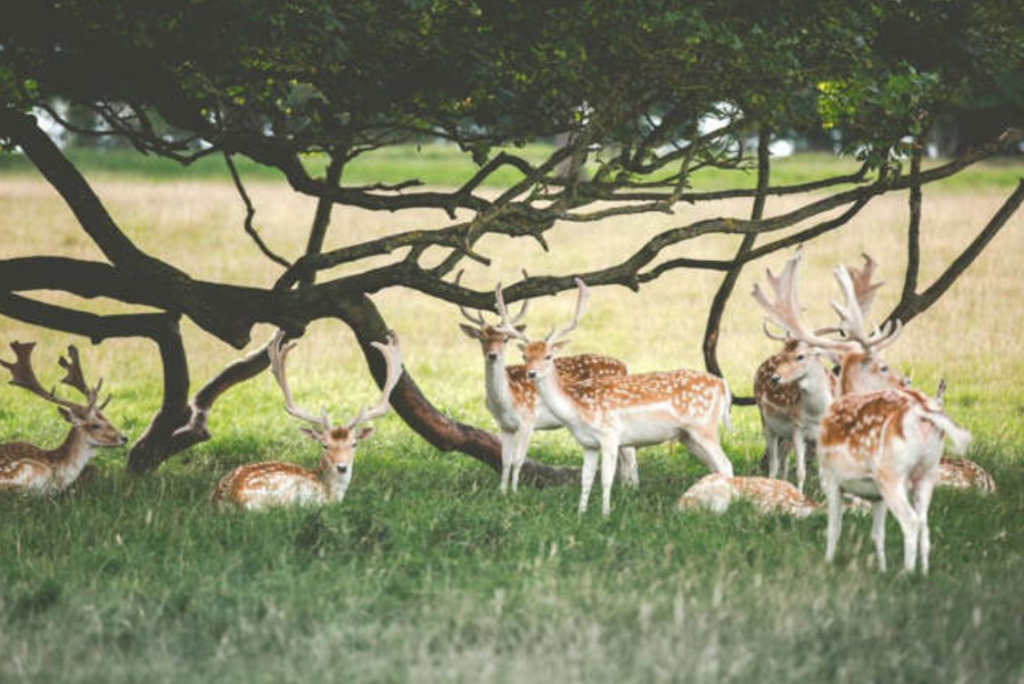
    Photo by Thomas Kelley on Unsplash

    Invasive herbivores like goats and deer can dramatically change island vegetation. These animals eat native plants faster than they can grow back, stripping hillsides and forests bare. Over time, this leads to soil erosion, loss of plant diversity, and changes in how water moves through the land.

    Once native plants are reduced, invasive plants often move in and take over. These plants usually grow fast and spread easily, but they do not support the same wildlife as native species. This means birds, insects, and other animals that depended on the original plants may struggle to survive, creating a weaker and less diverse ecosystem.

    How ecosystems physically transform over time

    Photo by Jonathan Mast on Unsplash

    As invasive species spread, they not only change living things but also change the land itself. For example, when grazing animals remove vegetation, hillsides become exposed to wind and rain. This can lead to soil loss and even changes in river flow patterns. Over time, the island’s landscape can look completely different from its natural state.

    In some cases, islands that once had dense forests or rich plant life become dry, open, or heavily simplified environments. Scientists have observed that long-term invasive pressure can transform entire habitats into new ecological systems that no longer support the original native species. This shows how deeply biological invasions can reshape physical environments.

    Why do invasive species spread so quickly on islands?

    Photo by Mert Guller on Unsplash

    Invasive species often spread quickly on islands because they face fewer predators and competitors. Without natural controls, their populations can grow much faster than native species. This gives them a strong advantage in survival and reproduction.

    Human activity also plays a major role in spreading invasive species. Ships, cargo, tourism, and agriculture can accidentally introduce new organisms to islands. Once established, these species are very difficult to remove, especially in remote or large island systems. This makes early detection and prevention extremely important for protecting ecosystems.

    What happens when balance is lost and recovery efforts

    Photo by Jules Bassoleil on Unsplash

    When invasive species dominate, the natural balance of an island ecosystem can collapse. Native species may decline or disappear, food webs become unstable, and habitats lose their diversity. In some extreme cases, the ecosystem becomes dependent on the invasive species, even though it is harmful overall.

    However, recovery is possible if invasive species are removed. On some islands, conservation programs have successfully eliminated rats or goats, allowing native plants and birds to return. This shows that ecosystems can heal, but only when long-term protection and careful management are in place.

  • 6 U.S. states leading the nation in wild turkey population

    6 U.S. states leading the nation in wild turkey population

    The wild turkey population in the US states has become one of the biggest wildlife success stories in America. These large birds were once close to disappearing in many regions, but strong conservation work helped them recover across the country. Today, wild turkeys are found in forests, farmlands, mountains, and even suburban areas in many states.

    Some states now hold huge numbers of wild turkeys because of good habitat and smart wildlife management. Food sources, nesting cover, and safe land areas all play a big role in where turkeys grow the most. In this article, we will look at the 6 U.S. states that lead the nation in wild turkey populations and understand why these places are so important for the species.

    Texas leads the nation in wild turkeys

    Photo by Loik Marras on Unsplash

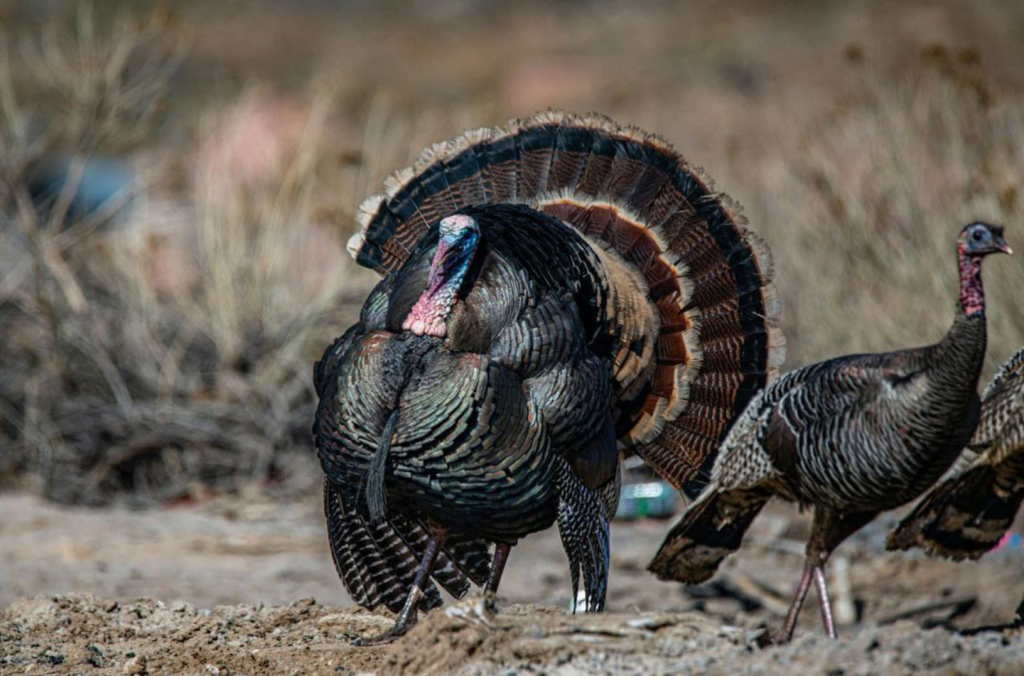
    Texas has the highest wild turkey population in the United States. The state is believed to have hundreds of thousands of birds, often estimated at around half a million or more. Most of these are Rio Grande wild turkeys, which do very well in dry brush areas and river valleys across the state.

    The large size of Texas gives turkeys plenty of room to spread out and live safely. Ranchlands, open fields, and wooded river zones create the perfect mix of food and shelter. Wildlife programs also help manage the population carefully, which keeps numbers strong and stable year after year.

    Missouri remains a major turkey stronghold

    Photo by AJ Wallace on Unsplash

    Missouri is one of the top wild turkey states in the country, with a strong population often estimated in the hundreds of thousands. The state is especially known for its Eastern wild turkeys, which live in forests, hills, and farmland edges. Missouri is often seen as one of the best turkey hunting and viewing states in America.

    This strong population is the result of one of the most successful wildlife recovery efforts in U.S. history. Turkeys were once nearly gone from Missouri, but careful reintroduction and habitat protection brought them back. Today, they can be found across nearly every county in the state.

    Wisconsin supports strong northern turkey habitat

    Photo by Dave Hoefler on Unsplash

    Wisconsin has a large and healthy wild turkey population, often estimated at over 300,000 birds. These turkeys are mostly Eastern wild turkeys that live in forests, farmland, and wetland edges. They are now a common sight across both rural and suburban parts of the state.

    Wisconsin’s turkey comeback is another major wildlife success story. After disappearing in the early 1900s, turkeys were brought back through reintroduction programs. Over time, they adapted well to the state’s mix of farmland and forest, allowing the population to grow steadily.

    Alabama stays a strong southern turkey state

    Photo by Josh Pigford on Unsplash

    Alabama is one of the strongest wild turkey states in the southeastern United States, with an estimated population of around 300,000 birds. These Eastern wild turkeys thrive in the state’s warm climate and thick forests. Alabama’s long growing season also helps support healthy breeding cycles.

    The state offers a wide mix of pine forests, hardwood areas, and open fields that turkeys use for feeding and nesting. Wildlife management programs help keep the population balanced through regulated hunting seasons and habitat care. This ensures turkeys remain common across most regions of the state.

    Kentucky provides a balanced turkey habitat

    Photo by Jeff Arnold on Unsplash

    Kentucky has a strong wild turkey population that is often estimated between 250,000 and 300,000 birds. The state’s rolling hills and hardwood forests create perfect nesting and feeding conditions. Eastern wild turkeys are the main subspecies found here.

    Kentucky also benefits from a natural mix of food sources like acorns, seeds, and insects. These resources help turkeys grow strong and raise their young successfully. Conservation efforts have helped expand their range across both rural and suburban areas.

    North Carolina shows strong turkey recovery

    Photo by Jake Johnson on Unsplash

    North Carolina is another top state for wild turkeys, with an estimated population of around 270,000 birds. The state has a mix of mountains, forests, and coastal plains, which gives turkeys many different habitats to live in. Eastern wild turkeys are the most common type found here.

    Years ago, turkey numbers dropped due to habitat loss and overhunting, but recovery programs helped bring them back. Today, turkeys are widely spread across the state. Forests and farmland together provide food, shelter, and safe nesting areas that support steady population growth.

    California supports a wide but spread population

    Photo by mana5280 on Unsplash

    California has a wild turkey population estimated at around 250,000 birds. Unlike some eastern states, turkeys in California are spread out across many regions, including valleys, foothills, and even suburban zones. The state has multiple turkey subspecies, including Rio Grande and Merriam’s turkeys.

    These birds were introduced to some parts of California but have since expanded naturally across the landscape. The state’s varied geography helps it survive in both dry and forested environments. Their adaptability is one of the main reasons the population continues to grow.

  • California moves toward grizzly bear reintroduction despite apex predator concerns

    California moves toward grizzly bear reintroduction despite apex predator concerns

    California grizzly bear reintroduction is becoming one of the most debated wildlife ideas in the state right now. The California grizzly bear, once a powerful symbol of the state and still featured on its flag, disappeared more than a century ago due to hunting and habitat loss. Today, lawmakers are exploring whether the species could one day return to California’s wild lands through a careful, science-based process. This has sparked strong discussion about safety, wildlife balance, and how people might live alongside a top predator again.

    At the center of the debate is whether California’s modern landscape can safely support a large apex predator like the grizzly bear. Supporters believe it could restore natural ecosystems and reconnect the state with its history, while critics worry about risks to people and livestock. This article explains what the proposal involves, why it is being discussed, and the main concerns shaping the decision in clear and simple language.

    What the California grizzly bear plan is about

    Photo by Dylan Gillis on Unsplash

    California lawmakers are reviewing a proposal known as Senate Bill 1305, which focuses on studying the possibility of grizzly bear reintroduction rather than immediately releasing any animals. The bill would require state wildlife officials to develop a long-term plan that looks at habitat needs, safety risks, and ecological impacts. The goal is to create a full scientific roadmap before any real action is taken, with early planning expected to take several years.

    The grizzly bear has been absent from California since the early 1920s after being hunted to extinction within the state during periods of rapid expansion and development. Despite this, the bear remains a strong symbol of California and is still displayed on the state flag. Under the proposal, experts would examine where bears could potentially live, how many could survive, and what protections would be needed for both humans and wildlife before any reintroduction could ever be considered.

    Why supporters want grizzly bears back

    Photo by Becca on Unsplash

    Supporters of grizzly bear reintroduction say the species could help restore natural balance in California’s ecosystems. As apex predators, grizzlies help regulate animal populations and support healthier environments by influencing how other species behave. Many scientists believe that bringing back a top predator can improve biodiversity and strengthen long-term ecosystem stability in large wilderness areas.

    There is also a strong cultural and historical reason behind the support. The grizzly bear is deeply tied to California’s identity and holds spiritual meaning for many Native American tribes. Supporters argue that restoring the species could reconnect the state to its natural heritage and repair part of the ecological damage caused by its removal. Some also believe that large, remote regions of the state still have enough space to support a carefully managed population.

    Why critics are worried about apex predator risks

    Photo by anvesh baru on Unsplash

    Opponents of the idea are mainly concerned about safety and modern land use. Grizzly bears are powerful animals that can weigh up to 1,000 pounds, and critics argue that even rare encounters with humans could be dangerous. Since California now has dense cities, expanding suburbs, and busy highways, they question whether it is realistic to keep bears and people safely separated.

    Another major concern is the impact on farming and rural communities. Ranchers worry that grizzlies could attack livestock, leading to financial losses and increased conflict between wildlife and agriculture. Critics also point out that managing apex predators requires strong funding, monitoring systems, and emergency response plans. Without these resources, they argue, it could be difficult to ensure both public safety and animal protection.

    How scientists and wildlife experts would manage risks

    Photo by Yash Sachapara on Unsplash

    Wildlife experts say that if grizzly bears were ever reintroduced, it would not happen suddenly or without control. Instead, it would involve years of planning, tracking systems, and strict management rules. Scientists would likely use GPS collars, habitat monitoring, and conflict response teams to study bear movement and reduce human encounters. The goal would be to keep bears in remote regions while minimizing risks to communities.

    Experts also emphasize that modern wildlife management tools are much more advanced than in the past. Education programs, warning systems, and rapid response teams could help reduce dangerous interactions. However, even with technology, they acknowledge that living with apex predators requires constant effort, funding, and public cooperation to work safely over time.

    What happens next in California’s decision

    Photo by Benjamin Child on Unsplash

    The current proposal does not allow grizzly bears to be released into the wild. Instead, it creates a research and planning phase where wildlife experts would study whether reintroduction is possible. This includes evaluating habitat, estimating population size, reviewing safety concerns, and gathering input from local communities and Native American tribes.

    Even if studies show that reintroduction could work, it would still take many years before any actual release could happen. Officials would need to identify safe regions, build management systems, and secure public support. For now, the idea remains in the study phase, and any final decision will depend on scientific findings and political agreement in the future.

  • Dolphin intelligence facts that reveal how smart they truly are

    Dolphin intelligence facts that reveal how smart they truly are

    Dolphin intelligence facts show that dolphins are not just playful ocean animals, but highly smart creatures with complex minds. If you have ever wondered how dolphins learn tricks, communicate, or even recognize themselves, you are about to find out why scientists study them so closely. Their brains, behavior, and social lives all point to advanced thinking skills that are rare in the animal world.

    In this article, you will learn clear and verified facts about dolphin intelligence in simple English. We will explore how dolphins communicate, solve problems, use memory, and interact in groups. You will also see how their brains work and why their intelligence is often compared to that of human children in some areas. By the end, you will have a strong understanding of just how smart dolphins really are.

    A powerful brain built for thinking

    Photo by Pagie Page/Unsplash

    Dolphins have large and highly complex brains compared to most animals of their size. Scientists have found that their brains are not only big but also highly folded, which helps create more space for advanced thinking. These folds are linked to problem-solving, learning, and memory skills that are much more advanced than those of most marine animals.

    Another important fact is that dolphins have specialized brain cells linked to emotions and social thinking. These cells help them understand relationships and react to others in their group. Their brain structure also includes strong areas for hearing and sound processing, which is important because dolphins depend heavily on sound to understand their environment.

    Communication that works like a language system

    Photo by Ranae Smith/Unsplash

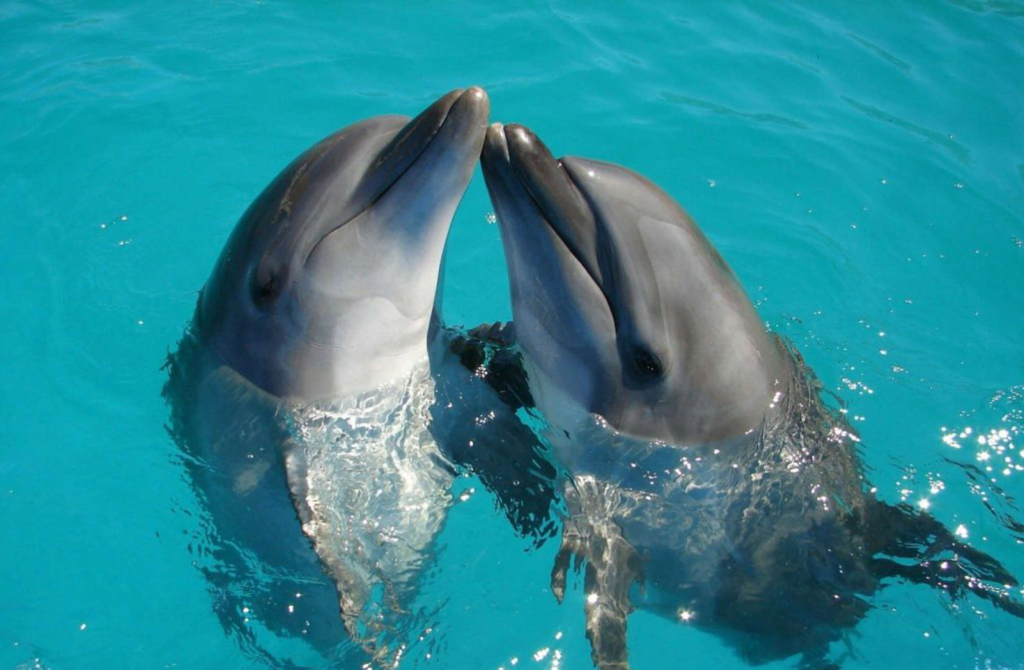
    Dolphins use a rich system of sounds to communicate with each other, including clicks, whistles, and rapid pulses. These sounds are not random. They carry meaning and are used for different situations, such as warning others, finding food, or staying connected in a group.

    One of the most fascinating discoveries is that each dolphin develops a unique whistle that works like a name. Other dolphins can recognize this sound even from far away or after long periods of separation. This shows strong memory skills and a form of identity recognition within their social groups.

    Problem-solving and self-awareness skills

    Photo by Noah Boyer/Unsplash

    Dolphins are known for solving problems in creative ways. In studies and observations, they have learned to complete tasks, find hidden food, and even use simple tools. One example is some dolphins placing sea sponges on their snouts to protect themselves while searching for food on the ocean floor.

    This kind of tool use is rare in animals and shows planning ability. It means dolphins can understand a problem, think of a solution, and apply it in real situations. This is a strong sign of advanced intelligence because it requires both memory and learning.

    Social behavior that depends on teamwork

    Photo by Rudney Uezu on Unsplash

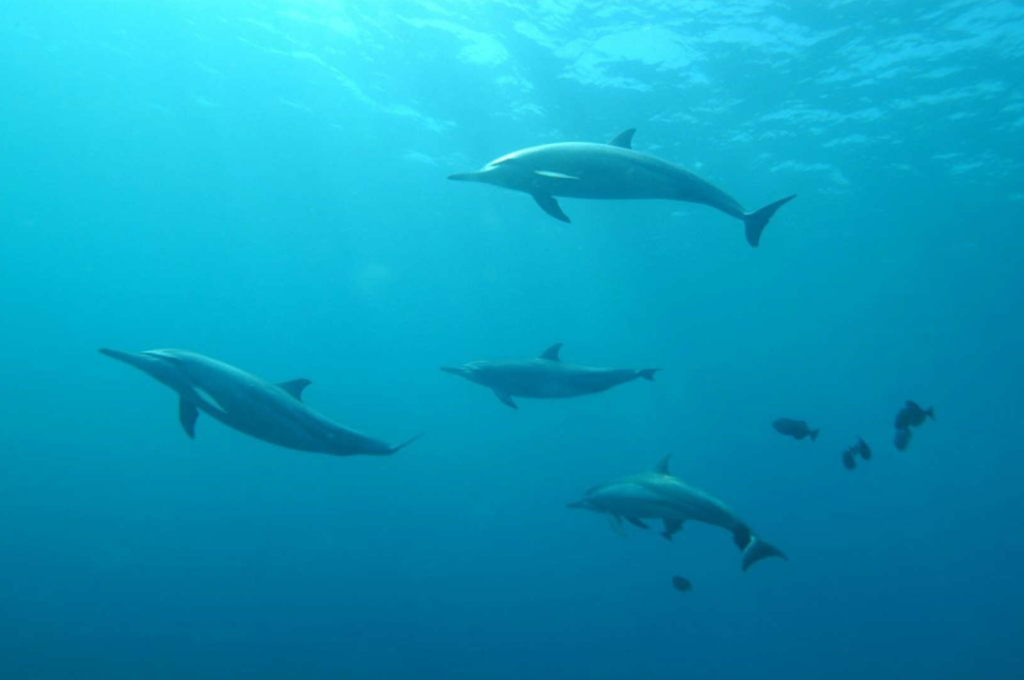
    Dolphins live in groups that can include a few members or even large pods. These groups are not random. Dolphins form strong bonds and often stay with the same companions for long periods. This social structure helps them hunt, protect themselves, and raise young dolphins more successfully.

    Teamwork is especially important when dolphins hunt for food. Some groups work together to surround fish and trap them in tight spaces. Others take turns herding fish toward shallow water where they are easier to catch. This level of coordination shows planning and shared understanding between individuals.

    Memory skills and long-term recognition

    Photo by guille pozzi on Unsplash

    Dolphins have one of the strongest social memories found in the animal kingdom. Studies show they can remember other dolphins even after being separated for more than twenty years. This is an extremely long memory span for any non-human species.

    They also remember sounds and recognize the signature whistles of other dolphins. This helps them reconnect with old group members even after long-distance travel. This type of memory is important for survival in large and changing ocean environments.

    Why dolphin intelligence matters in science

    Photo by William Warby on Unsplash

    Studying dolphin intelligence helps scientists understand how intelligence can develop in different environments. Dolphins live in water, breathe air, and rely on sound instead of sight, which makes their intelligence very different from land animals.

    Their abilities show that intelligence is not just about human-like behavior. It can appear in many forms, especially in communication, memory, and social teamwork. Dolphins prove that smart behavior can evolve in animals that live completely different lives from humans.

  • 6 endangered fish species struggling to survive in America

    6 endangered fish species struggling to survive in America

    If you search for 6 endangered fish species in America, you quickly learn that many native fish are in serious trouble. Rivers, lakes, and coastal waters across the United States have changed a lot because of dams, pollution, and human activity. These changes have made it hard for some fish to survive and reproduce.

    In this article, you will learn about six endangered fish species found in America. You will also understand where they live, what is hurting them, and why they are important to nature. Everything is explained in simple English, so it is easy to follow.

    Atlantic sturgeon struggling in eastern rivers

    USFWS Fish and Aquatic Conservation/Openverse

    The Atlantic sturgeon is one of the largest and oldest fish in North America. It lives along the East Coast and swims between rivers and the ocean. It was once very common, but now it is endangered because its population has dropped sharply over time.

    A big reason for its decline was overfishing in the past. People caught it for meat and caviar, which caused its numbers to fall quickly. Today, it still faces danger from dams, boat strikes, and polluted water that affects its spawning routes.

    Shortnose sturgeon facing river barriers

    Georgia DNR — Wildlife Resources/Openverse

    The shortnose sturgeon is a smaller cousin of the Atlantic sturgeon. It lives in rivers and coastal areas from Canada to Florida. It spends most of its life in river estuaries and returns upstream to spawn.

    One of its biggest problems is blocked migration routes. Dams and water control structures stop it from reaching safe spawning areas. Pollution and habitat loss also reduce the quality of the water it depends on.

    Devils Hole pupfish surviving in a single place

    USFWS Pacific Southwest Region/Openverse

    The Devils Hole pupfish is one of the rarest fish in the world. It lives in only one tiny water pool in Nevada, inside a desert cave system. This makes it extremely vulnerable because there is no backup population anywhere else.

    Even small changes in water temperature or oxygen levels can affect its survival. Earthquakes and water changes in recent years have caused serious drops in its population, making conservation efforts urgent.

    Lost River sucker affected by water changes

    USFWS Fish and Aquatic Conservation/Openverse

    The Lost River sucker lives in lakes and slow rivers in Oregon and California. It is a freshwater fish that depends on clean water and healthy wetlands to survive. Its numbers have dropped due to major changes in its environment.

    One major threat is water being taken away for farming and irrigation. This reduces the natural habitat where the fish feeds and spawns. Pollution and invasive species also make survival harder for young fish.

    Alabama sturgeon is close to disappearing

    USFWS Fish and Aquatic Conservation/Openverse

    The Alabama sturgeon is one of the rarest fish in the United States. It lives in parts of the Mobile River system in Alabama. Scientists believe it may now be extremely close to extinction in the wild.

    This fish has suffered from dams, pollution, and habitat destruction. River changes have blocked its natural movement and reduced safe spawning areas. In addition, very few sightings have been confirmed in recent years.

    Pallid sturgeon are struggling in large river systems

    U.S. Fish and Wildlife Service – Midwest Region/Openverse

    The pallid sturgeon is found in major rivers like the Missouri and Mississippi. It is an ancient fish species that has existed for millions of years. Today, it is endangered because human changes have heavily affected its habitat.

    Dams and river engineering have changed how water flows, which makes it hard for the fish to find proper spawning grounds. It also grows slowly and takes many years to reproduce, which limits recovery.

  • Largest largemouth bass catches recorded across every U.S. state

    Largest largemouth bass catches recorded across every U.S. state

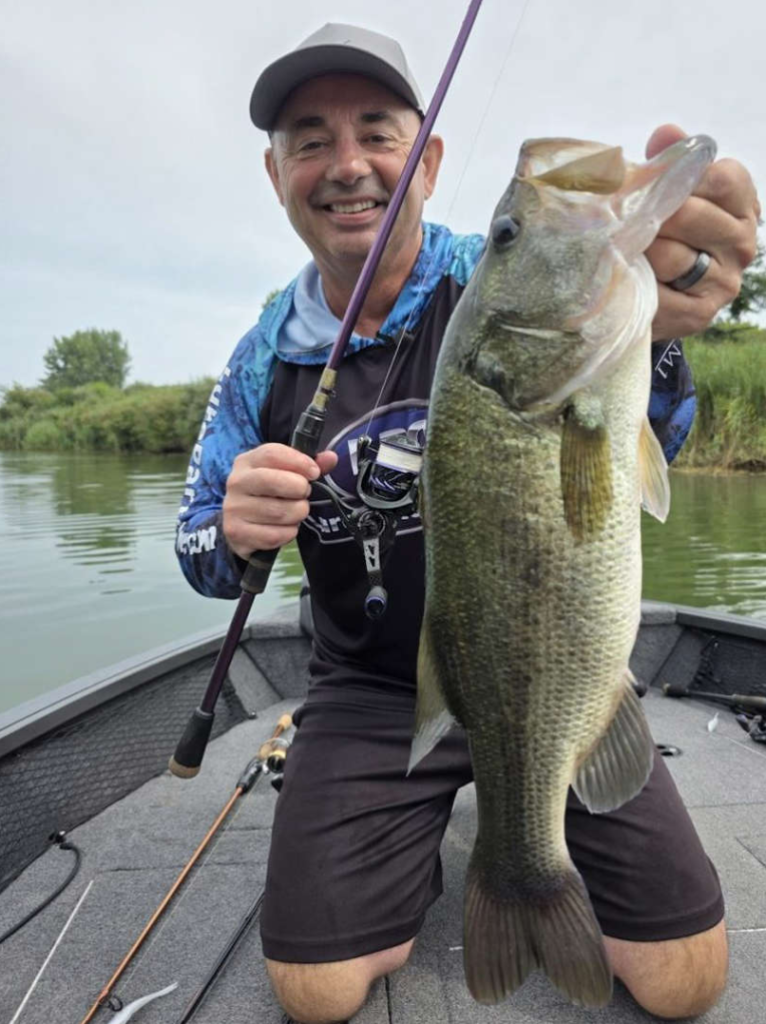
    The largest largemouth bass catches across every U.S. state are a major point of pride for anglers and fishing fans. These records show how big these fish can grow in different parts of the country and why some lakes are known for trophy bass. In this guide, you will learn how state records compare, why certain regions produce giant fish, and what factors help bass reach record-breaking sizes.

    You will also see how climate, food supply, and fishing practices shape these impressive catches. By the end, you will have a clear picture of where the biggest largemouth bass in America come from and why some states stand out more than others.

    Southern giants in bass fishing

    Photo by Jeff Vanderspank/Unsplash

    The southern United States is home to the most famous largemouth bass records in the country. Warm weather and long growing seasons give bass more time to feed and grow throughout the year. States like Georgia, Florida, Texas, and Alabama consistently produce fish that reach extreme sizes compared to the rest of the nation.

    One of the most legendary records comes from Georgia, where a largemouth bass weighing 22 pounds, 4 ounces was caught in 1932 by George Perry. This fish is still considered one of the largest verified largemouth bass ever recorded in history. Florida also produces giant bass, with its state record sitting at about 17 pounds, 4 ounces, caught in the 1980s. Texas stands out as well, with an 18-pound, 18-ounce bass caught at Lake Fork, showing how southern waters remain top-tier for trophy fishing.

    Western trophy waters and big catches

    Photo by Richard R/Unsplash

    Western states produce impressive largemouth bass, but their records are usually slightly smaller than those in the South. This is mainly because many western areas have cooler winters and shorter warm seasons, which limit how long bass can grow each year. Even so, certain lakes in California, Arizona, and Nevada are famous for producing trophy-sized fish.

    California holds one of the most impressive western records with a largemouth bass weighing about 21 pounds, 12 ounces, caught at Castaic Lake. This fish is one of the largest ever recorded in the United States and shows how strong California’s reservoir systems can be for bass growth. Arizona also produces notable catches, with its state record sitting around 16 pounds, 7 ounces, from Canyon Lake. These examples show that while the West may not always match the South, it still produces world-class bass under the right conditions.

    Northern and eastern state records

    Photo by The New York Public Library/Unsplash

    Northern and eastern states generally have smaller largemouth bass records due to colder temperatures and shorter growing seasons. In these regions, bass do not have as many months of active feeding, which naturally limits their maximum size. However, anglers in these areas still catch impressive trophy fish that are highly respected locally.

    In states like Michigan, Wisconsin, and New York, state records usually range between 8 and 12 pounds. These fish are considered very large for colder climates and often come from deep or protected lakes. New England states such as Massachusetts and Vermont typically have records closer to 9 to 11 pounds, showing consistent patterns across colder regions. Even though these numbers are smaller than southern records, they are still a major achievement for anglers in those areas.

    What makes largemouth bass grow so big

    Photo by Jeff Vanderspank/Unsplash

    Several natural factors decide how large a largemouth bass can grow in a specific state. Water temperature is one of the most important because warmer water allows bass to stay active longer throughout the year. When fish have more active months, they feed more often and grow faster over time.

    Food supply also plays a major role in record-sized bass. Lakes filled with baitfish like bluegill and shad give bass a steady source of high-energy food. Genetics can also influence size, since some bass populations naturally grow larger than others. In addition, fishing pressure affects growth because catch-and-release practices can allow more fish to reach older and heavier stages.

    Modern fishing and record trends

    Photo by Jim Crowley/Unsplash

    Modern fishing has changed how anglers find and catch largemouth bass. Tools like sonar and fish finders make it easier to locate deep or hidden fish in large lakes. This technology has increased the chances of catching bigger bass, especially in well-managed fisheries.

    At the same time, conservation programs have helped protect trophy fish in many states. Texas, for example, runs programs that study and breed large bass to improve genetics in public lakes. Florida also supports strong fisheries management that helps maintain healthy bass populations. These efforts mean that even though state records are often decades old, modern anglers are still catching fish that come close to breaking them.

    Standout state records across America

    Photo by Jo Anaya/Unsplash

    Across the country, a few largemouth bass records stand out as truly historic catches. Georgia’s 22-pound, 4-ounce bass remains one of the most famous fishing records in American history. California’s 21-pound, 12-ounce bass is another legendary catch that shows the strength of its fisheries.

    Texas also remains a top contender with its nearly 19-pound record fish from Lake Fork. Florida continues to be known for the steady production of trophy bass, even if its official record is slightly lower. Together, these standout states show how regional conditions shape the biggest catches in the country.

  • 6 animals that show little to no fear of fire

    6 animals that show little to no fear of fire

    When people search for animals that show little to no fear of fire, they often expect a simple answer, but nature is more complicated than that. Most animals naturally run away from fire because it is hot, fast, and dangerous. However, a few species react in surprising ways depending on their instincts and survival needs.

    This article explains six animals that show less fear of fire or even move toward burned areas. You will learn how they behave around flames, why they act this way, and what science says about their survival strategies. By the end, you will understand how fire affects wildlife in very different ways.

    Raccoons and their bold survival habits

    Photo by Fr0ggy5/Unsplash

    Raccoons are known for being smart and brave animals that live near humans. They often explore campfires carefully instead of running away immediately. This is because they are focused on finding food more than avoiding danger.

    They are not truly fearless of fire, but they can get used to it in human areas. When raccoons see people cooking or camping, they may learn that fire usually means food is nearby. This makes them more likely to stay close, even when flames are present.

    Grizzly bears and food-driven behavior

    Photo by Margaret Strickland/Unsplash

    Grizzly bears are powerful animals that usually avoid danger. However, in places where humans are common, some bears lose fear of campfires over time. This is especially true in campgrounds where food is easy to find.

    These bears are not attracted to fire itself, but to the smell of food around it. If people cook near a fire, bears may come closer to investigate. Their strong sense of smell guides them more than fear does in these situations.

    Lions and their calm curiosity near flames

    Photo by Fabrizio Frigeni/Unsplash

    Lions are top predators that do not easily get scared. In some controlled environments, they have been seen watching or slowly approaching small fires. This behavior comes from curiosity rather than a true lack of danger awareness.

    Because lions are confident hunters, they often evaluate threats instead of immediately fleeing. A small controlled fire may not seem important to them unless it grows larger. Their strong position in the food chain shapes how they react.

    Livestock animals and controlled fire tolerance

    Photo by Annika Treial/Unsplash

    Animals like cattle and horses can sometimes stay calm around controlled fires. This happens because they often live close to humans and get used to human activity. Over time, they learn that small fires are not always dangerous.

    These animals may continue eating or slowly move away instead of panicking. Their reactions depend on the smoke level, heat, and how large the fire is. They are more likely to react strongly only when fire becomes unpredictable.

    Echidnas and fire survival adaptations

    Photo by Enguerrand Photography/Unsplash

    Echidnas are unique animals found mainly in Australia. They do not directly interact with fire, but they are very good at surviving it. They often hide in burrows or underground shelters when fire comes close.

    During and after fire events, echidnas can slow their bodies down to save energy. This helps them survive until conditions become safe again. After fires pass, they often return to feed on insects in burned areas.

    Black-backed woodpeckers and burned forest feeding

    Photo by Anastasiya Dragun/Unsplash

    Black-backed woodpeckers are birds that actually benefit from fire. After forests burn, dead trees attract many insects. These insects become a major food source for the woodpeckers.

    These birds quickly move into burned areas to feed and nest. They do not fear fire zones once the flames are gone. Instead, they depend on fire-created habitats for survival.

  • Extremely rare white bison calf born in Iowa

    Extremely rare white bison calf born in Iowa

    The white bison calf born in Iowa has drawn attention because it is one of the rarest natural animal events in North America. A white bison calf born in Iowa refers to a newborn American bison that has a pale white coat instead of the common reddish brown color seen in most calves. Wildlife experts estimate that this kind of birth happens about once in a million cases, which makes it extremely unusual.

    This article explains what makes this calf so rare, where it was born, and why people across the United States are so interested in it. It also covers the genetics behind white bison, the cultural meaning in Native American traditions, and the importance of conservation efforts in Iowa. You will get a clear and simple explanation written in easy language, so the facts are easy to understand.

    What makes a white bison calf so rare

    Photo by Rhys Courtney/Unsplash

    A white bison calf is rare because of unusual genetic conditions that affect coat color. Most white bison are not truly albino but are born with a condition called leucism, which reduces pigment in the fur while keeping normal eye color. This makes them appear white or cream colored instead of the usual dark brown seen in most American bison calves.

    For a white coat to appear, both parents must carry a rare gene that is not common in wild or managed herds. Even when both parents carry the gene, the chance of a white calf being born is extremely low. This is why wildlife experts often describe it as a one-in-a-million event, making each birth scientifically important and very unusual.

    Iowa white bison calf birth story

    Photo by Anival Torres/Unsplash

    The white bison calf born in Iowa was reported at the Neal Smith National Wildlife Refuge near Prairie City. This refuge is a protected prairie area that helps restore natural grassland ecosystems and supports a free-roaming herd of American bison. Wildlife staff closely monitor births during the spring season when most calves are born.

    When the calf was first observed, staff noticed its unusually pale coat compared to the darker brown color of other newborn calves. Most bison calves are born with reddish-brown fur that helps them blend into tall prairie grass for protection from predators. The white coloring made this calf stand out immediately in the herd.

    Genetics behind white bison

    Photo by Peter Forster/Unsplash

    The genetics behind a white bison calf involve inherited traits passed down from both parents. These traits affect how pigment is produced in the animal’s hair. When both parents carry a recessive gene linked to reduced pigmentation, there is a small chance that a white calf will be born.

    Unlike albinism, which removes all pigment, leucism only reduces pigmentation. This is why many white bison still have dark eyes and hooves instead of pink coloring. Scientists use this difference to correctly identify white bison and study how these traits appear in different herds.

    Cultural meaning of white bison

    Photo by Erwin Bosman/Unsplash

    White bison have strong cultural meaning in many Native American traditions. In several nations, including Lakota and Dakota communities, a white buffalo is seen as a sacred and spiritual sign. It is often associated with peace, renewal, and important teachings passed down through generations.

    One well-known story is that of the White Buffalo Calf Woman, a spiritual figure who brought teachings and ceremonies to the people. Because of this story, the birth of a white bison is often viewed as meaningful beyond just biology. It connects modern events to long-held cultural beliefs.

    Conservation importance in Iowa

    Photo by Matthieu Rochette/Unsplash

    The white bison calf born in Iowa highlights the success of conservation efforts in the United States. American bison were once near extinction, but careful protection and breeding programs have helped restore their numbers. Today, they are found in national parks, wildlife refuges, and private conservation lands.

    Neal Smith National Wildlife Refuge plays an important role in this recovery. It provides a large prairie habitat where bison can live freely while still being protected. This type of environment allows natural behaviors and breeding patterns that support healthy herds.

    How scientists study and protect white bison

    Photo by National Institute of Allergy and Infectious Diseases/Unsplash

    Scientists study white bison calves to better understand genetics and herd health. When a rare calf is born, researchers may observe its growth, behavior, and physical traits over time. This helps them learn more about how rare genes are passed through generations.

    Wildlife managers also use monitoring tools to track herd movements and population health. These tools help ensure that animals in places like Iowa refuges are safe and thriving. Careful observation allows scientists to collect data without disturbing the animals too much.

  • Sea creatures that are considered the most dangerous

    Sea creatures that are considered the most dangerous

    Sea creatures considered the most dangerous are not just sharks. Scientists and marine experts often point to animals like box jellyfish, stonefish, blue-ringed octopus, and saltwater crocodiles because their venom or attacks can cause severe injury or death. Learning where they live and how they behave can help people stay safer in the water.

    This article explains which sea animals are the most dangerous, why they are risky, and how their danger is different. Some are deadly because of venom, while others are dangerous because of size, strength, or surprise attacks. By the end, you will know which ocean animals deserve the most caution and why fear often comes from the wrong ones.

    Box jellyfish

    Photo by Albert Canite/Unsplash

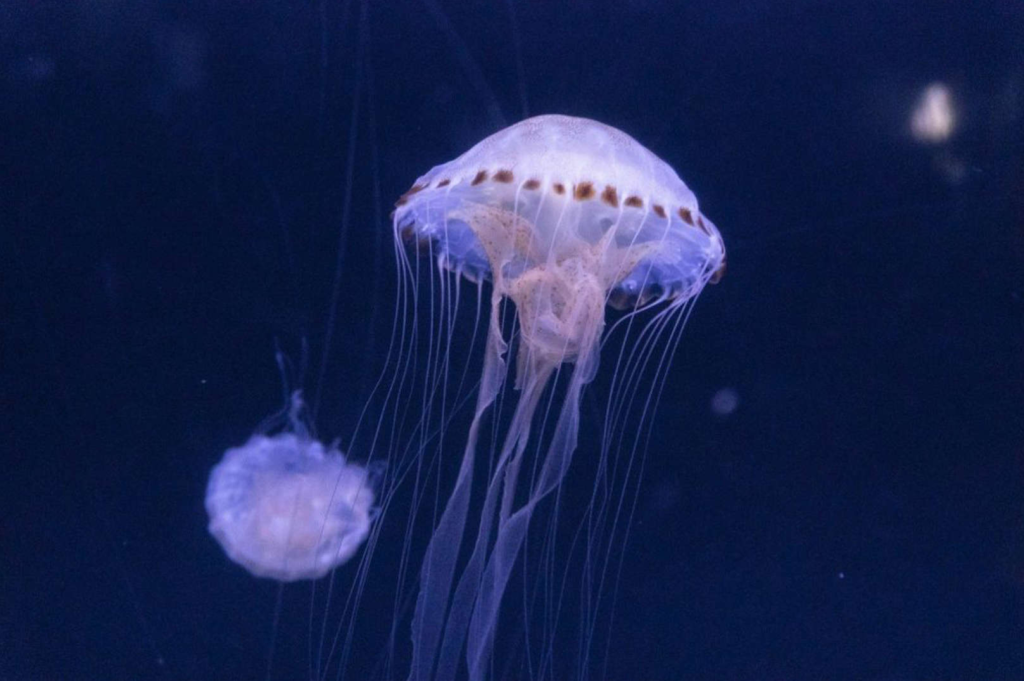
    Box jellyfish are often considered the most dangerous sea creature because their venom can attack the heart, nerves, and skin very quickly. It lives mostly in warm waters near Australia and parts of Southeast Asia, especially close to beaches and river mouths. Its body is almost clear, so swimmers often do not see it until the tentacles touch their skin.

    The tentacles are covered with tiny stingers that release venom on contact. A severe sting can cause intense pain, trouble breathing, and heart failure in a short time if help does not arrive fast. Lifeguards in northern Australia often place warning signs and protective nets during jellyfish season.

    Blue-ringed octopus

    Photo by Julia Kadel/Unsplash

    Blue-ringed octopus is very small, but it carries venom powerful enough to stop breathing. It is usually found in tide pools, coral reefs, and shallow coastal waters around Australia and the Pacific region. Its bright blue rings become more visible when it feels scared or threatened.

    Many people are bitten when they try to pick it up because it looks harmless. The bite may not hurt much at first, which makes it more dangerous because people may not know what happened. Within minutes, the venom can cause muscle weakness, paralysis, and serious breathing problems.

    Stonefish

    Photo by James Packer/Unsplash

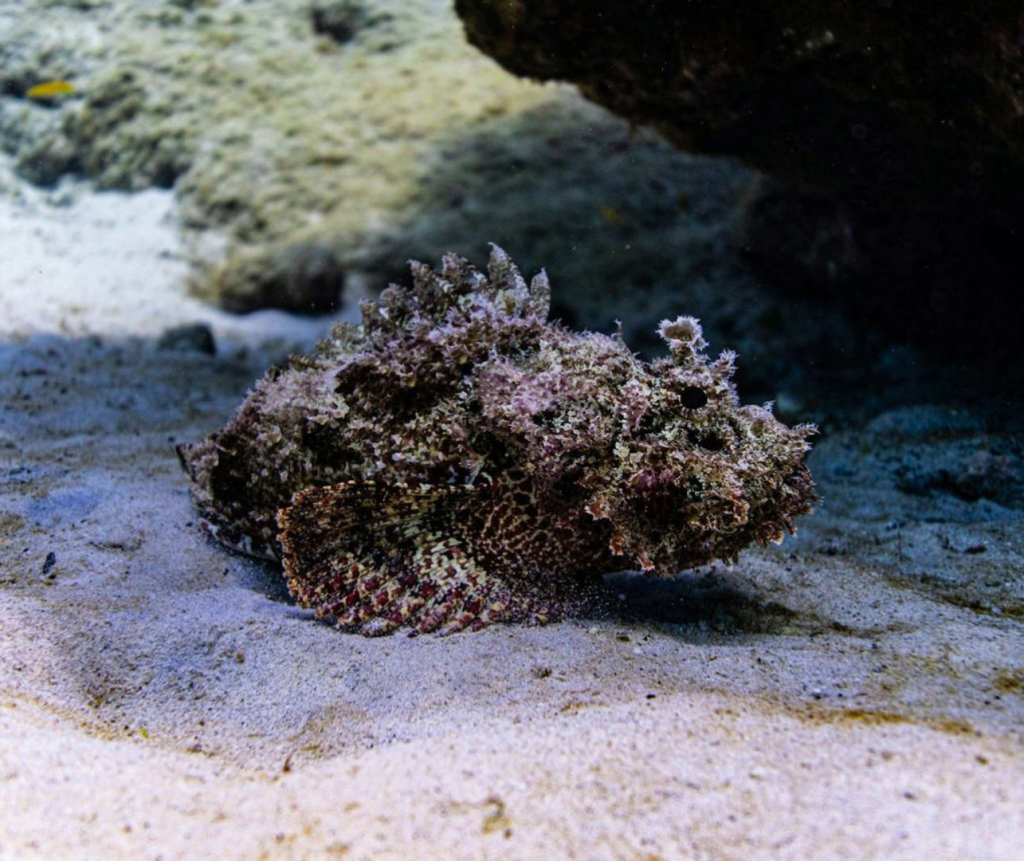
    Stonefish is one of the most venomous fish in the world and often hides on the ocean floor. Its rough skin looks almost exactly like a rock, which makes it hard to spot in shallow tropical water. It is common in coral reefs and sandy areas in the Indo-Pacific region.

    People are usually stung when they step on it by accident. Sharp spines on its back push venom into the foot or leg, causing extreme pain right away. In serious cases, the venom can affect breathing, cause shock, and require emergency treatment.

    Geography cone snail

    Photo by Fabian Castro/Unsplash

    The geography cone snail looks like a beautiful shell, which is why some people pick it up. It lives in warm ocean waters and hides under sand or near coral reefs. Even though it moves slowly, it can attack very quickly when disturbed.

    It uses a tiny harpoon-like tooth to inject venom into prey or anything that touches it. The sting can cause numbness, muscle failure, and breathing problems. Experts warn beachgoers not to handle cone shells because some still contain a living snail inside.

    Bull shark

    Photo by Gerald Schömbs/Unsplash

    Bull sharks are one of the shark species most often linked to attacks on people. It can live in both saltwater and freshwater, which means it can swim into rivers and estuaries as well as the open ocean. This brings it closer to beaches where people swim.

    It often hunts in murky water where visibility is low. Because it can enter shallow coastal areas, encounters happen more often than with deep-sea sharks. Attacks are still uncommon, but bull sharks are known for being strong, aggressive, and unpredictable.

    Saltwater crocodile

    Photo by Brad Mills/Unsplash

    Saltwater crocodiles live in coastal waters, mangroves, and river mouths. It can swim long distances in the ocean and is the largest living reptile on Earth. It is found in northern Australia, South Asia, and Southeast Asia.

    It is an ambush hunter and can strike from shallow water with little warning. Its bite is extremely powerful, and attacks on humans can happen near shorelines where crocodiles hunt. Many safety signs in crocodile areas warn people not to swim because these animals can move silently through water.

  • Why more homeowners are adding water features and mini ponds outdoors

    Why more homeowners are adding water features and mini ponds outdoors

    More homeowners are adding water features and mini ponds outdoors because they want their yards to feel calmer, more beautiful, and closer to nature without leaving home. A water feature or mini pond can turn a plain backyard into a peaceful space where people can relax, think, or spend time with family.

    This trend has grown because modern life is fast and noisy, and many people are looking for simple ways to slow down. Water adds sound, movement, and life to outdoor areas, making them feel more inviting. In this article, you will learn why these backyard additions are becoming so popular and what real benefits they bring to everyday living.

    Water features help people feel calm and less stressed

    Photo by Dominik/Unsplash

    One of the biggest reasons homeowners install water features is that they create a calming environment. The sound of flowing or trickling water can help people feel more relaxed after a long day. Many people use these spaces for sitting quietly, reading, or spending time outside without distractions.

    Studies and real-world observations show that being near water can improve mood and reduce stress. Even simple water sounds can act like a natural background noise that helps the brain slow down. This is why small fountains, ponds, and waterfalls are often placed near patios or outdoor seating areas.

    Mini ponds improve outdoor beauty and home appearance

    Photo by Katherine Volkovski/Unsplash

    Mini ponds are popular because they make outdoor spaces look more attractive and complete. A small pond with rocks, plants, or fish can become the main feature of a yard. Even simple designs can make a big difference in how a backyard looks and feels.

    Homeowners also like that water features improve curb appeal. A well-designed pond or fountain can make a house stand out in the neighborhood. This can create a strong first impression for visitors or future buyers who value outdoor beauty.

    Water features attract birds and support small wildlife

    Photo by Tapan Kumar Choudhury/Unsplash

    Many homeowners enjoy water features because they naturally attract wildlife. Birds often visit ponds to drink or bathe, while butterflies and insects are drawn to the plants and moisture. This brings more life and movement into the backyard.

    Even small ponds can support a mini ecosystem. Plants can grow around the water, and small animals may use it as a safe space. Over time, the yard becomes more natural and lively without needing much extra effort.

    Water features fit modern backyard design trends

    Photo by Brian Wangenheim/Unsplash

    Modern landscaping focuses on simple, clean, and relaxing outdoor spaces. Water features match this style because they add movement and sound without making a yard look crowded. Many homeowners prefer natural-looking designs that blend into plants and stone.

    Design trends also favor outdoor spaces that feel like a retreat. Instead of just grass and fences, people want areas where they can relax, like they would in a small park or garden. Water features help create that feeling by adding a soft, natural atmosphere.

    Water features encourage more outdoor living time

    Photo by engin akyurt/Unsplash

    Another reason homeowners add mini ponds is that they make people want to spend more time outside. A backyard with moving water feels more inviting and comfortable, especially in the evening or on weekends. Families often gather around these spaces to talk or relax together.

    Water features also improve the overall outdoor experience. The sound of water creates a peaceful background that makes simple activities like eating outside or sitting with friends more enjoyable. This helps turn the yard into a usable living space, not just an empty area.

    Water features add value and long-term enjoyment

    Photo by Ronin/Unsplash

    Many homeowners see water features as a long-term investment in their home’s comfort and appearance. A well-kept pond or fountain can make a property feel more special and unique. This added charm can be appealing to future buyers.

    While not every water feature increases home value directly, it often improves how a home is viewed. A nice outdoor space can make a house feel more welcoming and memorable. This emotional impact is often just as important as financial value.