
Sea creatures considered the most dangerous are not just sharks. Scientists and marine experts often point to animals like box jellyfish, stonefish, blue-ringed octopus, and saltwater crocodiles because their venom or attacks can cause severe injury or death. Learning where they live and how they behave can help people stay safer in the water.
This article explains which sea animals are the most dangerous, why they are risky, and how their danger is different. Some are deadly because of venom, while others are dangerous because of size, strength, or surprise attacks. By the end, you will know which ocean animals deserve the most caution and why fear often comes from the wrong ones.
Box jellyfish
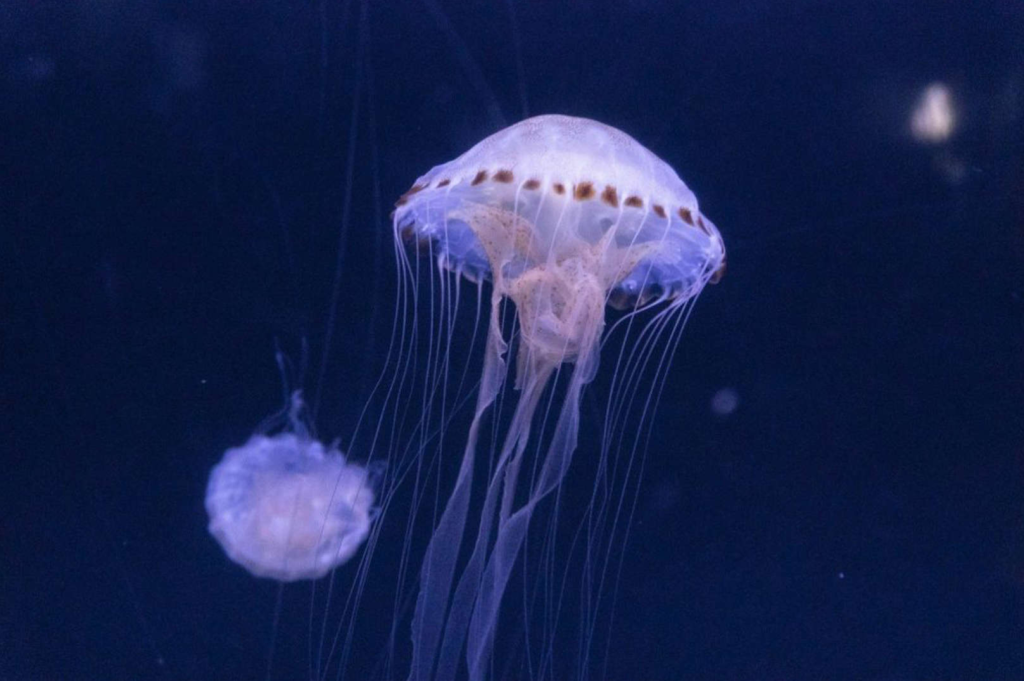
Box jellyfish are often considered the most dangerous sea creature because their venom can attack the heart, nerves, and skin very quickly. It lives mostly in warm waters near Australia and parts of Southeast Asia, especially close to beaches and river mouths. Its body is almost clear, so swimmers often do not see it until the tentacles touch their skin.
The tentacles are covered with tiny stingers that release venom on contact. A severe sting can cause intense pain, trouble breathing, and heart failure in a short time if help does not arrive fast. Lifeguards in northern Australia often place warning signs and protective nets during jellyfish season.
Blue-ringed octopus
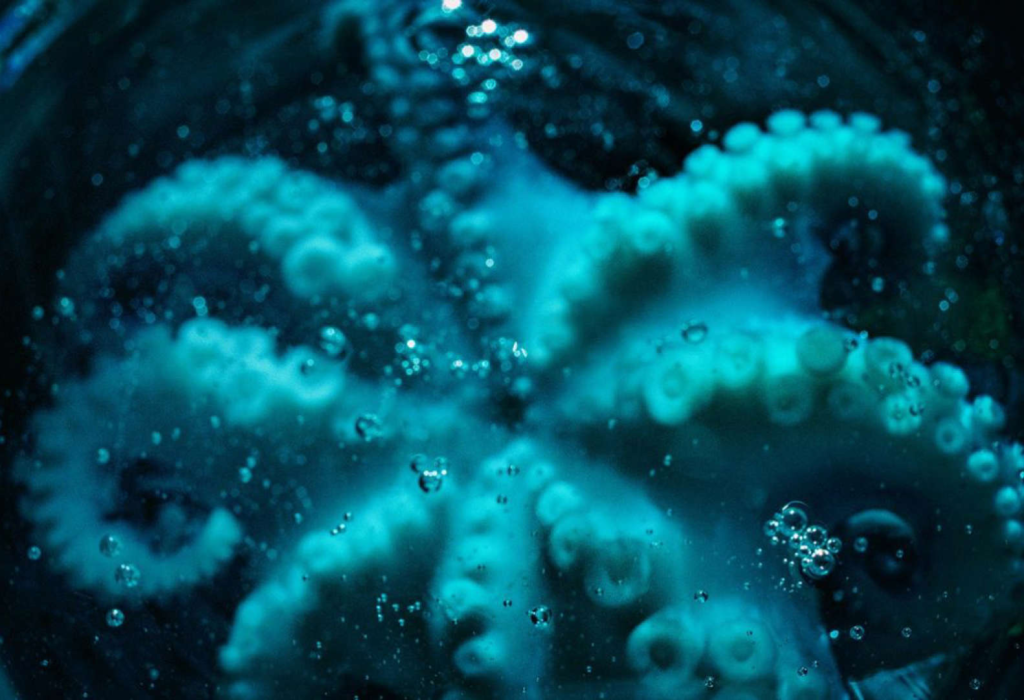
Blue-ringed octopus is very small, but it carries venom powerful enough to stop breathing. It is usually found in tide pools, coral reefs, and shallow coastal waters around Australia and the Pacific region. Its bright blue rings become more visible when it feels scared or threatened.
Many people are bitten when they try to pick it up because it looks harmless. The bite may not hurt much at first, which makes it more dangerous because people may not know what happened. Within minutes, the venom can cause muscle weakness, paralysis, and serious breathing problems.
Stonefish
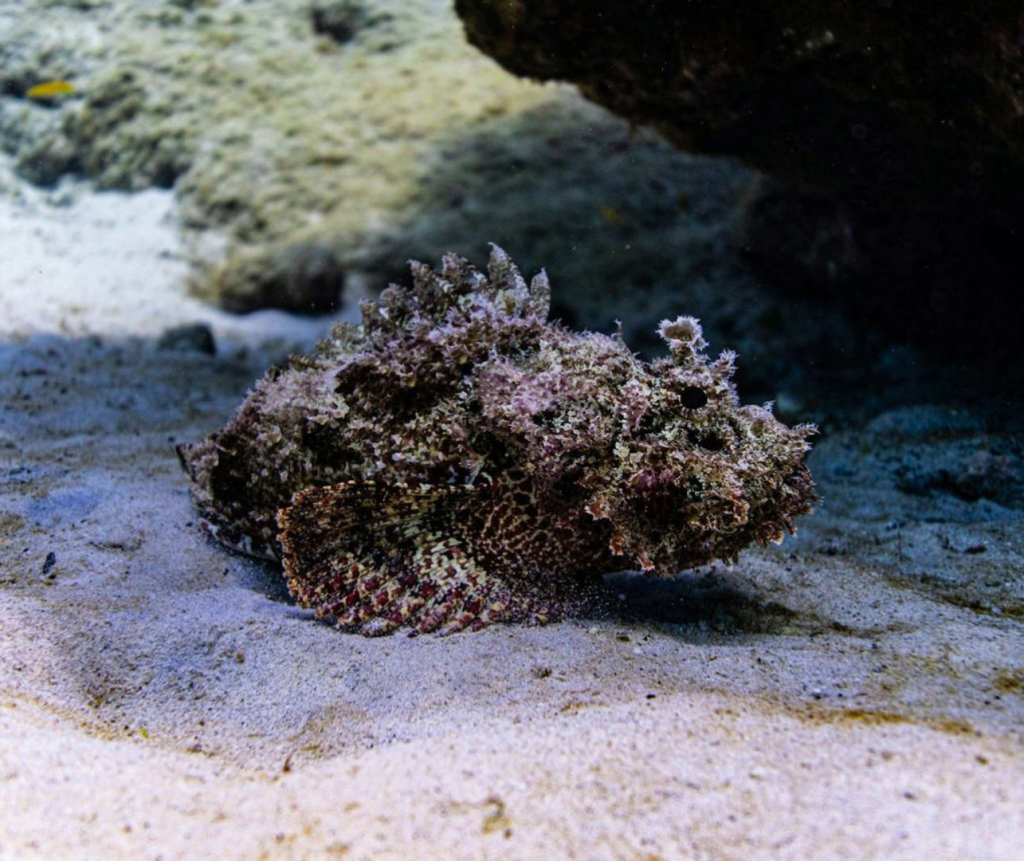
Stonefish is one of the most venomous fish in the world and often hides on the ocean floor. Its rough skin looks almost exactly like a rock, which makes it hard to spot in shallow tropical water. It is common in coral reefs and sandy areas in the Indo-Pacific region.
People are usually stung when they step on it by accident. Sharp spines on its back push venom into the foot or leg, causing extreme pain right away. In serious cases, the venom can affect breathing, cause shock, and require emergency treatment.
Geography cone snail
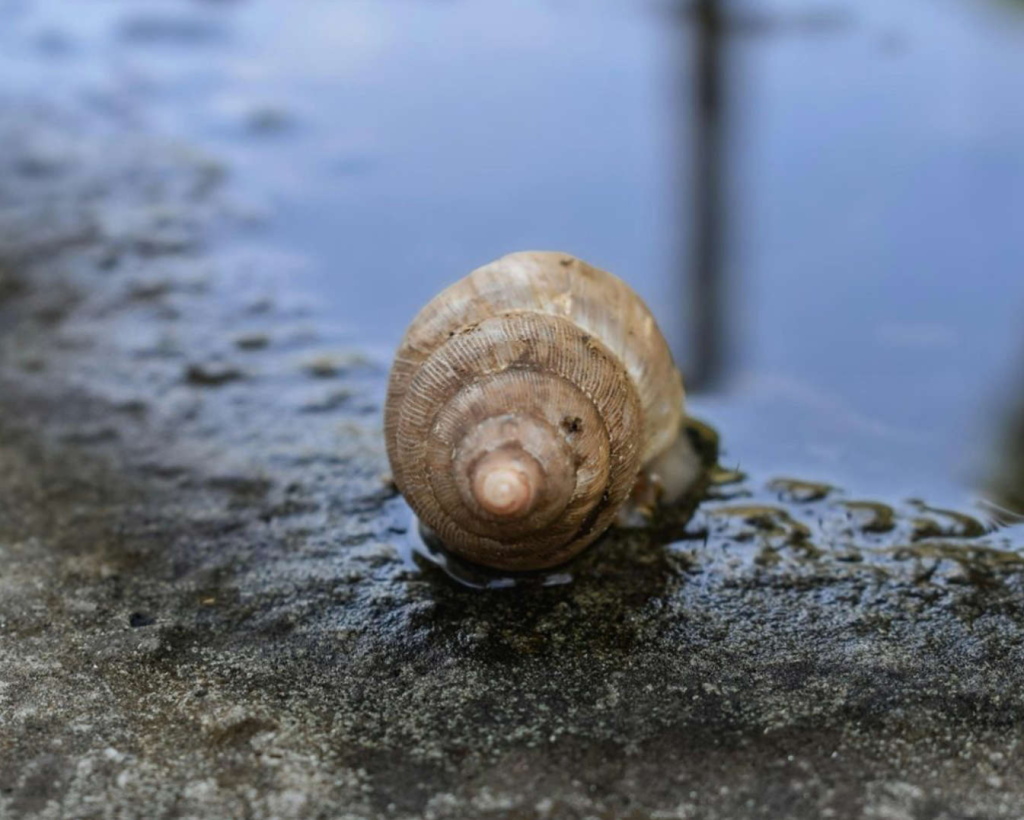
The geography cone snail looks like a beautiful shell, which is why some people pick it up. It lives in warm ocean waters and hides under sand or near coral reefs. Even though it moves slowly, it can attack very quickly when disturbed.
It uses a tiny harpoon-like tooth to inject venom into prey or anything that touches it. The sting can cause numbness, muscle failure, and breathing problems. Experts warn beachgoers not to handle cone shells because some still contain a living snail inside.
Bull shark
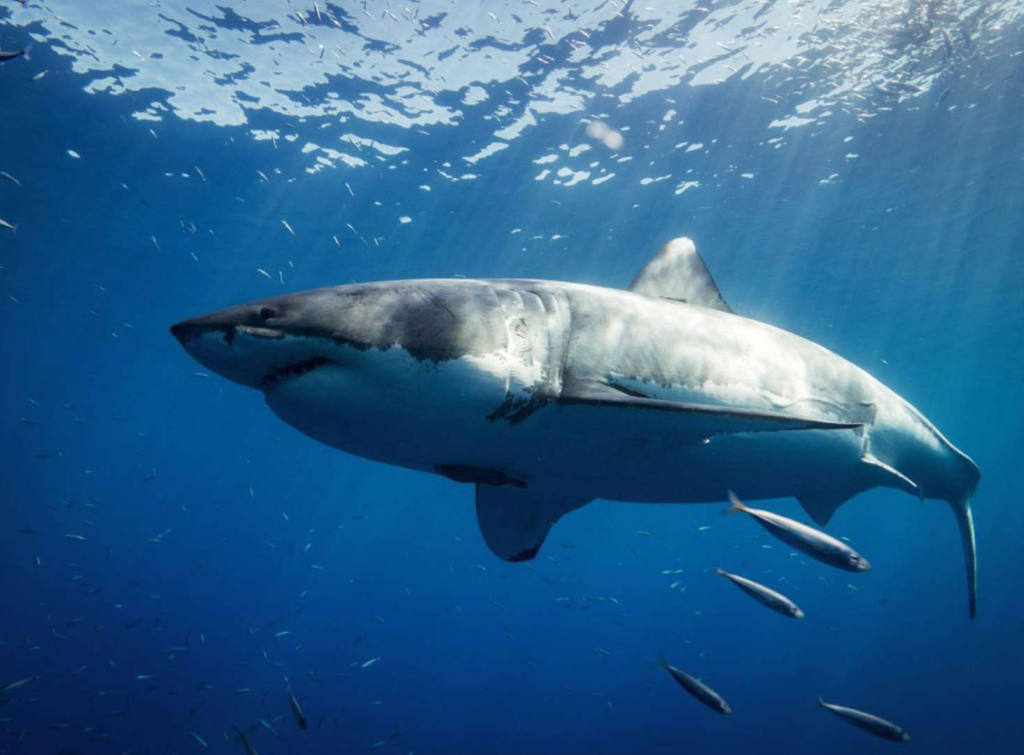
Bull sharks are one of the shark species most often linked to attacks on people. It can live in both saltwater and freshwater, which means it can swim into rivers and estuaries as well as the open ocean. This brings it closer to beaches where people swim.
It often hunts in murky water where visibility is low. Because it can enter shallow coastal areas, encounters happen more often than with deep-sea sharks. Attacks are still uncommon, but bull sharks are known for being strong, aggressive, and unpredictable.
Saltwater crocodile

Saltwater crocodiles live in coastal waters, mangroves, and river mouths. It can swim long distances in the ocean and is the largest living reptile on Earth. It is found in northern Australia, South Asia, and Southeast Asia.
It is an ambush hunter and can strike from shallow water with little warning. Its bite is extremely powerful, and attacks on humans can happen near shorelines where crocodiles hunt. Many safety signs in crocodile areas warn people not to swim because these animals can move silently through water.
Leave a Reply