Blog

  • The US states with the highest coyote populations

    The US states with the highest coyote populations

    Coyotes live in almost every part of the United States, and their numbers have grown because they can survive in deserts, forests, farms, suburbs, and even large cities. Wildlife agencies do not do one single national count, so exact numbers are estimates built from state reports, harvest data, sightings, and habitat studies.

    If you want to know where coyotes are most common, the answer usually comes down to land size, food, and how easily they adapt to people. The states below are widely recognized as having some of the largest coyote populations, with Texas leading by a large margin.

    Texas has the largest coyote population

    Photo by Loik Marras on Unsplash

    Texas has the highest estimated coyote population in the country, with some estimates placing it at more than 850,000 animals. Its huge size gives coyotes room to spread across deserts, grasslands, ranches, and wooded areas.

    Coyotes do especially well in Texas because prey is everywhere, from rabbits and rodents to deer fawns and leftover food near towns. Even active hunting has not removed them, because coyotes often respond to pressure by reproducing quickly and moving into open territory.

    California supports a massive coyote range

    Photo by Iris Papillon on Unsplash

    California is often ranked second, with estimates ranging from 250,000 to 750,000 coyotes, because the state includes many very different habitats. They live in deserts, mountains, coastal hills, and city edges, making them one of the most visible wild predators in the state.

    California is unusual because coyotes are not only in remote places but also in major urban areas. They are regularly seen in neighborhoods around Los Angeles and San Diego, showing how easily they adapt to life near people.

    Arizona and New Mexico remain strongholds

    Photo by Christoph von Gellhorn on Unsplash

    Arizona has one of the highest coyote totals in the Southwest, with estimates near 200,000. The dry climate and open land match the coyote’s original historical range, so the species has long been common there.

    New Mexico also supports a large population because of its mix of desert scrub, grasslands, and mountain foothills. Coyotes in these states often face fewer barriers than in dense eastern forests, allowing them to spread widely across open terrain.

    Kansas and the Great Plains remain core habitat

    Photo by Samuel Myles on Unsplash

    Kansas remains one of the strongest coyote states because the species originally expanded from the central plains. Large farm fields, prairie grass, and steady prey populations create ideal conditions for survival.

    The Great Plains also provide many edge habitats, where open fields meet brush and woodland. Coyotes hunt best in these transition zones, which is why they continue to thrive in Kansas and nearby states despite farming and human growth.

    Colorado and Nevada have large western populations

    Photo by Melanie Magdalena on Unsplash

    Colorado has a strong coyote population that spreads from the eastern plains to mountain valleys. Even areas with harsher winters still support large numbers because coyotes can change their diet and territory quickly.

    Nevada also ranks high because wide desert basins and low human density give coyotes room to roam. They often survive in places where larger predators are scarce, helping them dominate many local food chains.

    Why coyotes keep spreading across America

    Photo by Dylan Ferreira on Unsplash

    Coyotes once lived mostly in the western and central parts of North America, but they now occupy nearly every U.S. state except Hawaii. Their spread happened over the last century as forests were cleared, towns expanded, and larger predators declined.

    They survive because they eat almost anything, from mice and fruit to trash and pet food left outside. That flexibility means even states without the highest totals can still have stable coyote populations in suburbs, parks, and farmland.

  • A baby elephant loses its trunk as experts raise concerns about its survival

    A baby elephant loses its trunk as experts raise concerns about its survival

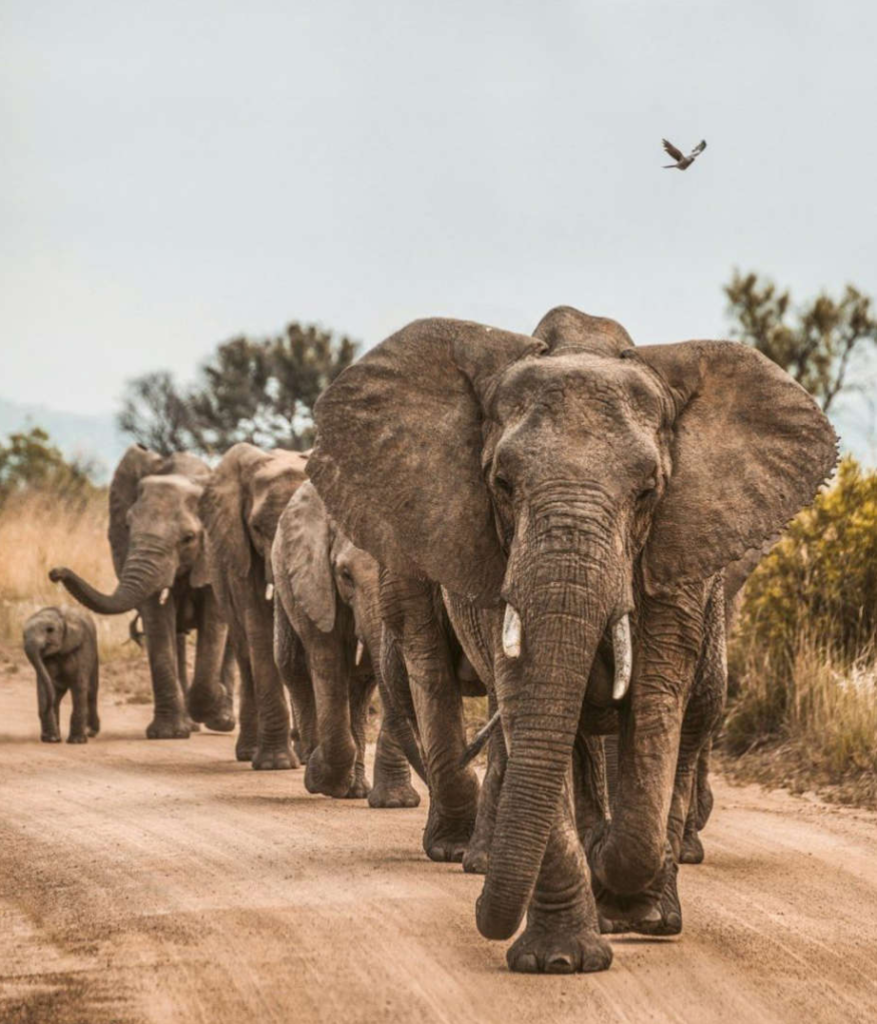
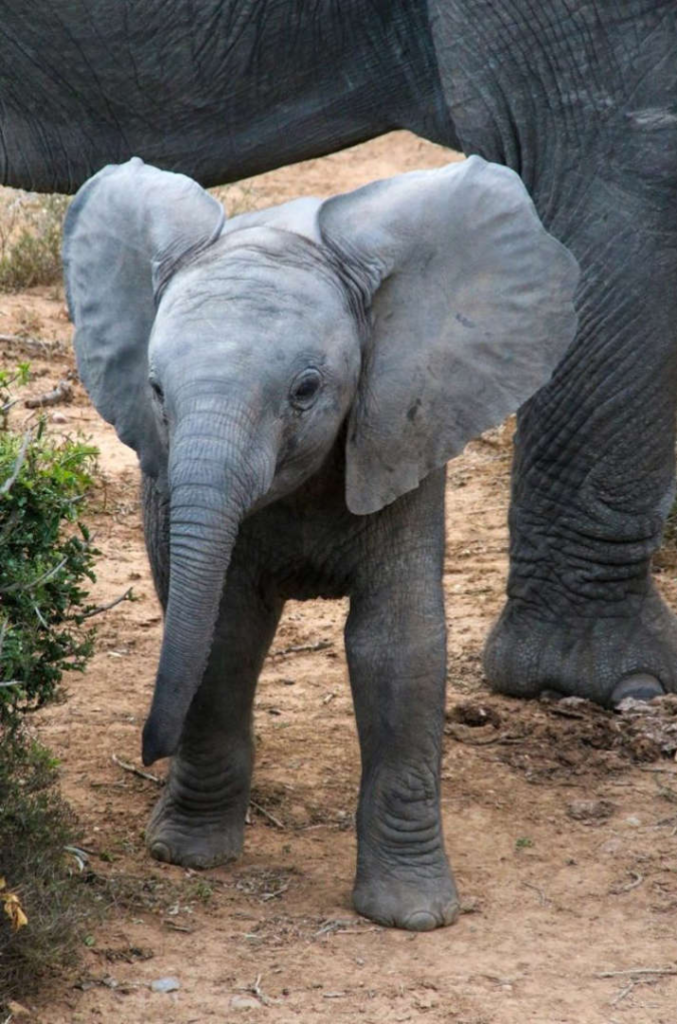
    A baby elephant losing its trunk is one of the most serious injuries an elephant can face. The trunk is not just a nose. It helps the animal breathe, drink, eat, smell danger, and stay close to its family, so losing it creates major survival problems from the start.

    This article explains what happens when a young elephant loses its trunk, why wildlife experts are deeply worried, and how some calves have survived with human care or herd support. It also looks at the real causes behind these injuries, including poacher snares and predator attacks, and why the outcome is often uncertain for a calf in the wild.

    Why the trunk matters so much

    Photo by Amar Hussain on Unsplash

    An elephant’s trunk is one of the most important body parts in the animal kingdom. It works like a hand, a straw, and a communication tool all at once, and it contains around 40,000 muscles that help with many daily tasks.

    Young elephants depend on their trunks to learn how to pick up grass, pull leaves, spray water, and touch their mothers. Without it, a calf loses the main tool it needs to feed itself and interact with the herd, especially as it grows older.

    How baby elephants lose their trunks

    Photo by Amar Hussain on Unsplash

    In many cases, calves lose all or part of the trunk after getting caught in wire snares. These traps are often set for smaller animals, but elephants can accidentally step into them or wrap the wire around the trunk while exploring.

    Predator attacks can also cause this injury. Crocodiles may grab a young elephant when it drinks near rivers, and hyenas have been reported attacking calves that become trapped or separated from the herd.

    Why survival is so uncertain

    Photo by Howen on Unsplash

    Experts say a calf with no trunk faces a very hard future in the wild. It may still nurse from its mother for a time, but older calves need to collect solid food and water on their own, and that becomes much harder without the organ.

    The trunk also helps with cooling the body and detecting danger. A calf that cannot use it may struggle during drought, fail to keep up with the herd, or become weak from poor nutrition, even if the wound heals.

    Some elephants do adapt

    Photo by NIR HIMI on Unsplash

    There are documented cases of elephants surviving with severe trunk injuries. Some learn to kneel at water sources and drink directly with the mouth, while others rely on eating plants at head level because they cannot pull grass from the ground.
    A few orphaned calves have survived in sanctuaries after being rescued. One recent case involved a young elephant named Long’uro, who lost most of his trunk as a calf and adapted with constant human care at a sanctuary in Kenya.
    Why herd support can make a difference

    Photo by redcharlie on Unsplash

    Elephants are highly social and live in close family groups. Adult females often help raise calves, and researchers have observed herd members staying close to injured young elephants to protect them and guide them.

    Some experts believe family support may help a calf survive longer than expected. Adults may help by slowing the group’s pace, standing guard, or making it easier for the injured calf to access food and water.

    What this means for conservation

    Photo by Maurits Bausenhart on Unsplash

    When a baby elephant loses its trunk, the injury often points to a larger problem in the habitat. Snares, shrinking forests, and more contact with farms are increasing the number of severe injuries seen in elephants across parts of Africa and Asia.

    Conservation workers say each injured calf is a warning sign. It shows how human activity can harm wildlife even when elephants are not the intended target, and it highlights why stronger habitat protection matters.

    The future depends on where the calf is found

    Photo by Glen Carrie on Unsplash

    A calf that remains in the wild without rescue faces the hardest odds. Wildlife specialists have said that reaching adulthood without a trunk is unlikely, especially without extra help from the herd or nearby people who can monitor it.

    If the calf is found by trained rescuers, the outcome may improve. Sanctuaries can provide food, medical care, and close support, but even then, many calves with severe trunk injuries still face long recoveries and uncertain futures.

  • An extremely rare all-white bald eagle has been confirmed in Missouri following multiple public sightings

    An extremely rare all-white bald eagle has been confirmed in Missouri following multiple public sightings

    A rare all-white bald eagle in Missouri has caught the attention of bird watchers, photographers, and wildlife experts across the country. Reports from southwest Missouri began spreading after several people said they saw an unusually pale eagle perched near rivers and open woods in early 2026.

    The bird quickly became a major talking point because a true white-looking bald eagle is not a separate species and is not usually an albino. Experts say the bird is most likely leucistic, a rare genetic condition that causes feathers to lose pigment, making the eagle appear nearly all white while keeping its normal yellow beak and dark eyes.

    The sightings matter because bald eagles are already symbols of American wildlife recovery, and seeing one with such unusual coloring is almost unheard of. This article explains what makes this eagle so rare, why Missouri became the center of attention, and what scientists say about the bird’s future.

    How the white eagle was first reported

    Photo by Annie Spratt on Unsplash

    The first reports came from residents near the small community of Stella in southwest Missouri. Local birders began sharing photos after spotting a large eagle that looked completely white from a distance, which led many to believe it was something far outside normal bald eagle coloring.

    As photos spread online, wildlife observers compared images from different days and confirmed the same bird was being seen repeatedly in the area. That repeated pattern helped rule out a camera trick or mistaken identity, and public interest grew as more people arrived hoping to see it.

    Why the eagle is not actually albino

    Photo by Alexas_Fotos on Pixabay

    Many people called it an albino bald eagle, but experts say that label is not accurate. Albino animals completely lack melanin, which means they usually have pale skin, pale beaks, and pink or red eyes.

    This Missouri eagle still has the yellow beak and darker eye color expected in a normal bald eagle. That means it fits leucism, which affects feather pigment but usually leaves soft body parts with their regular coloring.

    Why leucistic bald eagles are so rare

    “Bald Eagle Leucistic” by TheBirdersReport.com is licensed under CC BY-NC-SA 2.0

    Leucism appears in many bird species, but it is especially uncommon in bald eagles. Wildlife photographers and eagle specialists say seeing an adult bald eagle that appears almost entirely white is a once-in-a-lifetime event for many observers.

    Some reports estimate the odds at roughly one in 30,000 bald eagles. While that number is not an official government count, it reflects how unusual it is for a bird with this trait to survive to adulthood and be seen in public.

    Why Missouri became the center of attention

    Photo by Sheelah Brennan on Unsplash

    Missouri is already a major winter gathering place for bald eagles. The state’s lakes, rivers, and open fishing areas attract many birds each cold season, especially from late December into February.

    That made the white eagle easier to notice because many people were already out searching for winter eagles. The state also hosts eagle-watching events, so experienced birders were in the right place to document the sighting quickly.

    The photographer who tracked the bird

    Photo by Isaac Benhesed on Unsplash

    Wildlife photographer Terry Nunn became one of the first people to capture detailed close-up images. He spent around eight hours following the bird through trees in southwest Missouri until it flew close enough for clear photographs.

    His photos helped wildlife experts confirm the bird’s unusual plumage. The images showed a mature eagle body shape, a hooked yellow beak, and a feather pattern consistent with a leucistic adult bald eagle.

    What the eagle’s future may look like

    Photo by WILLIAN REIS on Unsplash

    A leucistic eagle can often live a normal life if it reaches adulthood. Experts say the condition mainly changes feather color and does not automatically mean the bird is weak or sick.

    Still, the unusual coloring can make the bird more visible to people and other animals. That extra attention can create stress, which is why many wildlife watchers avoid sharing exact locations once a rare eagle is found.

    Why this sighting matters for conservation

    Photo by Rishi Jhajharia on Unsplash

    The sighting reminds people how far bald eagle populations have recovered in the United States. After dropping to only a few hundred nesting pairs in the 1960s, the species rebounded after habitat protections and the ban on DDT.

    A rare white eagle also shows how genetic variation still appears in healthy wild populations. Seeing such a bird in Missouri offers scientists and birders a rare chance to study how uncommon traits survive in nature.

  • A 5-meter snake is spreading through the Everglades with nothing stopping it

    A 5-meter snake is spreading through the Everglades with nothing stopping it

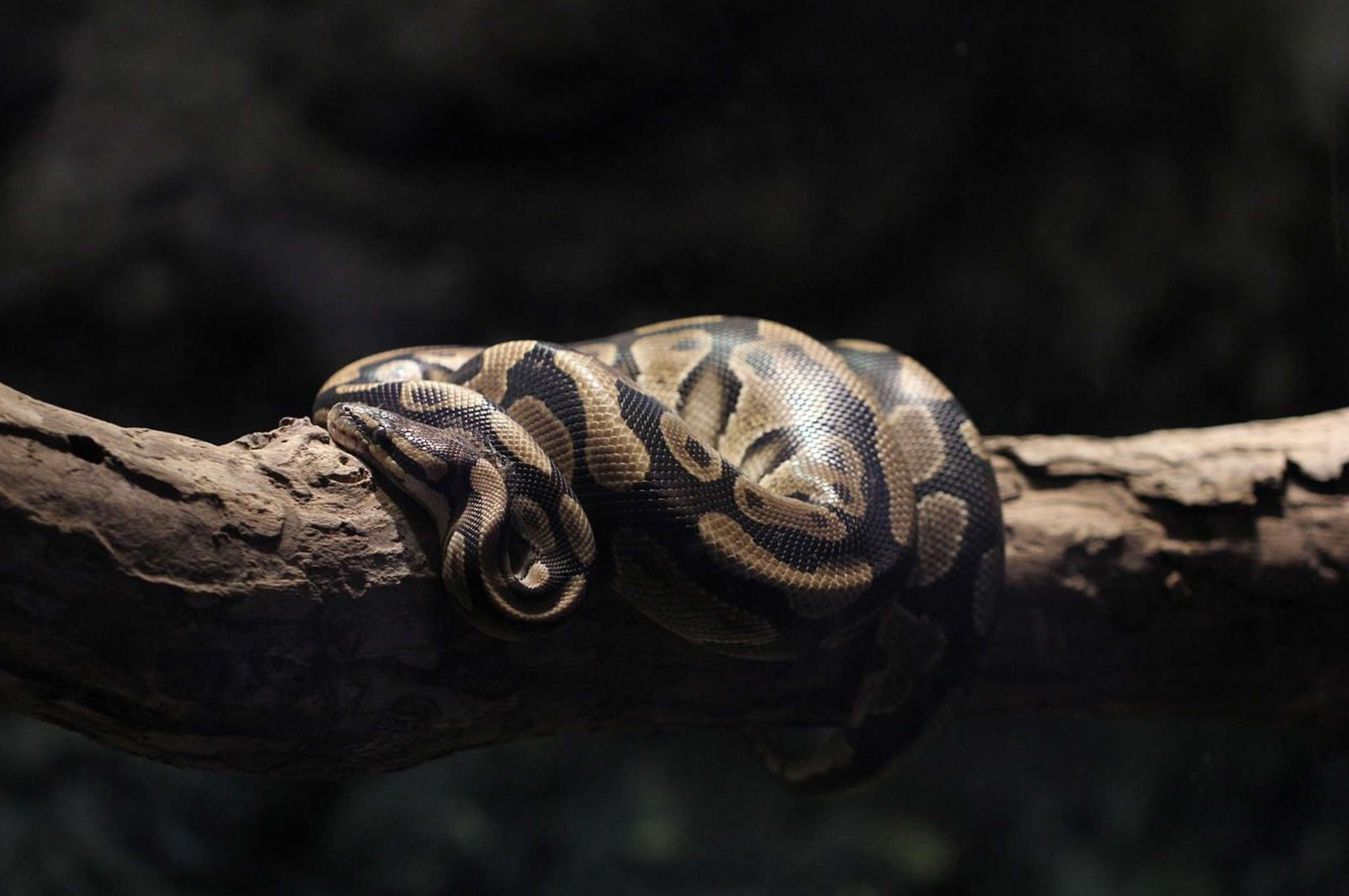
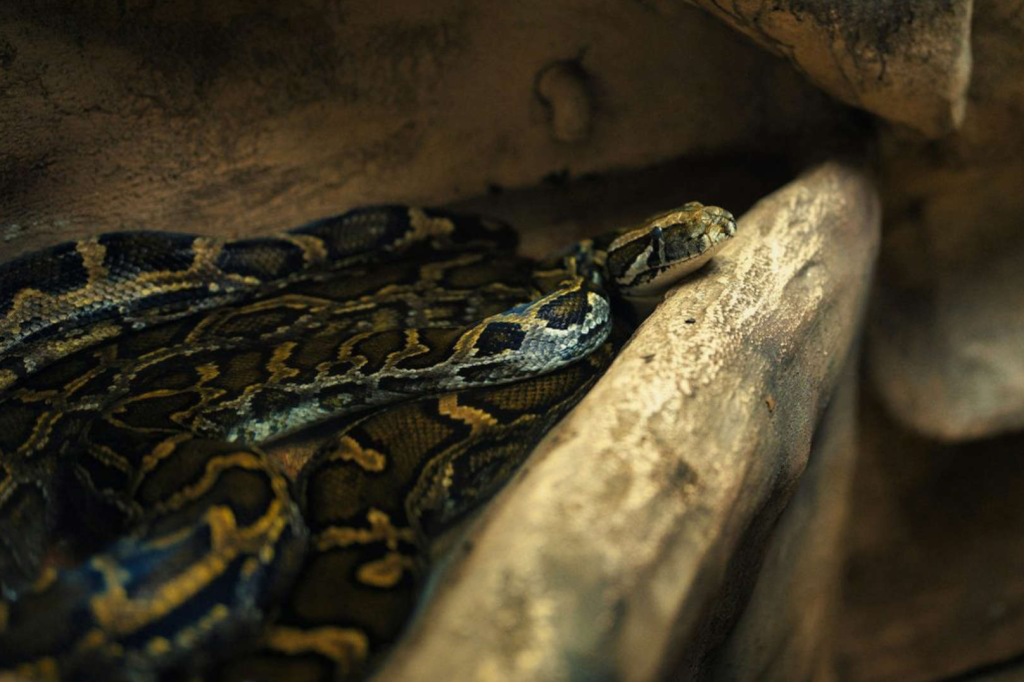
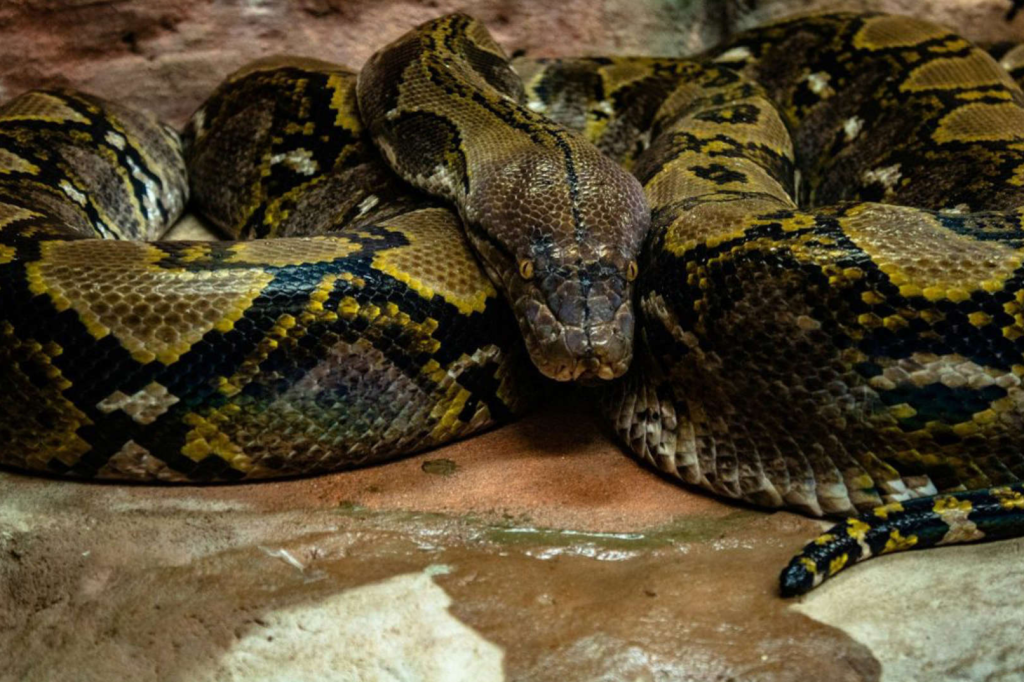
    The Everglades is facing a serious problem from one of the largest snakes in the world. The Burmese python, which can reach 5 meters or more, has spread across South Florida and is now one of the biggest threats to native wildlife. These snakes are not from the United States, but they have adapted so well that experts say they are now deeply rooted in the ecosystem.

    The giant snake in the Everglades is changing how the wetlands work. It hunts many native animals and keeps expanding into new areas where it was not seen before. This article explains how it arrived, why it keeps spreading, and why stopping it has become so difficult.

    How the Burmese python arrived in Florida

    Photo by Jadon Barnes on Unsplash

    The Burmese python is native to parts of Southeast Asia, including Myanmar, Thailand, and nearby countries. It was brought to the United States through the exotic pet trade, where people bought them as unusual pets. Over time, some were released by owners or escaped, and they began surviving in Florida’s warm climate.

    South Florida gave the snakes a place where they could live year-round without freezing. The Everglades had water, food, and hiding spots that matched the conditions of their native home. By the time officials understood the scale of the problem, the snakes had already started breeding in the wild.

    Why the Everglades is ideal for giant snakes

    Photo by Richard Sagredo on Unsplash

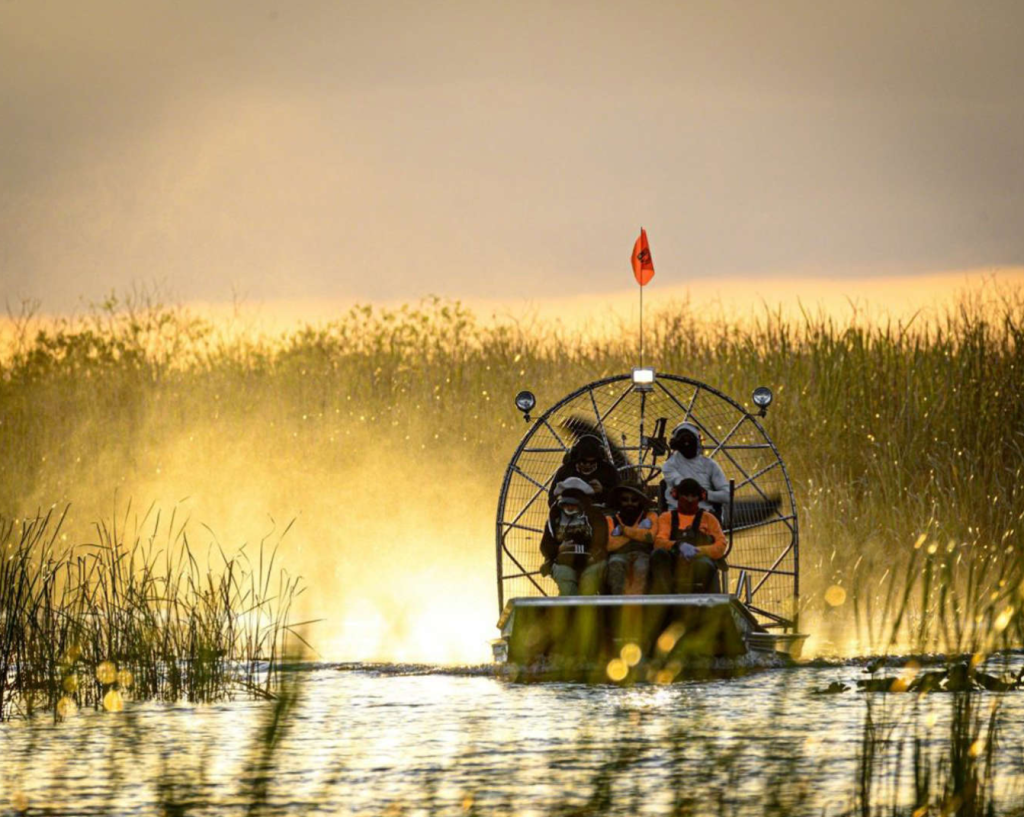
    The Everglades covers a huge area of wetlands, marshes, and forests across southern Florida. Its remote swamps make it hard for people to reach many places on foot or by boat. That gives pythons many hidden places where they can hunt and reproduce without being noticed.

    These snakes are excellent swimmers and can travel through canals and flooded grass with ease. Their skin pattern also helps them blend into muddy water and tall grass. Even trained wildlife teams can pass close to a python and never see it.

    How large can the snakes really grow

    Photo by Joshua J. Cotten on Unsplash

    A 5-meter python is around 16 feet long, which is already large enough to overpower many wild animals. Some of the biggest Burmese pythons found in Florida have reached more than 18 feet in length. Several captured snakes have also weighed over 200 pounds.

    Female pythons are usually larger than males, which makes them even more dangerous to native species. A larger snake can eat bigger prey and store more energy for breeding. Their size also means very few predators in Florida can kill a full-grown python.

    Why does their population keep growing

    Photo by rahmad alfion on Unsplash

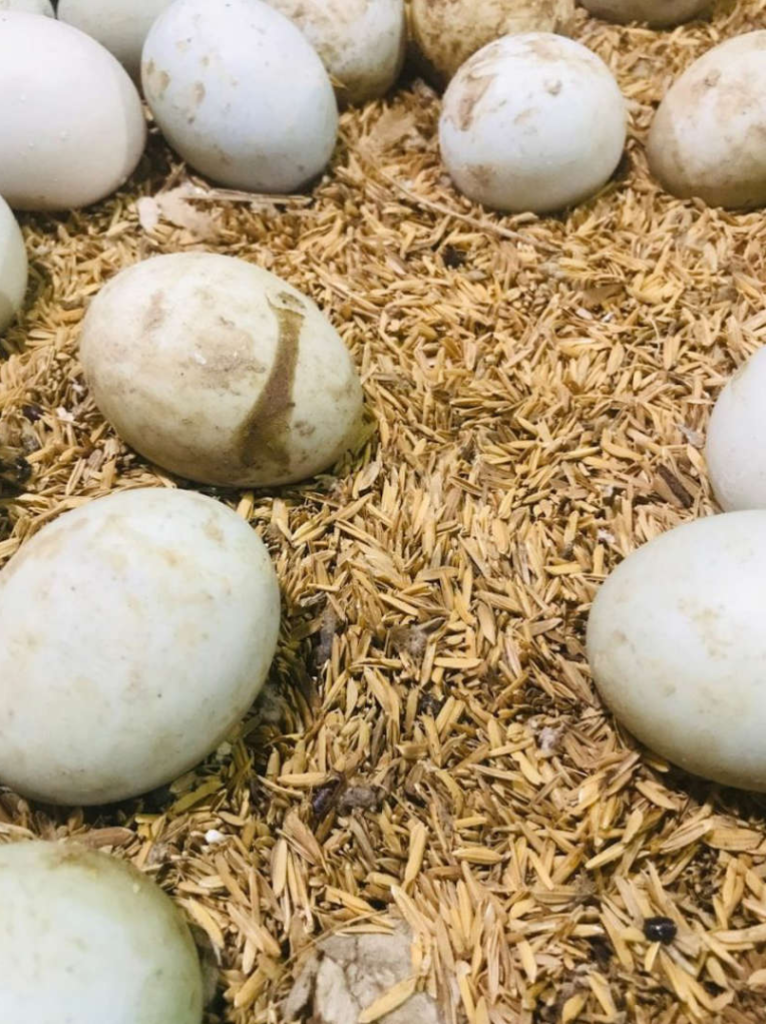
    A single female Burmese python can lay dozens of eggs in one nesting season. Scientists have found some females carrying close to 100 eggs at once. That allows the species to grow fast, even when many snakes are removed by hunters.

    Florida’s warm weather helps the eggs survive and hatch successfully. There is no harsh winter in South Florida to naturally limit their spread. Because of that, the snakes can keep reproducing almost without interruption.

    How are they hurting native wildlife?

    Photo by Fr0ggy5/Unsplash

    Burmese pythons eat many animals that are native to the Everglades. Studies have found rabbits, raccoons, birds, deer, and even young alligators inside them. This wide diet allows them to affect many parts of the food chain.

    Scientists have seen major drops in mammal populations in areas where pythons are common. Some small mammals are now rarely seen in places where they were once abundant. The python’s spread is changing the balance of the whole ecosystem.

    Why is stopping them so hard

    Photo by Taylor Daugherty on Unsplash

    Florida has organized python removal efforts for years, including public hunts and trained capture teams. Thousands of snakes have been removed from the wild, but many more remain hidden. Experts say the snakes are so spread out that complete removal may no longer be possible.

    Researchers now use radio transmitters and DNA testing in water to track python movement. These tools help locate breeding areas that are hard to search. Even with new technology, the Everglades is so large that many snakes remain out of reach.

  • The world’s largest wildlife crossing is set to open in California in 2026

    The world’s largest wildlife crossing is set to open in California in 2026

    The world’s largest wildlife crossing is being built in Southern California to help animals cross one of the busiest roads in the United States. The project is called the Wallis Annenberg Wildlife Crossing, and it stretches over the U.S. Route 101 near Agoura Hills. It is expected to open in late 2026 and will connect land that has been separated by traffic for decades.

    Many wild animals in the area have struggled because the freeway cuts through their habitat. They often risk their lives trying to cross the road to find food, water, or mates. This bridge is designed to solve that problem and help nature recover in one of California’s fastest-growing regions.

    Why did California build the crossing

    Photo by Ildan Suleimanov on Unsplash

    The 101 freeway created a major barrier for animals in the Santa Monica Mountains. Species like mountain lions, deer, and coyotes had to cross busy lanes where many were hit by cars. Scientists said the road was separating wildlife populations and putting some species at risk.

    Mountain lions became one of the biggest concerns. Researchers found the local population was becoming isolated because the highway blocked natural movement. That raised concerns about inbreeding, which can weaken future generations and reduce survival.

    How large is the bridge really

    Photo by Indira Tjokorda on Unsplash

    The crossing is the largest wildlife bridge ever built anywhere in the world. It measures about 210 feet long and roughly 174 feet wide, making it much wider than most overpasses made for animals. Its broad design allows it to look like natural land instead of a simple bridge.

    The structure uses massive concrete supports over ten lanes of freeway traffic. Once the framework was complete, crews began covering it with soil and native plants. The finished top will look like an open hillside, so animals feel safe using it.

    How the crossing will help animals

    Photo by Ben Mater on Unsplash

    The bridge is meant to serve many species living in Southern California. That includes mountain lions, bobcats, mule deer, coyotes, reptiles, birds, and even insects. It will reconnect habitats that were split by road construction many years ago.

    The project team collected seeds from local plants to restore native habitat on the bridge. Thousands of shrubs and grasses are being planted across the structure. This creates food, shade, and shelter that match the nearby mountains.

    Why did construction take so long?

    Photo by Maarten van den Heuvel on Unsplash

    Planning for the crossing began years before construction started. Experts studied wildlife movement and identified Liberty Canyon as the best location. The actual building process started in 2022 after permits and funding were secured.

    Construction moved slowly because workers had to build above one of the busiest highways in the country. Weather delays also affected progress during storms and extreme heat. The project cost grew as labor and materials became more expensive.

    Why this project matters worldwide

    Photo by Julian Guttzeit on Unsplash

    Wildlife crossings exist in other countries, but this one stands out because of its size and location. It is being built in a major urban region with heavy traffic and large animal populations nearby. Scientists believe it could become the most important model for future wildlife crossings.

    More than 300,000 vehicles use this stretch of highway every day. That makes the crossing a major test of how wildlife can safely move through developed areas. If successful, similar bridges may be built in other crowded regions.

    What happens after it opens

    Photo by viktor rejent on Unsplash

    The crossing is expected to open in late 2026 once all habitat work is complete. After that, wildlife will be able to move over the freeway through the restored corridor. Motion cameras will monitor how animals use the bridge.

    Researchers will track which species cross and how often. That information will help scientists measure whether isolated populations begin mixing again. It may take several years before the full impact is known.

    What does it mean for the future?

    Photo by John Lloyd on Unsplash

    The Wallis Annenberg Wildlife Crossing shows how cities can repair damage caused by highways. Instead of blocking migration paths, roads can be redesigned to support both people and wildlife. This project could change how future highways are planned across North America.

    The bridge is more than a construction project. It is a long-term effort to protect wildlife in one of the most developed parts of California. Its success may inspire many similar projects around the world.

  • A bear attack in Russia leaves two workers dead as others watch in horror

    A bear attack in Russia leaves two workers dead as others watch in horror

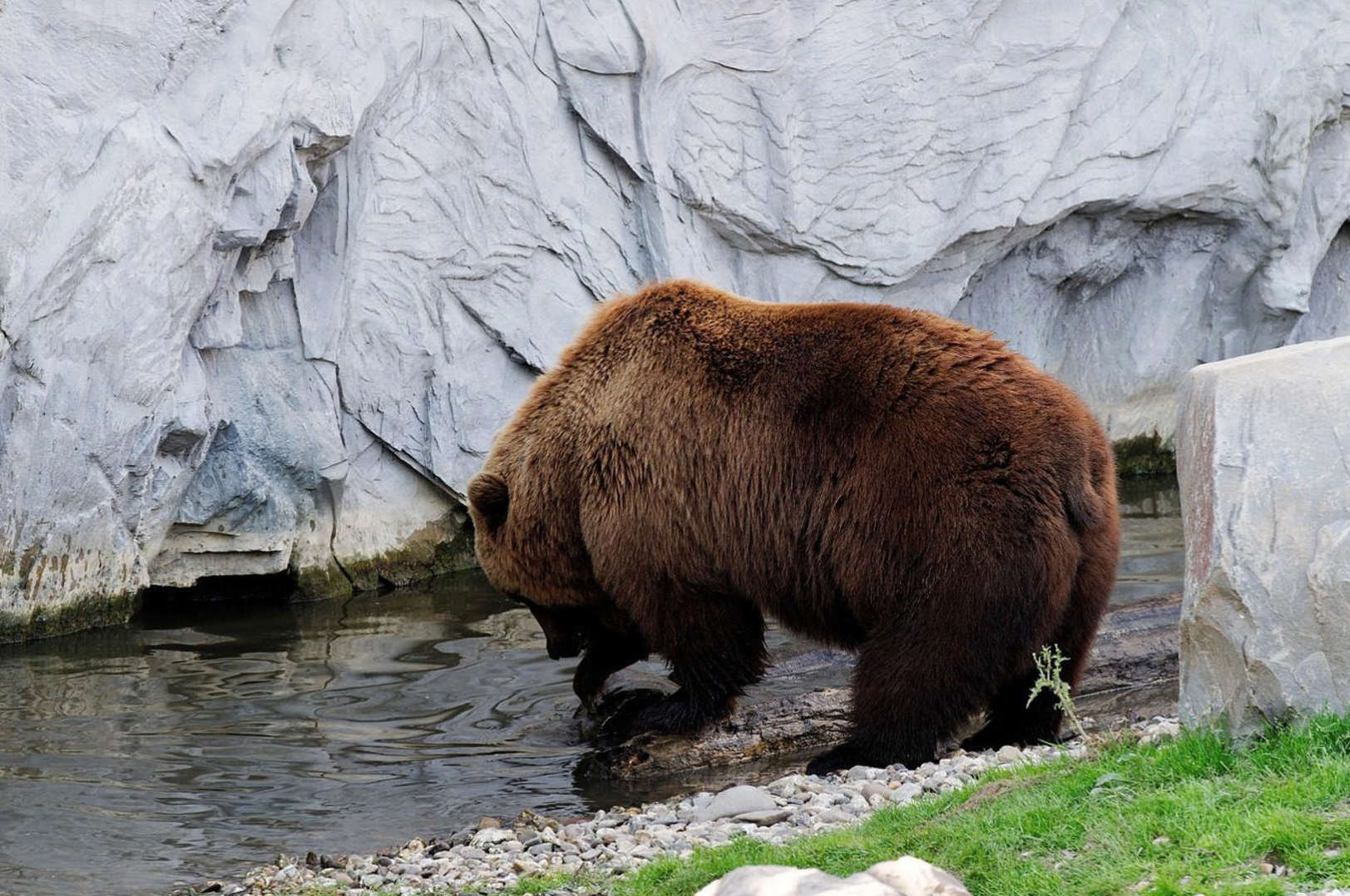
    A bear attack in Russia shocked many people after reports said two workers were killed while others nearby watched in fear. The incident happened in a remote part of Russia, where workers were living and working close to a wild bear habitat. Events like this remind people that large predators can become dangerous when food is scarce, and human activity moves deeper into wilderness areas.

    This article explains what happened, why the attack took place, and what experts say caused the deadly encounter. It also looks at why bear attacks in Russia’s eastern regions happen from time to time and what workers in remote camps are told to do for safety. Understanding the facts can help explain how a normal workday became a deadly tragedy.

    What happened during the attack

    Photo by Imat Bagja Gumilar on Unsplash

    The deadly attack happened in Russia’s far eastern region, an area known for thick forests and a large brown bear population. Reports said workers were near an isolated work site when the bear came into the area and attacked. The scene unfolded quickly, leaving little time for the men to escape.

    Witnesses reportedly saw the attack but were unable to safely help because the animal remained nearby. In many bear attacks, a large brown bear can charge in seconds, making it nearly impossible for unarmed people to intervene. Emergency crews later confirmed two deaths.

    Why do bears enter the work area

    Photo by ambquinn on Pixabay

    Experts have often linked bear attacks in eastern Russia to food shortages in the wild. In several past cases, salmon numbers dropped in rivers, which removed one of the bears’ most important food sources. Hungry animals then moved closer to human camps, towns, and industrial sites.

    Poaching and environmental changes have also made this problem worse in some regions. When bears cannot find fish, berries, or nuts, they may search for garbage or livestock and sometimes approach people. That increases the chance of sudden attacks.

    Why could the workers not escape

    Photo by Dragon_XXC on Pixabay

    Remote work camps in Russia often sit far from cities, surrounded by forest and mountains. If a wild bear enters the area, workers may have no quick shelter nearby unless they are already inside buildings or vehicles. A charging brown bear can move much faster than a person can run.

    In this case, reports suggested the workers were caught in an exposed area. Others nearby watched but stayed back because getting close would likely have caused more deaths. Wildlife experts say even trained responders usually need firearms or vehicles to stop an active bear attack.

    Russia’s far east has seen similar attacks

    Photo by Natalia_Kollegova on Pixabay

    Russia’s eastern wilderness has recorded several serious bear attacks over the years. One well-known case happened in Kamchatka, where a group of bears killed two security guards at a remote mining site and frightened hundreds of workers who then refused to return outside.

    Sakhalin and nearby islands have also reported attacks in villages, on roads, and in work camps. Officials there have sometimes ordered hunters to remove aggressive bears when repeated encounters put people at risk.

    Why brown bears can become deadly

    Photo by veverkolog on Pixabay

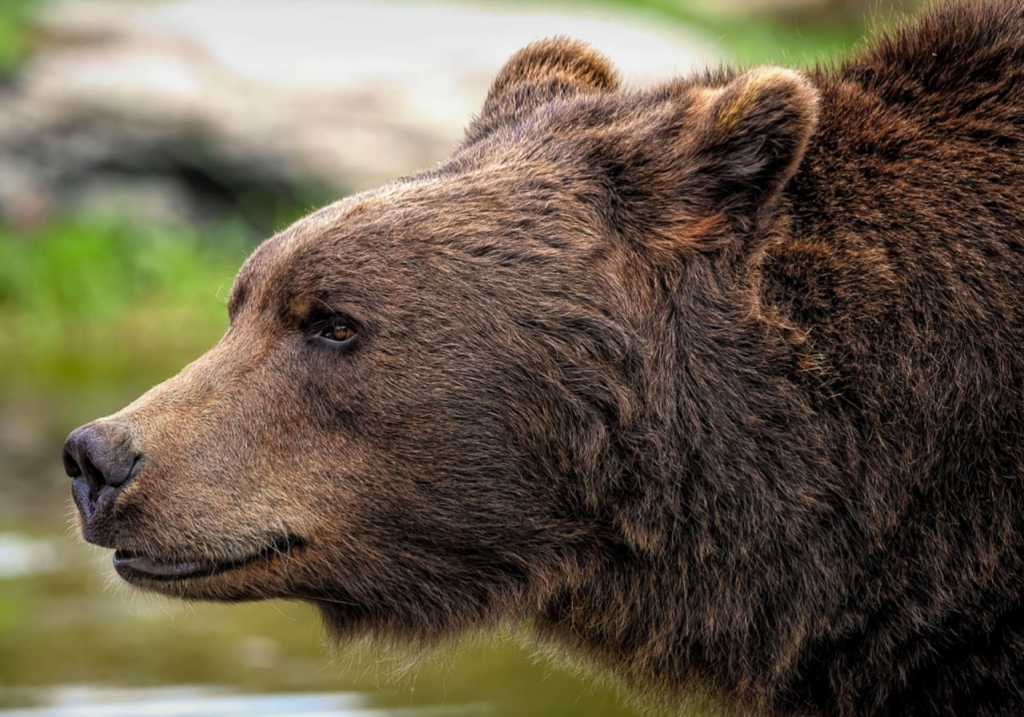
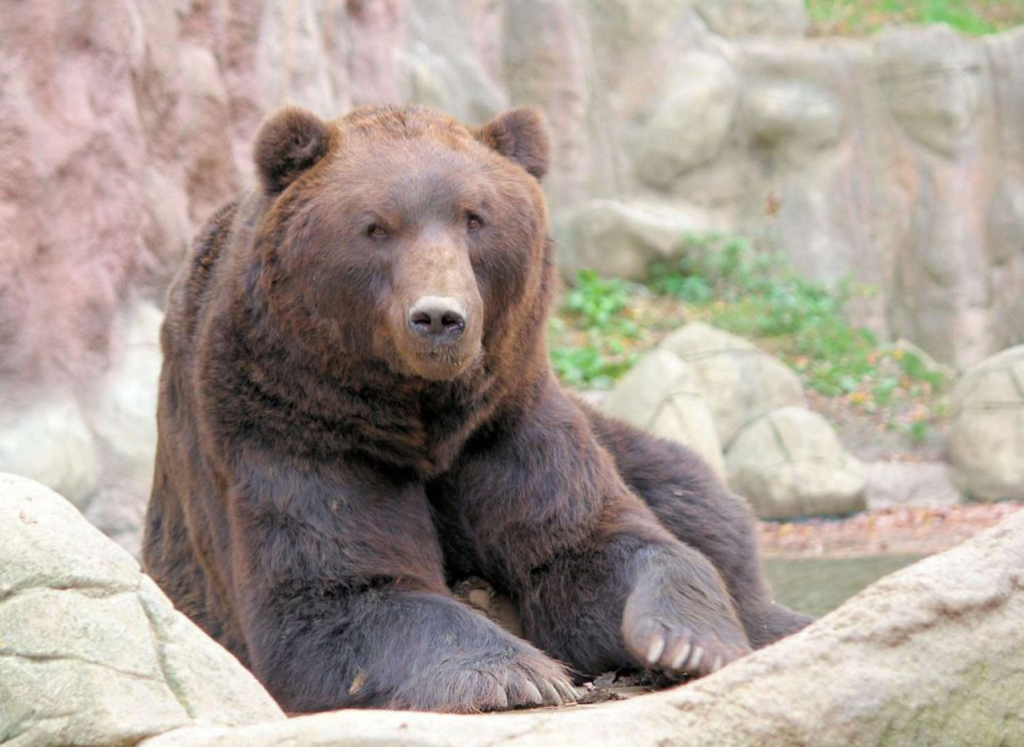
    Kamchatka brown bears are among the largest bears in Eurasia. Adult males can stand very tall and weigh hundreds of pounds, giving them immense strength during an attack. A single strike can seriously injure a person.

    Most brown bears avoid people, but attacks happen when they are surprised, protecting cubs, or searching for food. Hungry bears may lose their natural fear of humans and begin entering camps, roads, and settlements. That change often leads to the most dangerous encounters.

    What officials do after such attacks

    Photo by gabeincognito0 on Pixabay

    After fatal attacks, local authorities usually send hunters or emergency teams to find the animal. In remote regions, helicopters may also be used, though weather can delay response for many hours. That can leave workers trapped until the area is secured.

    Officials also review whether food waste, fishing problems, or camp placement may have drawn the bear. In some cases, experts say preventing future attacks means protecting natural food sources rather than only removing individual animals.

  • Animals known for unprovoked attacks on humans

    Animals known for unprovoked attacks on humans

    Animals known for unprovoked attacks on humans are often misunderstood because most wild animals do not actually want contact with people. When attacks happen, they can feel sudden and confusing, especially when there is no clear reason, like feeding or defense. However, in many real cases, these incidents are linked to territory protection, surprise encounters, or simple mistakes in identifying humans as threats or prey.

    This article explains some of the most well-known animals linked to these rare but serious situations. It also breaks down why these animals behave the way they do and what makes certain environments more risky for people. By the end, you will understand how these attacks happen and which animals are most often involved.

    Nile crocodile attacks and natural hunting behavior

    Photo by Limboko on Pixabay

    The Nile crocodile is one of the most feared animals in Africa because it is strongly linked with sudden attacks on humans near rivers and lakes. These reptiles spend most of their time in water and often stay completely still, waiting for prey to come close. Many attacks happen when people are fishing, washing clothes, or collecting water without noticing the crocodile nearby. The animal then strikes quickly from the water with very little warning, which makes escape extremely difficult.

    In many cases, Nile crocodiles do not attack out of defense but instead behave like active hunters when humans enter their territory. They are strong enough to pull large animals into the water and can hold their breath for long periods while waiting underwater. In rural areas where people depend on natural water sources, encounters are more common and more dangerous. Their ability to blend into the environment and strike suddenly is what makes them one of the most dangerous reptiles for humans.

    Saltwater crocodile encounters in coastal waters

    Photo by Storme22k on Pixabay

    Saltwater crocodiles are even larger than Nile crocodiles and are known for living in both freshwater and saltwater areas, including coastal regions. This wide range means humans can encounter them in rivers, mangroves, and even on beaches in some regions. Attacks often occur when people swim, boat, or walk near the water without realizing a crocodile is close by. The animal can move silently and attack with extreme speed, giving little time for reaction.

    These crocodiles are powerful predators that do not rely on a single type of prey and will take advantage of whatever is available. In some cases, humans become targets simply because they enter the crocodile’s hunting zone. Their size allows them to overpower almost any animal in the water, and their bite force is among the strongest in the animal kingdom. Because of this, saltwater crocodiles are considered one of the most dangerous animals in coastal environments where people and wildlife overlap.

    Hippos and aggressive territorial defense

    Photo by josibo on Pixabay

    The hippopotamus may appear slow and calm, but it is one of the most aggressive large animals in Africa. Many attacks on humans happen in or near rivers where hippos live in groups and protect their space strongly. People may accidentally come between a hippo and the water, which can trigger a sudden and powerful charge. Even though hippos are herbivores, they are extremely territorial and do not tolerate intrusions.

    When a hippo charges, it can move faster than most humans expect, both on land and in water. Their large jaws can cause severe injuries with a single bite, and boats or small objects can be easily destroyed. Many incidents happen at night or in low visibility conditions when people do not see the animal in time. Because hippos often stay underwater with only their eyes visible, they can be difficult to detect, making river travel in some regions very risky.

    Sharks and underwater surprise encounters

    Photo by Gerald Schömbs/Unsplash

    Sharks are often associated with ocean attacks, although such events are relatively rare compared to other animal incidents. When they do occur, they usually happen in areas where humans are swimming, surfing, or diving in open water. In many cases, sharks may mistake a person for a natural prey animal like a seal due to movement patterns in the water. This confusion can lead to a sudden bite before the shark realizes the mistake.

    Certain species, including great white sharks, tiger sharks, and bull sharks, are more commonly linked to these encounters. Sharks rely heavily on sensing movement and vibrations, which makes them highly effective hunters but also increases the chance of accidental interactions with humans. While most shark bites are not repeated attacks, the initial strike can still be serious or life-threatening. Because of this unpredictability, shark encounters are often considered unprovoked even when the animal is not intentionally targeting humans.

    Tigers and rare human hunting behavior

    Photo by Hoyoun Lee/Unsplash

    Tigers are powerful big cats that usually avoid humans, but in rare situations, they have been known to attack people without clear provocation. These incidents often happen in areas where forests are close to human settlements, especially in parts of Asia. When natural prey is scarce or when a tiger is injured or old, it may take more risky opportunities to find food. In these cases, humans can become targets simply because they are easier to catch than wild animals.

    Tigers are stealth hunters that rely on surprise, strength, and speed to capture prey. They move quietly through dense vegetation and can strike from very close range without warning. Human encounters are rare but often serious because of the tiger’s size and power. As people continue to expand into forest areas, the chances of rare interactions between humans and tigers increase in some regions.

    Leopards and stealth attacks near villages

    Photo by ejakob on Pixabay

    Leopards are highly adaptable predators that often live near human settlements, especially in rural parts of Africa and Asia. Unlike larger cats, they are skilled at hiding in trees, grass, and rocky areas, which allows them to move close to villages without being seen. In rare situations, they may enter human spaces while searching for food or livestock. When this happens, sudden attacks can occur without clear warning.

    Leopards are strong climbers and extremely fast, which makes them difficult to detect or escape from in close encounters. They are also opportunistic hunters, meaning they take advantage of available food sources when natural prey is limited. Although most leopards avoid humans, conflicts increase when habitats shrink or overlap with villages. These conditions can lead to unpredictable encounters where attacks seem unprovoked from a human perspective.

  • According to experts, this US national park is among the most snake-populated

    According to experts, this US national park is among the most snake-populated

    When people search for the most snake-populated national park in the United States, one name comes up again and again: Everglades National Park in Florida. This vast wetland is often described by experts as the most snake-heavy ecosystem in any U.S. national park, mainly because of its warm climate and hidden swamp habitats. The biggest concern is the presence of invasive Burmese pythons, which have spread widely and changed the natural balance of wildlife.

    In this article, you will learn why Everglades National Park is considered one of the most snake-populated places, how these snakes arrived, and what makes the environment perfect for them to thrive. You will also understand how these snakes affect animals, people, and conservation efforts across the region.

    Why does Everglades National Park have so many snakes

    Photo by Jensine Odom on Unsplash

    Everglades National Park is a massive wetland system filled with marshes, slow-moving water, and thick vegetation. This creates the perfect environment for snakes to hide, hunt, and reproduce without much disturbance. The warm and humid climate also allows snakes to stay active throughout the year, unlike colder regions where they must hibernate. Scientists have confirmed that the park supports more than 50 reptile species, including many native snakes that naturally belong to the ecosystem.

    What makes this area especially unique is its layered water system, where snakes can move easily between land and water. Prey animals such as fish, birds, frogs, and small mammals are also abundant, giving snakes a steady food supply. Because of these conditions, Everglades National Park is considered one of the richest reptile habitats in North America. It is not just the number of snakes, but the variety of species that makes it stand out among all U.S. national parks.

    The role of Burmese pythons in the ecosystem

    Photo by DavidClode on Pixabay

    The most important reason Everglades National Park is often called snake-heavy is the presence of Burmese pythons. These snakes are not native to the United States and were introduced through the exotic pet trade. Experts believe that escaped or released pets from the late 20th century eventually formed a breeding population in southern Florida. Over time, they spread into the Everglades and established themselves as a permanent invasive species.

    According to wildlife studies, Burmese pythons are large constrictor snakes that can grow over 16 feet long in Florida conditions. They are powerful predators that eat a wide range of animals, including raccoons, rabbits, birds, and even alligators in some cases. Research has shown that their presence is linked to major declines in native mammal populations within the park. Because they have no natural predators in the Everglades, their population has expanded significantly, making them one of the most influential snakes in the entire ecosystem.

    Why experts call it a snake population hotspot

    Photo by Sonyuser on Pixabay

    Scientists often describe Everglades National Park as a snake population hotspot because of how easily snakes survive and reproduce there. The combination of dense wetlands, stable temperatures, and abundant food sources creates ideal breeding conditions. Native snake species have always been part of the ecosystem, but the arrival of invasive species like Burmese pythons has increased overall snake density in certain areas.

    Another major factor is how difficult it is to spot snakes in the wild. Many of them stay hidden in tall grass, underwater, or inside burrows during the day. Even researchers who spend hours searching the Everglades often fail to find large numbers of snakes. This hidden nature makes population estimates challenging, but studies suggest that the number of Burmese pythons alone could be in the tens of thousands across southern Florida. This combination of native and invasive snakes is what leads experts to rank the park among the most snake-populated in the country.

    Impact on native wildlife and ecosystem balance

    Photo by Fr0ggy5/Unsplash

    The rise of snake populations, especially Burmese pythons, has had a serious impact on the Everglades ecosystem. Many native mammals that once thrived in the area have experienced sharp declines. Animals like raccoons, opossums, and rabbits have become much less common in some regions of the park. This change is directly linked to the predatory behavior of large invasive snakes that feed on a wide range of wildlife.

    The disappearance of small and mid-sized mammals has also affected the food chain. Predators that depend on these animals for survival are now struggling to find enough food. This creates an imbalance in the ecosystem that spreads across multiple species. Scientists continue to study how long-term changes caused by snake populations may reshape the Everglades in the future. The concern is not just about snakes, but about the entire natural system being disrupted.

    Human efforts to manage snake populations

    Photo by Joshua J. Cotten on Unsplash

    Managing snake populations in Everglades National Park is extremely difficult due to the environment and the behavior of the snakes themselves. Burmese pythons are very hard to track because they blend into the swamp and avoid human contact. As a result, wildlife officials rely on special programs and trained hunters to locate and remove them. These efforts have been ongoing for many years, but have not fully solved the problem.

    Florida wildlife agencies also organize public python removal programs and competitions to encourage participation. Thousands of snakes have been removed over time, but experts believe many more remain hidden in remote parts of the Everglades. The park also focuses on education, warning people not to release exotic pets into the wild. This prevention strategy is important because once invasive snakes establish themselves, they are extremely difficult to eliminate completely.

    Why the Everglades remains a unique snake environment

    Photo by Mauro Lima/Unsplash

    Even with management efforts, Everglades National Park remains one of the most unique snake environments in the United States. Its mix of native reptiles and invasive species creates a rare and complex wildlife system. Unlike many other national parks, snakes here are not just part of the ecosystem; they are a major force shaping it.

    The park’s environment continues to support large snake populations because conditions remain ideal for survival. Warm temperatures, water-rich habitats, and abundant prey allow both native and invasive snakes to thrive. While this makes the Everglades ecologically rich, it also presents ongoing challenges for conservation. Experts agree that the park will likely remain a major focus of snake research and wildlife management for many years.

  • 6 dog breeds that often surprise new owners for the wrong reasons

    6 dog breeds that often surprise new owners for the wrong reasons

    Bringing home a dog feels exciting, especially when a breed looks cute, friendly, or easy to manage. Many new owners choose based on looks, size, or what they saw in movies and social media, but some dogs come with habits that can catch people off guard. Certain breeds need much more training, exercise, and patience than people expect.

    Some dog breeds that surprise new owners do so because they are far more active, stubborn, loud, or demanding than they seem. A dog can be loving and still be hard to raise if its natural instincts are strong. This article covers six breeds that often surprise first-time owners and explains why they can become challenging without the right preparation.

    Border collie

    Photo by Ray_Shrewsberry on Pixabay

    Border Collie is often called one of the smartest dog breeds in the world, but that intelligence can be overwhelming. New owners may think a smart dog will be easier, but this breed needs constant work to stay happy. Without tasks, games, or training, it may herd children, chase moving objects, or create its own entertainment.

    The surprise comes from how much daily involvement they need. Many require one to two hours of exercise plus mental challenges, not just a backyard. Families who expected a playful pet often realize they brought home a working dog that wants a full-time job.

    Beagle

    Photo by Alexas_Fotos on Pixabay

    Beagles seem like a simple family dog because of their size and friendly faces. Many new owners are surprised by how driven beagles are when they pick up a scent. Once their nose catches something, they may ignore commands and follow the smell without stopping.

    Their voice is another surprise. Beagles were bred as hunting dogs, and they often bark, howl, or bay loudly when excited. That sound can become stressful in apartments or quiet neighborhoods, especially for owners who expected a small and easy pet.

    Dalmatian

    Photo by SonjaLindberg on Pixabay

    Dalmatians are famous because of movies, but real life is very different. Many first-time owners pick them because they are striking and elegant, then learn these dogs are powerful, athletic, and highly active. They were bred to run beside horse-drawn carriages, so they naturally need lots of movement.

    Dalmatians can also be reserved around strangers and may become protective of their home. If training and socialization start late, owners may face jumping, pulling, or guarding behaviors. That combination surprises many families who thought they were getting a calm spotted companion.

    Jack Russell Terrier

    Photo by Ri_Ya on Pixabay

    Jack Russell Terrier is small, but size can be misleading. Many new owners assume a small dog will be easier, but this breed has enormous energy and a strong hunting instinct. Jack Russells were bred to chase foxes, so they often dig, dart, and chase anything that moves.

    They are also very determined and often test boundaries. If they are not trained early, they can become noisy and destructive indoors. The biggest surprise for many people is how a small dog can require as much effort as a much larger one.

    German shepherd

    Photo by Hans_Kemperman on Pixabay

    German Shepherds are loyal and highly trainable, but many new owners underestimate the work involved. These dogs are deeply attached to their family and often need strong leadership. Without steady training, they may become anxious, overprotective, or too suspicious around strangers.

    Their intelligence means they learn fast, but they also notice inconsistency. A new owner who skips training or socialization may end up with a strong dog that makes its own rules. That can become difficult because German shepherds are large, powerful, and quick to react.

    Australian shepherd

    Photo by Couleur on Pixabay

    Australian Shepherd attracts people because of its bright eyes and fluffy coat. Many assume it will be a relaxed family dog, but it is another herding breed with intense mental and physical needs. It may nip at heels, chase children, or become restless when it lacks activity.

    This breed often surprises owners because of how quickly boredom shows up. Even long walks may not satisfy them if there is no training or problem-solving. People who expected a pretty companion often discover they brought home a dog that thrives on constant work and stimulation.

  • 6 snakes you never want to find in your yard

    6 snakes you never want to find in your yard

    A snake in the yard can be harmless, but some are not. In the United States, only a small number of native snakes are medically dangerous to people, yet those are the ones homeowners worry about most. The main risk is not that snakes “hunt” humans, but that someone steps too close, reaches into the brush, or surprises one hiding under debris.

    The phrase snakes you never want to find in your yard usually means species that can deliver a serious venomous bite, especially around homes where kids and pets play. Most snakes avoid people and strike only when cornered, but a hidden snake in grass, wood piles, or flower beds can lead to a dangerous surprise. This guide covers six snakes in the U.S. that deserve extra caution and what makes each one a concern.

    Eastern copperhead

    “Eastern Copperhead (Agkistrodon contortrix)” by 2ndPeter is licensed under CC BY 2.0

    The copperhead is one of the most common venomous snakes found near homes in the eastern United States. It often hides in leaf piles, under boards, and near rock edges, which makes suburban yards a common place for accidental encounters.

    Its body has dark hourglass-shaped bands, and that pattern helps it blend almost perfectly into dry leaves. Because it stays still when frightened instead of fleeing, many bites happen when someone steps on it without seeing it first.

    Eastern diamondback rattlesnake

    Photo by Michael Jerrard on Unsplash

    The eastern diamondback is the largest venomous snake in North America. It lives mostly in the southeastern U.S. and can sometimes move through large rural yards, wooded lots, and overgrown property edges.

    Its thick body and loud rattle make it easy to notice when it warns you, but that warning does not happen every time. Experts note that rattlesnakes may strike without rattling first, especially when startled at close range.

    Timber rattlesnake

    Photo by Dan LeFebvre on Unsplash

    The timber rattlesnake lives in forests, rocky hills, and wooded neighborhoods across much of the eastern U.S. A yard that backs onto woods or stone walls can become part of its travel path, especially during warm months.

    This species often lies quietly in sunlit spots like stone borders, old logs, or the edge of a shed. It can stay motionless for a long time, which means people may not notice it until they are only a few feet away.

    Cottonmouth

    Photo by Michael Jerrard on Unsplash

    The cottonmouth, also called the water moccasin, is a heavy-bodied venomous snake found mainly in the Southeast. It is strongly tied to ponds, drainage ditches, creeks, and marshy backyard areas, so homes near water see them more often.

    When threatened, it may open its mouth to show the bright white inside, which gives it the name cottonmouth. People often confuse harmless water snakes with cottonmouths, so the safest rule is to keep a distance from any thick snake near water.

    Coral snake

    Photo by Larisa Steele on Unsplash

    The coral snake looks very different from pit vipers because it has bright red, yellow, and black bands. It usually stays hidden in loose soil, mulch, and leaf litter, which means it may be in a yard without being noticed.

    It is less commonly seen than many other venomous snakes, but its venom affects the nervous system. Bites are uncommon because coral snakes are shy, yet they still require immediate medical care.

    Western diamondback rattlesnake

    Photo by Duncan Sanchez on Unsplash

    The western diamondback is common in parts of Texas, Arizona, New Mexico, and nearby states. It often enters yards in dry regions where rock landscaping, brush piles, and rodent activity create shelter and food.

    This species is strong, defensive, and known for standing its ground when disturbed. It may coil near patios, garages, and under outdoor equipment, especially in places where mice are present.

    Pygmy rattlesnake

    Photo by Jensine Odom on Unsplash

    The pygmy rattlesnake is much smaller than most rattlesnakes, but it can still deliver a venomous bite. Its small size makes it especially easy to miss in grass, garden beds, and around low shrubs.

    Many people do not hear its rattle because it is tiny and soft compared with larger rattlesnakes. That makes it one of the easier dangerous snakes to overlook while doing yard work.