Blog

  • 6 simple expert-approved ways to stop moles from damaging your yard

    6 simple expert-approved ways to stop moles from damaging your yard

    Moles can quickly turn a smooth, healthy lawn into a messy patch of raised tunnels and dirt mounds. If you are dealing with mole damage in your yard, you are not alone, and the good news is that there are proven ways to control it. In this guide on 6 simple expert-approved ways to stop moles from damaging your yard, you will learn practical, safe, and effective methods that real lawn experts recommend.

    These strategies focus on reducing mole activity, protecting your grass roots, and making your yard less attractive to digging. By the end, you will understand how to take control of the problem using simple steps that actually work in real life.

    Understand what attracts moles to your yard

    Photo by Joshua J. Cotten on Unsplash

    Moles are not eating your grass. They are searching for food underground, mainly earthworms and soil insects. When your soil is healthy and full of moisture, it becomes an easy feeding ground for them. That is why many lawns with good soil health still experience mole damage. Experts explain that moles can tunnel through large areas very quickly while hunting for food, sometimes covering long distances in a single day.

    One important fact many homeowners miss is that reducing grubs alone will not fully solve the problem. Even if grubs are removed, moles often stay because earthworms are still present. This is why understanding their behavior is the first step in control. Once you know what attracts them, you can focus on changing the environment instead of chasing the tunnels blindly.

    Reduce soil moisture to make your yard less inviting

    Photo by Jane Thomson on Unsplash

    One of the simplest expert-approved strategies is controlling how much you water your lawn. Wet soil makes it easier for moles to dig and also brings more earthworms closer to the surface. This creates the perfect feeding zone for them. Experts recommend watering only when needed instead of following a strict daily schedule.

    Heavy rain or overwatering can increase mole activity almost overnight. When the soil becomes soft, moles move in quickly because tunneling takes less effort. By keeping the soil slightly drier and well-balanced, you make your yard less comfortable for them and reduce how often they return.

    Compact your soil to block easy tunneling

    Photo by Yosuke Ota on Unsplash

    Moles prefer loose soil because it is easy to dig through. One effective method used by lawn care professionals is soil compaction. This means gently pressing down the soil so there are fewer air pockets and less loose space underground. When the soil is tight, it becomes harder for moles to move through it.

    Some experts even use mechanical compactors for larger lawns to improve results. While you do not need heavy machines for a small yard, walking over soft areas or lightly rolling the lawn can help. Over time, compacted soil discourages moles from building new tunnels in those areas.

    Remove active tunnels using proper trapping methods

    “mole trap” by Tim Roth is licensed under CC BY-NC-SA 2.0

    Trapping is widely considered one of the most reliable ways to reduce mole damage when done correctly. The key is not guessing where to place traps, but identifying active tunnels. Experts suggest pressing down a raised tunnel and checking it again the next day. If it is raised again, that tunnel is active and being used.

    Once you find active runs, placing a properly designed mole trap can stop the problem at the source. The most effective traps are placed directly in those active tunnels so the mole passes through them naturally. While this method requires patience and careful placement, it is one of the few solutions that directly removes the mole from your yard instead of just deterring it.

    Limit food sources around your lawn carefully

    Photo by Jared Muller on Unsplash

    Since moles feed mostly on earthworms and soil insects, food availability plays a role in how long they stay in your yard. While you cannot remove earthworms completely because they are important for soil health, you can manage conditions that encourage excessive insect activity. For example, avoiding overwatering and improving drainage can help balance soil conditions.

    Experts also warn that many people believe grub control alone will solve mole problems, but this is not fully accurate. Moles can still stay even without grubs because earthworms remain their main food source. The goal is not to destroy your soil ecosystem, but to avoid creating conditions that attract large amounts of underground prey.

    Use physical barriers for long-term protection

    “On the Fence” by bcmom is licensed under CC BY 2.0

    For long-term protection, physical barriers can be very effective, especially in smaller garden areas. Installing underground mesh or wire barriers can block moles from entering specific sections of your yard. These barriers are usually placed below soil level and act as a physical wall that moles cannot easily dig through.

    This method is often used around flower beds, vegetable gardens, or newly landscaped areas. While it requires effort to install, it provides lasting protection once in place. Experts recommend this approach when mole damage keeps returning in the same spots and other methods have not been enough.

  • Veterinarians warn pet owners to avoid these 5 common cleaning ingredients

    Veterinarians warn pet owners to avoid these 5 common cleaning ingredients

    Veterinarians warn pet owners to avoid these 5 cleaning ingredients because many everyday household products can quietly harm dogs and cats without warning. If you clean your home often, you might not realize that some sprays, wipes, and floor cleaners leave behind residues or fumes that pets can inhale, lick, or absorb through their paws. These exposures can lead to irritation, breathing problems, or even more serious poisoning in some cases.

    In this article, you will learn which cleaning ingredients vets say are the most risky, why they are dangerous for pets, and how exposure usually happens in real homes. You will also learn simple, safer alternatives so you can keep your house clean without putting your pets at risk. The goal is to help you make informed choices and protect your pets every time you clean.

    Why household cleaners can be dangerous for pets

    Photo by Darren Richardson on Unsplash

    Household cleaners are designed to kill germs and break down dirt, but many of them use strong chemicals that are not pet-friendly. Pets are especially vulnerable because they walk on floors, lick their paws, and stay close to surfaces where residues collect. Dogs and cats also have smaller bodies, so even a small amount of chemical exposure can affect them more quickly than it would affect a person.

    Veterinary toxicology sources explain that exposure can happen through inhaling fumes, licking surfaces, or direct skin contact. Some chemicals can irritate the mouth and stomach, while others affect breathing or the nervous system. In severe cases, concentrated exposure can cause burns or serious illness, especially if a pet chews a container or walks through a freshly cleaned area that has not fully dried.

    Bleach and chlorine-based cleaners

    Photo by Linus Belanger on Unsplash

    Bleach is one of the most common cleaning ingredients veterinarians warn about. It usually contains sodium hypochlorite, a strong chemical used for disinfecting surfaces and whitening materials. While it is effective at killing germs, it can also be corrosive and irritating to pets if they are exposed to it directly or through fumes. Even diluted bleach can leave residues that pets may lick off floors or paws.

    Pets exposed to bleach may show signs like drooling, vomiting, coughing, or irritation around the mouth, eyes, or skin. In more serious cases, breathing bleach fumes in a poorly ventilated space can lead to respiratory distress. Veterinarians also warn that concentrated bleach products, such as toilet bowl cleaners or undiluted solutions, can cause chemical burns if a pet comes into contact with them.

    Ammonia-based cleaners

    Photo by PuroClean of Fort Worth on Unsplash

    Ammonia is commonly found in glass cleaners, floor cleaners, and multi-surface sprays. It is used because it cuts through grease and leaves a streak-free shine. However, ammonia fumes can be very irritating to pets, especially cats and dogs with sensitive respiratory systems. It is also important to note that ammonia smells similar to urine to dogs, which may confuse their behavior in the home.

    When pets are exposed to ammonia, they may start coughing, sneezing, or showing watery eyes. In stronger exposures, they can develop breathing difficulty or lethargy. Cats are especially sensitive because they tend to groom their paws and fur, which increases the chance of ingesting residue left behind on floors or furniture after cleaning.

    Phenols found in disinfectants

    Photo by 傅甬 华 on Unsplash

    Phenols are powerful disinfecting chemicals often found in antibacterial cleaners and some household disinfectant sprays. They are effective against bacteria, but veterinarians warn that they can be especially toxic to cats. Cats have difficulty processing phenolic compounds in their bodies, which makes even small exposures risky over time.

    Exposure to phenols can happen when pets walk across freshly cleaned surfaces or breathe in vapors from sprayed disinfectants. Signs of exposure can include drooling, vomiting, weakness, and loss of appetite. In more serious cases, prolonged or repeated exposure may affect internal organs. Because of this, vets often recommend avoiding phenol-based products in homes with cats altogether.

    Formaldehyde in cleaning products

    Photo by Vitaly Gariev on Unsplash

    Formaldehyde is a chemical that can appear in some disinfectants, detergents, and household cleaning sprays. It is used for its strong antimicrobial properties and preservation effects. However, it is also a known irritant and can be harmful when inhaled or absorbed over time.

    In pets, formaldehyde exposure can lead to irritation of the eyes, nose, and throat. It may also cause coughing or general discomfort when fumes are inhaled. In more severe cases or long-term exposure, it can stress the respiratory system. Because pets often stay close to floors and low surfaces where residues settle, they may be exposed more frequently than humans realize.

  • 5 shark species known for the most powerful and destructive bites

    5 shark species known for the most powerful and destructive bites

    Have you ever wondered which ocean predators have the strongest shark bite force in the world? Sharks are already known as some of the most powerful hunters in the sea, but a few species stand out for having truly massive jaws built for crushing, slicing, and grabbing prey with incredible strength. Understanding these sharks helps you see how nature designs perfect underwater hunters. In this article, you will learn about five shark species with the most powerful and destructive bites, how their jaws work, and why their bite strength makes them top predators. You will also discover what makes each species unique in its hunting style and how its bite power helps it survive in the ocean.
    Great white shark and its crushing bite power

    “Great White Shark” by kqedquest is licensed under CC BY-NC

    The great white shark is widely considered the shark with the strongest bite force among all living shark species. Scientists estimate its bite force at around 18,000 newtons, which is strong enough to crush bones and tear through thick marine animals like seals and sea lions. This makes it one of the most dangerous and efficient predators in the ocean.

    What makes this shark so powerful is not just its bite force but also its body size and jaw design. Its sharp, serrated teeth act like knives, while its strong jaw muscles allow it to deliver a sudden, explosive bite. Great whites often use a “bite and release” method, where they take a huge bite and wait for their prey to weaken. This strategy, combined with raw force, makes the great white one of the most feared hunters in the sea.

    Bull shark and its aggressive crushing jaws

    “オオメジロザメ Bull shark” by ume-y is licensed under CC BY 2.0

    The bull shark is another species known for its extremely strong and aggressive bite. Even though it is not as large as the great white, it has one of the most powerful bites relative to its body size, reaching around 1,300 PSI in some studies. This gives it the ability to crush bones and hold onto struggling prey with ease.

    Bull sharks are especially dangerous because they can live in both saltwater and freshwater, meaning they often come closer to human environments than most sharks. Their thick jaws and blunt snout help them deliver forceful bites in murky water where visibility is low. This shark relies on surprise attacks and strong grip strength, making its bite extremely effective for hunting fish, turtles, and even larger animals.

    Tiger shark and its bone-crushing bite

    “Tiger shark” by WIlly Volk is licensed under CC BY-NC-SA 2.0

    The tiger shark is famous for being an “ocean garbage eater,” but its bite is far more powerful than its reputation suggests. It has one of the strongest bites among large sharks, capable of breaking through the hard shells of sea turtles and crushing thick bones. Its bite force is lower than a great white’s, but its wide jaw and sharp, jagged teeth make it extremely destructive.

    Tiger sharks are not picky eaters, and their teeth reflect that. They have serrated blades that can slice through almost anything, including fish, birds, squid, and even non-food objects like metal or wood. This powerful bite helps them survive in many environments because they can eat almost anything they encounter, making them one of the most adaptable predators in the ocean.

    The mako shark and its fast striking bite

    “Mako Shark” by manoellemos is licensed under CC BY-SA 2.0

    The shortfin mako shark is best known as the fastest shark in the world, but it also has a very strong and well-documented bite. In one of the few recorded measurements from a wild shark, a mako produced a bite force of about 13,000 newtons, showing that it can strike with impressive power despite its streamlined body.

    Unlike bulkier sharks, the mako uses speed and precision along with its bite strength. Its teeth are long, thin, and pointed, designed for grabbing fast-moving prey like tuna and swordfish. The combination of speed and force allows the mako to deliver sudden, deadly attacks. Even though it is not the strongest in pure size-based power, its bite is extremely effective because it is delivered so quickly.

    The great hammerhead shark and its unique biting force

    “Great Hammerhead Shark with Black Tip Reef Shark in Background :)” by angel_shark is licensed under CC BY-NC-SA 2.0

    The great hammerhead shark is instantly recognizable because of its wide, hammer-shaped head. This unusual head shape gives it strong jaw leverage, allowing it to pin down and bite prey with precision and power. While it does not have the absolute strongest bite in the ocean, its bite is still powerful enough to crush stingrays and other bottom-dwelling animals.

    The hammer-shaped head helps it spread out sensory organs and detect hidden prey in the sand. Once it finds its target, it uses its strong jaws to pin and bite with control rather than raw crushing force. This makes the great hammerhead a highly skilled hunter, especially in coastal waters where stingrays are common food.

  • Another sloth world rescue dies as proposed executive order targets sloth imports worldwide

    Another sloth world rescue dies as proposed executive order targets sloth imports worldwide

    The phrase sloth imports targeted after the Sloth World crisis has quickly become part of a growing global debate about wildlife trade, animal welfare, and government regulation. Reports of multiple sloth deaths tied to a failed exotic attraction have raised serious concerns about how these slow-moving animals are captured, transported, and housed in captivity. Now, a proposed executive order and temporary import ban are pushing policymakers to rethink how sloths enter the United States.

    This article explains what happened at the Sloth World facility, why so many animals died, and how the government is responding. You will also learn what the proposed import restrictions mean, why sloths are so vulnerable in captivity, and how experts say this situation could reshape exotic animal laws going forward.

    What happened at the Sloth World facility

    “20190715-OSEC-LSC-1775” by USDAgov is licensed under CC PDM 1.0

    The crisis began with a planned exotic attraction in Florida known as Sloth World, which never opened as intended. Instead, reports show that dozens of sloths imported from South America were placed in warehouse conditions before the facility was ready to operate. Many of these animals were wild-caught and highly sensitive to stress, temperature changes, and poor handling.

    Investigations found that at least 55 sloths imported for the project died between late 2024 and 2026. Some died from disease, while others suffered from exposure to cold conditions when heating systems failed in the warehouse. Sloths are tropical animals that require stable warmth, and even short exposure to cold can become deadly for them.

    Why are sloths so vulnerable in captivity

    Photo by Hans on Pixabay

    Sloths are not built for rapid changes in environment, transport, or handling. Their bodies are designed for slow movement and stable tropical forests, where temperatures usually stay warm and consistent. When they are moved into transport crates or warehouses without proper climate control, their health can decline quickly.

    Experts explain that sloths struggle to regulate body temperature and become stressed very easily. Stress weakens their immune systems, making them more likely to develop infections or complications during transport. In the Sloth World case, these weaknesses became even more dangerous when animals were kept in overcrowded or poorly heated spaces.

    How poor conditions led to mass deaths

    Photo by sam aghili on Unsplash

    Reports from wildlife inspectors describe a chain of failures that contributed to the deaths. In one shipment, sloths arrived during a cold weather period and were kept in a facility that lacked reliable electricity and heating. Temporary heaters were used, but they failed, leaving animals exposed to temperatures far below what they can survive.

    In another shipment, sloths arrived already weak and underweight. Several died shortly after arrival, and others deteriorated in the following days. Officials later linked these deaths to a combination of disease, stress, and inadequate care during transport and holding conditions. The situation led to public outrage and calls for accountability from animal welfare groups and lawmakers.

    The proposed executive order and import restrictions

    Photo by Nellie Adamyan on Unsplash

    In response to the deaths, Florida wildlife officials introduced a temporary executive order that pauses the import of sloths into the state. The order sets a 60-day suspension on new sloth imports while regulators review existing rules for exotic animal handling and permits.

    The goal is to prevent further harm while investigations continue into what went wrong at Sloth World. The order also signals that officials are considering longer-term changes, including stricter licensing requirements and stronger oversight of facilities that handle exotic wildlife. Some lawmakers have also suggested that sloths may not be suitable for commercial exhibition at all due to their delicate biology.

    What experts say about the future of the sloth trade

    Photo by Sincerely Media on Unsplash

    Wildlife experts and conservation groups argue that the Sloth World case highlights deeper problems in the exotic animal trade. They point out that wild-caught sloths are especially difficult to care for in captivity because they require specialized diets, stable environments, and experienced veterinary care. Without these conditions, survival rates drop sharply.

    Many experts are now calling for permanent restrictions or even bans on commercial sloth imports. They believe that short-term fixes are not enough and that stronger international protections may be needed. The debate is now expanding beyond Florida, as other states and countries watch how regulations change in response to the crisis.

  • The most aggressive snakes you might encounter on an ordinary hike

    The most aggressive snakes you might encounter on an ordinary hike

    If you are heading out on a hike, it is normal to wonder about the most aggressive snakes you might encounter on an ordinary hike. The idea of suddenly stepping near a dangerous snake can feel stressful, especially in wooded trails, rocky paths, or near water. While most snakes are not truly aggressive toward people, some species are more defensive and more likely to strike when they feel threatened.

    In this article, you will learn about several snake species that hikers most often describe as aggressive or defensive in behavior. You will also understand where they live, how they act, and why they react the way they do. The goal is simple: help you stay calm, recognize risk, and make safer choices so your hike stays enjoyable and worry-free.

    Cottonmouth snakes often stand their ground

    Photo by EcoNaturalist.com on Unsplash

    Cottonmouth snakes, also called water moccasins, are commonly found in wet areas like swamps, marshes, slow rivers, and lake edges in the southeastern United States. Hikers who explore near water are more likely to come across them, especially in warm and humid regions where these snakes thrive.

    They are known for their defensive behavior. When they feel threatened, they may open their mouth wide to show a white interior, which is how they got the name “cottonmouth.” Instead of quickly fleeing like many snakes, they may stay in place and act boldly to warn a potential threat. Even though this can look aggressive, it is mainly a defense strategy to avoid being stepped on or disturbed.

    Rattlesnakes are alert and quick to warn

    Photo by Jensine Odom on Unsplash

    Rattlesnakes are some of the most recognizable venomous snakes hikers may encounter in dry grasslands, deserts, rocky hills, and mountain trails across North America. Their rattle at the end of the tail is a built-in warning system that alerts animals and people when they get too close.

    When disturbed, rattlesnakes often shake their rattle to warn hikers to stay away. If the warning is ignored or they are surprised at close range, they may strike quickly. However, most rattlesnakes prefer to avoid confrontation and will not attack unless they feel directly threatened or cornered.

    Copperheads rely on camouflage and surprise defense

    Photo by Thomas Gabernig on Unsplash

    Copperheads are common in the eastern and central United States, especially in forests, leaf-covered trails, and rocky areas. Their copper-colored bodies blend extremely well with dead leaves, making them hard to see during a hike.

    Unlike snakes that warn loudly, copperheads often stay still when humans approach. This increases the chance of accidental contact. If stepped on or startled, they may bite in defense, but they are not naturally aggressive and usually try to remain unnoticed.

    Timber rattlesnakes are powerful, but avoid people

    Photo by Cy Lindberg on Unsplash

    Timber rattlesnakes live in wooded and rocky regions, especially in parts of the eastern United States. They are larger than many other rattlesnakes and can produce a loud, noticeable rattle when disturbed.

    Even though they are strong and capable of delivering a serious bite, timber rattlesnakes are generally calm and prefer to avoid humans. Most encounters happen when hikers accidentally get too close without noticing them on forest floors or along rocky paths.

    Eastern diamondback rattlesnakes are large and defensive

    Photo by Dan LeFebvre on Unsplash

    The eastern diamondback rattlesnake is the largest rattlesnake species in North America and is found in the southeastern United States. Its size and strength make it one of the more intimidating snakes hikers might encounter in its natural habitat.

    When threatened, it usually gives a loud rattling warning and may hold its ground instead of fleeing. However, like other rattlesnakes, it is not actively seeking out humans and prefers open sandy or pine forest environments where it can stay hidden.

    Coral snakes are shy but still highly venomous

    Photo by Pravin Bagde on Unsplash

    Coral snakes live in parts of the southern United States and are usually found hidden under logs, leaves, or soil. They are shy and rarely seen by hikers because they spend most of their time underground or in concealed areas.

    They do not behave aggressively and rarely bite unless handled or stepped on. Despite their calm nature, they are highly venomous, so it is important to recognize their bright red, yellow, and black banding and avoid any contact.

  • Two extinct marsupial species rediscovered in a remarkable rainforest find

    Two extinct marsupial species rediscovered in a remarkable rainforest find

    The story of two extinct marsupial species rediscovered in a remote rainforest sounds almost impossible, but it is real. In early 2026, scientists confirmed that two small marsupials believed to have vanished around 6,000 years ago are still alive in the deep rainforests of New Guinea. The finding surprised researchers because both animals were only known from old fossils before living individuals were documented.

    This discovery matters because it shows how little humans still know about some forests on Earth. Remote tropical regions can hide species for thousands of years, especially in places that have seen very little scientific study. In this article, you will learn which animals were found, how scientists discovered them, why they were thought extinct, and why these changes affect what we know about wildlife in one of the world’s oldest rainforests.

    The two marsupial species scientists thought were gone

    Photo by Buddy_Nath on Pixabay

    The two rediscovered species are the pygmy long-fingered possum and the ring-tailed glider. Both are marsupials, which means they are mammals that carry babies in a pouch. Before this discovery, scientists knew them only from ancient fossil remains. Those fossils showed the animals lived thousands of years ago, but no modern scientific records proved they were still alive.

    The pygmy long-fingered possum has a strange body. It is small, striped, and has one finger on each hand that is much longer than the others. The ring-tailed glider is slightly larger and can glide through trees using a flap of skin stretched between its limbs. Both species were found in New Guinea’s Vogelkop Peninsula, a rainforest area known for rare animals.

    Why experts believed they were extinct

    Photo by laurentarroues on Pixabay

    Scientists believed both animals disappeared about 6,000 years ago because they had not been seen in modern wildlife surveys. Their remains had only been found in fossils from the late Ice Age and early Holocene period. Since no one had recorded living individuals in recent times, experts assumed they had died out long ago.

    That assumption was based on available evidence, not direct proof of extinction. Many animals in remote forests are rarely seen, especially those active at night. These two marsupials live in dense jungle, high in the tree canopy, where humans rarely look. That made them easy to miss, even though they survived all this time.

    How researchers found them alive

    Photo by jarmoluk on Pixabay

    The rediscovery happened after years of fieldwork in western New Guinea. Scientists worked with local communities who knew the forest well. Local people shared knowledge about animals that researchers had never seen. This helped scientists search in the right places instead of exploring blindly.

    In one case, villagers brought a live pygmy long-fingered possum to researchers. That allowed experts to examine the unusual finger and compare it with fossil records. Rare photographs and later field sightings confirmed the match. The ring-tailed glider was also photographed and studied in its natural habitat, proving both species still survive in the wild.

    Why New Guinea keeps surprising scientists

    Photo by Asso Myron on Unsplash

    New Guinea is one of the most biologically rich places on Earth. The island has many mountain ranges, isolated valleys, and dense forests. Some areas are so remote that few scientific teams have ever visited them. This isolation creates safe places where rare animals can survive unnoticed.

    The Vogelkop Peninsula is especially unusual because it was once part of the ancient Australian landmass. Over time, it became attached to New Guinea. Because of this, some old Australian species may have survived there while disappearing elsewhere. Scientists now think the region may hold more species that are unknown or believed extinct.

    What makes these animals so unusual

    Photo by Kerin Gedge on Unsplash

    The pygmy long-fingered possum stands out because of its extra-long fingers. Scientists think it may use that finger to dig into bark or reach insects hidden in wood. This makes it very different from most possums. Its body is also marked with bold stripes, which help it blend into tree shadows at night.

    The ring-tailed glider is also special because researchers placed it in a newly identified genus called Tous. A genus is a group used to classify closely related animals. Creating a new genus is rare, especially for mammals. That means the glider is not just a rediscovered species but part of a branch of life scientists did not fully understand before.

  • The largest animal ever recorded on Earth lives on tiny shrimp, and the scale is astonishing

    The largest animal ever recorded on Earth lives on tiny shrimp, and the scale is astonishing

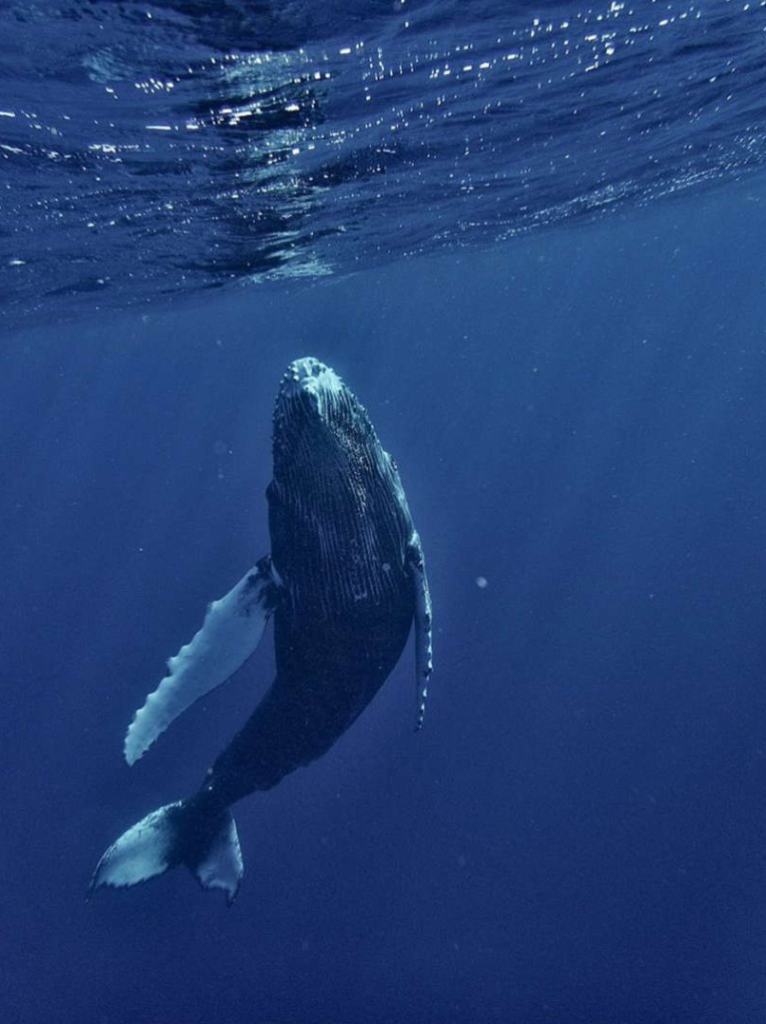
    The Blue whale is the largest animal ever recorded on Earth, and that fact still surprises many people. It is bigger than every dinosaur scientists have confirmed, bigger than elephants, and bigger than any animal alive today. What makes it even more amazing is what it eats. This giant ocean animal survives mostly on krill, tiny shrimp-like creatures that are small enough to fit in your hand.

    That huge size raises a simple question. How can the biggest animal in Earth’s history live on something so tiny? The answer shows how powerful nature can be when food is everywhere, and an animal is built to feed in the right way. In this article, you will learn how the blue whale became so large, how it feeds, and why scientists still see it as one of the most incredible animals ever found.

    The blue whale is the largest animal ever known

    “Blue Whale” by D-Stanley is licensed under CC BY 2.0

    The blue whale is not just the largest animal alive now. It is the largest animal ever measured in the history of Earth. Scientists have confirmed individuals reaching more than 100 feet long. Some of the biggest recorded whales were over 110 feet long. That is longer than three school buses lined up nose to tail. Large adults can weigh close to 200 tons, which is about 400,000 pounds.

    Even the biggest dinosaurs known from fossils do not clearly match that weight. Giant plant-eating dinosaurs were huge, but most estimates place them well below the heaviest blue whales. The ocean helps support the whale’s body, which lets it grow much larger than animals that must carry their full weight on land. That is one reason no land animal has ever reached the same mass.

    Tiny krill are the secret to its size

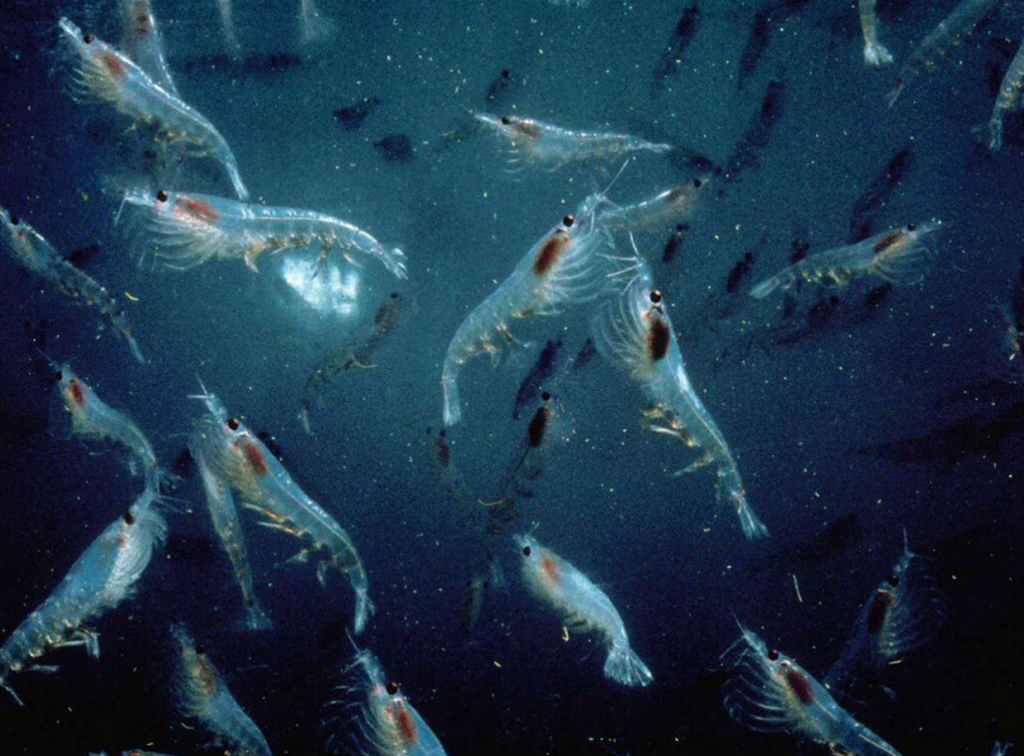
    “Antarktický krill” by Norkrill is licensed under CC BY-NC-ND 2.0

    Blue whales feed mostly on krill, which are tiny animals that look like small shrimp. A single krill is usually only a few inches long. It seems impossible that something so small could feed something so huge, but krill often gather in giant swarms with millions of individuals packed together. That turns them into a rich food source.

    During feeding season, a blue whale can eat around four tons of krill in one day. That is thousands of pounds of tiny animals. The whale does not chase each one. It charges through the swarm with its mouth open, taking in huge amounts of water and prey at once. That lets it collect enough food very quickly.

    The whale uses baleen instead of teeth

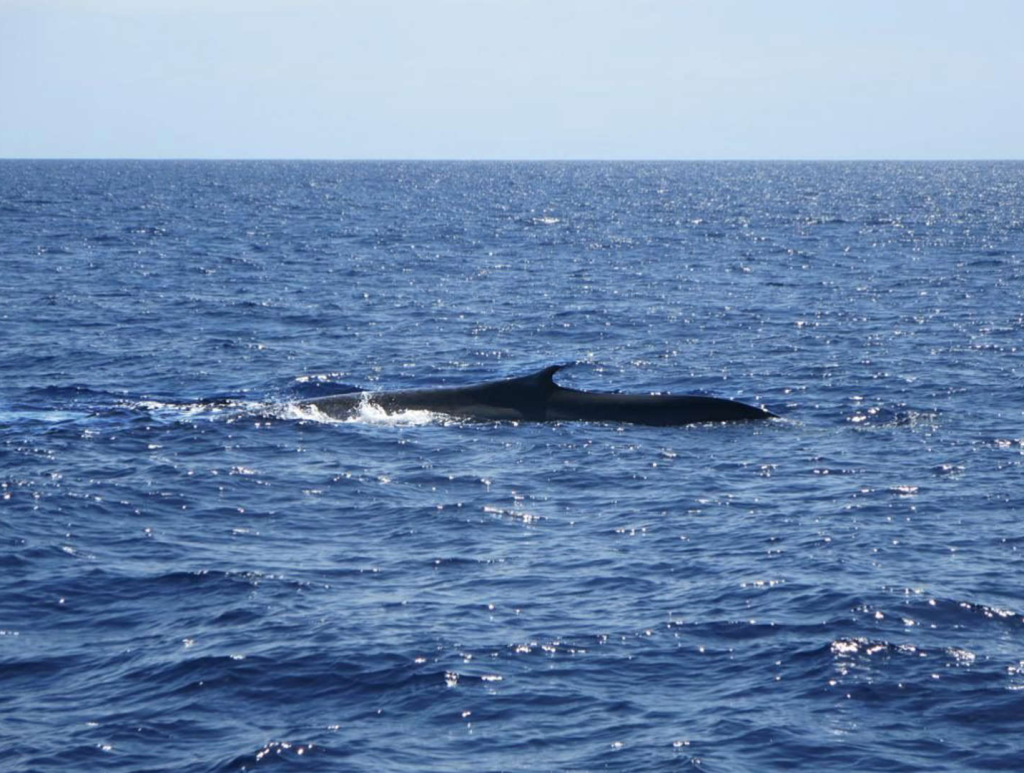
    “Fin Whale” by c.buelow is licensed under CC BY-NC 2.0

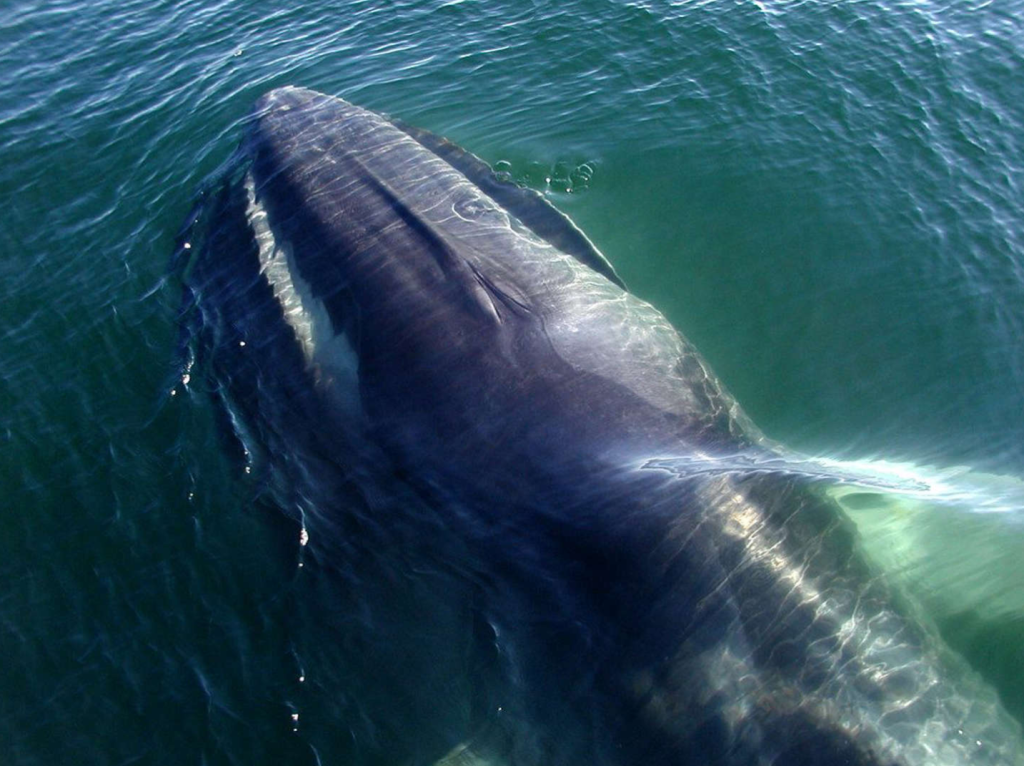
    Blue whales do not chew food. They have baleen, which is a long plate hanging from the upper jaw. Baleen acts like a giant filter. After the whale fills its mouth with seawater and krill, it pushes the water out while the krill stays trapped inside. The whale then swallows the krill.

    This feeding method is called filter feeding. It is very efficient because the whale can catch thousands of krill in one gulp. The whale’s throat folds expand like a giant pouch, allowing it to take in massive amounts of water. That special body design helps it turn tiny prey into enough energy to survive.

    Its body is built for giant growth

    Photo by 1790462 on Pixabay

    Almost every part of a blue whale is oversized. Its heart can weigh around 400 pounds. Its tongue can weigh as much as an elephant. A newborn calf can already weigh several tons at birth, making it one of the biggest babies in the animal world.

    A calf also grows fast. It drinks rich milk from its mother and can gain around 200 pounds a day during early life. That fast growth helps it survive in the cold ocean. The whale’s thick layer of blubber keeps it warm and stores energy for long migrations between feeding and breeding areas.

    The ocean made this size possible

    Photo by Thomas Vimare on Unsplash

    The sea is the only place an animal like a blue whale could exist. Water supports the whale’s weight and lowers the pressure on its bones and muscles. On land, a body this large would struggle under gravity. The skeleton would need to hold too much weight.

    The ocean also gives blue whales access to huge feeding zones. In places like polar waters, krill can gather in giant groups. When whales reach those feeding grounds, they can eat enormous amounts in a short time. That seasonal feast helps support their massive bodies and long yearly migrations.

    Humans nearly wiped them out

    Photo by Chinh Le Duc on Unsplash

    Blue whales once lived in large numbers across many oceans. In the 1900s, commercial whaling reduced their population sharply. Their size made them a target because one whale provided huge amounts of oil and meat. Many populations crashed before international protections were created.

    Today, blue whales are protected, but they are still endangered. They face risks from ship strikes, ocean noise, climate change, and changes in krill populations. Scientists say protecting krill is also important because blue whales depend on those tiny animals for survival. Without healthy krill populations, the world’s largest animal cannot thrive.

  • 6 animals you should never release into the wild for any reason

    6 animals you should never release into the wild for any reason

    It may seem kind to set a pet free outside, especially if you can no longer care for it. But releasing animals into the wild can hurt the animal, harm native wildlife, and damage whole ecosystems. Experts warn that once a captive animal is released, it may spread disease, compete with local species, or become invasive in ways that are hard to stop.

    Many animals sold as pets are not built to survive outside. Others survive too well and upset the balance of nature. In this article, you’ll learn about six animals you should never release into the wild and why that simple act can cause years of trouble. Knowing the risks can protect wildlife, your local environment, and the animals themselves.

    Goldfish can turn into ecosystem wreckers

    Photo by Hale Tat on Unsplash

    A small goldfish in a bowl may not look dangerous, but it can become a serious problem in lakes and ponds. When released into the wild, goldfish often grow much larger than people expect. They stir up mud, eat aquatic plants, and compete with native fish for food. In some U.S. waterways, officials have found giant goldfish that started as unwanted pets.

    Goldfish also breed quickly. A few released fish can turn into a large population in a short time. That can lower water quality and push out native species. Wildlife agencies across the United States regularly ask people not to dump pet fish into rivers or ponds because the damage can last for decades.

    Red-eared slider turtles spread fast

    Photo by Luke Scarpino on Unsplash

    Red-eared sliders are one of the most common pet turtles in the world. Many owners release them into local ponds when the turtles outgrow their tanks. That creates a major problem because they are hardy, long-lived, and able to survive in many climates.

    Once in the wild, these turtles compete with native turtles for basking spots, food, and nesting areas. They can also carry diseases that affect local wildlife. In many countries, released red-eared sliders are now considered invasive because they have pushed native turtle populations into decline.

    Pythons can become top predators

    Photo by ZhiYeNature on Pixabay

    Burmese pythons may look manageable as babies, but they grow into huge snakes. Some owners release them when they become too large to handle. That has already caused serious problems in places like Florida, where released pythons established breeding populations.

    Large snakes can eat birds, mammals, and even protected species. They have very few natural predators once established in a new place. They also reproduce successfully, which makes removal difficult. A released python is not just one snake; it can become the start of a whole invasive population.

    Iguanas can damage neighborhoods and nature

    Photo by Alexis Antonio on Unsplash

    Green iguanas are often bought when they are small and bright green. As adults, they become much larger and need special care. Some owners release them outdoors, especially in warm states, thinking they will be fine.

    In the wild, iguanas eat plants, raid gardens, and dig burrows that weaken sidewalks and seawalls. They can also compete with native reptiles for food and space. In some parts of the United States, local governments spend large amounts of money managing growing iguana populations.

    Domestic rabbits rarely survive and can multiply fast

    Photo by Stefan Fluck on Unsplash

    Domestic rabbits are often released because people think they can live like wild rabbits. That is usually not true. Domestic rabbits often lack the instincts needed to escape predators, find shelter, or survive weather changes. Many die quickly after release.

    The ones that survive can still cause trouble. Rabbits breed very fast and can strip plants, crops, and native vegetation. In some places, released rabbits have formed feral colonies that are hard to control. What seems like a harmless release can quickly become an animal welfare problem and an environmental one.

    Aquarium frogs and salamanders spread disease

    Photo by iuliu illes on Unsplash

    Axolotl and other aquarium amphibians are sometimes released into creeks or ponds when owners lose interest. These animals may not survive long, but they can still spread harmful pathogens to wild amphibians. Scientists are especially concerned about fungal diseases that have devastated frog and salamander populations around the world.

    Even if the released animal dies, the disease may remain in the water and infect native species. That makes captive amphibians especially risky. Experts say surrendered pets should go to rescues or experienced keepers, not local waterways.

  • These eagles disappeared without a trace before authorities stepped in

    These eagles disappeared without a trace before authorities stepped in

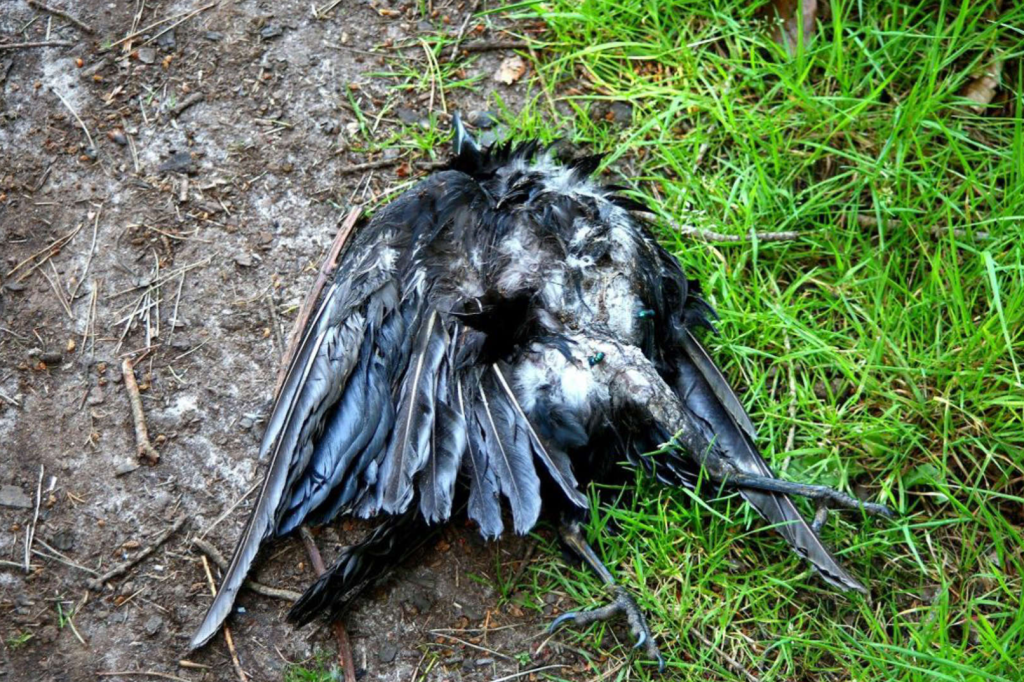
    Bald eagles are one of America’s most protected birds, so when several suddenly disappeared or turned up dead, it raised serious questions. In multiple cases across the United States and beyond, wildlife officers had to step in after eagles vanished without warning. Some were found later. Others were never recovered.

    These eagle disappearances matter because they often point to larger problems, like illegal poisoning, shootings, or habitat threats. Investigators have learned that when a protected bird disappears, the reason is often not natural. This article explains the most verified cases, what officials found, and why these missing eagles became major wildlife investigations.

    How the missing eagle cases first came to light

    Photo by Benjamin Jameson on Unsplash

    One of the most well-known cases happened in Maryland in 2016. A person walking through farmland found several bald eagle bodies scattered in a field. Wildlife officers searched the area and discovered 13 dead eagles. At first, nobody knew what had happened. The birds showed no obvious signs of attack, and the mystery quickly became national news.

    Federal wildlife teams joined local officers because bald eagles are protected by federal law. The scale of the event was shocking. Maryland officials said it was one of the largest eagle death cases the state had seen in decades. That made it clear the incident was not normal and needed a full investigation.

    Authorities discovered many were not natural deaths

    Photo by CDC on Unsplash

    Lab testing later showed the Maryland eagles had not died from disease or natural causes. Experts found they had ingested carbofuran, a highly toxic pesticide that had already been banned in the United States. This meant the birds had likely eaten poisoned bait or a poisoned animal carcass.

    Because carbofuran was banned, investigators treated the deaths as a possible criminal case. The poison can kill birds quickly, especially scavengers like eagles that feed on dead animals. Officials never announced a person charged in that case, but they confirmed the deaths were caused by human-related poisoning.

    New cases showed eagles were still disappearing years later

    Photo by Tim L. Productions on Unsplash

    The problem did not end there. In spring 2026, Michigan officials announced that five bald eagles were found dead in the same area of the Upper Peninsula. Investigators said these deaths were not caused by weather, predators, or vehicle crashes. That meant something unusual had happened again.

    The Michigan Department of Natural Resources asked the public for help and opened an official investigation. Federal agencies also became involved because harming bald eagles can bring federal charges. At the time of the public notice, authorities had not released the exact cause but said the deaths appeared suspicious.

    Some eagles simply vanished before anyone found them

    Photo by Sergej Karpow on Unsplash

    Not every case involved dead birds. In Tennessee in 2026, three bald eagles escaped from a sanctuary after a storm damaged their enclosure. The birds were from a rescue facility and were considered non-releasable because of past injuries. Once the enclosure tore open, they flew away and disappeared before staff could recover them.

    Authorities and wildlife groups searched the surrounding area, but the birds remained missing for weeks. Because some had injuries that affected flying, officials worried they might not survive long in the wild. This showed that even protected birds can disappear quickly when unexpected events happen.

    Why are eagles often targets despite legal protection?

    Photo by Nellie Adamyan on Unsplash

    Bald eagles were removed from the endangered species list in 2007 after major recovery efforts, but they are still protected under the Bald and Golden Eagle Protection Act. That law makes it illegal to kill, poison, trap, or even possess an eagle without permission.

    Even with these laws, eagles are sometimes harmed because they feed on carcasses left by hunters, poisoned animals, or fish carrying toxins. In some cases, people illegally shoot them. Wildlife officers say eagles can become accidental victims, but some investigations point to deliberate actions.

    Investigators rely heavily on public tips

    Photo by Annie Spratt on Unsplash

    In many eagle cases, wildlife agencies depend on people to report what they see. The Maryland case led to reward offers after investigators struggled to find enough evidence. Officials said the public was essential because large rural areas are hard to monitor.

    The same happened in Michigan. Authorities publicly asked anyone with information to contact the state poaching hotline. Even a small clue, like a suspicious vehicle or unusual bait left in a field, can help officers understand how these birds disappeared or died.

  • The 5-7-9 bird feeder rule helps attract more birds to your yard

    The 5-7-9 bird feeder rule helps attract more birds to your yard

    Setting up a bird feeder sounds simple, but many people hang one and wonder why birds rarely visit. In some yards, squirrels steal the food, while birds stay away because the spot feels unsafe. That is where the 5-7-9 bird feeder rule can help. It is a simple placement guide that makes feeders easier for birds to find and harder for squirrels to reach.

    The 5-7-9 bird feeder rule is used by many backyard birders to improve feeder placement. It helps create a safer feeding space by thinking about height, distance, and what is around the feeder. When done right, more birds may stop by, and your feeder may stay cleaner and last longer. This guide explains what the rule means, why it works, and how to use it in your own yard.

    What the 5-7-9 rule means

    Photo by Joshua J. Cotten on Unsplash

    The 5-7-9 bird feeder rule is a simple way to place a feeder where squirrels have a harder time getting to it. The numbers stand for three distances. The feeder should be about 5 feet off the ground, 7 feet away from things squirrels can jump from, and 9 feet below any branch or roof edge above it. The rule is based on how far most squirrels can jump in different directions.

    People often think the rule is only about attracting birds, but it mostly helps stop squirrels from stealing seed. When squirrels take over a feeder, birds may stop visiting because the food runs out too fast or the feeder becomes too crowded. By following the rule, you make the feeder easier for birds to use and harder for larger animals to raid.

    Why feeder placement matters to birds

    Photo by Stefan Fluck on Unsplash

    Birds do not choose feeders only because of food. They also look for safety. A feeder in an open place with no nearby shelter may look risky to small birds. They need a quick place to hide if a hawk flies by or if a cat appears in the yard. If the feeder feels unsafe, birds may avoid it even if it is full of seed.

    Good placement also helps prevent bird injuries. Windows are a major problem because birds can mistake glass reflections for open sky. Experts often suggest putting feeders very close to windows or far enough away to reduce dangerous crashes. So while the 5-7-9 rule helps with squirrels, it should also be balanced with window safety and nearby shelter.

    How does the 5-foot height help

    Photo by Christopher Alvarenga on Unsplash

    A feeder placed about 5 feet high works well for many backyard species. Songbirds like finches, chickadees, and cardinals can easily reach that height. It also keeps the feeder at a level that is easy for people to refill and clean. A feeder placed too low may attract rodents or become easy for cats to stalk.

    The 5-foot height also makes it harder for squirrels to leap straight up from the ground. While some squirrels are excellent jumpers, many cannot reach a feeder that is mounted high enough on a smooth pole. This is why many experienced birders combine the height rule with a pole baffle, which blocks climbing and makes the setup stronger. Community advice from bird-feeding forums often repeats that the rule works best when paired with a baffle.

    Why the 7-foot side space matters

    Photo by Joshua J. Cotten on Unsplash

    The 7-foot part means the feeder should not be close to fences, tree trunks, decks, or railings. Squirrels are strong horizontal jumpers. If a feeder hangs too close to a fence or branch, it can launch from the side and land directly on it. That defeats the purpose of raising the feeder.

    This spacing also helps birds. If the feeder is not crowded by large objects, birds have a clear view of danger. They can watch for predators while feeding. However, it should still be near enough to shrubs or trees that birds can escape quickly. Many bird experts suggest having cover nearby, but not so close that predators can hide in it. That balance is one reason placement matters more than many people realize.

    Why 9 feet above matters

    “Bird feeder” by Mark Zilberman Photography is licensed under CC BY-NC 2.0

    The last number is often forgotten. Many people move a feeder away from fences but leave it under a tree branch or roof edge. Squirrels can drop from above. The 9-foot rule means there should be at least 9 feet of clear space above the feeder, so they cannot jump down from overhead.

    This is why some yards struggle with squirrels even after moving the feeder. One branch can ruin the setup. A feeder hanging from a tree may look natural, but it often becomes easy for squirrels to reach. Mounting it on a freestanding pole in open space usually works better. Many bird owners on online forums report that following all three distances together works much better than using only one part of the rule.

    How to make the rule work in small yards

    Photo by ambquinn on Pixabay

    Not every yard has enough open space for exact measurements. Small backyards may have fences, sheds, or trees close together. In those cases, the 5-7-9 rule can still help as a goal. Even if you cannot match every number, moving the feeder farther from jump points often makes a big difference.

    Small yards can also use extra tools. Pole baffles, squirrel-resistant feeders, and hot pepper seed blends are common additions. These do not replace smart placement, but they help when space is limited. It may take a few weeks of adjusting before birds trust the spot. Once they do, many feeders become much busier, especially in winter and early spring when food is harder to find.