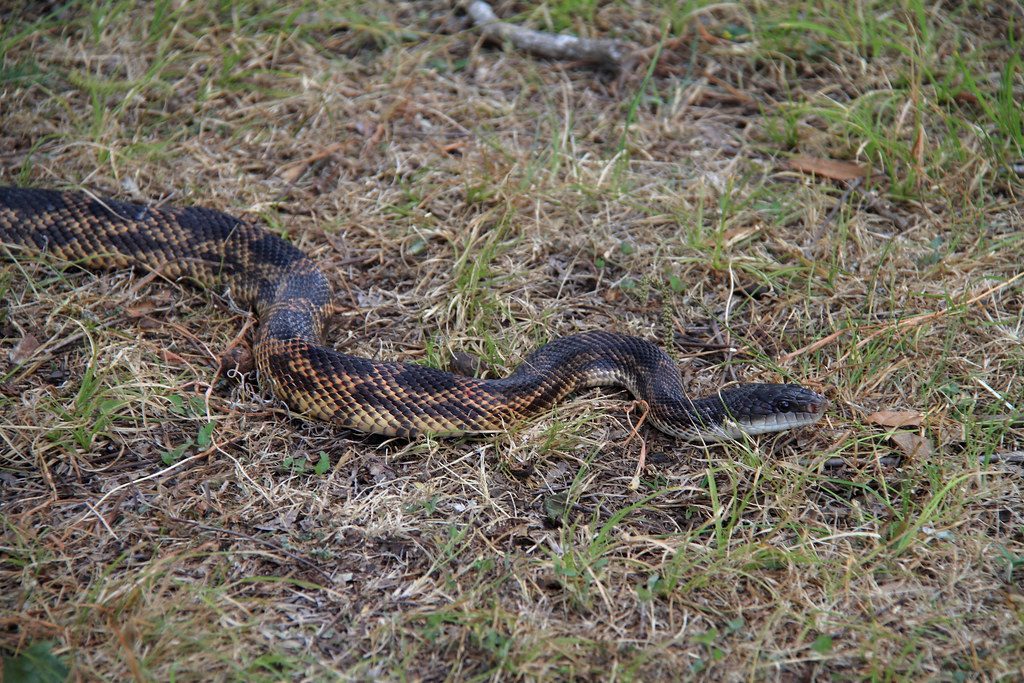
A snake spotted near Austin homes has once again caught the attention of local residents, leaving many people surprised and uneasy in their own neighborhoods. In several parts of Austin, Texas, homeowners have reported unexpected snake sightings near yards, driveways, and even house entrances. These encounters often happen during warmer months when snakes become more active and move closer to residential areas while searching for food and shelter.
This article explains what is happening around Austin, why snakes are showing up near homes, and what residents should know to stay safe. You will learn about the types of snakes commonly found in the area, the reasons behind increased sightings, and simple safety steps people can take. The goal is to give clear and useful information so readers understand the situation without fear or confusion.
Why are snakes appearing near Austin homes

Snakes are a natural part of the Austin environment, and their movement near homes is usually linked to weather and food. In Central Texas, warmer temperatures and seasonal rain often push snakes out of their hidden spots as they follow prey like mice, frogs, and insects. When rain changes their habitat or floods their burrows, they may travel into nearby neighborhoods looking for dry ground and safer shelter.
Wildlife experts in Texas note that snake activity often increases in spring and early summer. This is because snakes are cold-blooded and rely on outside temperatures to control their body heat. When conditions are right, they become more active and are more likely to be seen crossing roads, lawns, and sidewalks in residential areas.
Common snake species in the Austin area
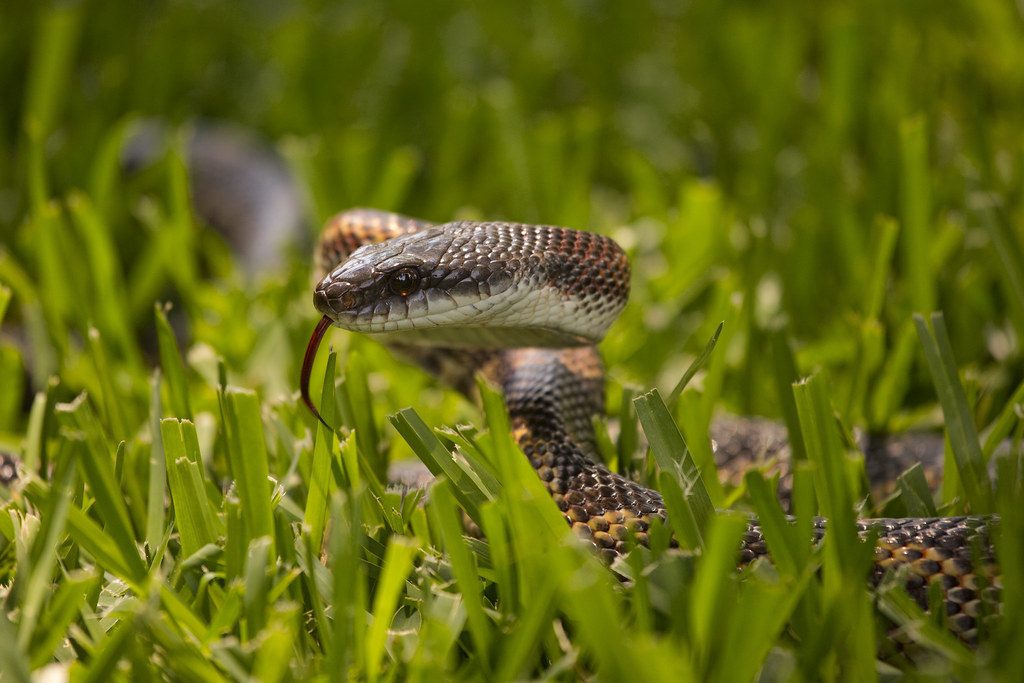
Austin is home to a wide variety of snake species, and most of them are not dangerous to humans. One of the most commonly seen is the Texas rat snake, which often appears around homes because it hunts rodents. These snakes are helpful for controlling pests and usually avoid human contact whenever possible.
Another frequently spotted group includes water snakes that live near creeks and ponds. These snakes are often mistaken for more dangerous species because of their dark coloring, but many are harmless. However, Austin is also home to venomous snakes like rattlesnakes, copperheads, and coral snakes, which should be treated with caution and avoided if seen.
Why do residents feel alarmed during sightings?

When a snake suddenly appears near a home, the reaction is often shock or fear. Many people are not used to seeing wildlife so close to where they live, especially in suburban neighborhoods. A quick movement in the grass or near a porch can easily cause concern, even if the snake is harmless.
Another reason for concern is confusion about snake types. Some non-venomous snakes look similar to venomous ones, which makes it difficult for an untrained eye to tell the difference. Because of this uncertainty, residents often stay cautious and may call wildlife control services for help when they spot a snake near their property.
How snakes typically enter residential areas
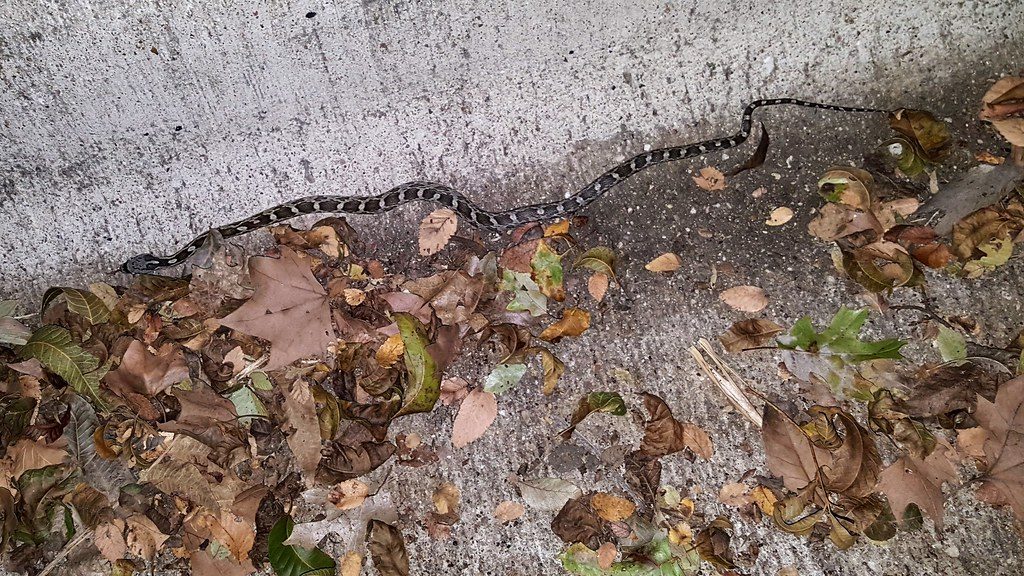
Snakes do not usually seek out homes intentionally, but they can enter neighborhoods through open spaces and natural pathways. Areas with nearby creeks, greenbelts, or undeveloped land are more likely to see occasional snake movement. These animals often follow food sources, which can lead them closer to human homes where rodents are present.
They can also slip through small openings in fences, foundations, or gaps under sheds and porches. Once inside a yard, they may rest in cool, shaded places like wood piles, tall grass, or garden areas. This is why homes near natural landscapes in Austin may experience more frequent sightings.
What to do if you see a snake near your home

If a snake is spotted near your home in Austin, the safest action is to stay calm and keep a safe distance. Most snakes will not attack unless they feel threatened, so giving them space is important. It is also best not to try to touch, move, or kill the snake, as this increases the risk of a bite.
Instead, residents are advised to slowly back away and allow the snake to move on its own. If the snake is inside a home or in a high-traffic area, contacting a local wildlife control expert is the safest option. Keeping yards clean, trimming tall grass, and removing piles of debris can also help reduce the chances of future visits.
How Austin communities are responding to snake sightings

Across Austin, residents and wildlife specialists are becoming more aware of seasonal snake activity. Many neighborhoods are sharing information with each other about sightings so people can stay alert. In some areas, community groups even discuss where snakes have been seen to help others avoid those spots.
Wildlife experts also continue to educate the public about living safely alongside native snake populations. They explain that most snakes in Texas play an important role in the ecosystem by controlling pests like rodents. This helps balance the natural environment, even when snake sightings near homes feel unexpected or uncomfortable.
Leave a Reply