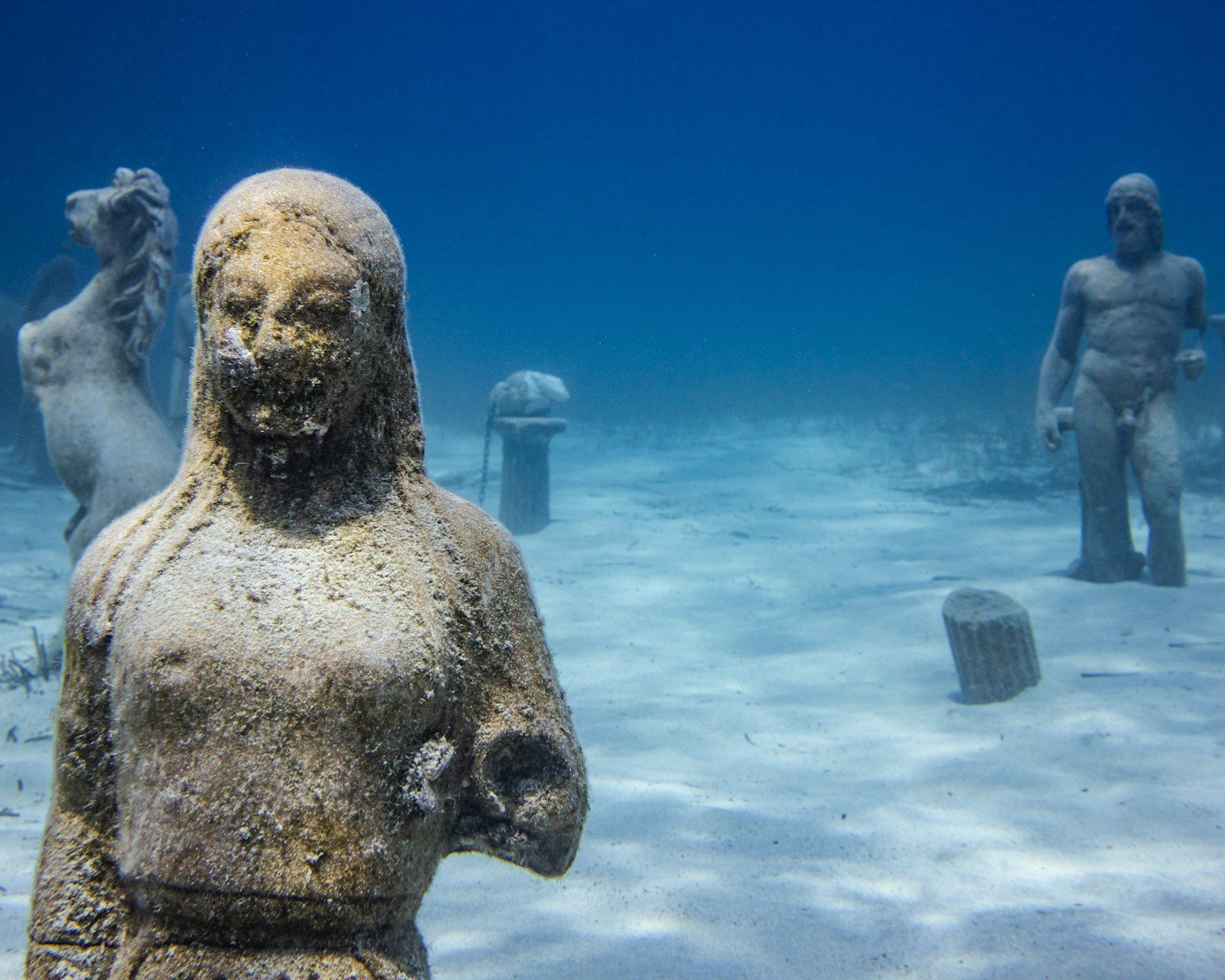
Nearly 2,300 feet beneath the Atlantic Ocean lies one of the strangest places ever found on Earth. Known as the Lost City Hydrothermal Field, this hidden landscape is filled with towering white chimneys that emit hydrogen and methane rather than smoke. Unlike most hydrothermal vents, it is not powered by volcanoes.
Instead, chemical reactions between seawater and rocks deep inside Earth’s crust provide the energy that supports life without sunlight. This remarkable ecosystem has become one of the world’s most important natural laboratories for studying the origins of life and the possibility of life beyond Earth.
A hidden city beneath the sea
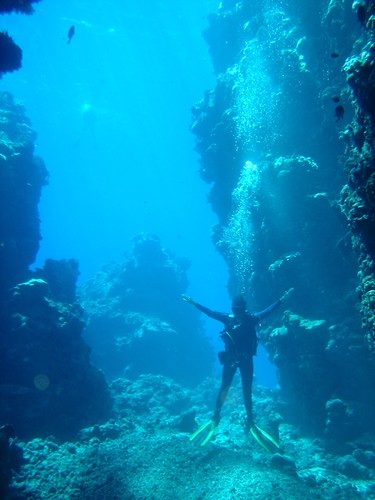
The Lost City Hydrothermal Field was discovered in 2000 on the Atlantis Massif along the Mid-Atlantic Ridge. Scientists found dozens of pale carbonate towers rising from the seafloor, creating an underwater landscape unlike any previously known.
Some of these chimneys reach more than 60 meters, or about 200 feet, in height. Warm alkaline fluids continuously flow through them, creating a unique environment where life thrives despite complete darkness.
A different kind of hydrothermal vent
Most hydrothermal vents form because seawater is heated by underground magma. Lost City works differently. Water reacts with mantle rocks in a natural process called serpentinization, producing hydrogen, methane, and heat without volcanic activity.
These chemical reactions create an energy-rich environment while releasing very little carbon dioxide or dissolved metals. The unusual chemistry makes Lost City very different from the better-known black smoker vents found elsewhere in the oceans.
Life survives without sunlight
Inside the carbonate chimneys, dense communities of microorganisms live entirely on chemical energy. Instead of depending on sunlight through photosynthesis, they use hydrogen and methane produced by the vents to survive.
Scientists believe ecosystems like this may resemble some of the earliest habitats on Earth. They also provide a valuable model for understanding how life can exist in environments that appear completely inhospitable.
A guide in the search for alien life
Researchers are especially interested in Lost City because icy moons such as Europa and Enceladus contain oceans beneath their frozen surfaces. These worlds may also experience water-rock interactions capable of producing hydrogen and methane.
Although no evidence of extraterrestrial life has been found, studying the Lost City helps scientists understand what types of environments could potentially support simple organisms elsewhere in the Solar System.
An ancient ecosystem under threat
Scientists estimate that Lost City has remained active for at least 120,000 years, making it much older than most volcanic hydrothermal vent systems. This extraordinary longevity has allowed a rare ecosystem to develop over thousands of generations.
Despite its importance, the site lies in international waters and lacks full international protection. Researchers have expressed concern that nearby deep-sea mining activities could disturb the fragile environment even if mining does not occur directly on the vent field.
The ocean still holds many mysteries
The Lost City reminds us how little of Earth’s oceans have been explored. Every expedition continues to reveal new geological features, unusual life forms, and unexpected scientific discoveries.
As technology improves, scientists hope to learn more about this remarkable underwater ecosystem while protecting it for future generations. The Lost City remains one of the strongest examples of how Earth’s deepest oceans can reshape our understanding of biology, geology, and the search for life beyond our planet.
Leave a Reply