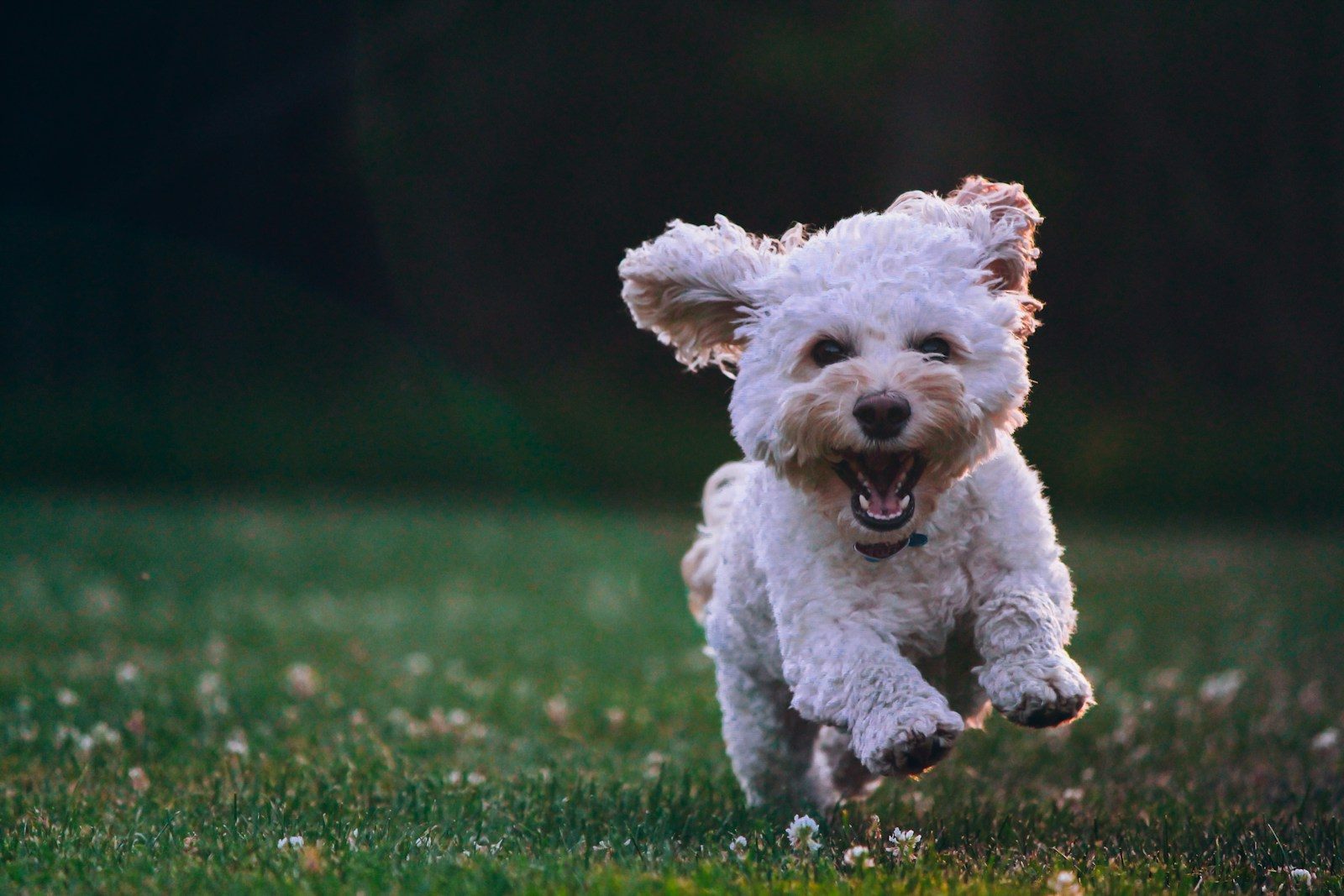
Ever wonder if your dog is truly happy and feels safe around you? Many dog owners worry they might miss the small signs that show their pet’s real emotions. Dogs cannot speak, so they communicate through body language, behavior, and daily habits. Understanding these signals can help you build a stronger bond and make sure your dog feels calm, loved, and secure.
In this article, you will learn the clearest and most reliable clues that your dog is feeling joyful and emotionally safe. These signs come from well-understood canine behavior research and real-world veterinary observations. By the end, you will be able to recognize when your dog is relaxed, confident, and enjoying life at home and outside.
Soft and relaxed body posture
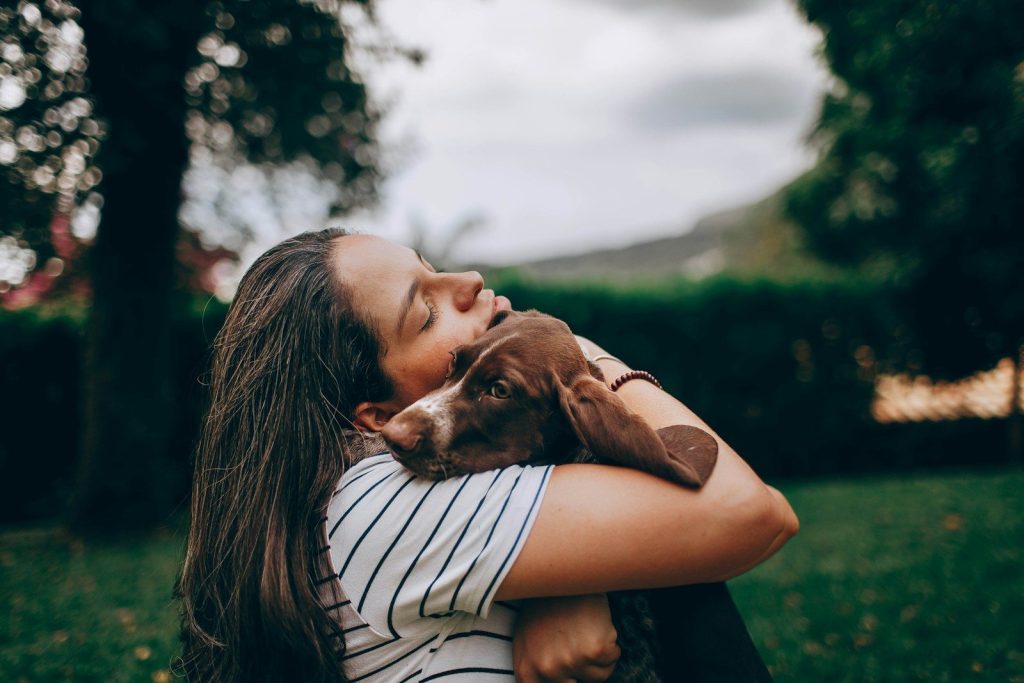
A happy and secure dog usually has a loose and relaxed body. Their muscles are not tight, and they move in a smooth, easy way. You might notice their body looks “wiggly” instead of stiff, especially when they greet you or explore their surroundings. A relaxed posture is one of the strongest signs that a dog feels safe in their environment.
When a dog feels secure, they do not hold their body low or overly tense. Instead, they stand naturally and may even stretch out comfortably when resting. Stiff movements, on the other hand, often show stress or discomfort, so a soft body is a key clue to emotional comfort.
Soft eyes and a calm facial expression
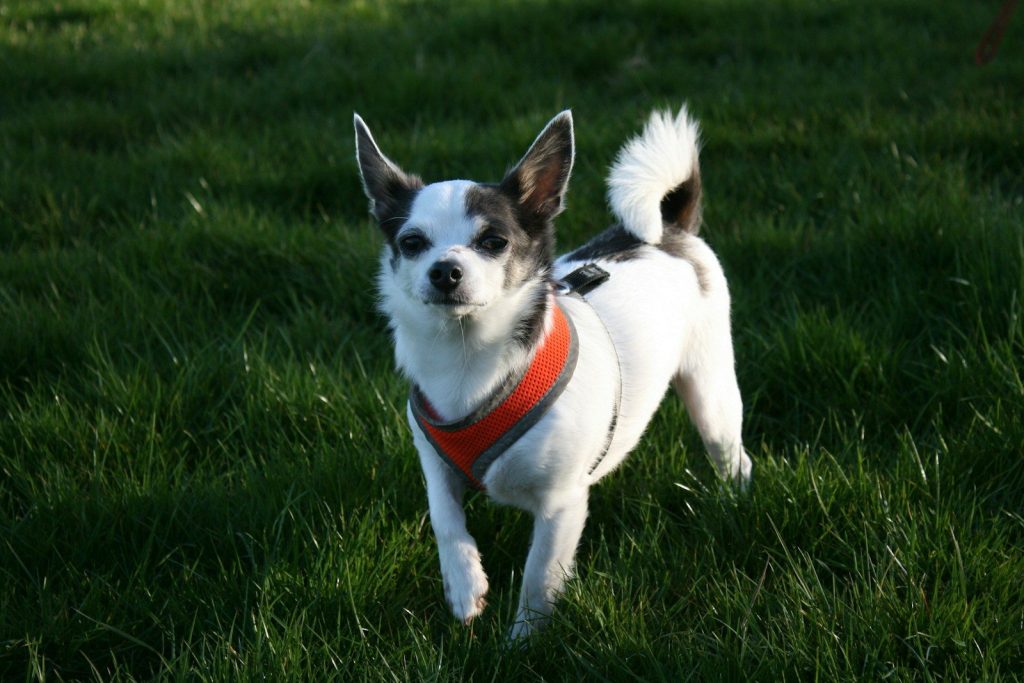
A joyful dog often has soft, relaxed eyes. Their gaze is gentle, not wide or tense. You may also notice slow blinking or a peaceful look, which shows they are comfortable with what is happening around them. Dogs that feel unsafe usually have hard, fixed stares or wide eyes.
Their facial muscles also stay relaxed. The mouth may be slightly open, with no tight lips or tension around the jaw. Sometimes it can even look like a “dog smile,” but what really matters is the overall relaxed expression, not just the mouth shape.
Relaxed tail movement and natural wagging
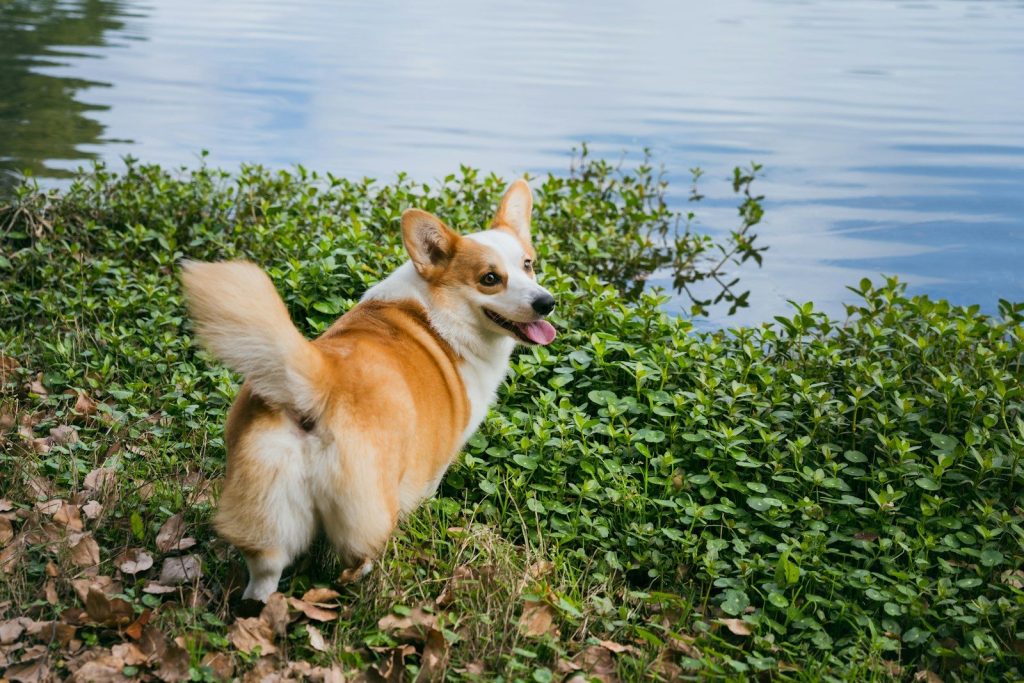
A wagging tail is often linked to happiness, but it is important to understand how it moves. A joyful dog usually has a loose, flowing wag that moves along with their whole body. The tail is not stiff or tightly controlled, and it moves in a natural rhythm.
When a dog feels secure, their tail position is also natural for their breed and personality. It is not tucked under their body or held extremely stiff. Instead, it moves freely, often matching their excitement or comfort level in a calm and balanced way.
Playful behavior and “zoomies”
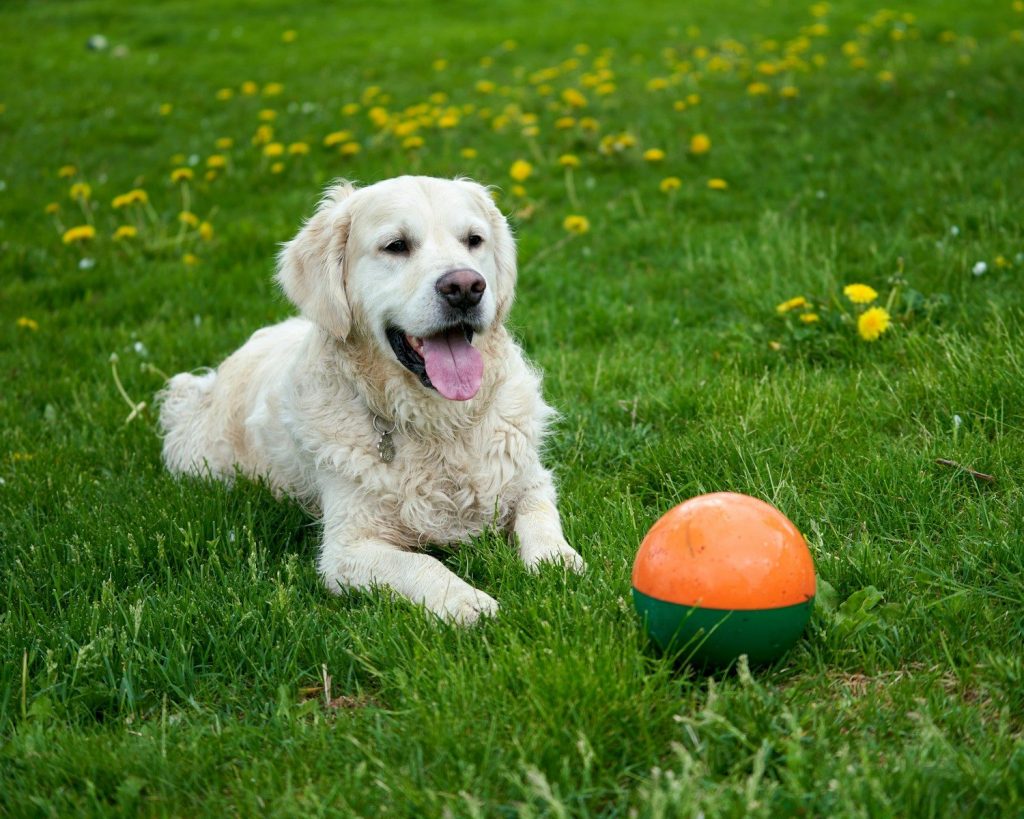
One of the clearest signs of happiness is playful energy. Dogs that feel joyful often invite play by bowing, bouncing, or bringing toys. This play bow, where the front legs go down and the back stays up, is a universal dog invitation for fun and interaction.
Some dogs also show bursts of energy known as “zoomies,” where they run around excitedly in short bursts. This behavior is usually harmless and shows built-up happy energy. It is most often seen in dogs that feel safe and relaxed in their surroundings.
Healthy social behavior with humans and pets
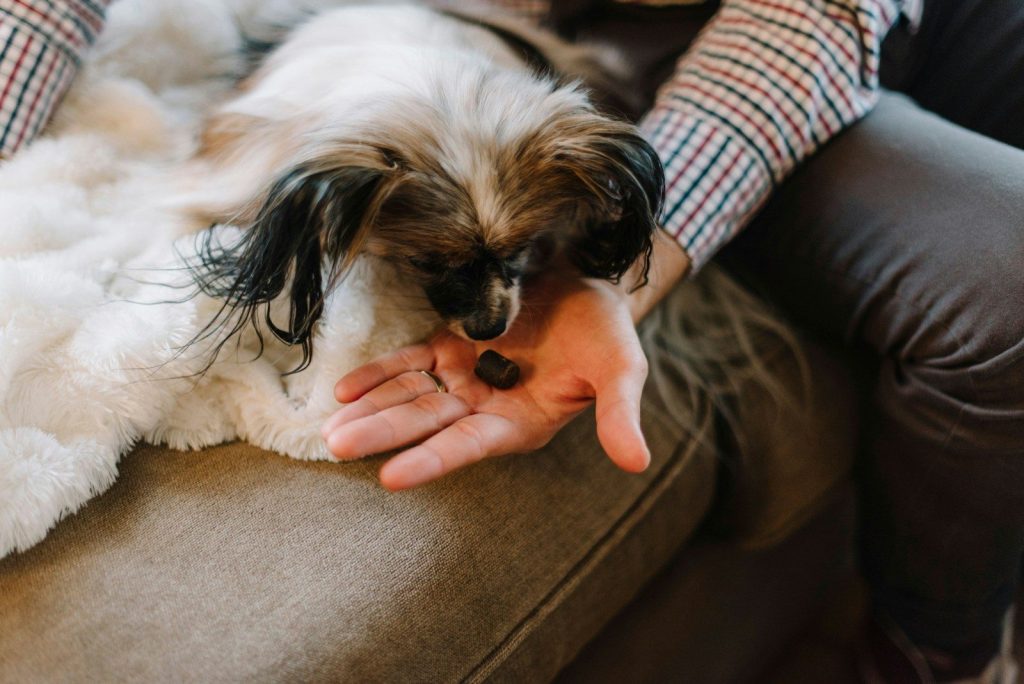
A happy and secure dog enjoys being around people and other animals. They may choose to sit close to you, follow you from room to room, or gently lean against you for comfort. This behavior shows trust and emotional safety, not clinginess or anxiety.
With other dogs, a secure dog usually behaves in a friendly and balanced way. They are open to interaction, sniffing, and play without showing fear or aggression. Healthy social behavior is a strong sign that your dog feels emotionally stable in their environment.
Calm resting habits and good daily routines
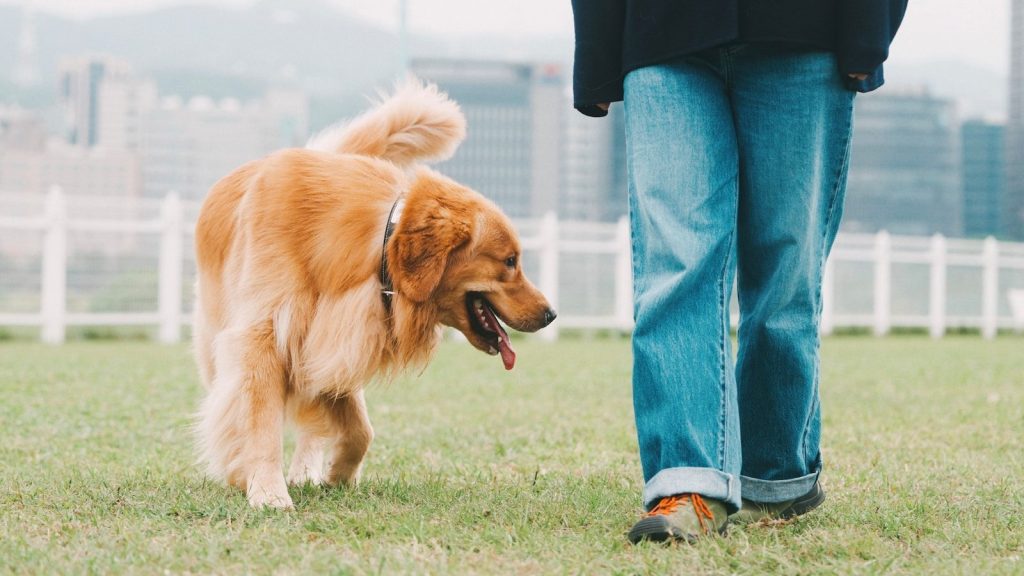
Dogs that feel secure usually rest well. They sleep in relaxed positions, sometimes stretching out fully or curling up comfortably in safe spaces. Their sleep patterns are steady, which shows they are not feeling stressed or alert all the time.
They also follow healthy daily routines. A happy dog eats well, enjoys walks, and shows interest in normal activities like playing or exploring. A consistent routine is a strong sign that your dog feels safe and confident in their home life.
Leave a Reply