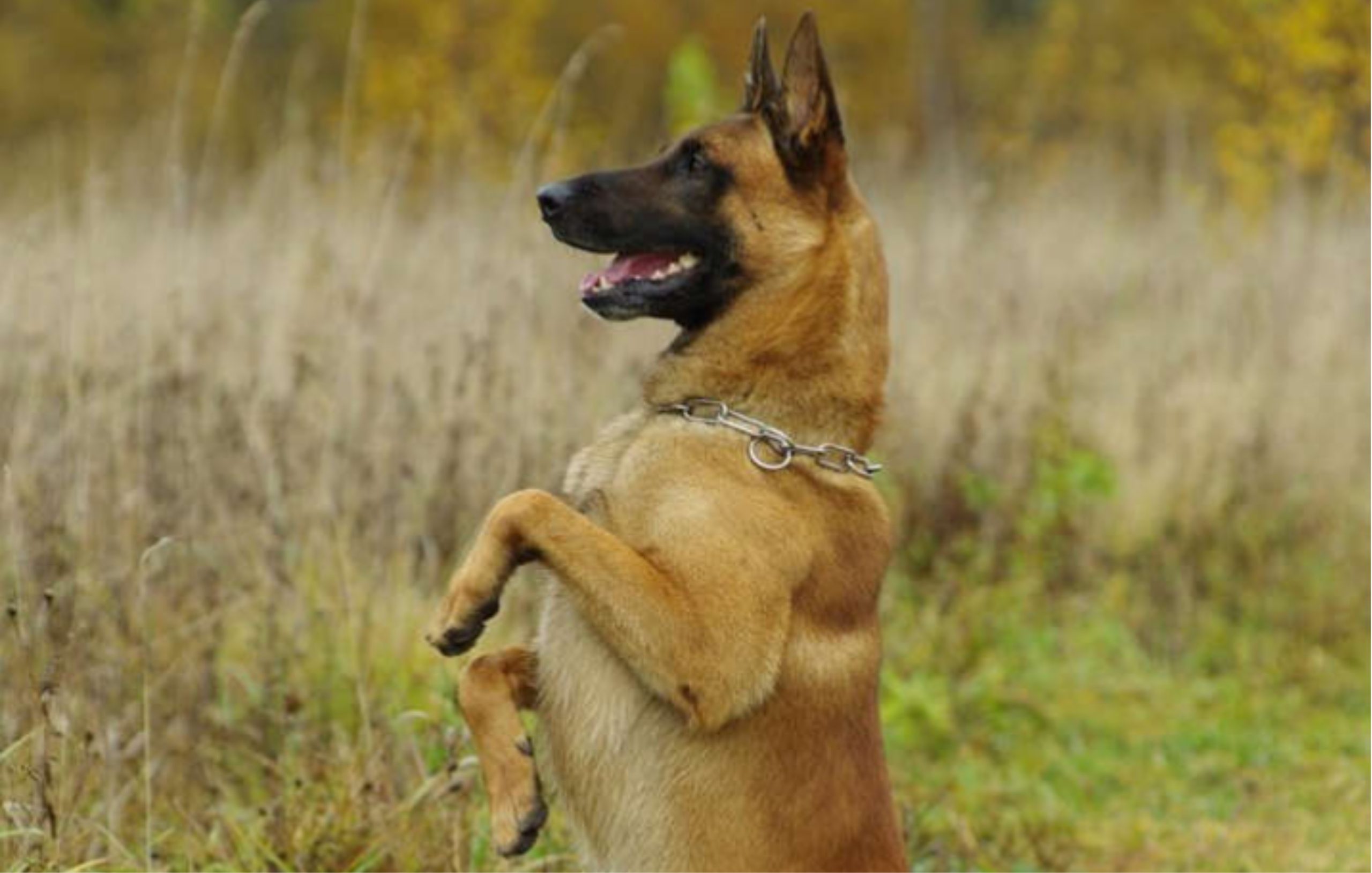
Many dog owners wonder if their pet can safely enjoy off-leash freedom, especially after training and basic obedience work. The phrase 6 dog breeds that may not belong off-leash even when fully trained often surprises people because training alone does not always override instinct.
Some breeds have strong prey drive, deep independence, or high reactivity to movement and scent, which can make recall unreliable in real outdoor situations. This article will explain why certain breeds struggle with off-leash control even with training. You will also learn how their natural instincts can create safety risks and why leash use may still be the safest choice for them. The goal is to help you better understand behavior, not blame any breed.
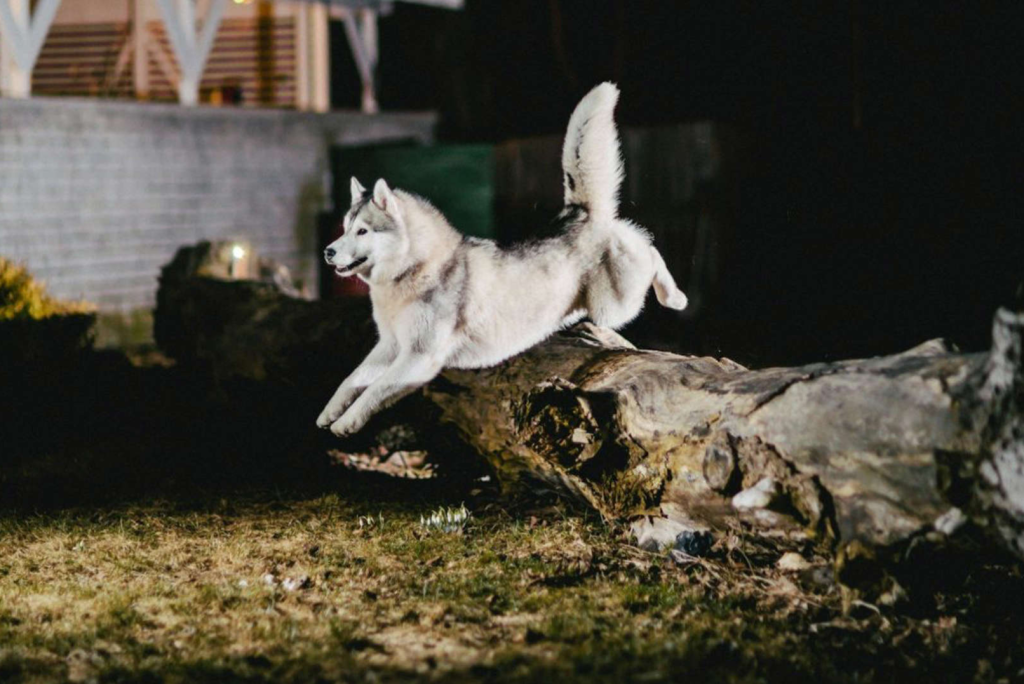
Siberian husky

Siberian huskies are known for their endurance, intelligence, and love of running. They were bred to travel long distances while making independent decisions, which can make recall training difficult in real-world situations. Even when well trained, many huskies still follow their natural instinct to explore and chase movement.
This breed is also famous for its escape skills. They can slip out of yards or ignore commands when something exciting catches their attention, such as wildlife or open space. Their strong wanderlust means they often prioritize exploration over listening to their owner, especially in stimulating environments.
Alaskan malamute
Alaskan malamutes are powerful working dogs built for pulling heavy loads across snow and open land. Their independence is a key trait from their history, which can make them less reliable when off-leash. Even with consistent training, their instinct to roam and explore can override recall commands.
They also have a strong prey drive, which means small animals can easily distract them. In open areas, this can lead to sudden chasing behavior that is hard to stop once it starts. Because of their size and strength, losing control of a malamute can quickly become a safety concern for both the dog and others.
Beagle
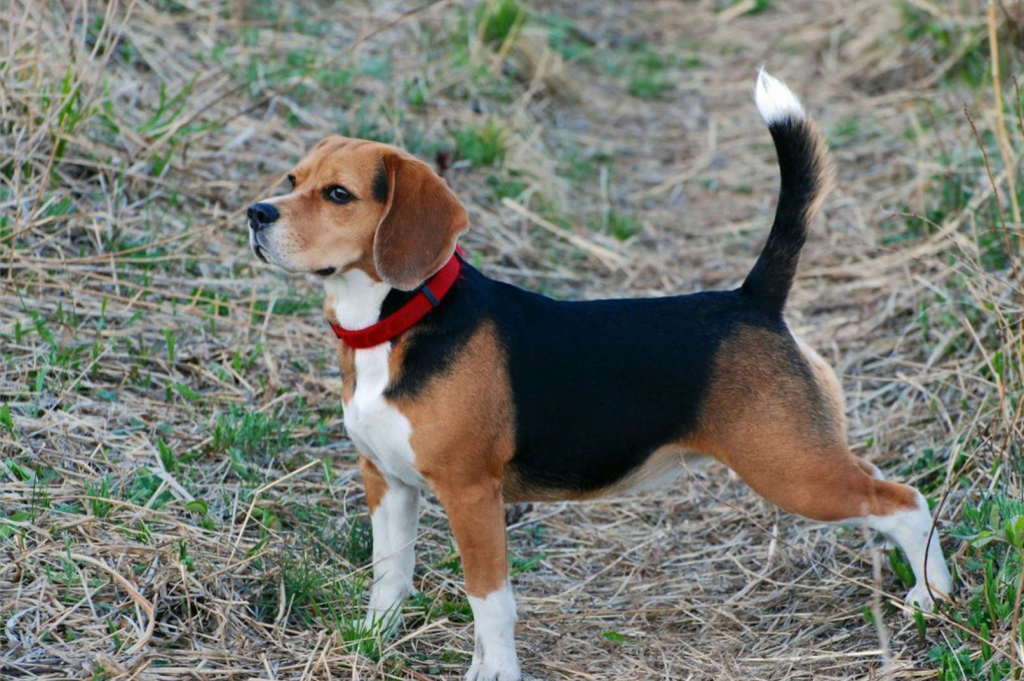
Beagles are scent hounds with one of the strongest noses in the dog world. They were bred to track small game over long distances, often without constant human direction. This natural ability makes them highly focused on smells, sometimes more than their owner’s voice.
Even well-trained beagles can become “nose locked” on a scent trail. Once this happens, they may ignore recall commands completely and continue following the smell wherever it leads. This behavior is not disobedience but instinct, which is why off-leash control can be unreliable in open areas.
Akita
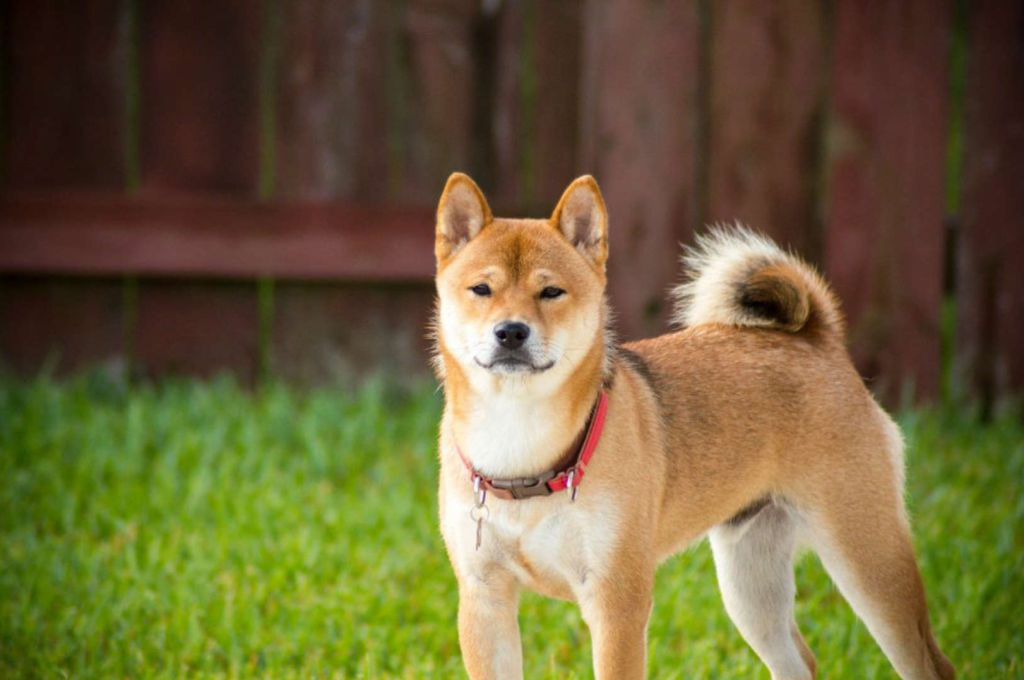
Akitas are strong, loyal dogs with a deeply independent personality. They were originally bred for guarding and hunting, which contributes to their serious and self-reliant nature. Even when trained, they may choose to think for themselves in high distraction environments.
They also tend to have a strong prey drive and can react quickly to movement from other animals. This can make sudden chasing behavior a risk, especially in open or unfamiliar spaces. Their independence means recall must compete with instinct, which is not always successful even in well-trained dogs.
Siberian sheepdog-type breeds like border collie mixes
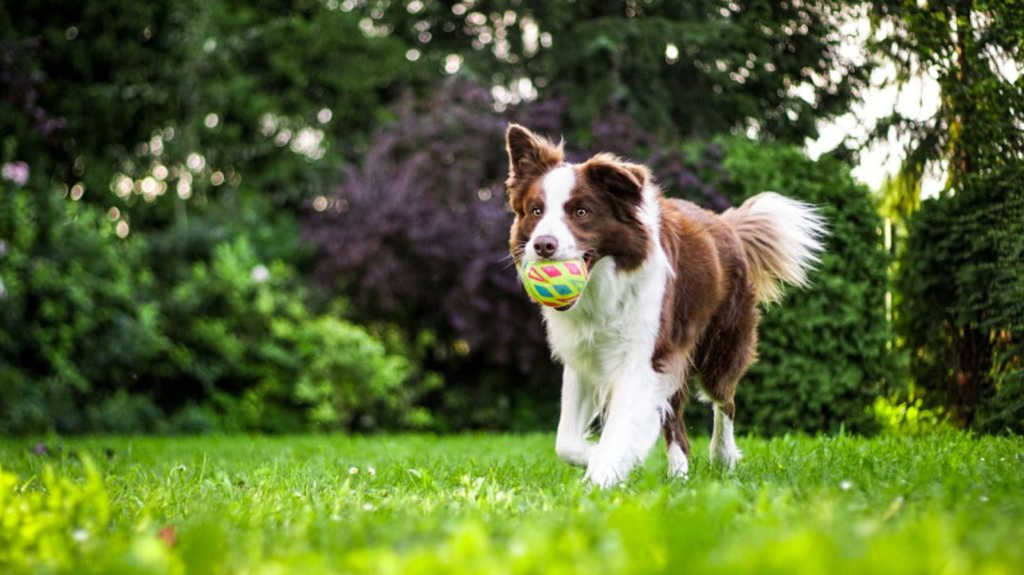
Border collies and similar herding breeds are extremely intelligent and responsive in structured training environments. However, their natural herding instinct can create unexpected off-leash behavior. They may become overly focused on moving objects such as bikes, runners, or wildlife.
Even with strong obedience skills, these dogs can switch into herding mode quickly. When that happens, they may ignore commands in order to control movement around them. This intense focus can make off-leash situations unpredictable in busy or open environments.
Belgian Malinois
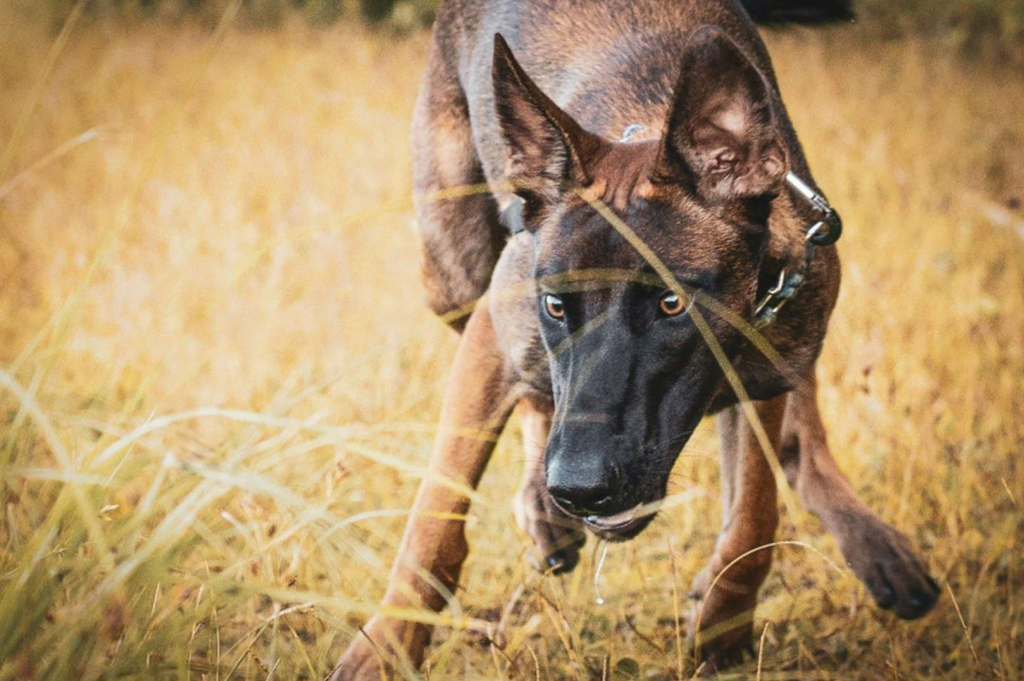
Belgian Malinois are highly intelligent working dogs often used in police and military roles. They are extremely energetic and require constant mental and physical stimulation. While they are very trainable, their intensity can sometimes make off-leash control challenging outside structured settings.
Their drive and focus can lock onto a target such as a person, animal, or object. In these moments, even trained recall may not break their concentration quickly. Without strict training and controlled environments, their energy and instincts can become difficult to manage off-leash.
Leave a Reply