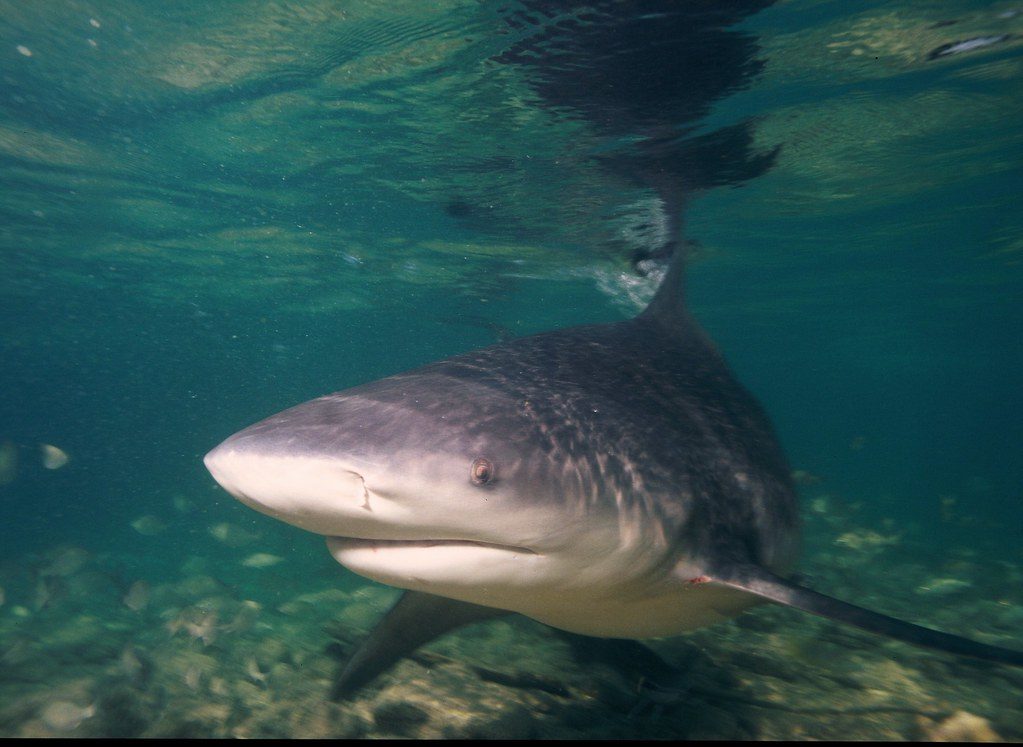
Shark attacks are rare, but they do happen more often in certain parts of the world where people and sharks share the same waters. If you have ever wondered about the places where shark attacks are most likely to happen, the answer depends on ocean conditions, local shark populations, and how many people swim or surf in those areas. In general, warm coastal waters with lots of fish and heavy beach activity tend to see the most incidents.
The places with the highest shark encounter reports include parts of the United States, Australia, South Africa, and a few popular tropical destinations. This article will break down these hotspots in simple terms so you can understand where risks are higher and why these locations stand out.
Florida, in the United States, leads global shark encounters
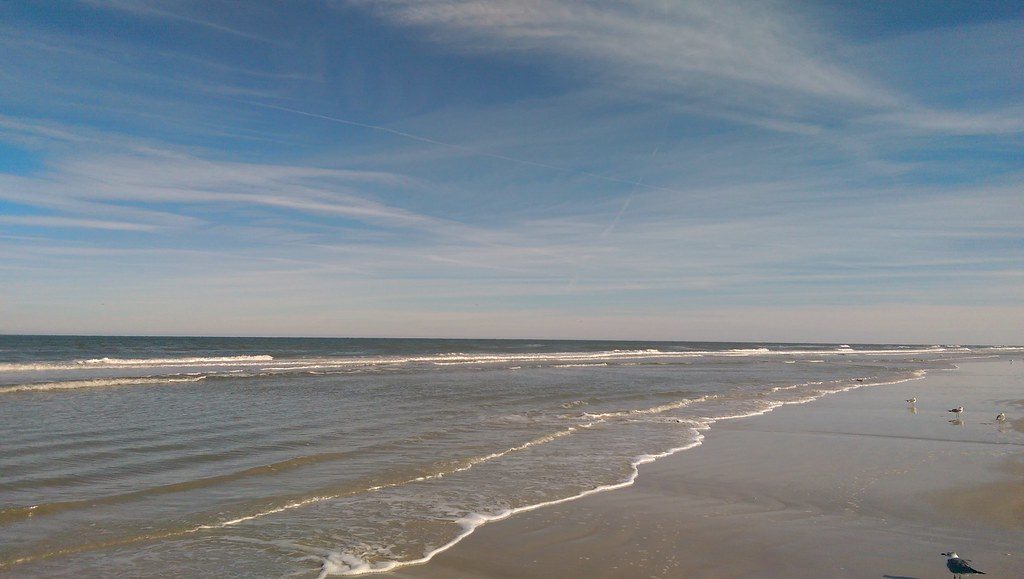
Florida is widely known as the top location in the world for shark bites, especially along its Atlantic coastline. Areas like Volusia County, including New Smyrna Beach, often get the most attention because many surfers and swimmers enter the water there every day. With so much human activity and plenty of small fish near shore, sharks sometimes come close to beaches.
Most shark bites in Florida are not fatal and are usually small, quick bites where the shark mistakes a person for fish. The warm water, shallow sandbars, and strong surfing culture all combine to make Florida one of the most active shark interaction zones in the world.
Australia has frequent shark activity along its coasts
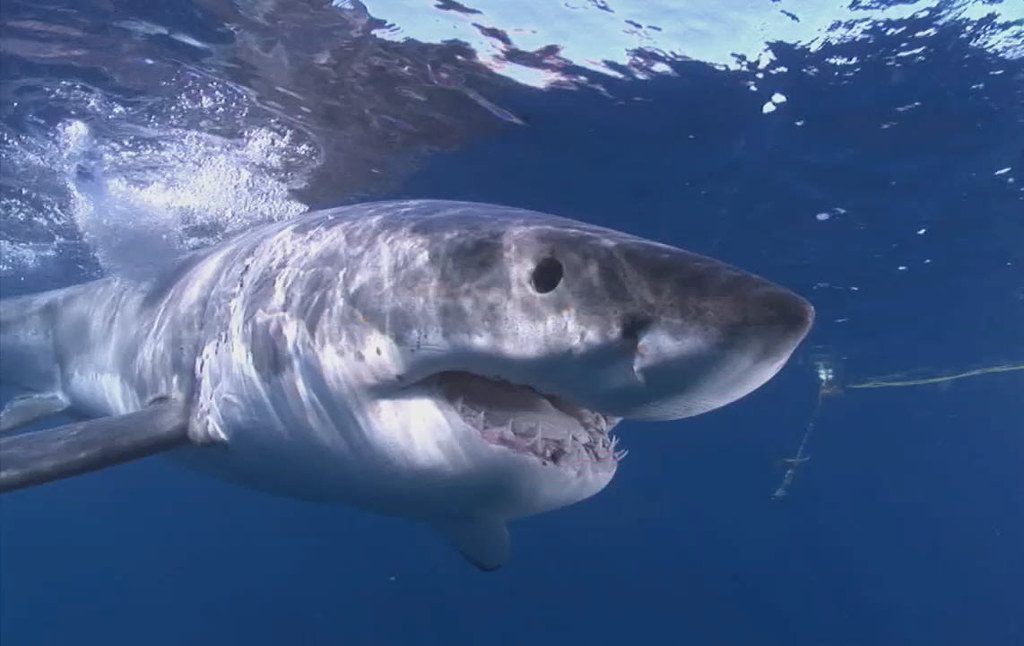
Australia is another major hotspot for shark encounters, especially in regions like New South Wales and Western Australia. These areas have long coastlines, strong surf communities, and a mix of shark species such as tiger sharks, bull sharks, and great white sharks. Because of this combination, encounters between humans and sharks happen more often here than in many other parts of the world.
In some parts of Australia, shark activity can increase during certain seasons when water temperatures change and sharks move closer to shore. Dawn and dusk are also higher risk times because sharks are more active hunters during low light conditions. Even so, attacks are still very rare compared to the number of people who swim safely every day.
South Africa’s coastline and seal colonies attract sharks
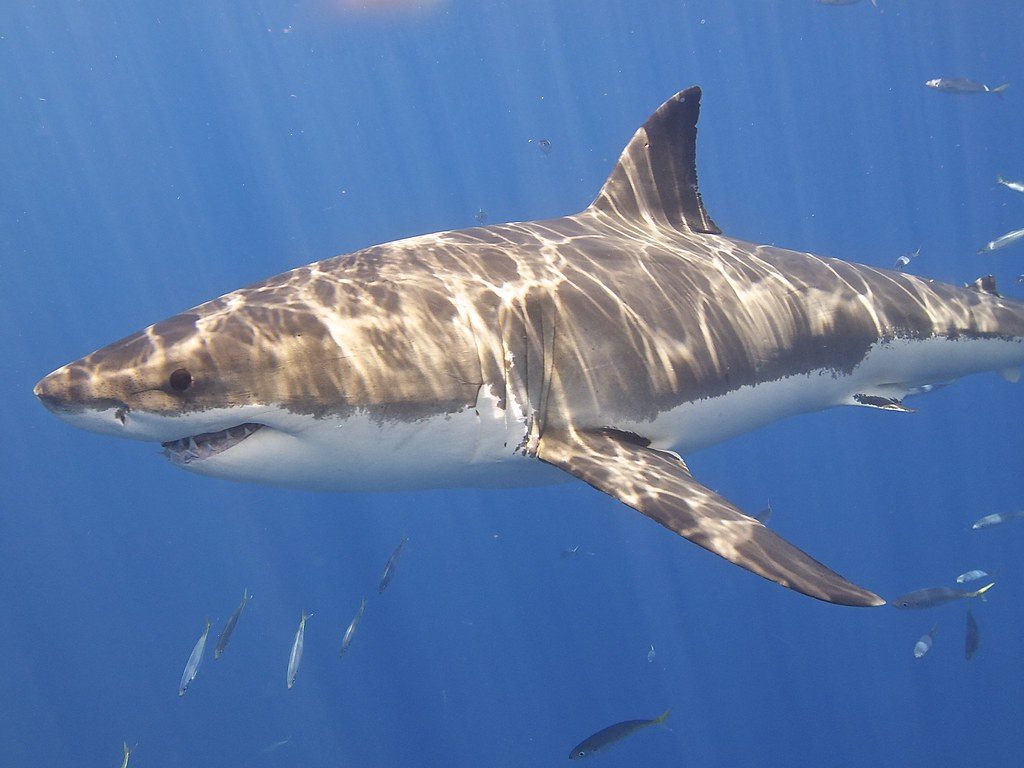
South Africa is known for having strong populations of large sharks, especially great white sharks. One major reason for shark presence is the large number of seals living along parts of the coastline. Seals are a natural food source for great whites, so sharks often patrol these waters.
Places like the Western Cape are especially known for shark activity because of the cold, nutrient-rich ocean currents that attract fish, seals, and other marine life. While shark encounters do happen, they are still uncommon, and most beaches remain safe for swimming with proper awareness and local safety measures.
Hawaii’s deep waters and surf culture increase encounters
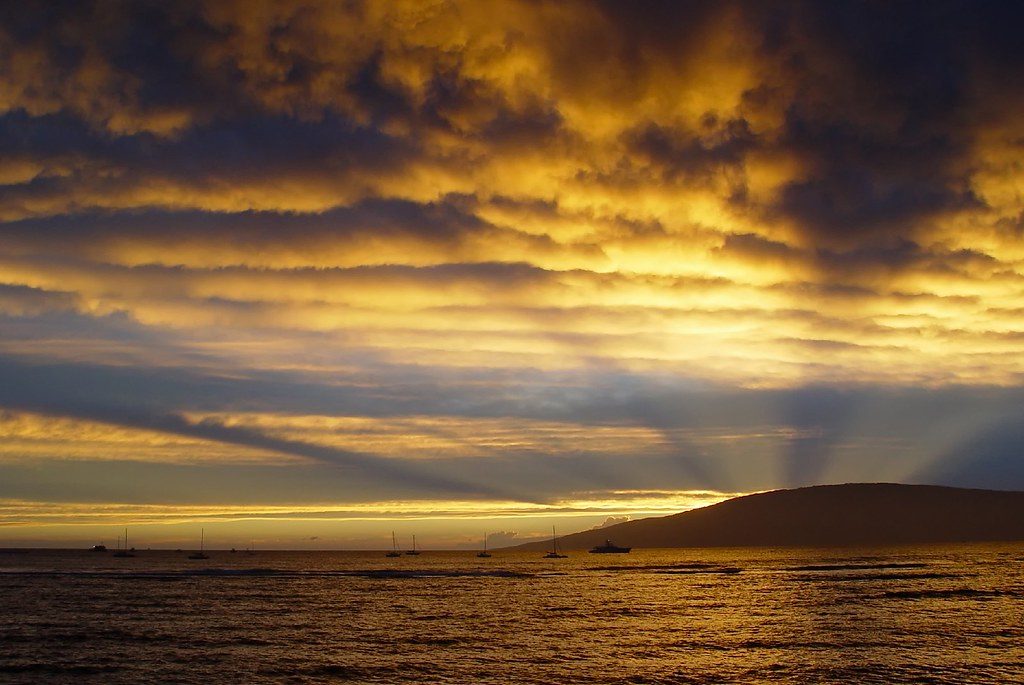
Hawaii is another place where shark encounters are more likely compared to many other regions. The islands sit in the middle of the Pacific Ocean, surrounded by deep water where many shark species naturally live. Tiger sharks are the most commonly involved species in incidents here.
Surfing is a major part of Hawaiian culture, and surfers often spend time in deeper offshore waters where sharks may be present. Murky water after storms or river runoff can also increase the chance of encounters because visibility is lower for both sharks and people.
California sees occasional shark encounters in the Pacific
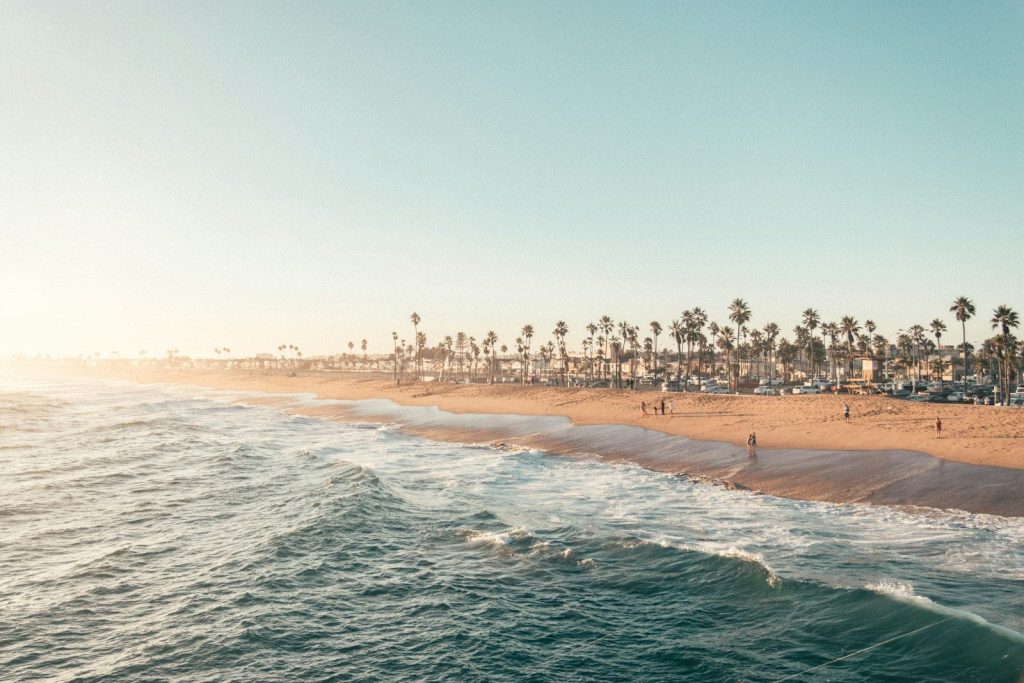
California has a long Pacific coastline where great white sharks are commonly found. These sharks often swim near seal colonies along beaches and rocky shorelines. However, shark encounters in California are still rare compared to the number of people who go into the ocean every year.
Most incidents happen in areas where surfers and seals share the same waters. Even then, serious attacks are uncommon because great white sharks usually do not view humans as prey. Many encounters are brief and result in the shark quickly swimming away after investigating.
Brazil’s Recife region is a known risk zone
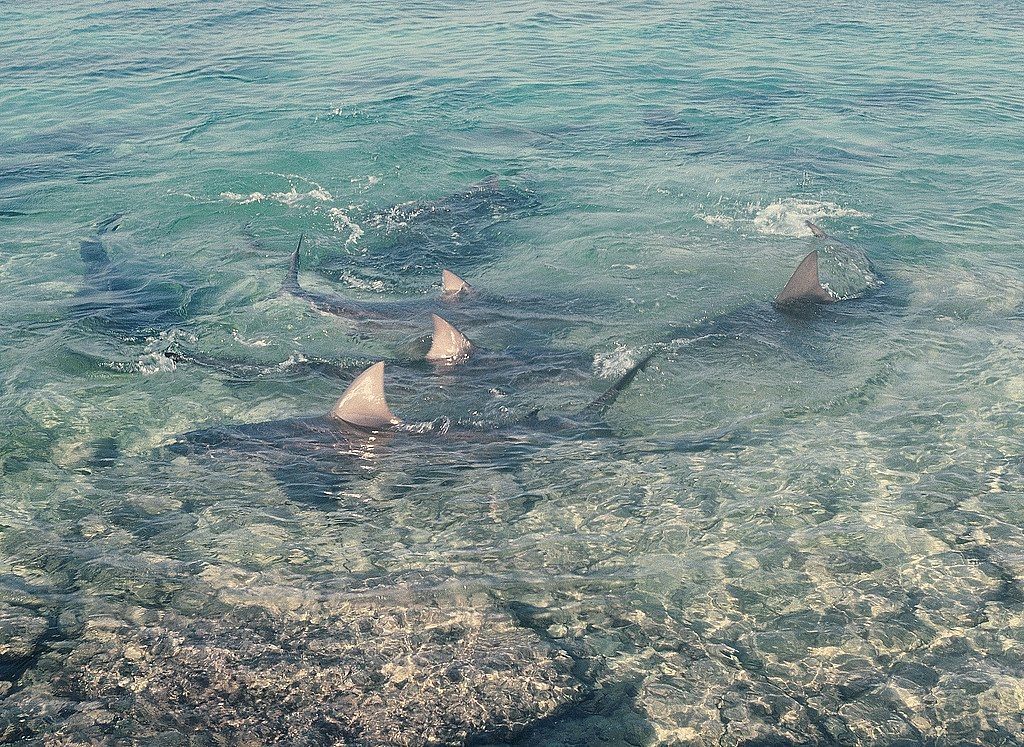
Recife, in northeastern Brazil, is one of the more well-known shark hotspots in the Southern Hemisphere. The area has a mix of shallow reefs, river outlets, and warm tropical waters, which create conditions where sharks can move close to shore. Bull sharks are especially common here.
The combination of strong currents and human swimming activity has led to more serious incidents compared to many other beach destinations. Local authorities have taken steps to reduce risk, but natural conditions in the area still make it a place where caution is important.
Leave a Reply