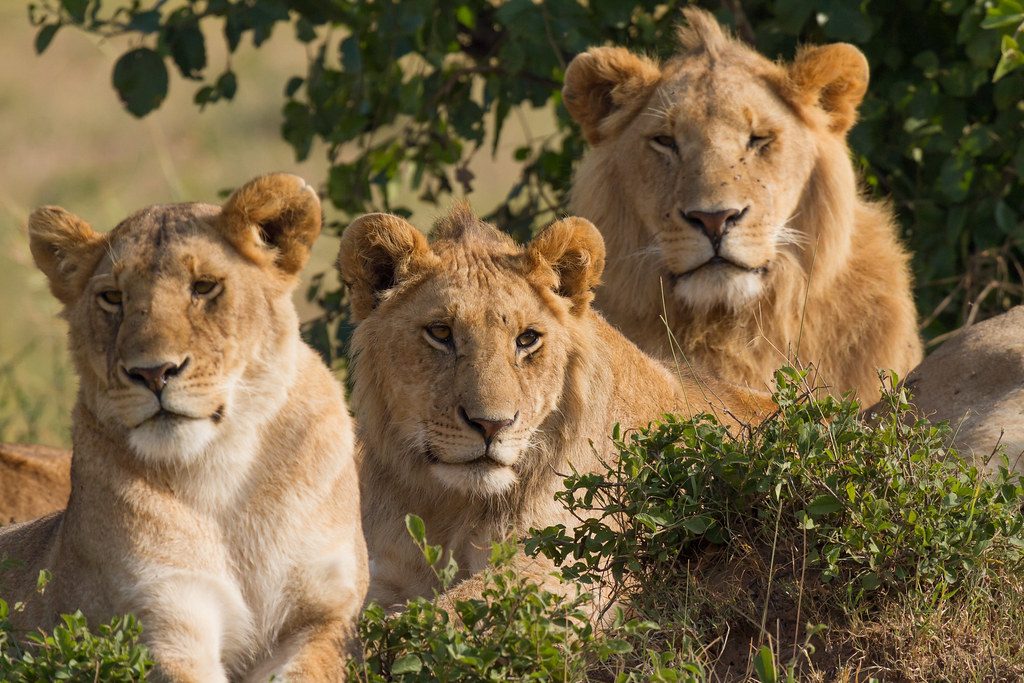
When lions hunt together, it can look like pure chaos, turning into a devastating massacre in the wild. But behind this intense scene is a smart survival strategy that helps lions bring down animals much bigger and faster than any single lion could handle alone. The phrase lions hunting together often brings up images of power, speed, and teamwork on the African savanna. In reality, this behavior is not random at all. It is carefully organized, highly physical, and based on instinct and learned group behavior.
In this article, you will learn how lion prides work during a hunt, why they rely on teamwork, and how they take down large prey step by step. You will also understand the roles different lions play, what makes group hunting successful, and why even these powerful predators do not always win. The goal is to give you a clear, simple, and accurate view of how lions survive in the wild using group hunting.
How lion prides are structured for hunting
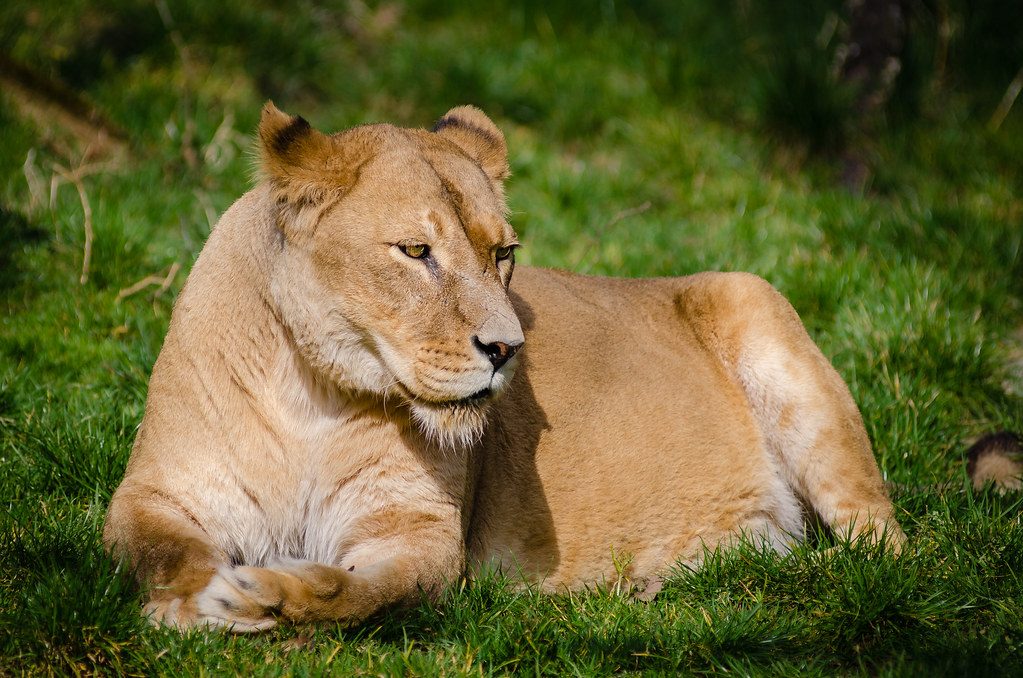
Lions are unique big cats because they live in groups called prides instead of living alone like tigers or leopards. A pride usually includes related females, their cubs, and a smaller number of adult males. The females stay in the pride for life, which helps them build strong cooperation skills over time. Males often join or leave different prides depending on territory control.
This structure is important for hunting because it creates a stable team of experienced lionesses who already know each other well. Most of the hunting work is done by the females because they are lighter, faster, and better at coordinated movement. Males usually focus more on protecting the pride from outside threats, but they can join hunts when the prey is large and dangerous. The pride system is what allows lions to attempt hunts that solo cats would never risk.
Why lions hunt together instead of alone
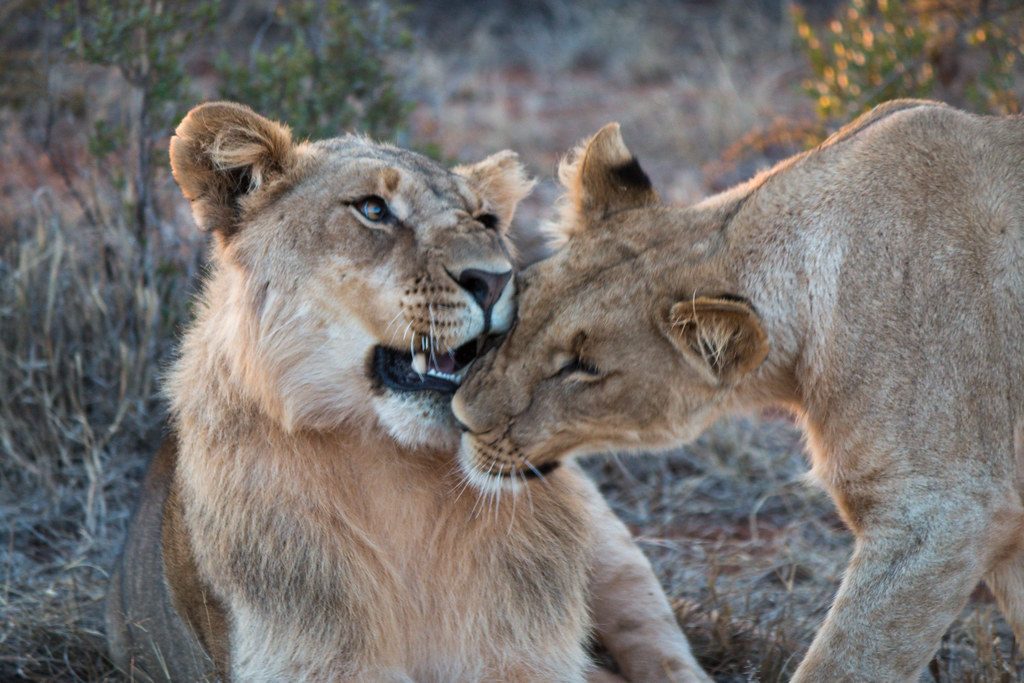
Lions do not always hunt together, but they often do when the prey is difficult or dangerous. Hunting in groups increases their chances of success, especially when targeting large animals like zebras, wildebeests, or buffalo. A single lion would struggle to overpower these animals, but a group can control movement and reduce escape routes.
However, group hunting is not perfect. It also means the kill must be shared, which can create competition inside the pride. Because of this, lions sometimes hunt alone when the prey is small or easy to catch. Researchers have observed that coordination increases mainly when the target is stronger or more dangerous. This balance between teamwork and solo hunting helps lions save energy while still surviving in tough environments.
The step-by-step process of a group hunt
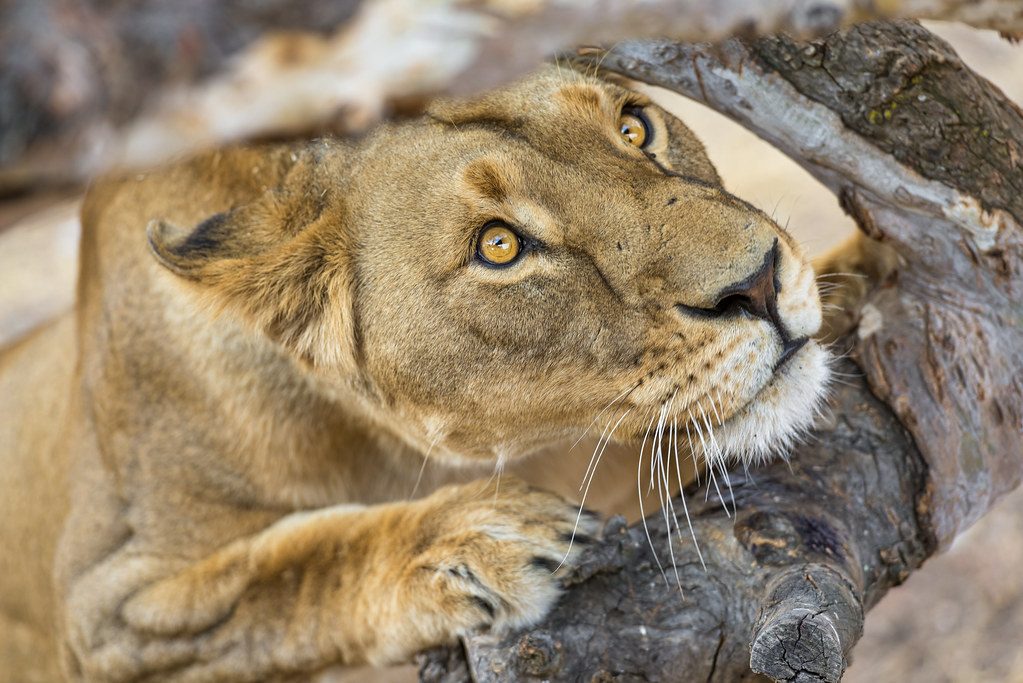
A group lion hunt usually begins with silent stalking. Lionesses spread out and move low to the ground, using tall grass or shadows for cover. They rely on patience and careful positioning instead of speed at first. Their goal is to get as close as possible without being seen or smelled by the prey.
Once they are close enough, the pride begins the attack. Some lions act as drivers, pushing the herd forward, while others wait in hidden positions to ambush. This creates panic in the herd, making animals run in the direction of waiting lions. The final moments are extremely fast and intense, with lions sprinting short distances to grab one target and bring it down using their claws and powerful bites.
Roles each lion plays during the hunt
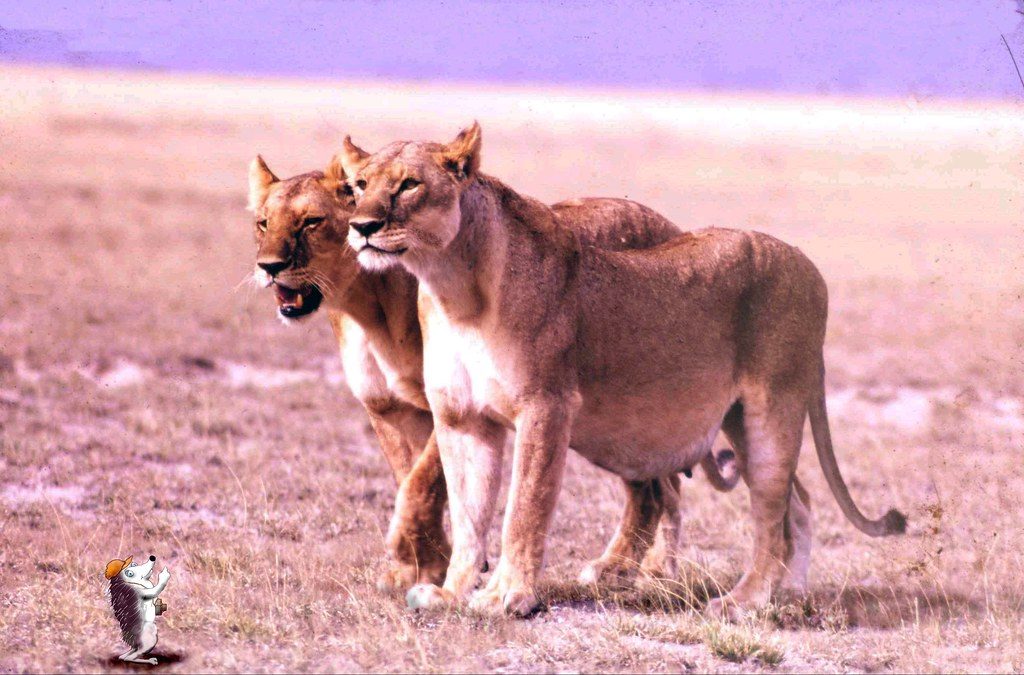
Not every lion in the pride does the same job during a hunt. Lionesses often take different positions based on experience, strength, and timing. Some are better at leading the chase, while others are better at ambush attacks. This silent teamwork helps the pride control the movement of prey animals more effectively.
Stronger lionesses often take central positions during the final attack, while others stay on the sides to block escape routes. Males, when involved, usually use their strength to help overpower large prey or protect the group from interference like hyenas. Even though it looks chaotic, each lion has a role that increases the overall chance of success for the group.
Why group hunts can look like a massacre
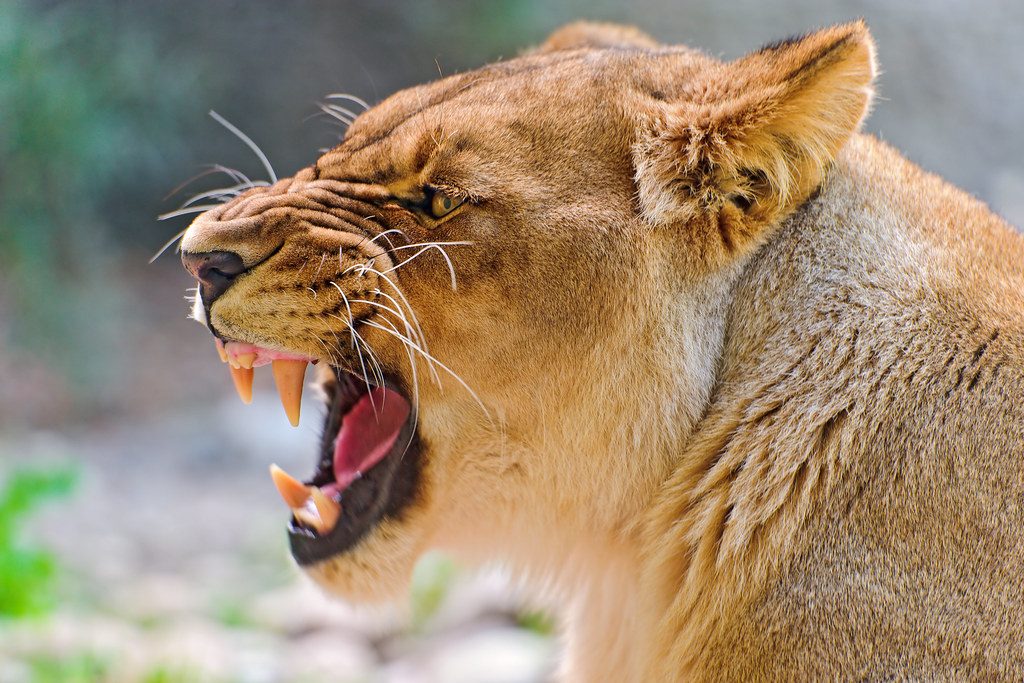
When lions finally catch their prey, the scene can look extremely violent and overwhelming. Multiple lions may jump onto the same animal, pulling it down from different sides. This creates a fast and forceful takedown that can appear like a sudden “massacre” in nature documentaries. However, this behavior is purely survival based, not emotional.
Once the prey is down, lions quickly secure it because other predators like hyenas may try to steal the food. Lions often eat fast and aggressively, especially in larger groups where competition is high. Even though it looks brutal, this behavior is necessary in the wild where food is never guaranteed, and every meal must be defended.
Success rate and reality of lion hunts
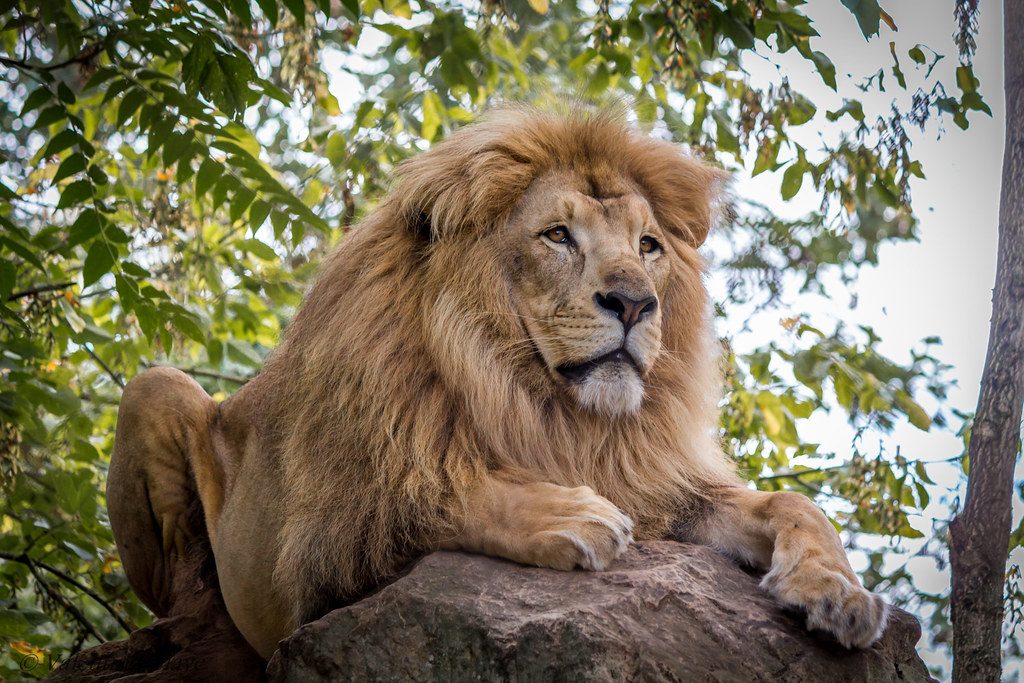
Even though group hunting looks extremely powerful, lions do not succeed every time. Many hunts fail because prey animals are fast, alert, and capable of escaping. Lions also tire quickly since they rely on short bursts of speed instead of long chases. This means every hunt carries risk and uncertainty.
Studies and field observations show that teamwork improves success but does not guarantee a kill. Environmental factors like wind direction, terrain, and herd awareness can all cause a hunt to fail. Because of this, lions must hunt regularly and rely on both skill and luck to survive in the wild.
Leave a Reply