Many animals live for years, decades, or even centuries, but some survive for only a few days or weeks. These short-lived animals show how fast life can move in nature. The topic of short-lived animals helps us understand how different species adapt to survive and reproduce quickly before their time runs out. In this article, you will learn about some of the most surprising animals with extremely short lifespans.
From tiny insects to small mammals, each of these species plays an important role in its ecosystem. Even though their lives are brief, they reproduce fast and support the food chain in important ways. By the end, you will see how nature uses short lifespans as a powerful survival strategy.
Mayflies have one of the shortest lives in nature
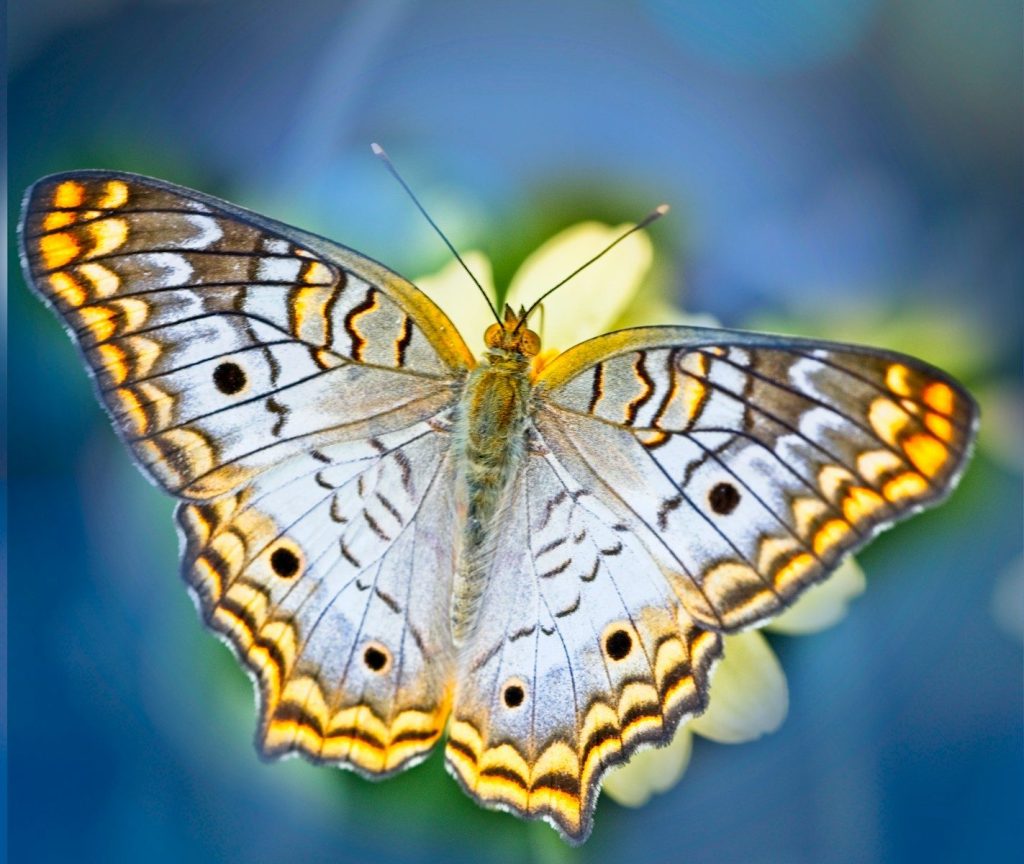
Mayflies are known for having one of the shortest lifespans in the animal kingdom. Most adult mayflies live for only about one day. There are thousands of species living in freshwater environments worldwide. Even though their adult life is very short, they spend an important part of their early life in water as larvae.
Mayflies also play a key role in science and ecosystems. Their presence helps researchers understand water quality because they live in clean and oxygen-rich water. Some species can lay more than 10,000 eggs in their short adult life. This helps ensure their species continues, even with such a brief lifespan.
Fruit flies live fast and reproduce quickly
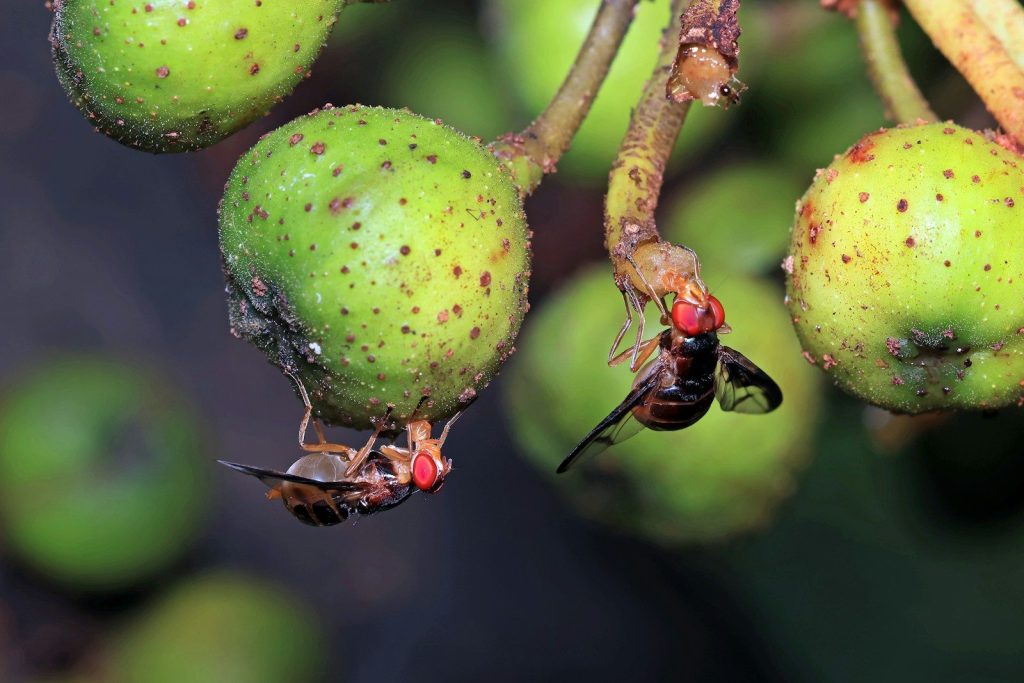
Fruit flies are small insects often seen near food, especially fruit. They are found on almost every continent and are well known for their very short lives. In warm outdoor conditions, they live for 10 to 14 days, but in controlled environments, they may survive up to 2 months.
Fruit flies are also widely studied in science because they reproduce quickly. A female fruit fly can lay about 500 eggs in her lifetime. Their fast breeding cycle helps the species survive despite their short lifespan. This quick life cycle also makes them useful for genetic research.
Mosquitos survive just long enough to reproduce
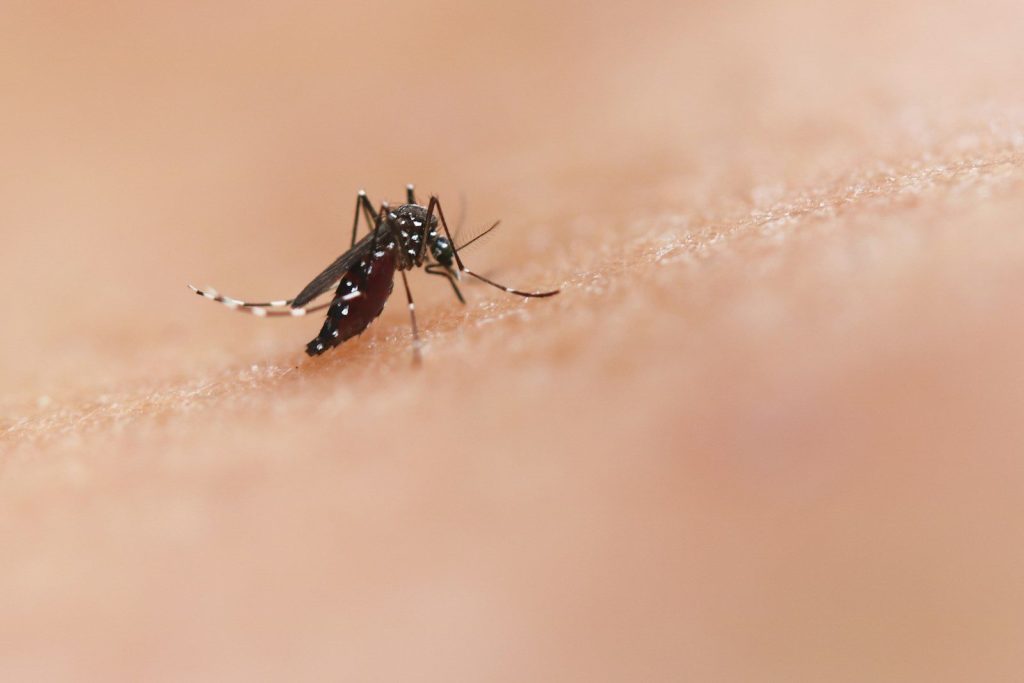
Mosquitoes are small insects that feed on blood. On average, they live for about two weeks. However, some species can live much longer depending on conditions. In some cases, adult mosquitoes can hibernate for months, extending their lives significantly.
Female mosquitoes can lay up to 300 eggs at a time and may do so multiple times in their lives. This helps their population grow quickly. Even though they are short-lived, mosquitoes can survive in many environments, including very cold regions where they may hibernate for long periods.
Worker bees have different lifespans by season
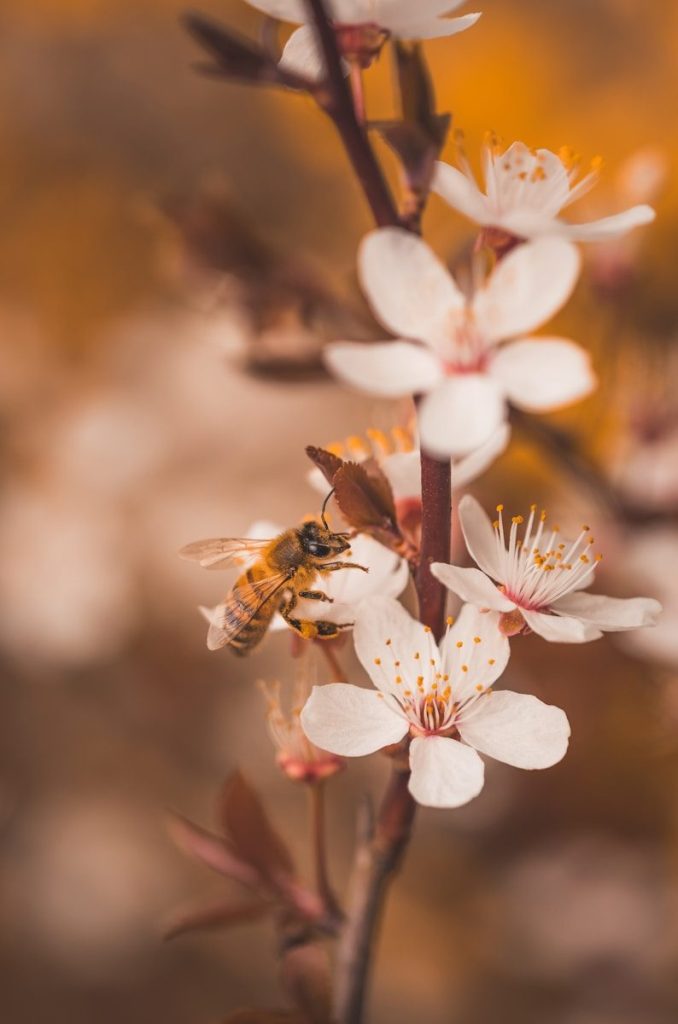
Worker bees are non-reproductive female bees in a colony. Their lifespan varies with the season. In summer, they may live for about 40 days, while in winter, they can live up to 140 days. Other species of worker bees may live only two to six weeks.
Even though their lives are short, worker bees play a major role in nature. They help pollinate crops and flowering plants, which supports ecosystems and food production. Honeybees alone are responsible for pollinating billions of dollars’ worth of crops every year, making them extremely important for the human food supply.
Labord’s chameleons live only a few months
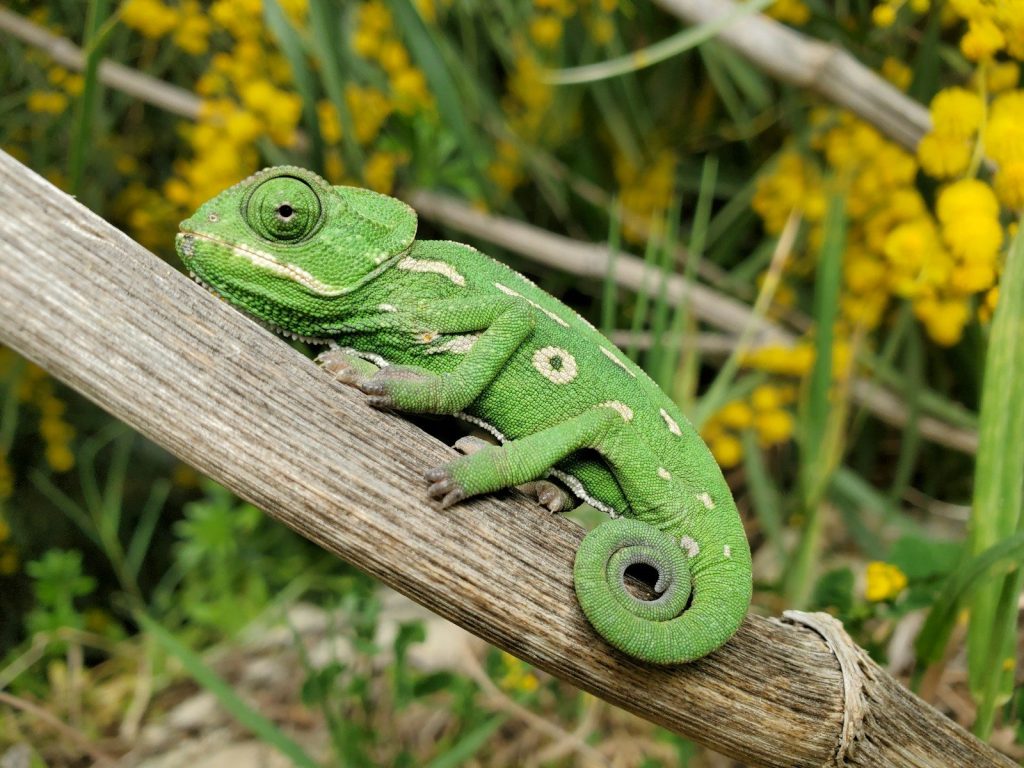
Labord’s chameleons are the shortest-living reptiles known. In the wild, they live only about 2 to 3 months. They are found in forests in Madagascar. Even though their adult life is very short, they spend many months developing before they hatch.
These chameleons reach sexual maturity quickly, around 60 days into their short lives. Both males and females must reproduce before they die. Their life cycle includes a long incubation period followed by a very short active life, making their survival strategy unique among reptiles.
House mice live briefly but spread widely
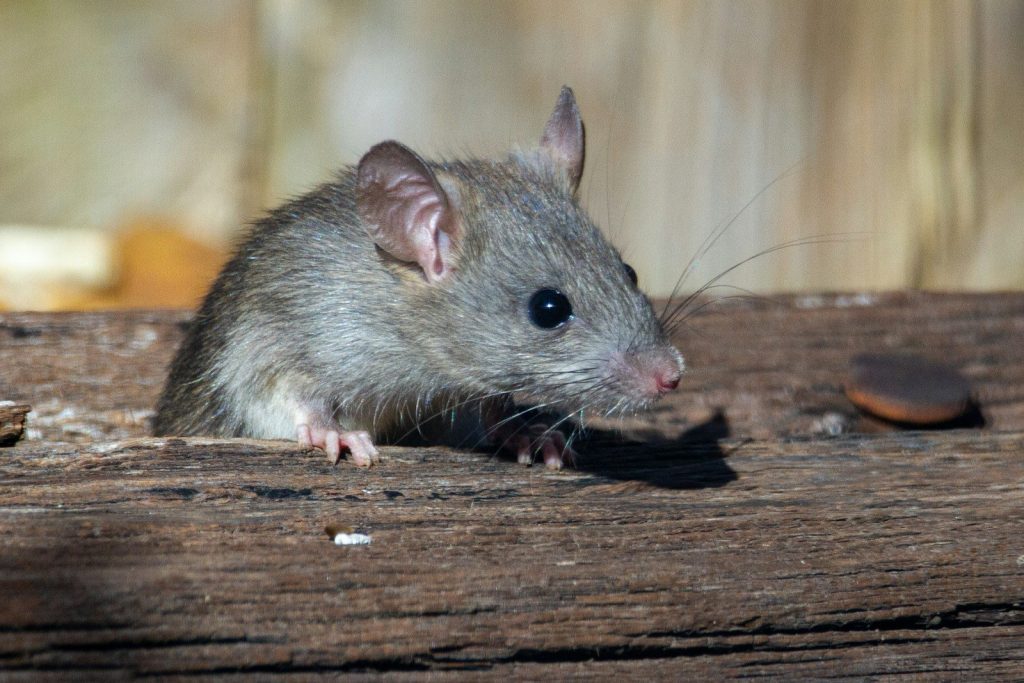
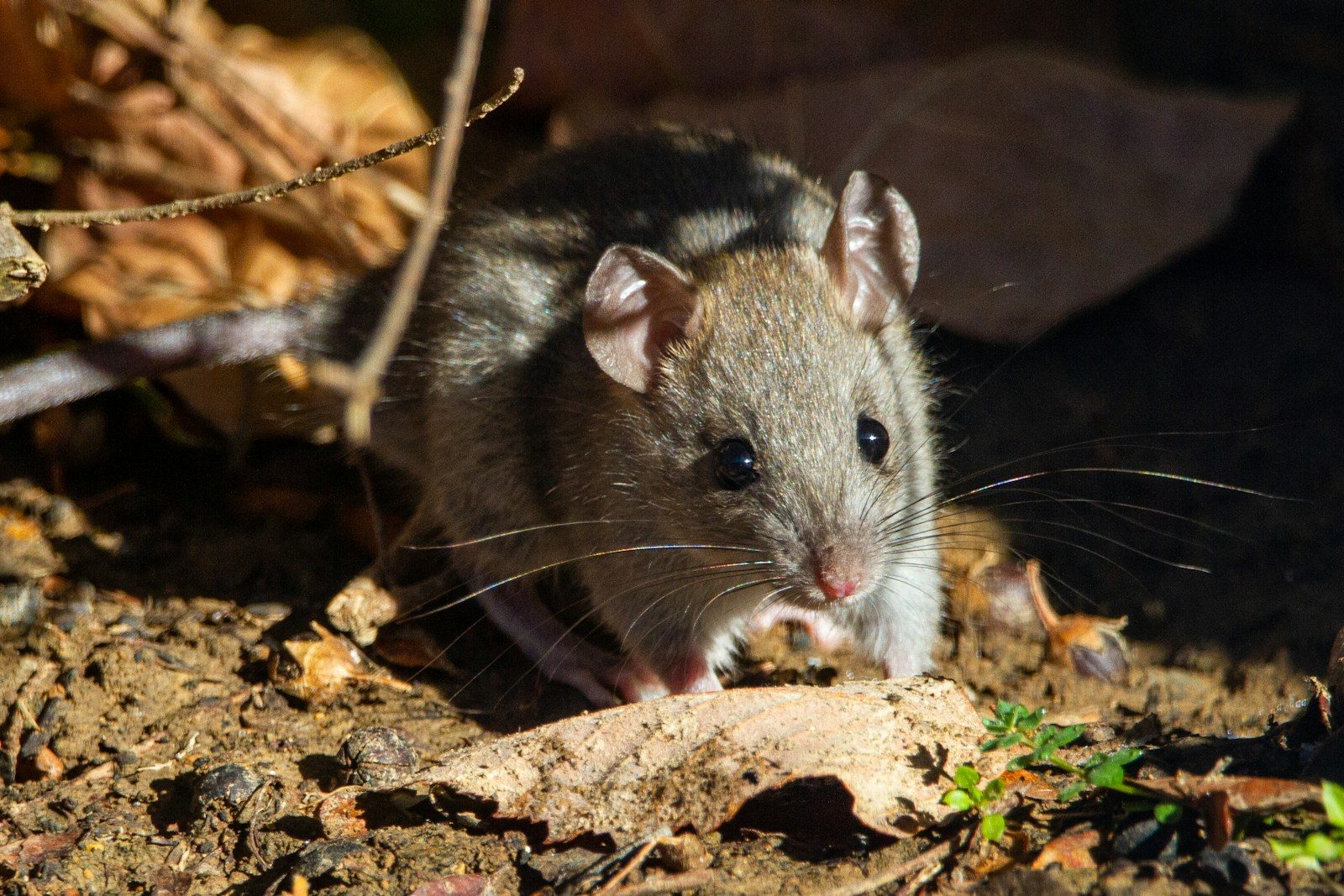
House mice are small rodents found almost everywhere in the world. In the wild, they usually live around three to four months, although some can survive up to 18 months. In captivity, they may live much longer, sometimes up to 26-30 months.
These mice are known for their fast reproduction and adaptability. They can survive in many environments and are often used in scientific research. Even though their lives are short in the wild, they are common in ecosystems and serve as food for many predators.
Leave a Reply