
The loudest animals on earth are not just large ocean giants. Some are tiny insects and small creatures that can produce sounds strong enough to hurt human ears. From deep oceans to forests and rivers, nature is full of powerful noise makers that use sound to survive, find mates, or warn others.
In this article, you will learn about some of the most surprising loud animals in the world. You will see how they use sound, how far their calls can travel, and why some are even louder than machines like jet engines or rock concerts. The information is based solely on real examples of nature’s most powerful sound-makers.
Ocean giants that dominate underwater sound
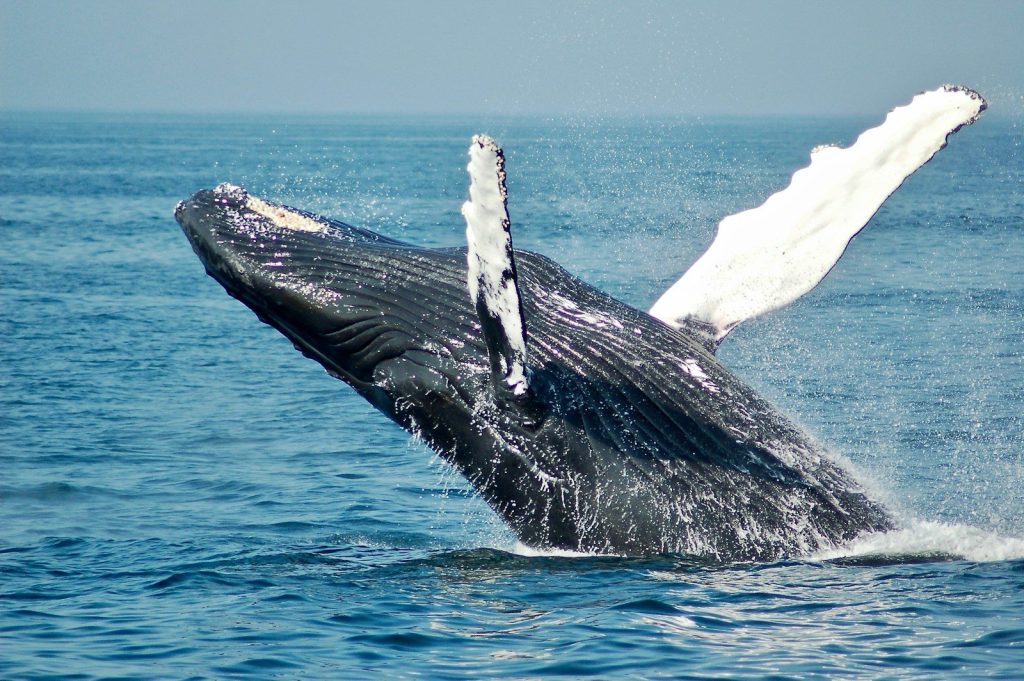
Blue whales, sperm whales, and bowhead whales are among the loudest animals in the sea. Blue whales produce deep calls that reach up to 188 decibels and can travel hundreds of miles underwater. Sperm whales use clicking sounds that can reach up to 230 decibels, while bowhead whales create long songs reaching around 159 decibels.
These sounds help them communicate across vast oceans where visibility is low. Blue whales use calls during migration, sperm whales use clicks to hunt deep prey, and bowhead whales use long vocal patterns to communicate in Arctic waters. Northern elephant seals, southern elephant seals, and Atlantic spotted dolphins also contribute to underwater noise. Northern elephant seals can reach up to 131 decibels, while Atlantic spotted dolphins can produce whistles up to 163 decibels.
Bats and insects with extreme sound levels
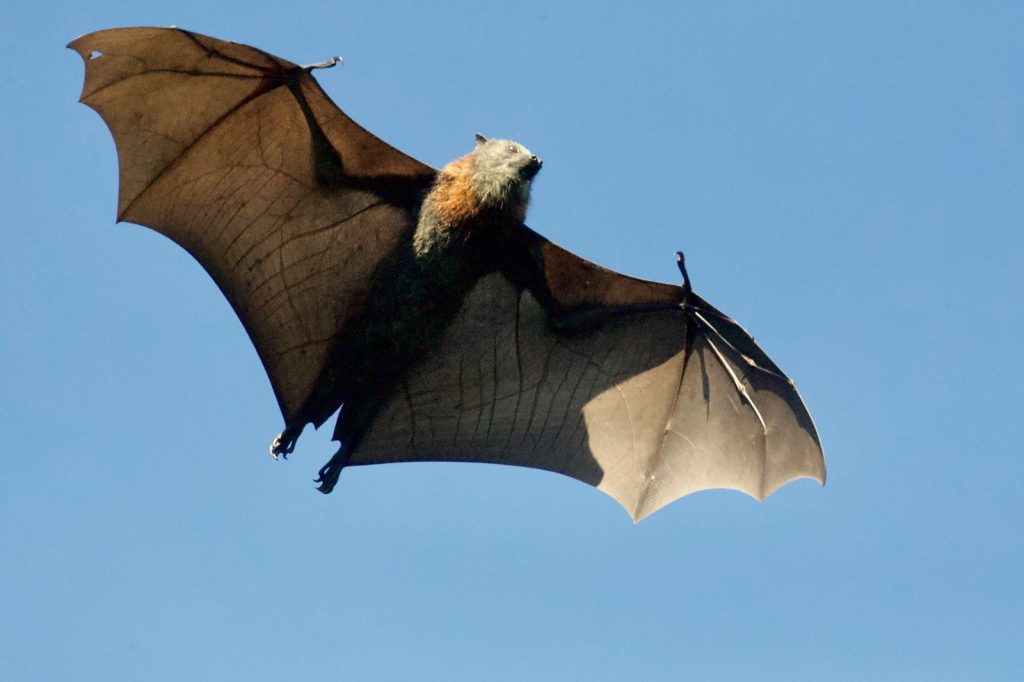
Greater bulldog bats, lesser bulldog bats, African cicadas, mole crickets, water boatmen, and Synalpheus pinkfloydi show how small creatures can produce extreme sound levels. Greater bulldog bats can reach up to 140 decibels, while lesser bulldog bats reach about 137 decibels. African cicadas produce mating calls up to 107 decibels, and mole crickets create loud churring sounds underground.
These animals mainly use sound for survival and reproduction. Bats rely on echolocation to find food and move safely, while cicadas and crickets use sound to attract mates during breeding seasons. Water boatmen and Synalpheus pinkfloydi also show extreme noise power. Water boatmen produce loud underwater mating songs, while Synalpheus pinkfloydi snapping shrimp can reach up to 210 decibels using a claw snap that creates a shockwave bubble.
Land mammals with powerful calls
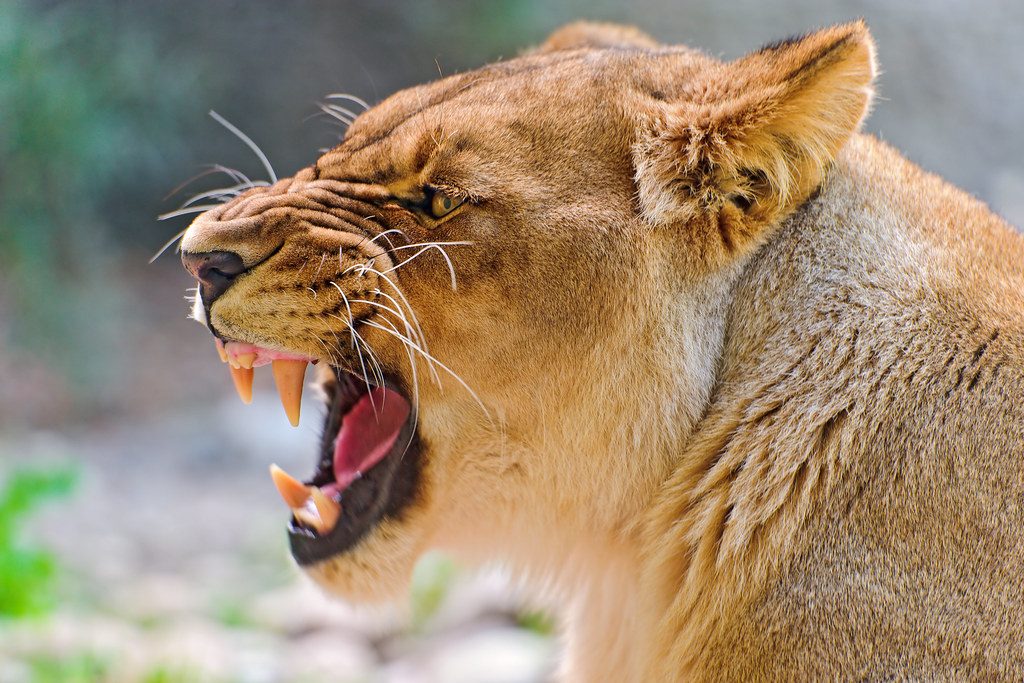
Lions, hippos, spotted hyenas, howler monkeys, northern elephant seals, and southern elephant seals are among the loudest land and coastal animals. Lions can roar up to 114 decibels, while hippos can reach about 115 decibels. Spotted hyenas use loud giggles and whooping sounds to communicate within groups.
These animals use sound to show strength, warn rivals, and stay connected. Lions use roaring to mark territory, hyenas use laughter-like calls to signal social status, and hippos use deep sounds above and below water. Howler monkeys and elephant seals are also extremely loud. Howler monkeys can be heard up to 3 miles away, while northern elephant seals can reach 131 decibels during dominance battles.
Underwater hunters and shockwave creators
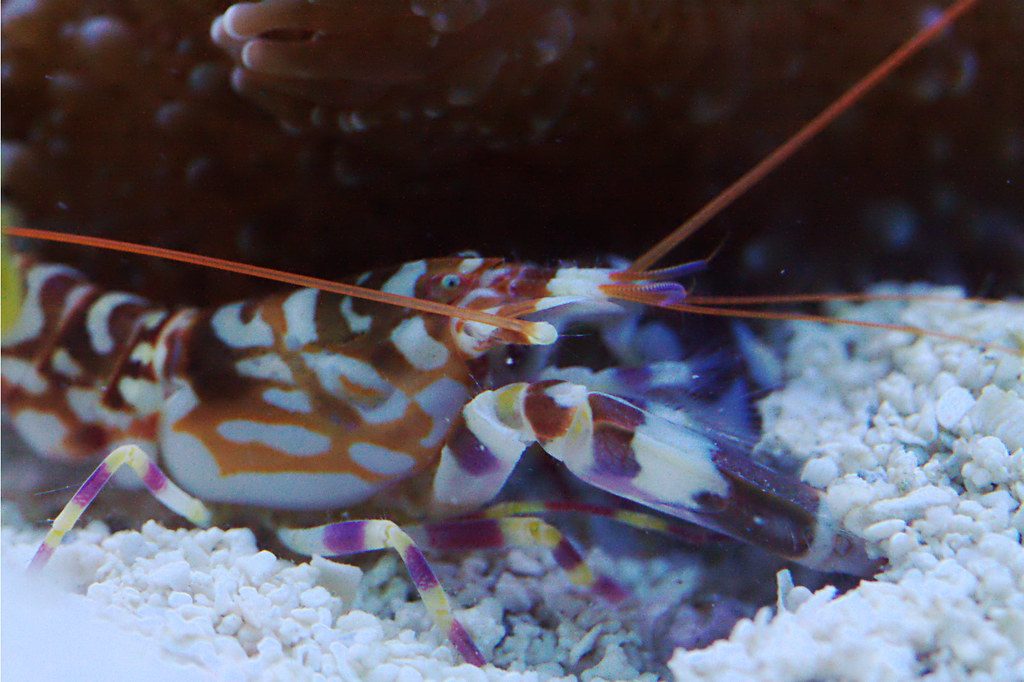
Tiger pistol shrimp (Synalpheus pinkfloydi) and Atlantic spotted dolphins demonstrate the power of underwater sound. Tiger pistol shrimp can reach up to 200 decibels, while Synalpheus pinkfloydi can reach about 210 decibels through a snapping claw that creates a shockwave bubble. Atlantic spotted dolphins also use whistles and other vocal signals to communicate and coordinate underwater movement.
These animals rely on sound to survive in deep, dark oceans where visibility is limited. The shrimp species use sudden claw snaps to stun prey and create powerful pressure waves in the water. Dolphins depend on sound-based communication to stay connected, move in groups, and respond quickly in their environment.
Forest and field sound makers
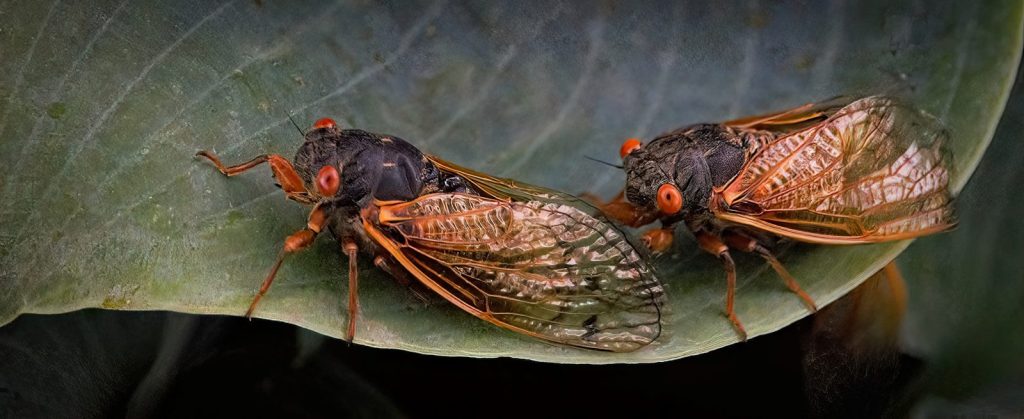
African cicadas, mole crickets, water boatmen, salmon-crested cockatoos, howler monkeys, and spotted hyenas are loud animals found in forests, fields, and wetlands. Cicadas produce mating calls up to 107 decibels, while mole crickets create rhythmic sounds in underground burrows. Water boatmen produce loud underwater mating signals.
These animals use sound mainly for communication and reproduction. Cicadas and crickets rely on sound to attract mates, while water boatmen use vibration-based signals in water environments. Salmon-crested cockatoos, howler monkeys, and spotted hyenas also make strong natural noises. Cockatoos can reach up to 129 decibels, howler monkeys can travel miles through forests, and hyenas use loud laughter-like calls during social conflicts.
Record-breaking decibel levels in nature
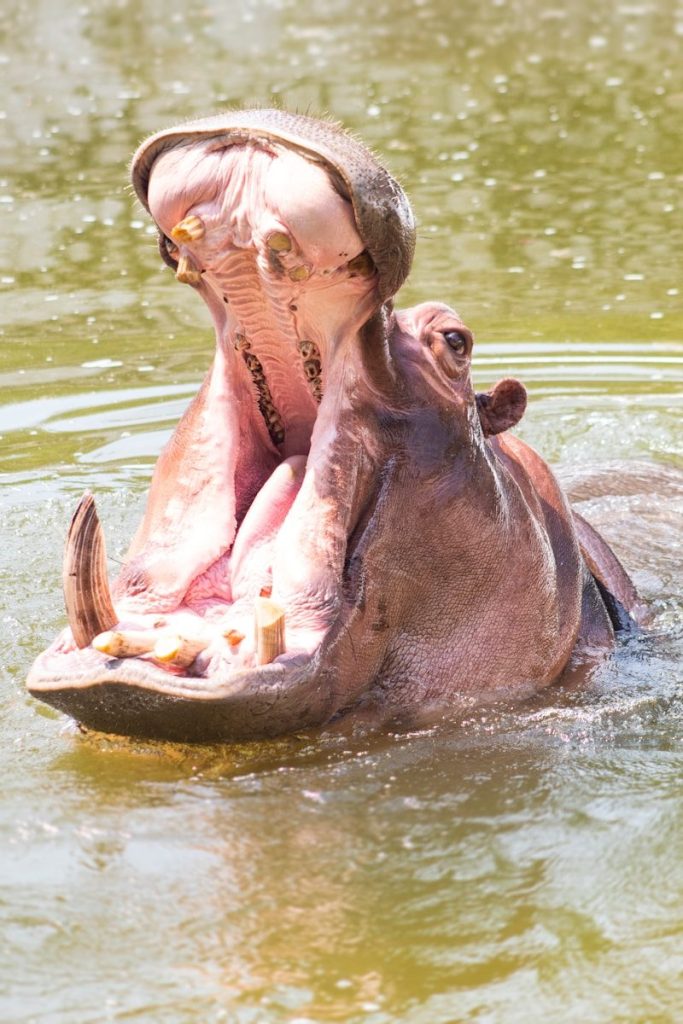
Blue whales, sperm whales, tiger pistol shrimp, greater bulldog bats, hippos, and northern elephant seals show some of the most extreme sound levels in nature. Blue whales produce powerful low-frequency songs, while sperm whales can reach up to 230 decibels with clicks.
These animals use sound in very different ways. Blue whales and hippos use it for communication over long distances, while sperm whales use it for hunting and navigation in deep water. Northern elephant seals use loud calls during breeding battles. Tiger pistol shrimp and bats show that small animals can also be extremely loud. The shrimp reaches up to 200 decibels using a snapping claw, while bats use echolocation calls up to 140 decibels to move and hunt.
Leave a Reply