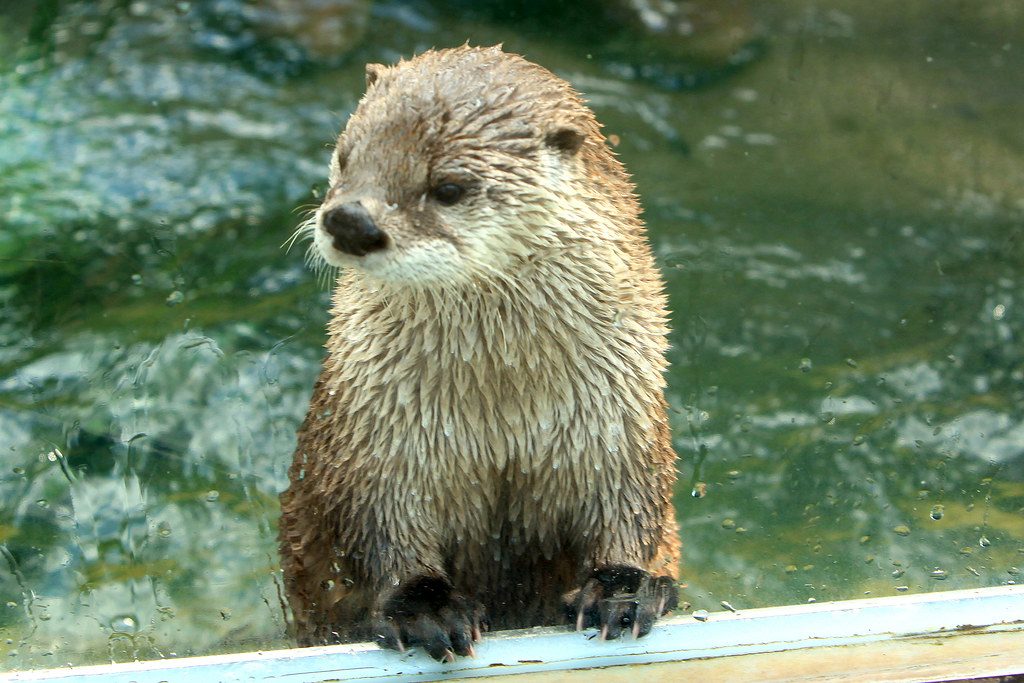
If you think otters are just cute animals that float on their backs and hold hands, there is a lot more going on beneath the surface. These playful mammals are actually smart, skilled hunters with powerful survival abilities that help them live in rivers, lakes, and oceans around the world. Many people search for “fascinating facts about otters” because they want to understand how these animals eat, survive, and behave in the wild.
In this article, you will discover surprising and verified facts about otters that show how unique they really are. From their super-thick fur to their clever hunting tricks, each fact will help you see otters in a whole new way.
Otters have some of the densest fur in the animal world
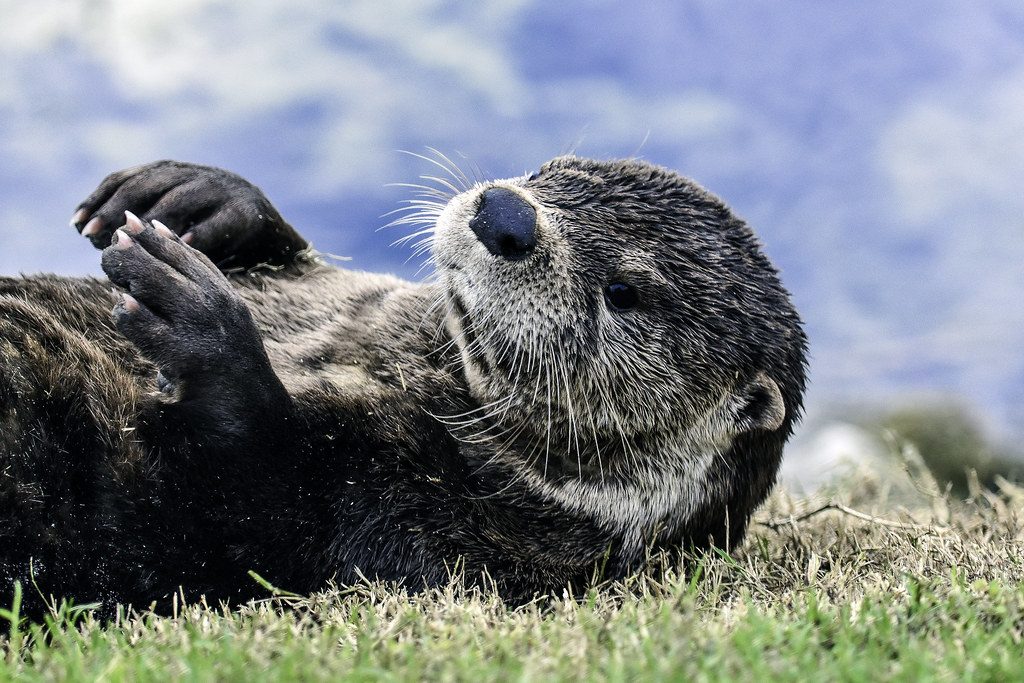
Otters are famous for their thick, waterproof coats, which are among the densest fur layers of any mammal. Some species have hundreds of thousands of hairs in just one square inch of skin. This thick fur traps air close to their bodies, which helps keep them warm even in freezing water. Unlike seals or whales, otters do not have a thick layer of fat called blubber, so their fur is their main protection against cold temperatures.
Because their survival depends on clean fur, otters spend a large part of their day grooming. They roll, rub, and clean their coats to keep them fluffy and air-filled. If their fur gets dirty or matted, water can reach their skin and they can lose body heat very quickly. This is why grooming is not just a habit for otters, but a matter of life and death in cold environments.
Sea otters use tools like natural “hammers”
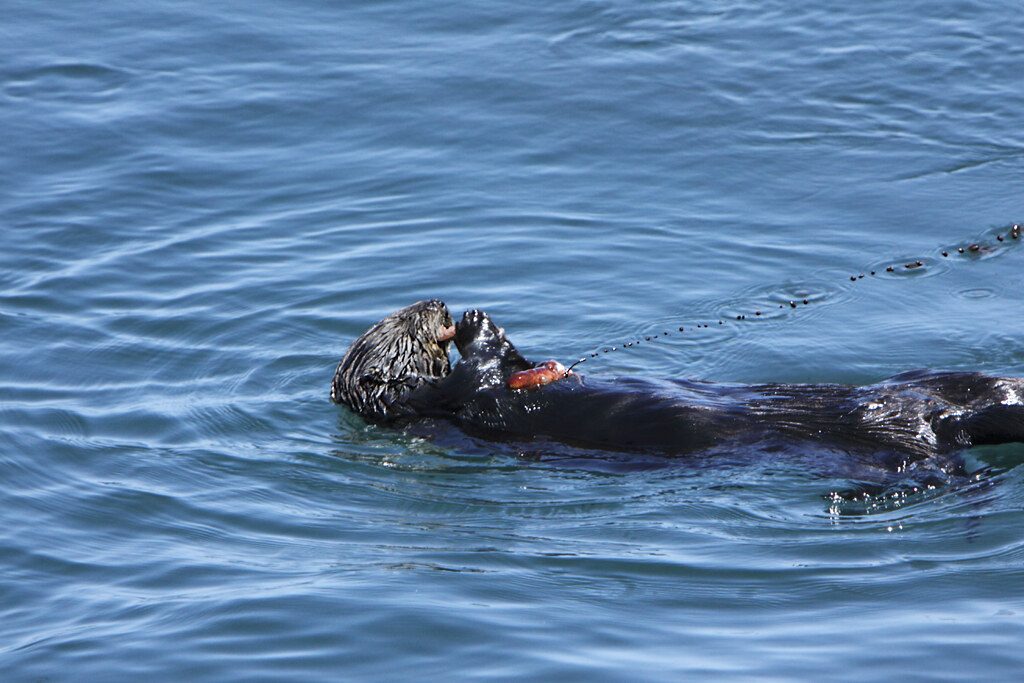
One of the most surprising facts about sea otters is that they use tools, which is rare in the animal world. Sea otters often use rocks to break open hard shells like clams, mussels, and sea urchins. They float on their backs in the water and place the rock on their chest like a small workbench. Then they smash the shell open with quick, strong hits.
This tool helps them eat foods that would otherwise be too difficult to access. It also protects their teeth from damage caused by biting hard shells directly. Some otters even keep their favorite rocks with them by storing them in loose skin pockets under their arms. This behavior shows that otters are not only playful but also highly intelligent problem solvers.
Otters are powerful hunters with sensitive whiskers
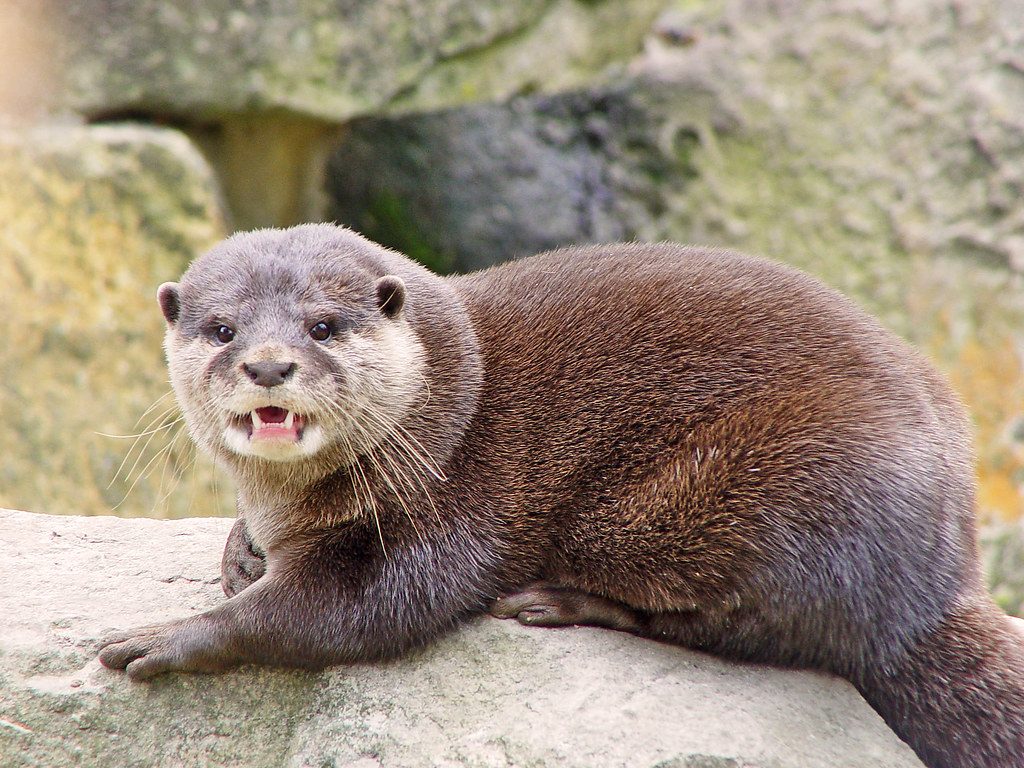
Otters may look playful, but they are skilled hunters. They mainly eat fish, crabs, frogs, and other small water animals. River otters usually chase fish underwater with quick and agile movements. Sea otters often search the ocean floor for shellfish and sea urchins, which are a major part of their diet.
Their whiskers play a big role in hunting success. These whiskers are extremely sensitive and can detect tiny movements in the water. Even in dark or muddy rivers, otters can sense fish swimming nearby without needing to see them clearly. This special ability helps them hunt in different environments, whether it is a clear river or a cloudy coastal sea.
Otters play an important role in keeping ecosystems balanced
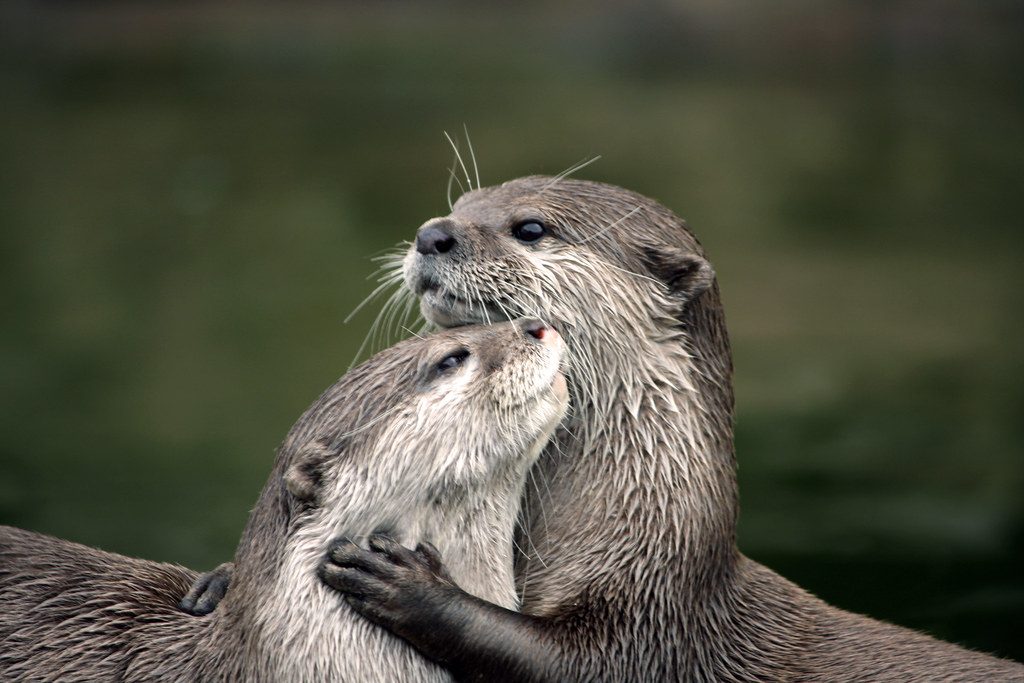
Otters are not just important for themselves, but also for the environment around them. In ocean ecosystems, sea otters help protect kelp forests by eating sea urchins. Without otters, sea urchins can multiply and destroy large areas of kelp, which many fish and sea animals depend on for shelter and food.
By controlling sea urchin populations, otters help keep the underwater ecosystem healthy and balanced. This makes them what scientists call a “keystone species,” meaning their presence has a big impact on many other living things. When otters return to an area, entire ecosystems can recover and become more diverse again.
Otters are highly social and communicate in many ways
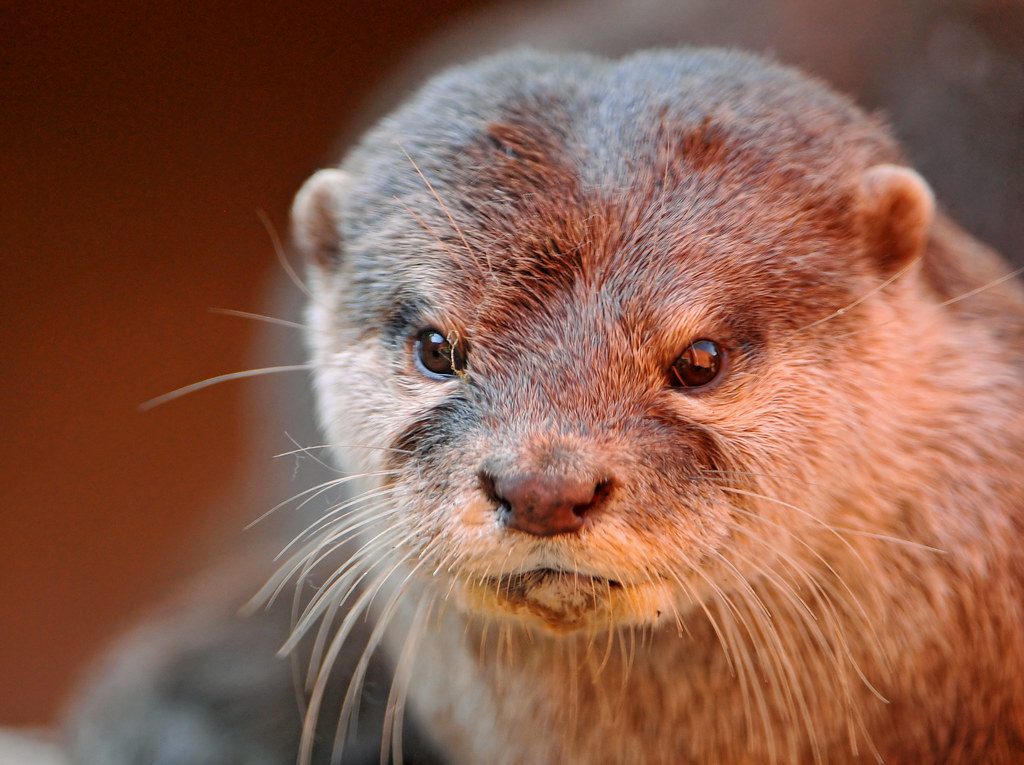
Otters are known for their playful behavior, but they are also social animals that communicate with each other in several ways. They use sounds like whistles, growls, and chirps to talk to nearby otters. They also use body movements and scent markings to share information about territory and identity.
Some otters are often seen floating together in groups called rafts, especially sea otters resting in calm water. In these groups, they sometimes hold hands to avoid drifting apart. This behavior is not just cute; it also helps them stay together for safety. Social bonding is an important part of otter life, especially for mothers raising young pups.
Otters adapt to both land and water environments
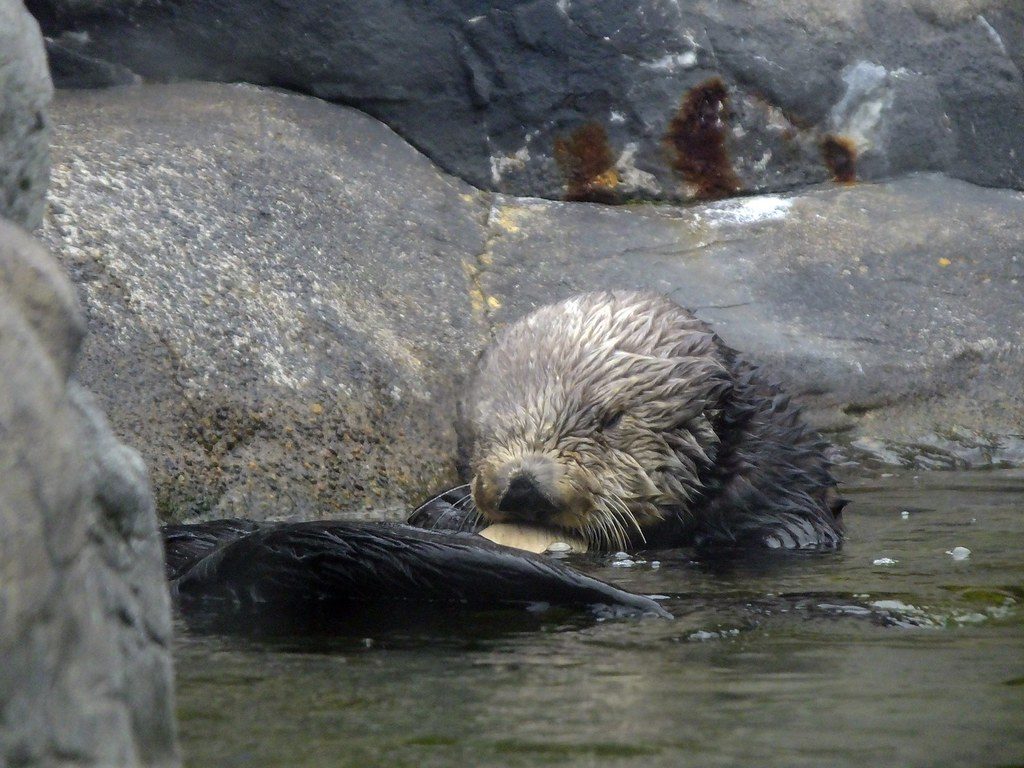
Different types of otters are adapted to different environments, but most can move easily between land and water. River otters often travel across land to find new waterways, while sea otters spend most of their lives in the ocean. Their bodies are built for swimming, with webbed feet and strong tails that help them move quickly through water.
Even though they are strong swimmers, otters still need safe resting places on land or in sheltered areas. They use dens near rivers, lakes, or coastlines to sleep and raise their young. Their ability to adapt to both land and water gives them a survival advantage in changing environments, allowing them to live in many parts of the world.
Leave a Reply