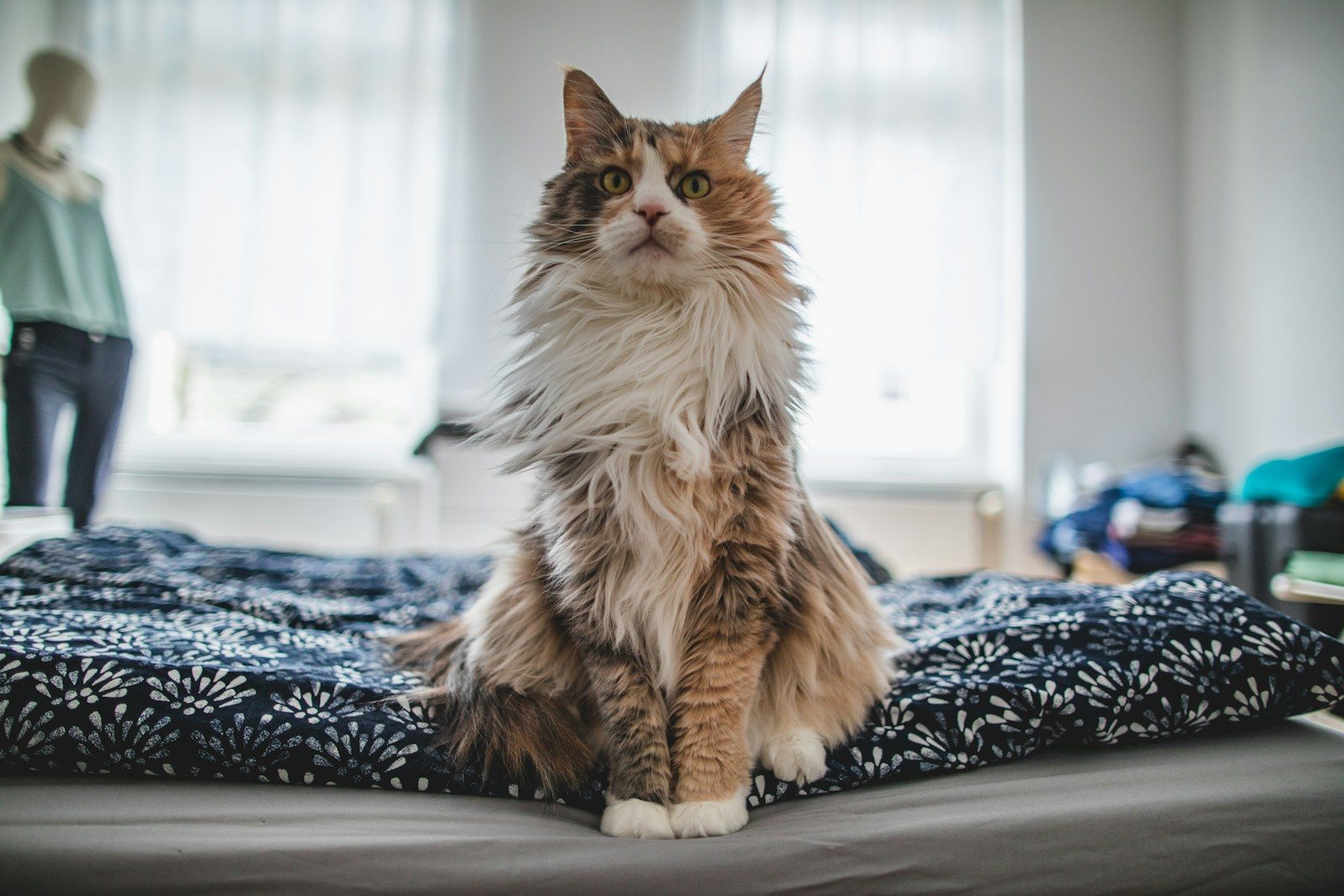
Indoor cats are often seen as calm and easy pets, but many owners overlook an important issue: their boredom. A cat may look relaxed, but that does not always mean it is mentally happy or fully stimulated. When cats spend all their time indoors without enough activity or mental stimulation, they can become bored, which can affect both behavior and health.
This article explains how to spot boredom in indoor cats and what you can do to help. You will learn the common signs, the risks of low stimulation, and simple ways to improve your cat’s daily life. With the right care and environment, indoor cats can live happier, healthier lives without needing outdoor freedom.
Why indoor cats get bored
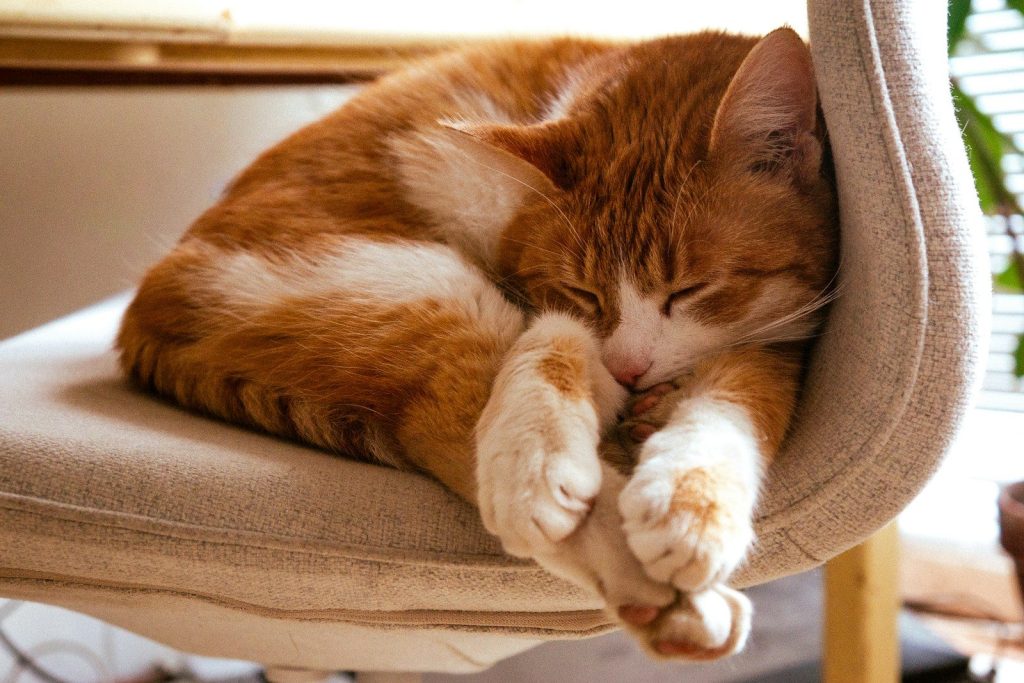
Indoor cats may seem satisfied because they sleep for many hours a day, but experts say this can sometimes hide a lack of stimulation. Cats are natural hunters, climbers, and explorers. When they lose chances to use these instincts, their environment can feel dull and repetitive. Even if they are safe indoors, their minds may not be fully engaged.
Veterinarians explain that boredom may not always be obvious. An indoor cat can look calm on the outside while still feeling under-stimulated inside. This mismatch often leads owners to believe their pet is content when it actually needs more mental and physical activity.
Signs of boredom in indoor cats
One of the hardest parts of indoor cat boredom is recognizing the signs early. Experts explain that signs of under-stimulation can look similar to those of illness, which can confuse owners. A cat that hides often may not just be shy but could be feeling stressed or bored. Changes in behavior are usually the first warning.
Other common signs include changes in eating habits, overgrooming, and digestive issues such as vomiting or diarrhea. Some cats may also avoid the litter box during stressful changes in the home. These behaviors are often mistaken for random habits, but they can point to a deeper problem: boredom or a lack of stimulation.
Behavior changes owners often miss
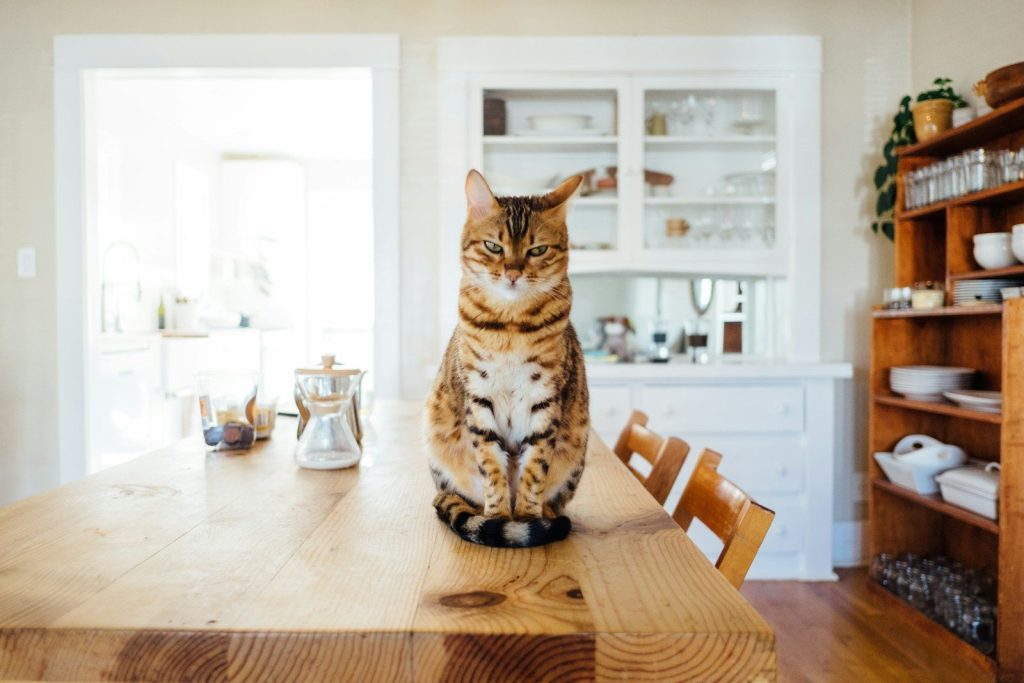
Many indoor cats show boredom through behavior that owners may not immediately connect to mental stress. These can include house soiling, excessive meowing, or destructive behaviors such as scratching furniture. Some cats may even become aggressive or overly demanding for attention. These changes are often misunderstood as bad behavior rather than as signs of boredom.
In more serious cases, cats may develop unusual habits, such as eating non-food items or constantly following their owners. These behaviors show that the cat is seeking stimulation wherever it can. Without proper outlets, the frustration builds and leads to repeated behavior problems that can be hard to correct later.
Health risks of low stimulation
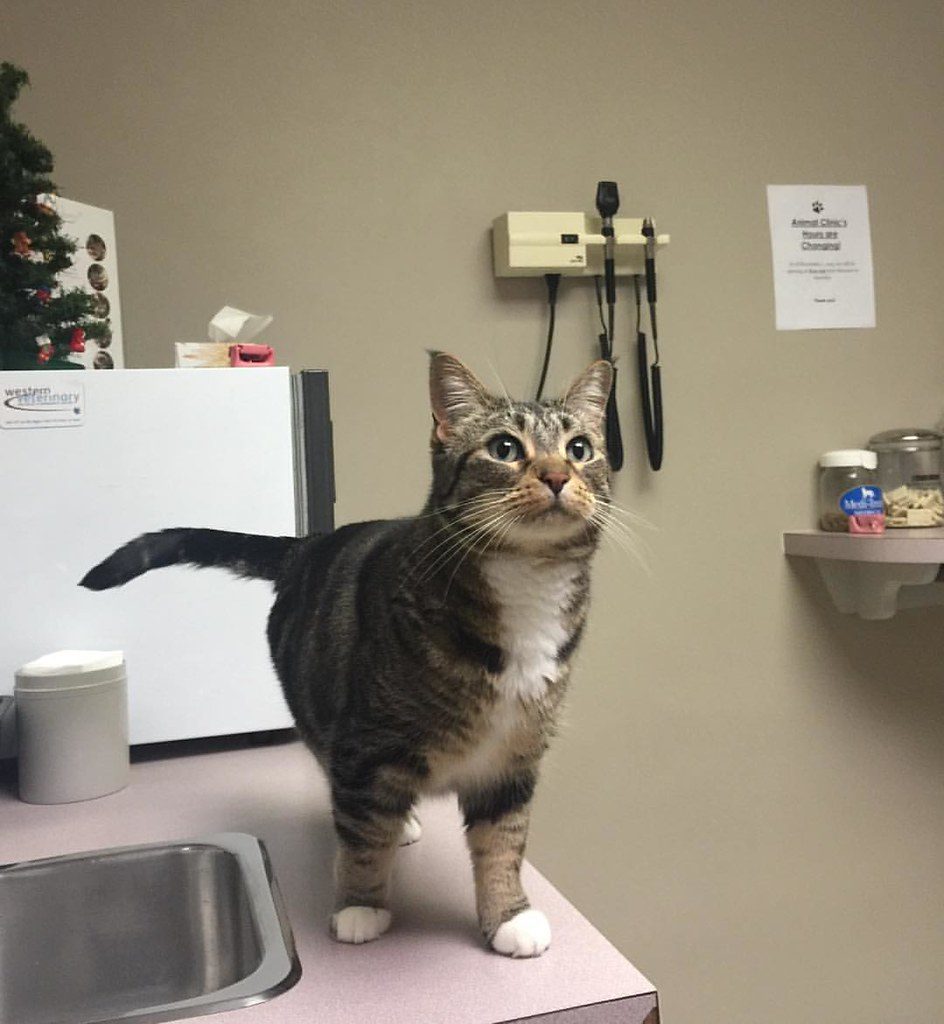
Boredom in indoor cats is not just a behavior issue. It can also affect physical health in serious ways. When cats feel under-stimulated, they may pester their owners for attention or food. This can lead to overfeeding, which often results in weight gain and related health problems over time.
Veterinarians also warn that stress and boredom can contribute to other health issues. Cats may injure themselves during restless behavior or develop urinary issues from avoiding the litter box. These problems show that mental stimulation is directly linked to a cat’s overall well-being, not just its mood or behavior.
How to enrich an indoor cat’s life
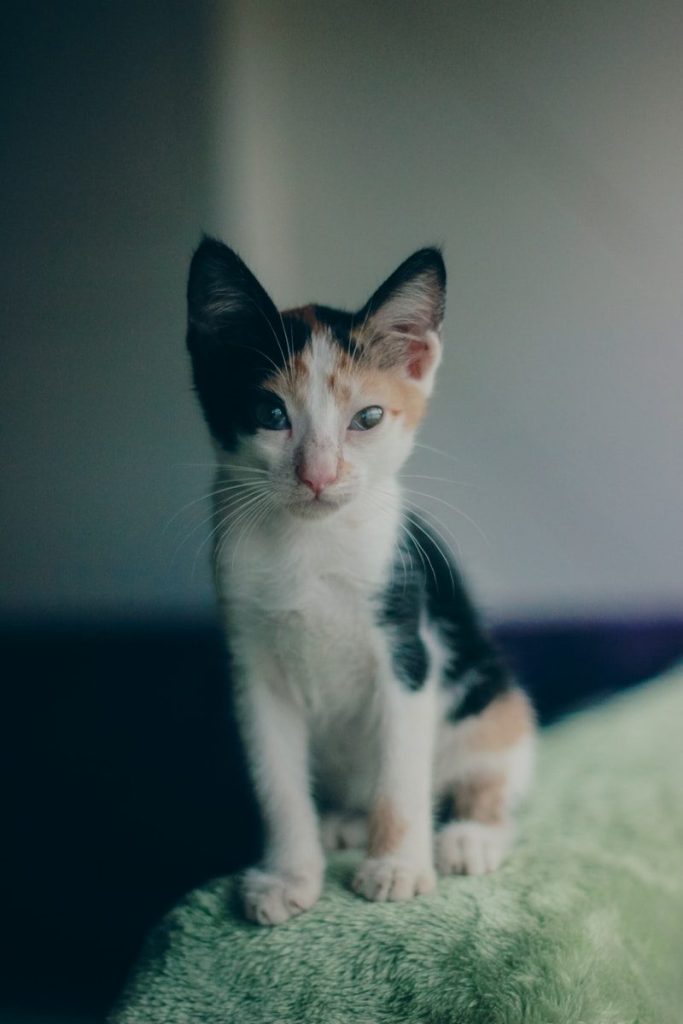
Improving an indoor cat’s environment is one of the best ways to reduce boredom. Experts recommend adding items that encourage natural instincts, such as climbing, exploring, and hunting. Cat trees, window perches, and interactive toys can help recreate parts of the outdoor world indoors.
Simple changes can also make a big difference. Rotating toys keeps things fresh so cats do not lose interest. Everyday household items like boxes or paper bags can also become fun play areas. Some safe sensory options, like catnip or silver vine, can also help stimulate a cat’s mind and keep it engaged.
Daily habits that keep cats happy

Daily interaction is one of the most important ways to prevent boredom in indoor cats. Experts suggest that about 30 minutes of play and attention each day is enough for most cats. Younger or more active cats may need even more time to stay mentally balanced and physically active.
Outdoor experiences are not required, but can help if done safely. Options like harness walks or enclosed outdoor spaces give cats new sights and smells without danger. Creating a quiet, safe space inside the home is also important so cats have a place to relax and feel secure when they need time alone.
Leave a Reply