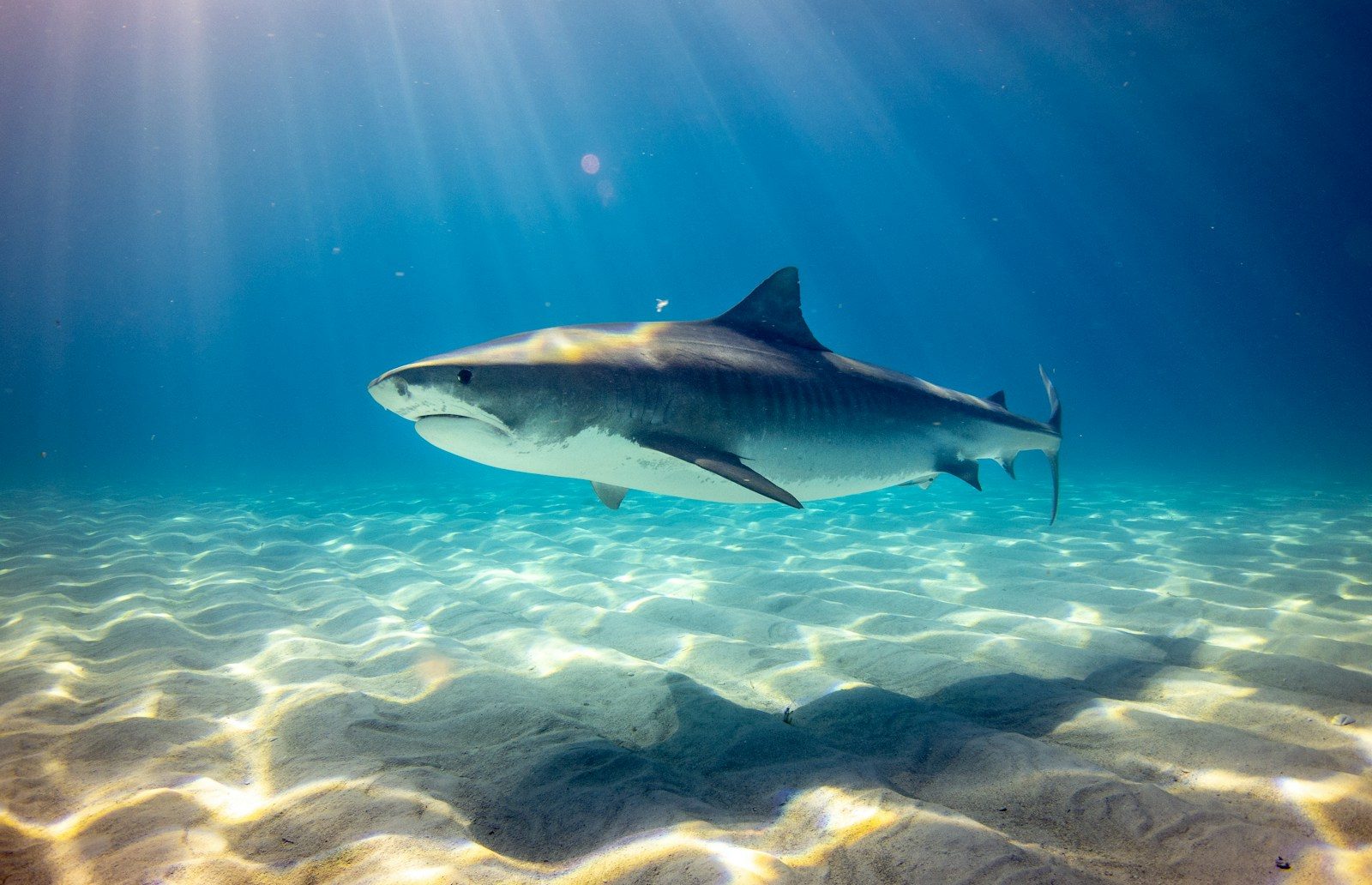
Have you ever wondered why some animals never appear in zoos, no matter how famous or fascinating they are? Many people assume that zoos can keep almost any animal, but that is not always true. Some species simply do not survive well in captivity, while others have needs that are too difficult to recreate outside their natural habitats.
This article explores six remarkable animals you can never see in a zoo and explains why they are so challenging to keep in captivity. From deep-sea creatures to rare land mammals, each animal has unique traits that make life in a zoo difficult or impossible. By understanding their needs, readers can learn more about wildlife and why some animals belong only in the wild.
The great white shark cannot adapt to captivity
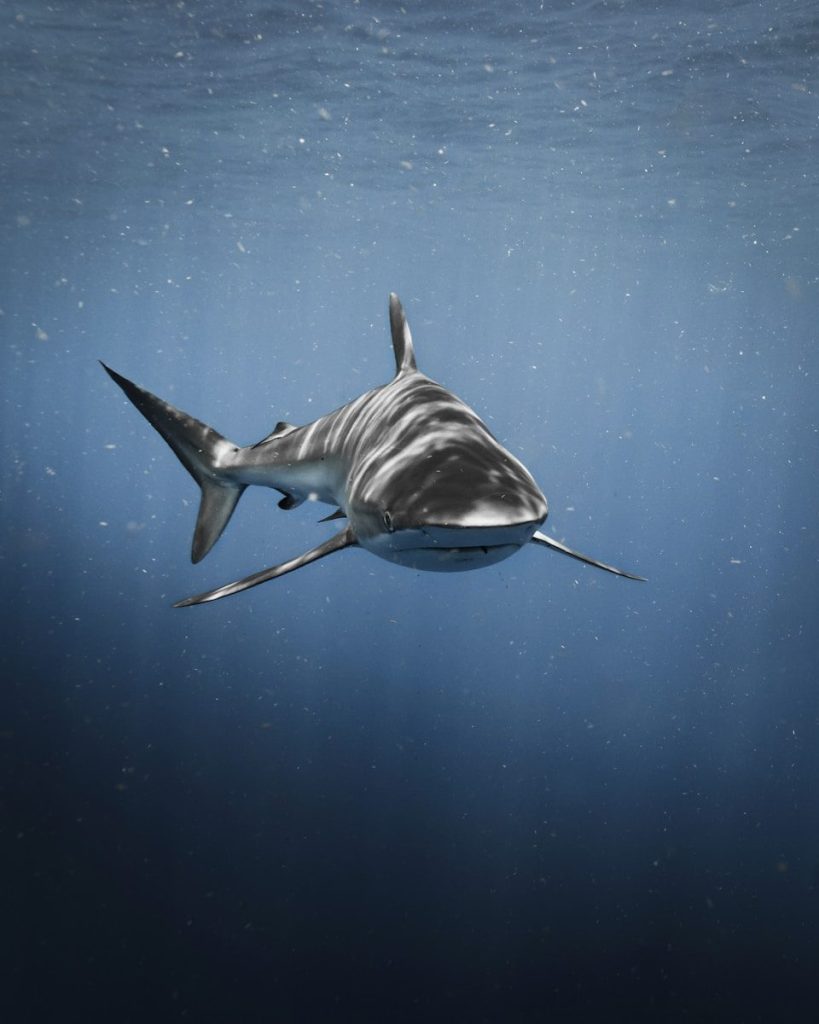
The great white shark is one of the most famous animals in the ocean. Many aquariums have tried to keep these powerful predators in captivity, but the results have been unsuccessful. One reported case involved a great white shark that died after only three days in a Japanese aquarium.
A major reason for this difficulty is the shark’s natural lifestyle. Great white sharks travel long distances and need a large environment that aquariums cannot fully provide. They may also refuse to eat when placed in captivity, making survival even harder. Because their natural habitat cannot be properly recreated, these sharks remain animals that people rarely see outside the wild.
Saola remains one of the rarest animals on Earth
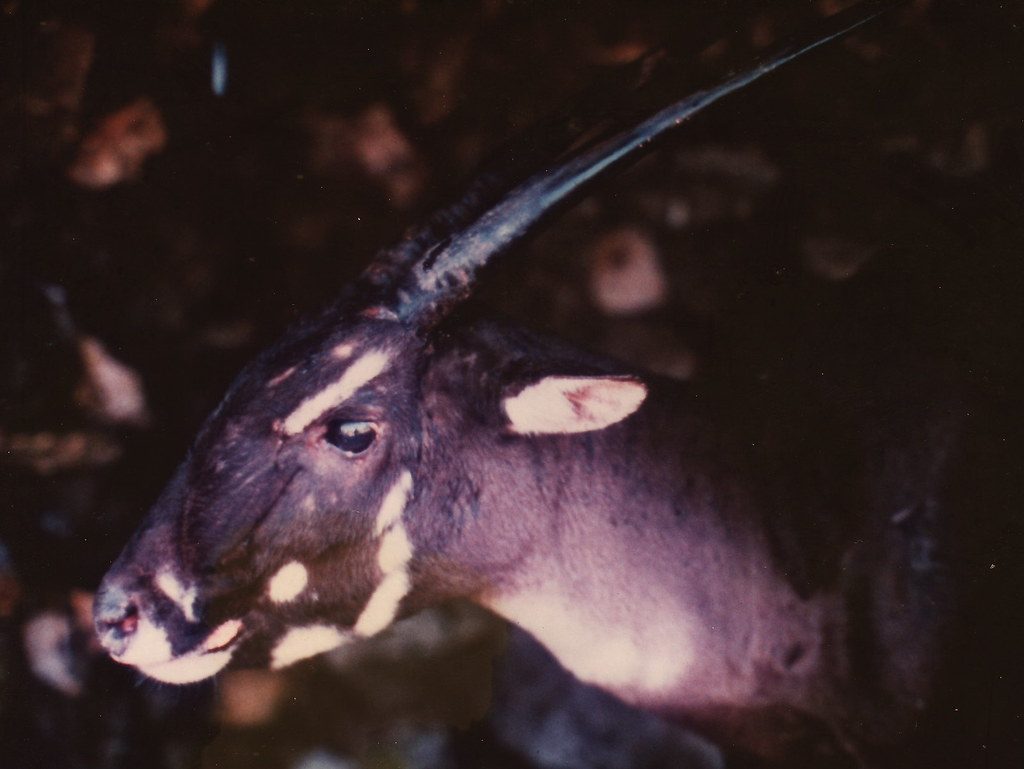
The saola is often called the Asian unicorn because it is so rare and mysterious. This animal lives only in the Annamite Mountains of Vietnam and Laos. It was discovered in 1992, making it one of the most recently identified large mammals.
Even in the wild, sightings of the saola are extremely uncommon. Its critically endangered status makes it difficult for researchers to study. Because so little is known about the species and encounters are rare, the saola is not found in zoos. Its secretive nature continues to make it one of the world’s most elusive creatures.
Mountain gorillas struggle to survive in zoos
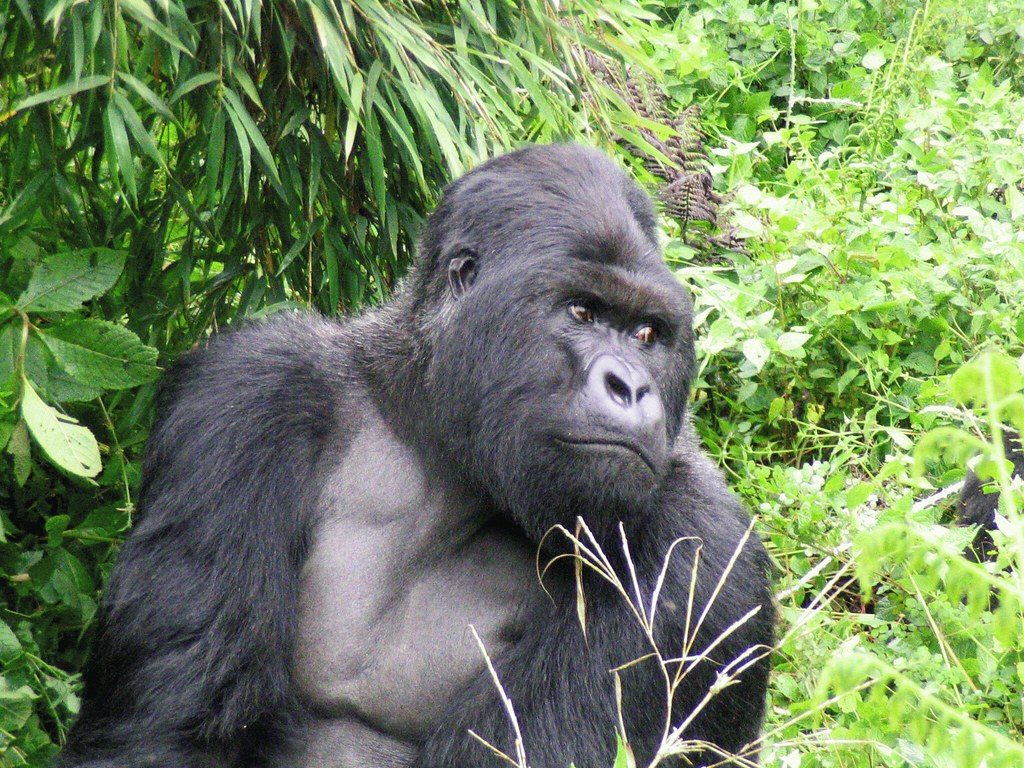
Mountain gorillas are among the most admired animals on the planet. During the 1960s and 1970s, attempts were made to capture and breed them in captivity. However, these efforts failed despite considerable interest in conserving the species.
Experts still do not fully understand why mountain gorillas struggle in captivity, while some other gorilla species survive. One possible reason is that their dietary needs are very specific. Another possibility is that stress affects their health more severely. Whatever the cause, mountain gorillas have not adapted well to life outside their natural environment.
Giant squid remains hidden in the deep ocean
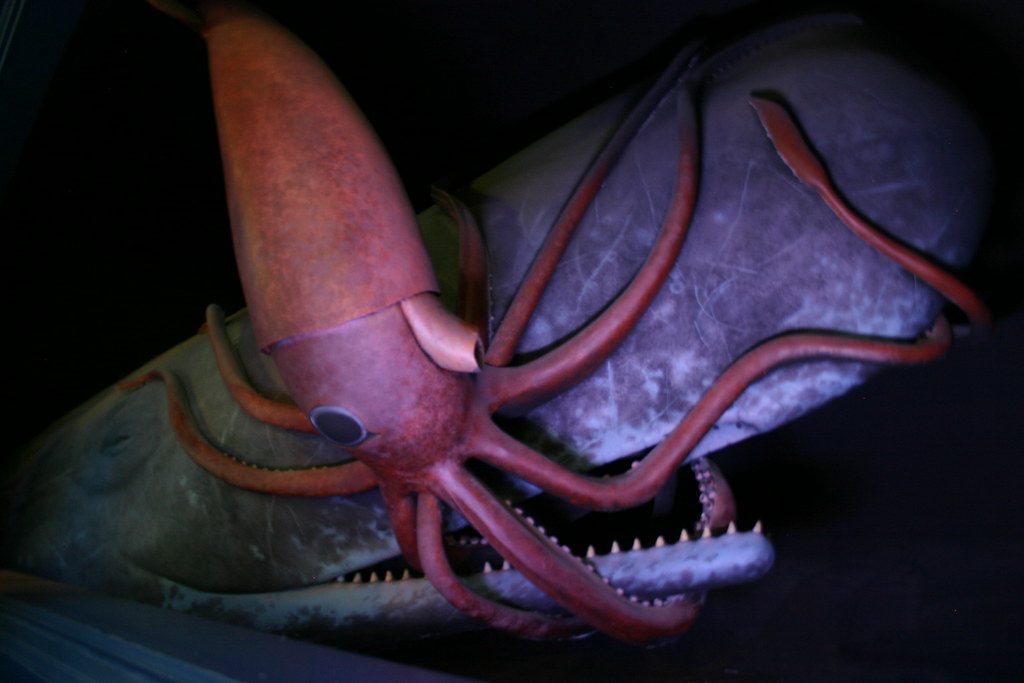
The giant squid is one of the most fascinating creatures in the sea. These enormous animals can reach incredible sizes, with some specimens weighing almost a ton. Despite their fame, giant squid are rarely seen by humans.
Most information about giant squid comes from dead specimens discovered by fishermen or found floating on the surface. They live deep underwater in a vast and difficult-to-reach environment. Because of their remote habitat and mysterious behavior, giant squid have never become regular zoo or aquarium residents. Their deep-sea lifestyle keeps them hidden from public view.
Narwhal survives only in the wild
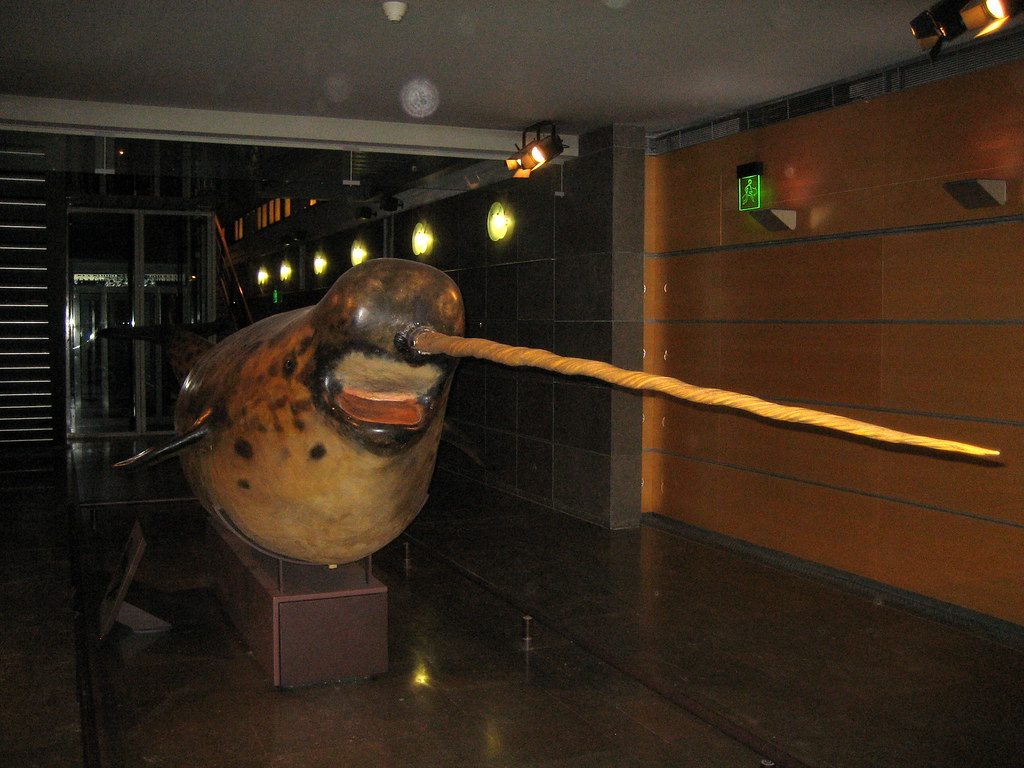
Narwhals are often called the unicorns of the sea because of their long tusks. These marine mammals are known for their shy behavior and their tendency to hunt deep underwater. Their secretive nature makes them difficult to study.
Attempts to keep narwhals in captivity have not been successful because they die shortly after being removed from their natural environment. This limits scientists’ opportunities to learn more about them. Since narwhals can live for more than a century in the wild, their inability to survive in captivity remains a significant challenge for researchers. The
Javan rhino is too rare for captivity
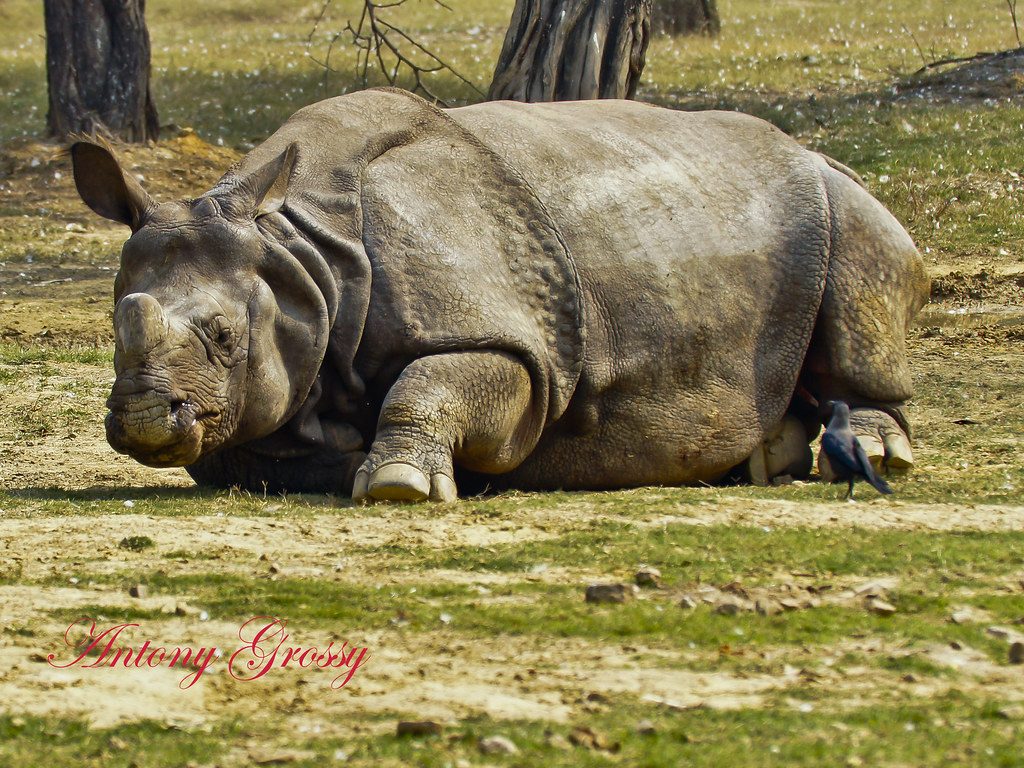
The Javan rhino is considered the rarest large mammal in the world. No Javan rhinos live in captivity, making them one of the few major mammals that cannot be seen in any zoo. Their population is extremely small and limited to a single location.
These rhinos are naturally shy animals that live in dense tropical forests. Recreating such an environment in captivity is very difficult. Their entire known population lives in Indonesia’s Ujung Kulon National Park. Because of their rarity and specialized habitat needs, the Javan rhino remains a species that exists only in the wild.
Leave a Reply