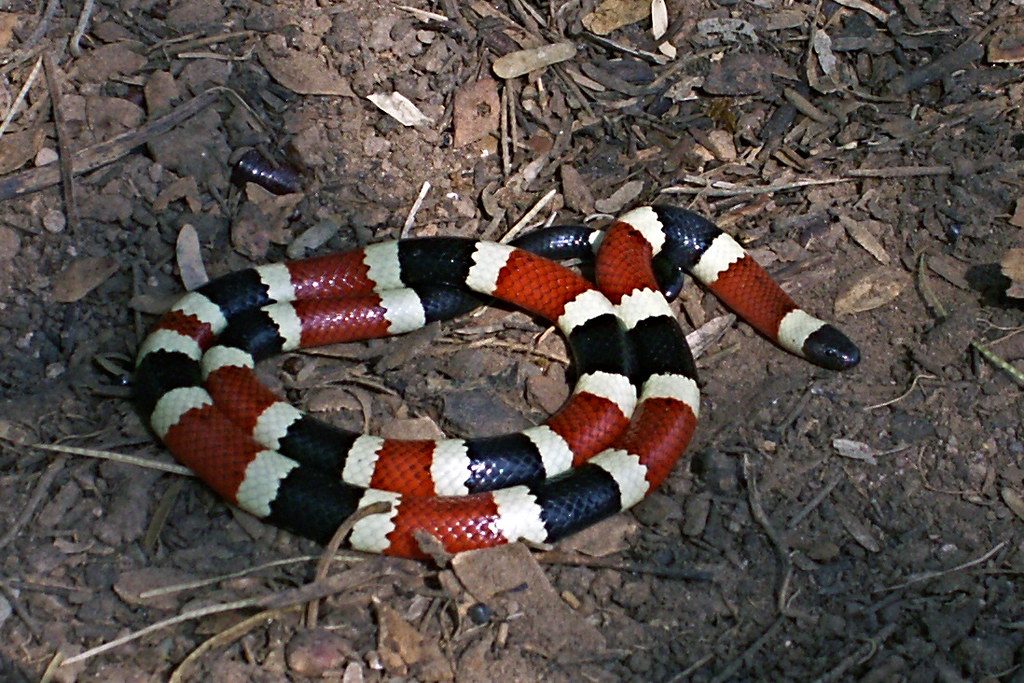
If you are searching for how coral snake venom works differently from most bites, you are already looking at one of the most misunderstood snake dangers in North America. Coral snakes are often small, quiet, and not aggressive, but their venom is powerful in a very unique way. Unlike many snake bites that cause immediate pain or swelling, a coral snake bite can feel mild at first, which makes it especially risky.
The key danger is what happens inside the body over time. Coral snake venom affects the nervous system and can slowly interrupt signals that control breathing and muscle movement. This article will explain how the venom works, why symptoms can be delayed, and what makes this snake so different from others. You will also learn what to do if a bite happens and why quick medical care is always important.
What makes coral snake venom different
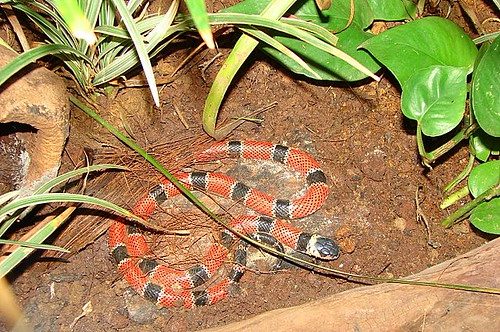
Coral snakes belong to the same family as cobras and sea snakes, and their venom works mainly on the nervous system. This is very different from many North American pit vipers, which often cause severe pain, swelling, and tissue damage right away. Coral snake venom is usually less visible at the bite site, which can trick people into thinking the bite is not serious.
Instead of destroying tissue or blood cells first, coral snake venom focuses on blocking communication between nerves and muscles. This means the body may still look normal on the outside while serious changes are happening inside. This hidden effect is one of the main reasons coral snake venom is considered unique and dangerous.
How coral snake venom affects the nervous system
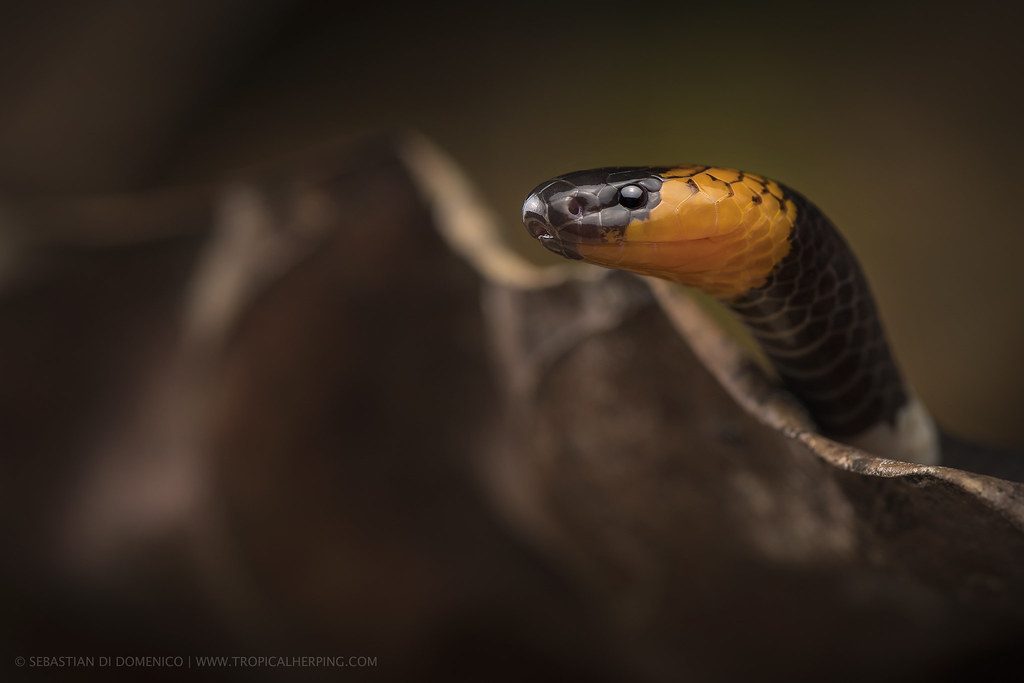
Coral snake venom is mainly made of toxins that interfere with nerve signals. Nerves in the body send messages that control movement, breathing, and basic reflexes. When the venom enters the bloodstream, it begins disrupting these messages, especially between nerves and muscles.
At first, a person might feel only mild symptoms such as tingling or slight weakness. As the venom spreads, muscles can begin to lose strength. In severe cases, the muscles that control breathing can stop working properly. This is why coral snake bites are treated as medical emergencies even when the bite does not look serious.
Why symptoms can be delayed and dangerous

One of the most dangerous features of coral snake venom is that symptoms can take time to appear. In many cases, a person may feel normal for one to several hours after the bite. This delay can cause confusion and delay treatment, which increases the risk of serious harm.
During this quiet period, the venom is still active inside the body. It continues affecting nerve signals without causing severe pain or swelling at the bite site. By the time symptoms become noticeable, such as drooping eyelids, slurred speech, or muscle weakness, the venom may already be widely spread. This delay is one of the biggest reasons coral snake bites require urgent medical attention, even if the person feels fine at first.
What happens after a coral snake bite

After a coral snake bite, the first signs are often very mild. Some people may notice only small puncture marks or a slight sting. Unlike many other venomous bites, there may be little swelling or redness in the beginning, which can create a false sense of safety.
As time passes, the venom can begin affecting muscles throughout the body. Weakness may start in the face or neck and then spread. If untreated, this can lead to serious breathing problems because the muscles needed for breathing become too weak to function. Without medical care, this stage can become life-threatening, which is why early observation and treatment are extremely important.
Medical treatment and antivenom response

Coral snake bites require hospital care as soon as possible. Doctors will closely monitor breathing, heart rate, and muscle function. One of the main treatments is antivenom, which is designed to neutralize the toxins in the body before they cause more damage.
Supportive care is also very important. This can include helping the patient breathe if muscles become too weak and watching for changes in nervous system function. Because symptoms can be delayed, patients are often observed for many hours even if they feel fine at first. Quick medical response greatly increases the chance of a full recovery.
Why coral snakes are often misunderstood
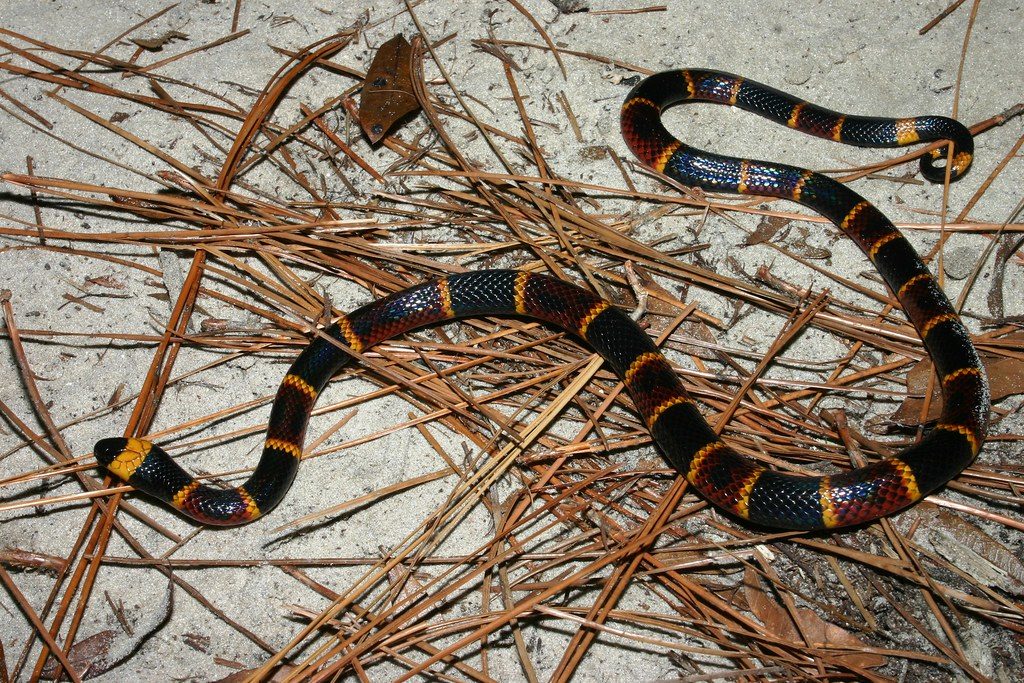
Coral snakes are often misunderstood because they are shy, rare to encounter, and do not behave aggressively like some other venomous snakes. Many people may never even see one in the wild, which leads to a false sense of safety. Their bright red, yellow, and black coloring can also confuse people because some non-venomous snakes have similar patterns.
Another reason for misunderstanding is that bites are uncommon, so public awareness is lower compared to more frequently encountered snakes. However, rarity does not mean harmless. The venom is still very powerful, and the delayed symptoms make it especially important to take every bite seriously. Understanding the true nature of coral snakes helps people stay cautious and respond correctly if an encounter ever happens.
Leave a Reply