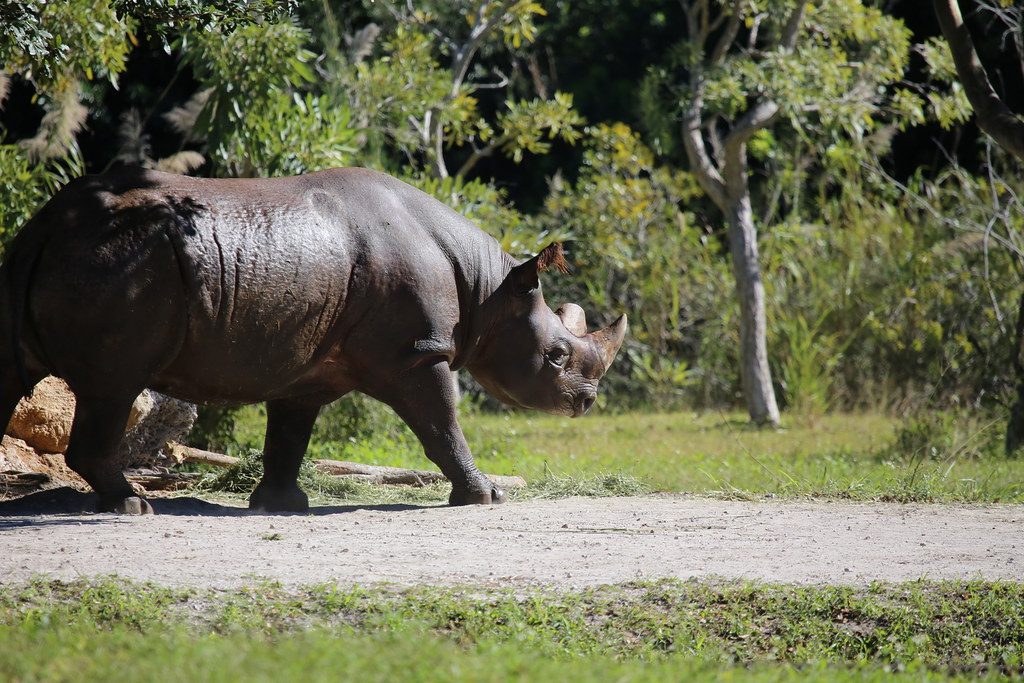
Losing a favorite zoo animal can be difficult for staff, visitors, and animal lovers alike. Many people were saddened to learn that Denver Zoo said goodbye to Rudy, a beloved black rhino who spent nearly a decade touching the lives of everyone around him. Rudy was known for his gentle personality, strong bond with his caretakers, and important role in rhino conservation.
In this article, you’ll learn about Rudy’s life, why he became so special to the Denver Zoo community, the health challenges he faced, and the lasting impact he leaves behind. His story is not only about loss but also about conservation, animal care, and the deep connections that can form between animals and the people who care for them.
Rudy became a favorite at the Denver Zoo
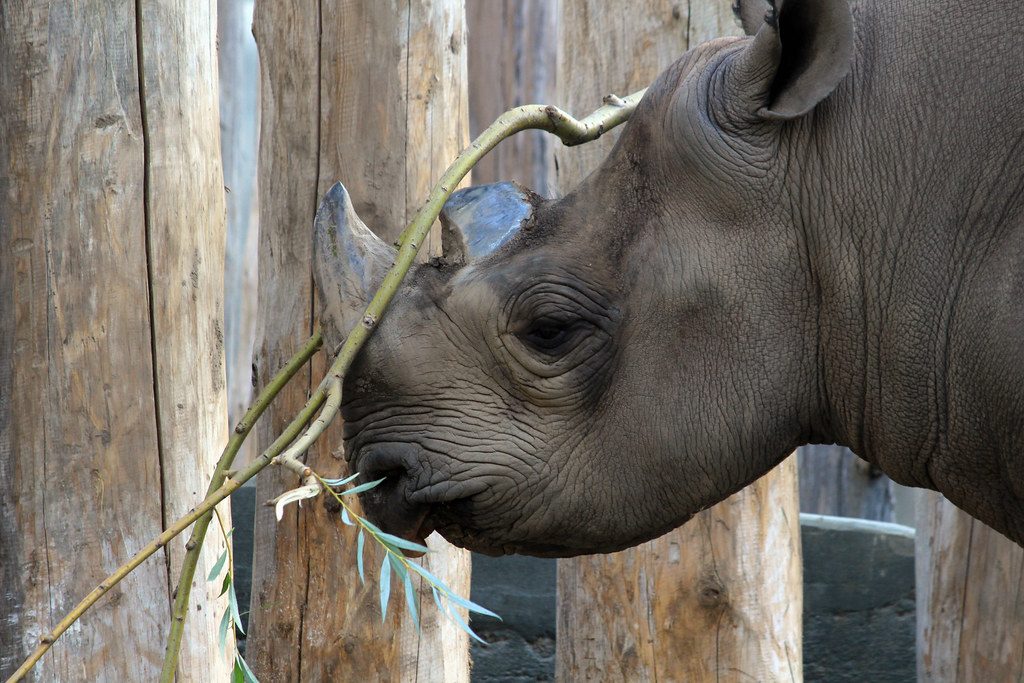
Rudy, whose full name was Rudisha, arrived at Denver Zoo in 2016 after coming from Oklahoma City Zoo. He had previously been part of a breeding recommendation program before retiring. Once he arrived in Denver, he quickly became one of the zoo’s most recognizable animals. Visitors often stopped by his habitat to watch him explore, rest, and interact with his care team.
What made Rudy stand out was his calm and friendly personality. Caregivers described him as curious, gentle, and eager for attention. Rather than focusing only on food, he often enjoyed scratches behind his ears and spending time near the people who cared for him. These simple interactions helped create a strong bond between Rudy and the zoo staff.
Rudy lived an unusually long life
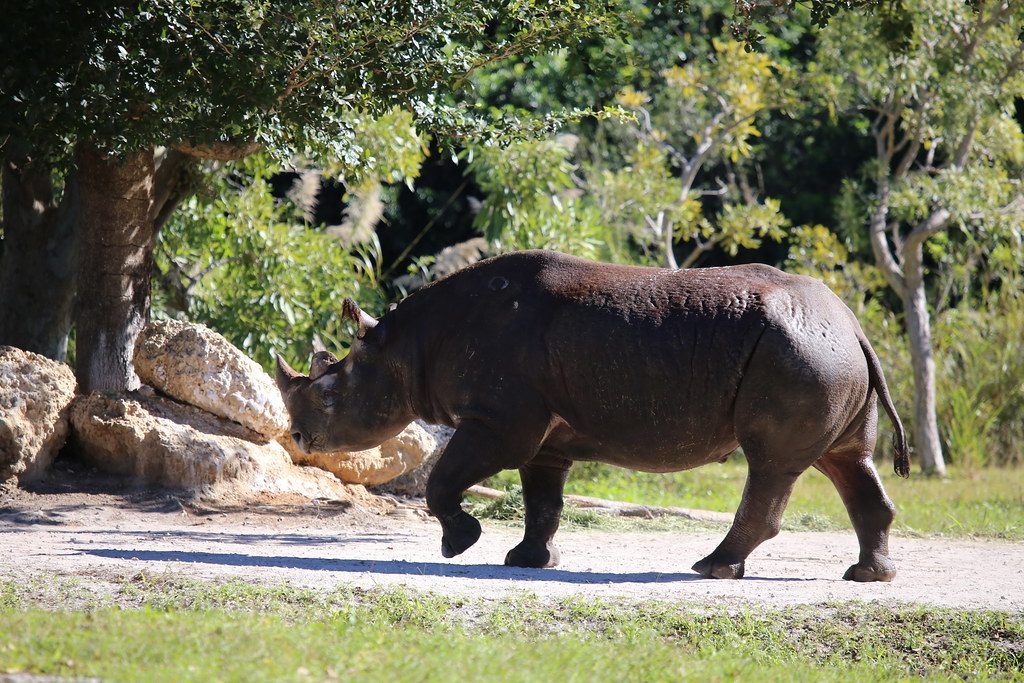
Black rhinos are critically endangered animals native to eastern and central Africa. Their numbers have declined dramatically over the years because of habitat loss and poaching. Every black rhino living in human care contributes valuable information that helps conservationists better understand and protect the species.
At 32 years old, Rudy was considered one of the oldest black rhinos living in human care. Reaching that age was a significant achievement. His long life allowed researchers and veterinarians to learn more about black rhino health, aging, and care. It also gave thousands of visitors an opportunity to connect with a species that many people may never see in the wild.
Health challenges became harder to manage
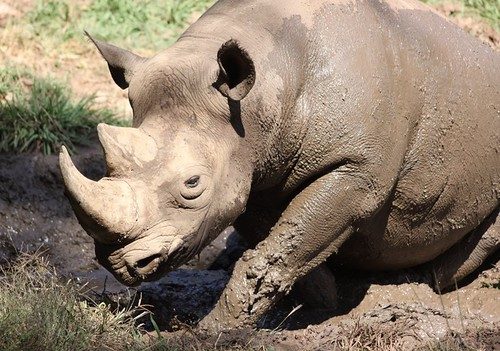
As Rudy grew older, he began experiencing several age-related health problems. One of the biggest challenges was reduced mobility. Like many aging animals, moving around became more difficult over time. His care team worked closely with veterinarians to monitor his condition and help keep him comfortable.
Rudy was also affected by Iron Overload Disorder, a condition that can impact black rhinos living in human care. The disorder causes excess iron to build up in the body over many years. This buildup can damage important organs and affect overall health. Although animals can live with the condition for a long time, it often becomes more serious as they age.
A compassionate decision was made
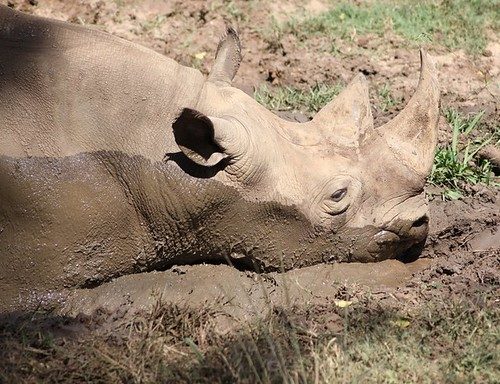
During the final month of his life, Rudy entered end-of-life care. His caretakers and veterinarians closely watched his condition and provided extra support to maintain his comfort. They adjusted treatments, monitored his quality of life, and worked hard to ensure his remaining time was as peaceful as possible.
Unfortunately, Rudy’s health continued to decline despite these efforts. After careful evaluation, the zoo made the difficult decision to humanely euthanize him. Animal welfare experts often consider euthanasia when an animal’s quality of life can no longer be maintained. According to the zoo, Rudy passed peacefully while surrounded by the people who loved and cared for him throughout his years in Denver.
The bond between Rudy and his caregivers
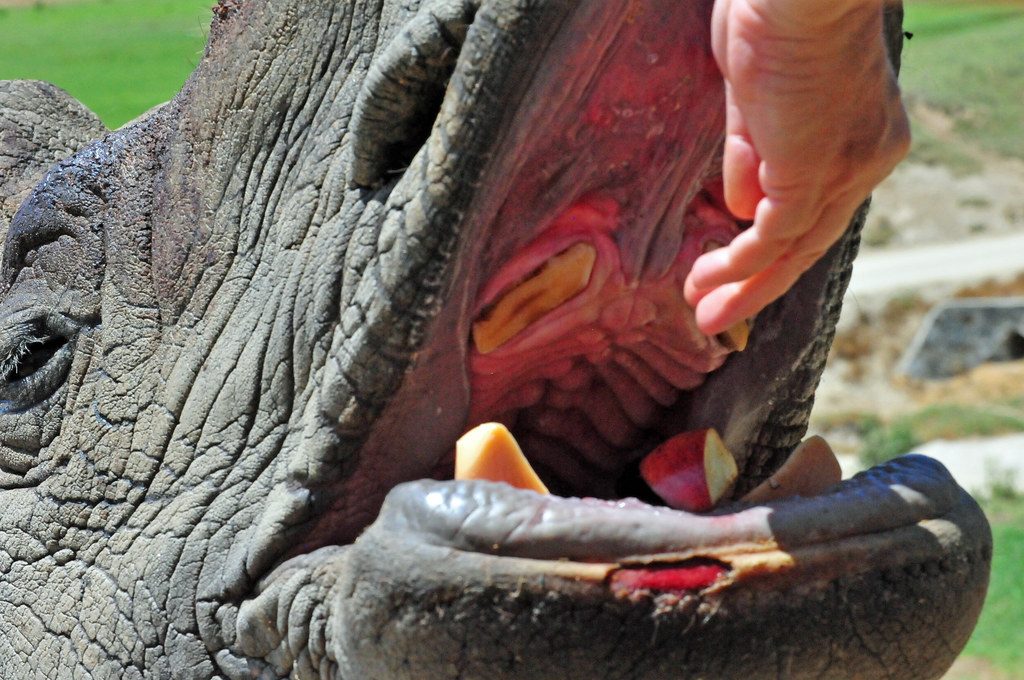
The loss of Rudy deeply affected the animal care team. Many staff members shared heartfelt memories about the rhino and the special relationship they had developed with him over the years. Caregivers described him as more than an animal in their care. For many, he became a trusted companion and a daily source of joy.
Several caretakers recalled how Rudy would approach them for attention, lean against barriers to ask for scratches, or run around the habitat during playful moments. Others remembered how his calm nature helped brighten difficult days. These stories showed that Rudy’s impact extended far beyond his exhibit and became part of the lives of the people who worked with him every day.
Rudy helped advance rhino conservation
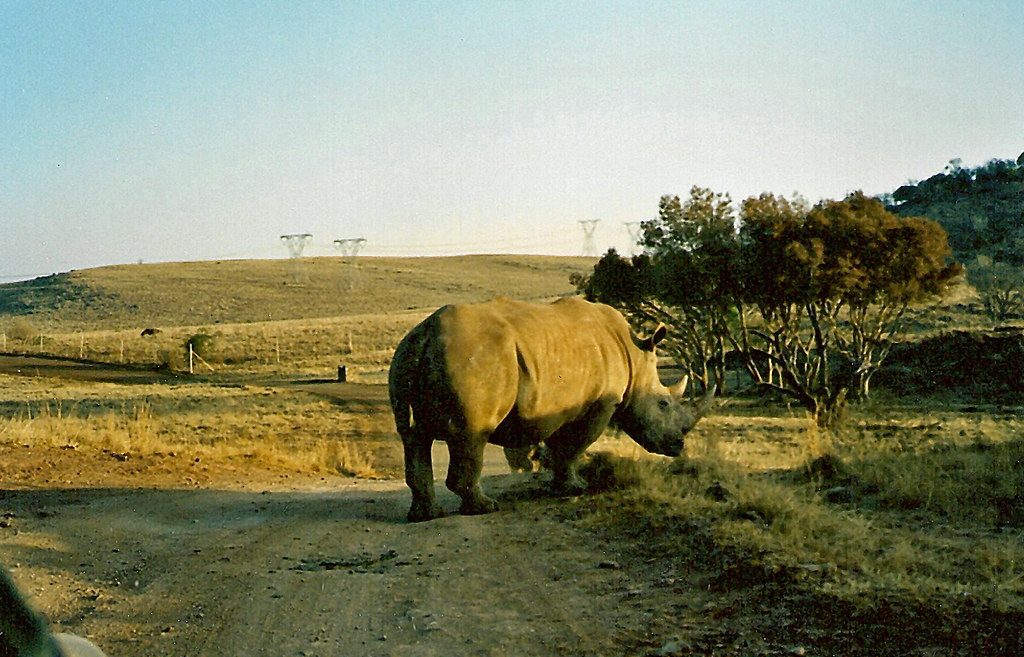
Even as he aged, Rudy continued contributing to important conservation efforts. Throughout his life, he participated in studies designed to improve veterinary care and animal welfare for black rhinos. The information gathered from these programs helps researchers better understand the species and develop improved care practices.
His contributions are especially important because black rhinos remain critically endangered. Every piece of knowledge gained from animals like Rudy can help support conservation programs around the world. Researchers can use this information to improve health management, nutrition, and medical treatment for future generations of rhinos both in zoos and conservation facilities.
Leave a Reply