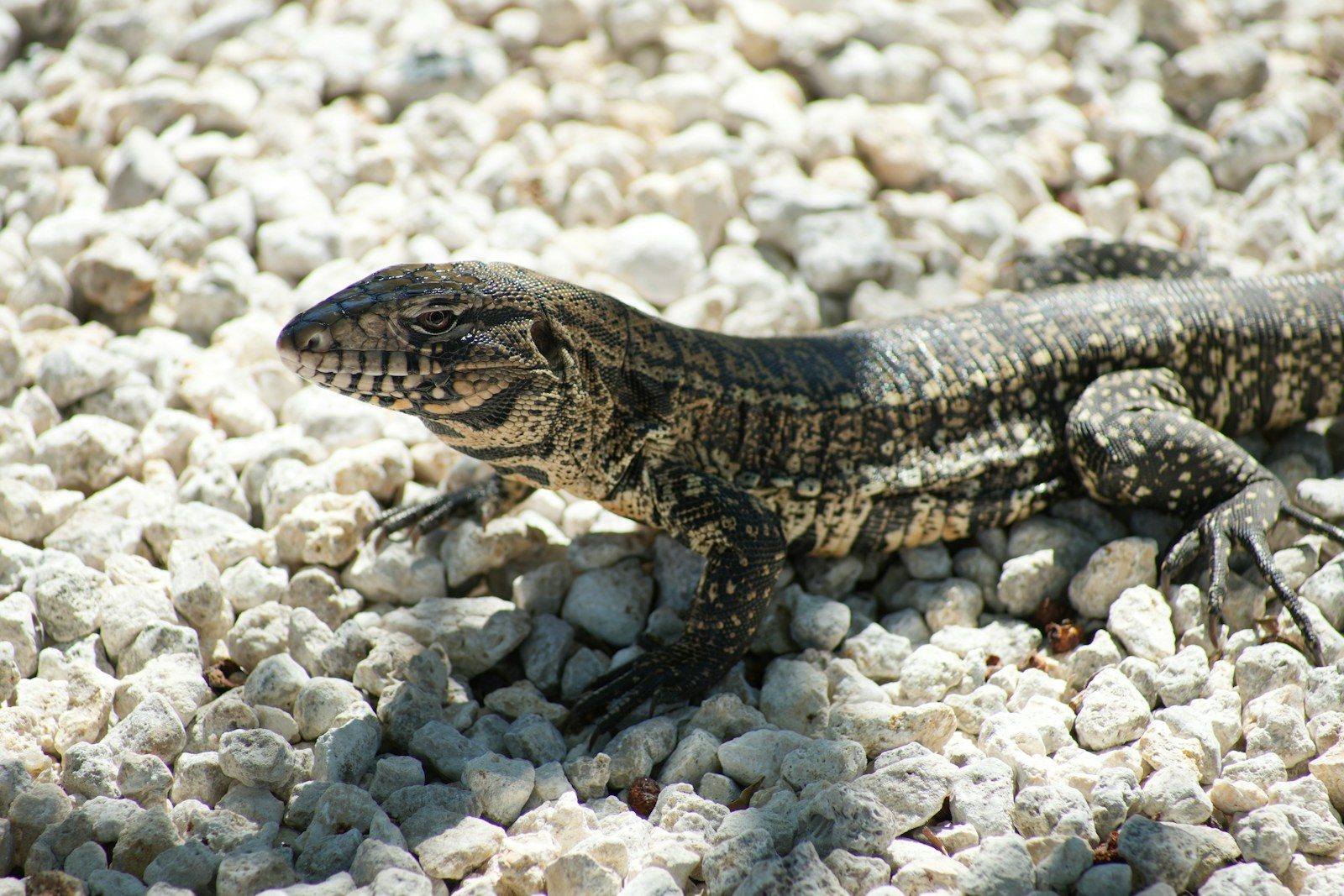
A large lizard from South America is causing growing concern in Georgia. Known as the Argentine black and white tegu, this invasive reptile can grow up to 4 feet long and weigh more than 10 pounds. Wildlife experts say the spread of invasive tegus across Georgia could threaten native animals, damage ecosystems, and create new challenges for conservation efforts.
If you have heard reports about these giant lizards and want to know why they matter, this article explains the facts. You will learn where tegus came from, why they are spreading, how they affect local wildlife, what officials are doing to stop them, and what Georgia residents can do to help.
What are invasive tegus?
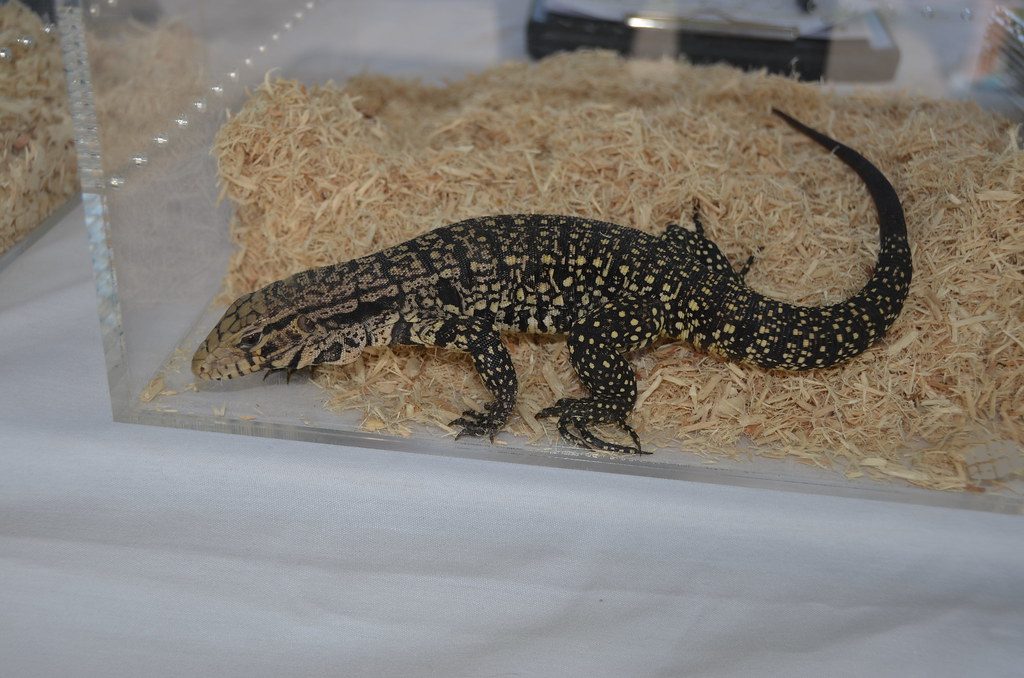
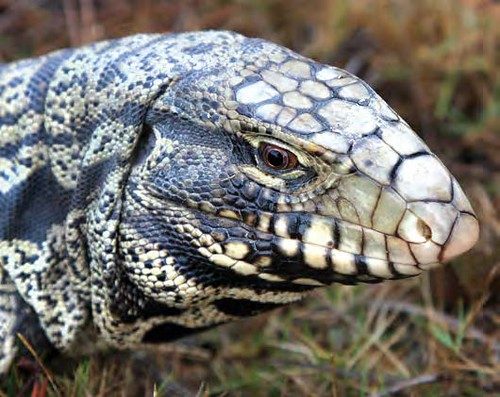
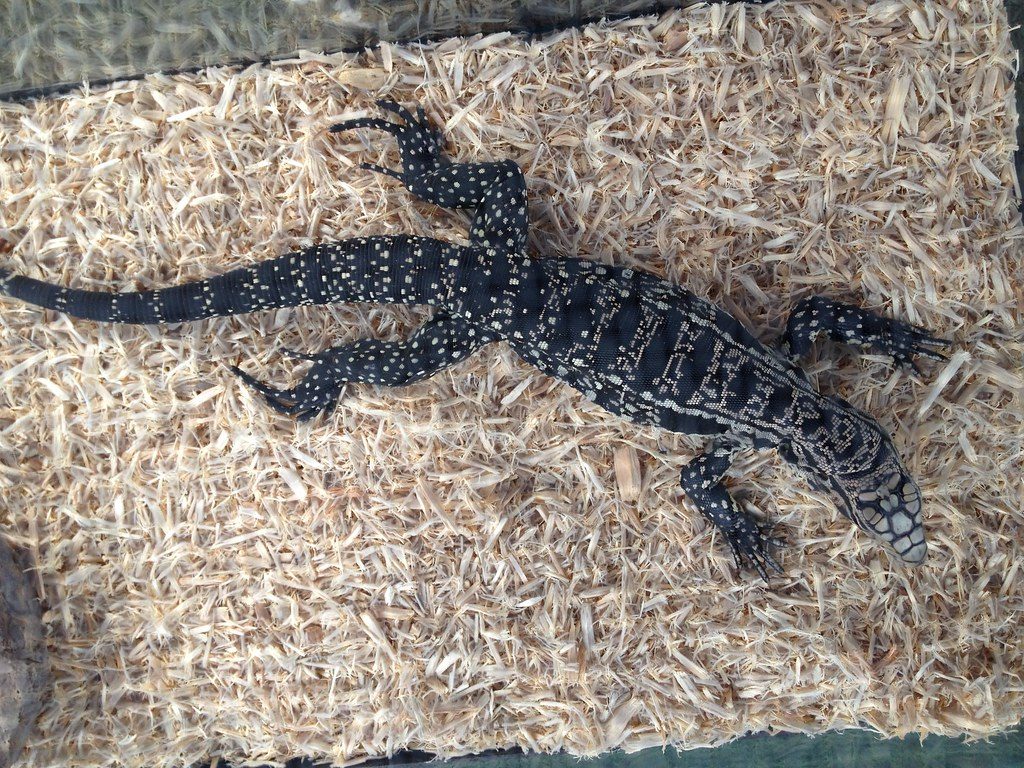
The Argentine black and white tegu is the largest species of tegu lizard. It is native to parts of South America, including Argentina, Brazil, Paraguay, and Uruguay. These reptiles have black and white markings, strong legs, sharp claws, and powerful jaws. Adult tegus can reach about 4 feet in length and may live for up to 20 years in suitable conditions.
Tegus were introduced to the United States through the pet trade. Over time, some escaped captivity or were released into the wild. Once established, they began forming wild populations in several southeastern states. Georgia wildlife officials first identified a breeding population in southeastern Georgia and have been working for years to prevent the species from spreading further.
Why Georgia is worried about their spread
One of the biggest concerns is how quickly tegus can reproduce and adapt. Female tegus can lay up to 35 eggs in a single year. They are also highly flexible when it comes to food and habitat. Unlike some invasive species that need very specific conditions to survive, tegus can live in forests, fields, farmland, roadsides, and other disturbed areas.
Another concern is their ability to survive colder weather. Scientists once believed these lizards would remain mostly in warmer climates. However, research and field observations have shown that tegus can survive winters by entering a dormant state called brumation. This ability increases the risk that they could establish populations across larger parts of Georgia and other southeastern states.
The threat to native wildlife
Tegus are omnivores, meaning they eat both plants and animals. Their varied diet makes them especially dangerous to native wildlife. They consume eggs, young animals, insects, fruits, vegetables, and even carrion. Because they will eat almost anything available, they can affect many different species at once.
Wildlife experts are particularly concerned about ground-nesting animals. Tegus are known to eat the eggs of quail, wild turkeys, and other birds that nest on or near the ground. They also prey on reptile eggs, including those of American alligators. Young gopher tortoises, a species already facing conservation challenges, can also become targets. These feeding habits may reduce populations of native species and disrupt natural ecosystems.
How tegus affect farms and communities
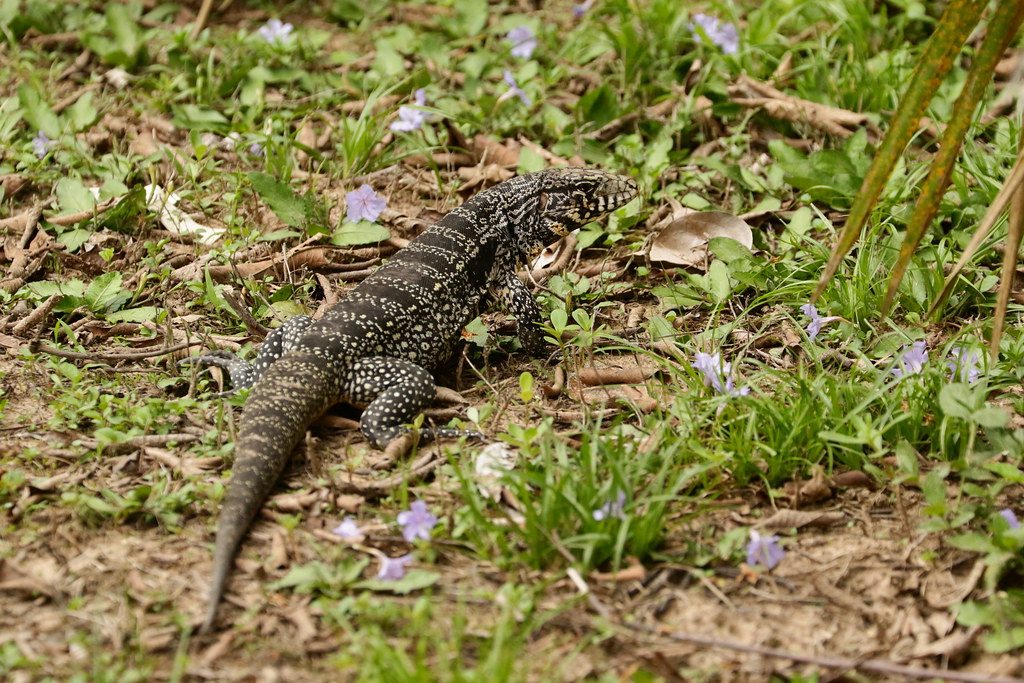
The impact of tegus extends beyond wildlife. Farmers and property owners may also experience problems when these reptiles move into an area. Tegus have been known to eat vegetables, fruits, chicken eggs, and pet food left outdoors. Their broad diet allows them to take advantage of both natural and human-made food sources.
There are also health concerns. Wildlife agencies have warned that tegus may carry salmonella and certain parasites. While the risk to people remains relatively low when proper precautions are followed, the possibility of disease spread adds another reason why officials want to limit the lizard’s expansion. Their presence can also create additional costs for wildlife management and conservation programs.
Where tegus have been found in Georgia

The main area of concern remains southeastern Georgia, particularly around Toombs and Tattnall counties. Wildlife agencies have focused many of their monitoring and trapping efforts in these locations because established populations have been documented there. Since monitoring began, multiple tegus have been captured or removed from the area.
However, sightings have expanded beyond the original locations. Reports have come from dozens of counties across Georgia. Not every sighting represents a breeding population, but each report helps biologists track the movement of the species. The growing number of observations has reinforced concerns that tegus could continue spreading if left unchecked.
What officials are doing to stop the invasion

Georgia wildlife officials are working with scientists and partner organizations to assess and remove wild tegu populations. Trapping programs have been established in affected areas, and researchers are studying the animals to better understand their movement patterns, breeding habits, and habitat preferences. The goal is to prevent permanent expansion into new regions.
Public participation plays a major role in these efforts. Residents are encouraged to report sightings so wildlife biologists can respond quickly. Early detection is considered one of the most effective tools for controlling invasive species. The sooner a new population is found, the better the chances of preventing long-term establishment.
Leave a Reply