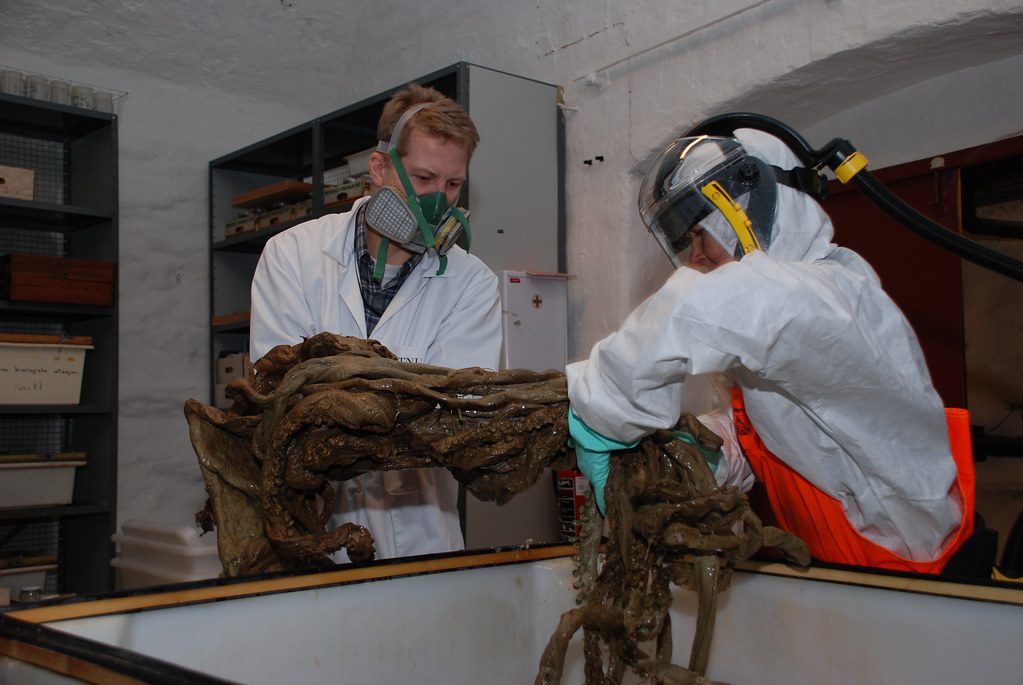
The ocean is still one of the least explored places on Earth. Even with modern technology, scientists know more about some parts of space than they do about the deepest parts of the sea. That is why a recent deep-sea survey off Western Australia has captured so much attention.
Researchers studying underwater canyons near the Ningaloo coast uncovered evidence of a giant squid and identified an astonishing 226 marine species living in the dark depths below. This discovery highlights how much remains unknown about the ocean and why these hidden ecosystems matter. In this article, you will learn how scientists made the discovery, what species they found, and why the findings could shape future ocean conservation efforts.
Scientists explored some of Australia’s least-known waters
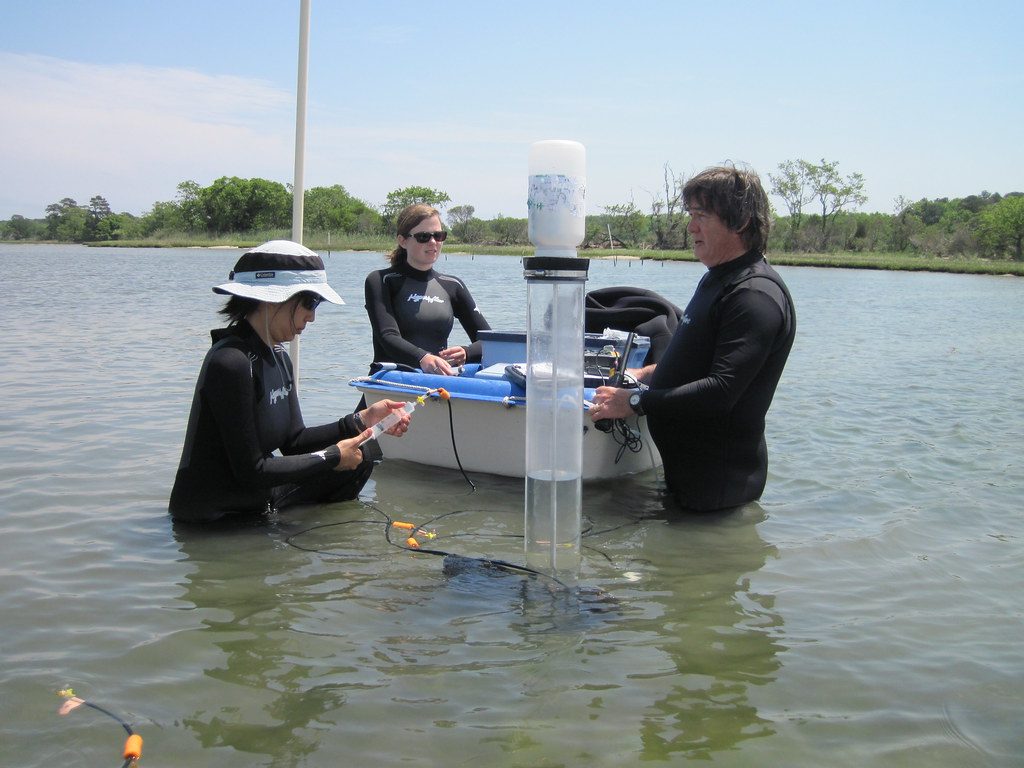
The discovery came from research conducted in the Cape Range and Cloates submarine canyons off the coast of Western Australia. These deep underwater valleys stretch thousands of feet below the ocean surface and are among the most difficult marine environments to study. Scientists collected water samples from depths reaching more than 14,700 feet, allowing them to investigate life in areas that are rarely visited by humans.
Because of the extreme depth and pressure, traditional surveys can be expensive and challenging. Researchers instead used a method called environmental DNA, or eDNA. Animals constantly leave tiny traces of genetic material in the water through skin cells, waste, and mucus. By analyzing this DNA, scientists can detect species without needing to catch or even see them directly. This approach opened a window into a hidden world that has remained largely unexplored.
The giant squid was one of the biggest surprises
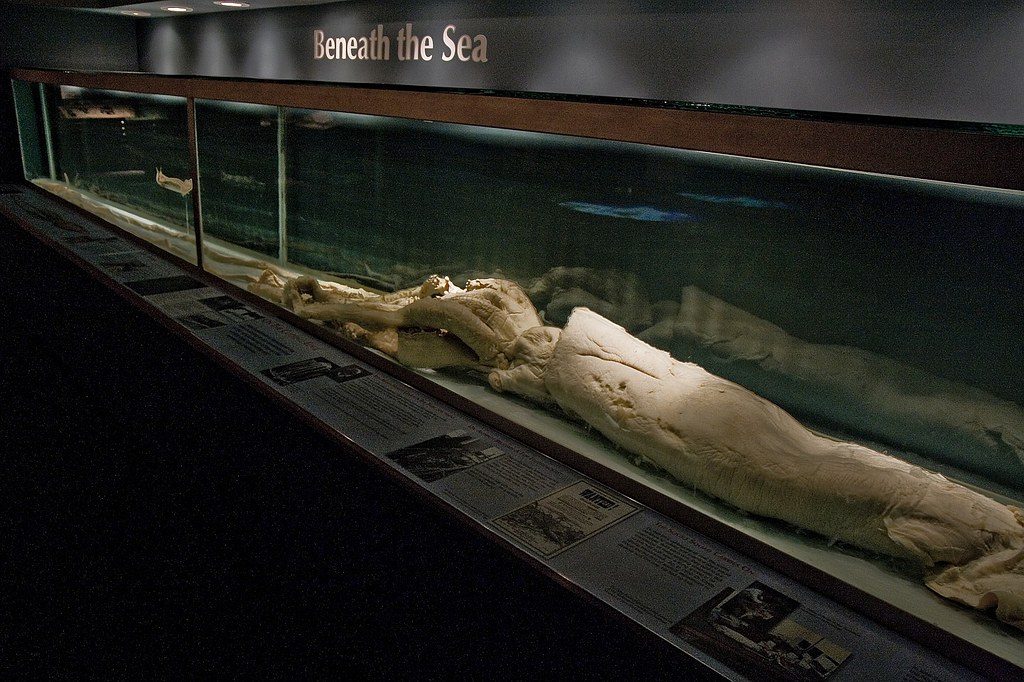
Among the most exciting findings was evidence of the giant squid, one of the ocean’s most mysterious animals. Giant squids can grow between 33 and 43 feet long and have the largest eyes of any known animal. Despite their enormous size, they are rarely seen because they spend most of their lives deep underwater. Scientists detected traces of giant squid DNA in several separate samples collected from the canyons.
The discovery is especially important because giant squid records in Western Australia are extremely rare. Researchers reported that this is the first time the species has been identified in the region using eDNA methods and represents the northernmost record of the species in the eastern Indian Ocean. Although no live squid was observed, the DNA evidence strongly suggests that these legendary creatures are part of the deep-sea ecosystem in the area.
More than 200 species were identified
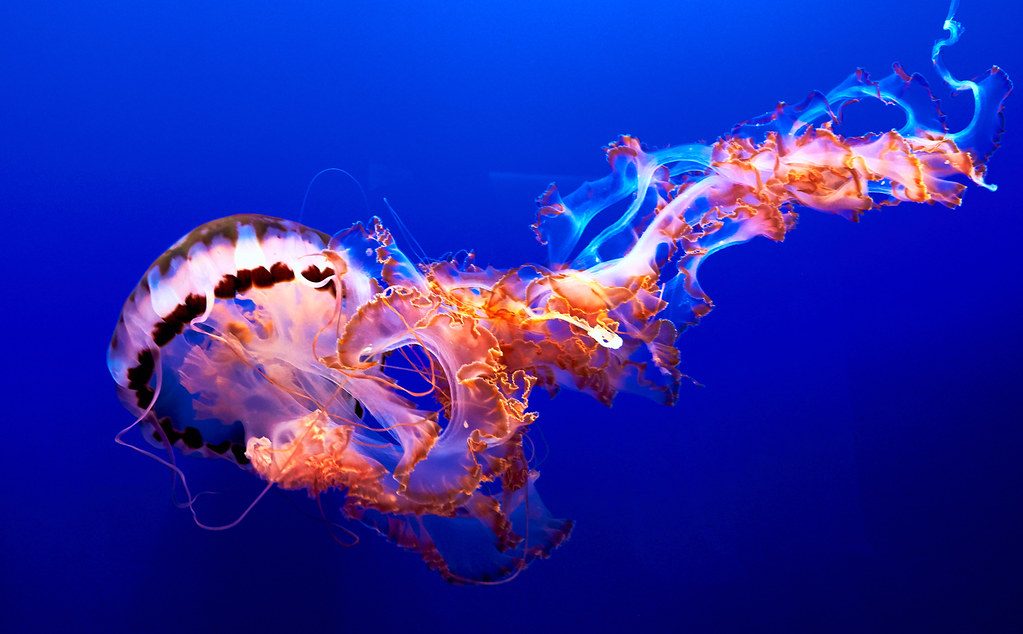
The giant squid was only one part of a much larger discovery. Researchers detected 226 species spanning 11 major animal groups. These included marine mammals, fish, squid, jellyfish relatives, sea cucumbers, starfish relatives, and many other deep-sea organisms. The sheer number of species found in a relatively small survey area demonstrates how rich these deep-water habitats truly are.
Many of the animals identified are rarely observed in the wild. The survey revealed deep-diving whales, unusual fish species, and creatures adapted to life in complete darkness. The findings show that submarine canyons act as important hotspots of biodiversity, supporting a wide range of life forms that depend on these unique environments for food and shelter.
Rare species expanded scientists’ understanding
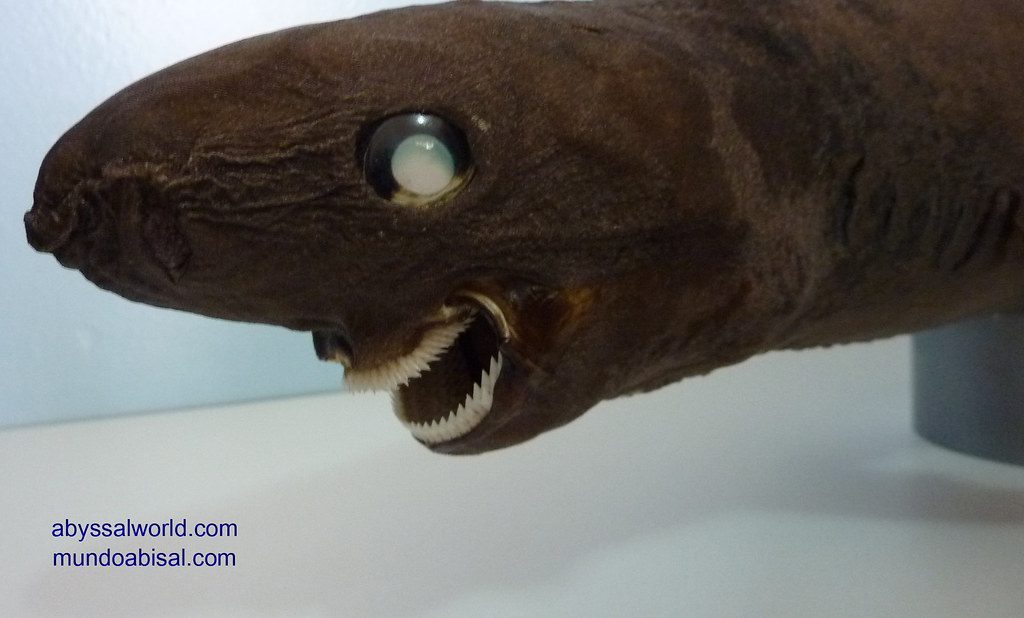
Several species discovered during the survey had never before been recorded in Western Australian waters. Among them were the sleeper shark, the faceless cusk eel, and the slender snaggletooth. These animals are known for living in deep, remote parts of the ocean where direct observations are uncommon. Their presence suggests that the region may support a far wider range of marine life than previously understood.
The faceless cusk eel is particularly fascinating because it lacks the obvious facial features seen in most fish. Scientists have rarely encountered this species, making its detection an important addition to scientific knowledge. Every new record helps researchers better understand how species are distributed across the world’s oceans and how different ecosystems are connected.
Some organisms may even be new to science

One of the most exciting parts of the study is the possibility that some detected organisms may not yet be officially known to science. Researchers found numerous DNA signatures that did not closely match existing records in scientific databases. While this does not automatically mean entirely new species were discovered, it strongly suggests that many deep-sea organisms remain undocumented.
The deep ocean remains one of the final frontiers on Earth. Scientists estimate that a large percentage of marine species have not yet been formally described. New technologies such as eDNA are making it easier to uncover hidden biodiversity and identify species that might otherwise remain unknown for decades. The survey highlights how much more there is to learn about life beneath the waves.
The findings could help protect vulnerable ecosystems

Beyond the excitement of discovery, the survey has important conservation value. Deep-sea ecosystems face growing pressure from climate change, fishing activities, pollution, and resource extraction. Yet many of these habitats remain poorly understood. Scientists argue that it is difficult to protect species and ecosystems if researchers do not know they exist in the first place.
The information gathered during the survey provides a valuable baseline for future research and management efforts. By identifying what lives in these canyons today, scientists can better monitor changes over time and understand how environmental pressures affect deep-sea communities. The study also demonstrates the power of modern DNA techniques to reveal biodiversity that would otherwise remain hidden from view.
Leave a Reply