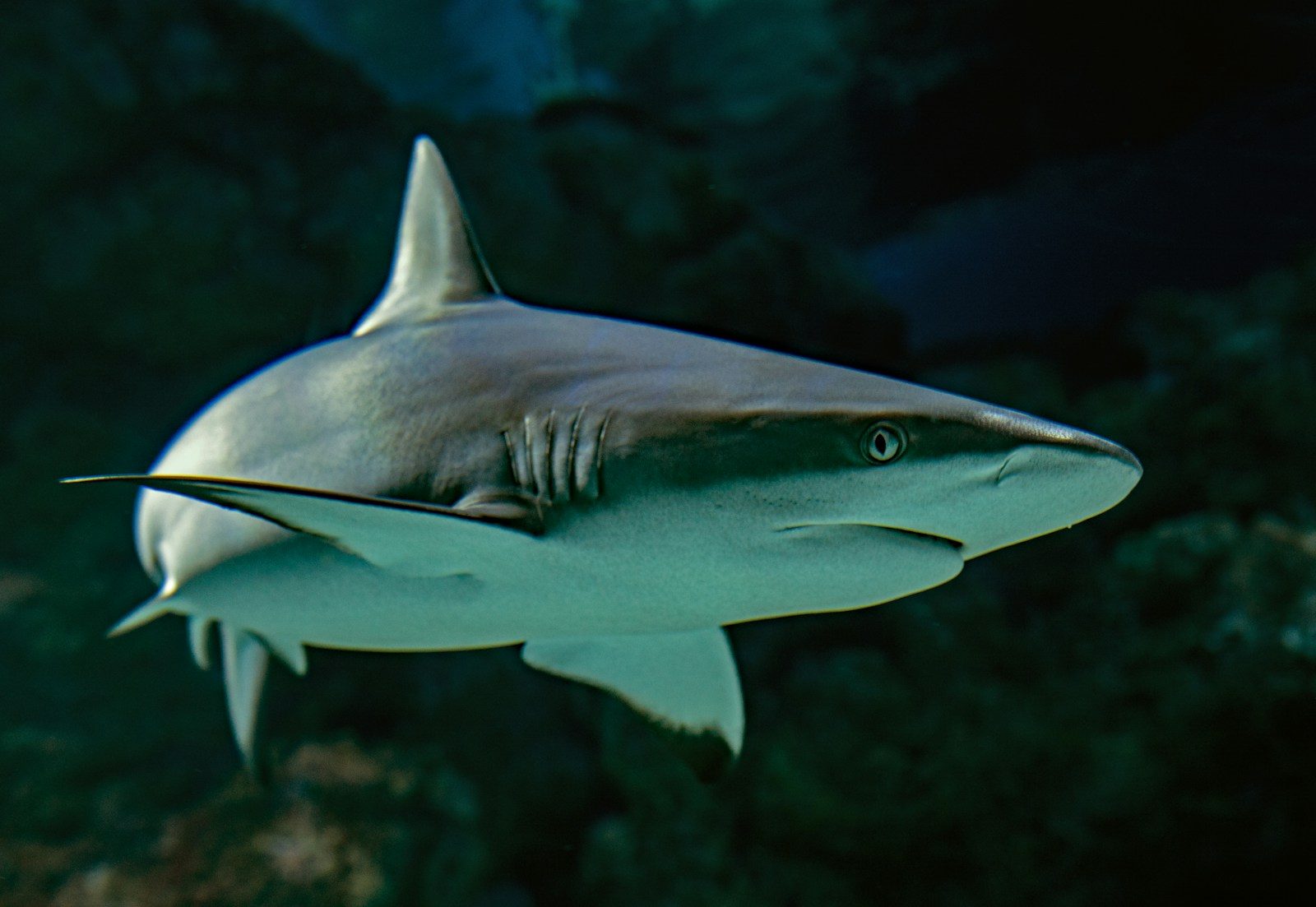
Have you ever wondered why sharks, some of the ocean’s oldest and strongest predators, are disappearing from many seas around the world? Shark populations are dropping faster than most people realize, and this decline affects the balance of ocean life in big ways. The main reason is not one single issue but a mix of human activities that have built up over decades.
In this article, you will learn the real causes behind the shark population decline in simple, clear language. We will explore how fishing, habitat damage, climate change, and other human impacts are pushing sharks toward dangerous levels of decline. By the end, you will understand not only what is happening, but also why it matters for the future of our oceans.
Overfishing and uncontrolled hunting
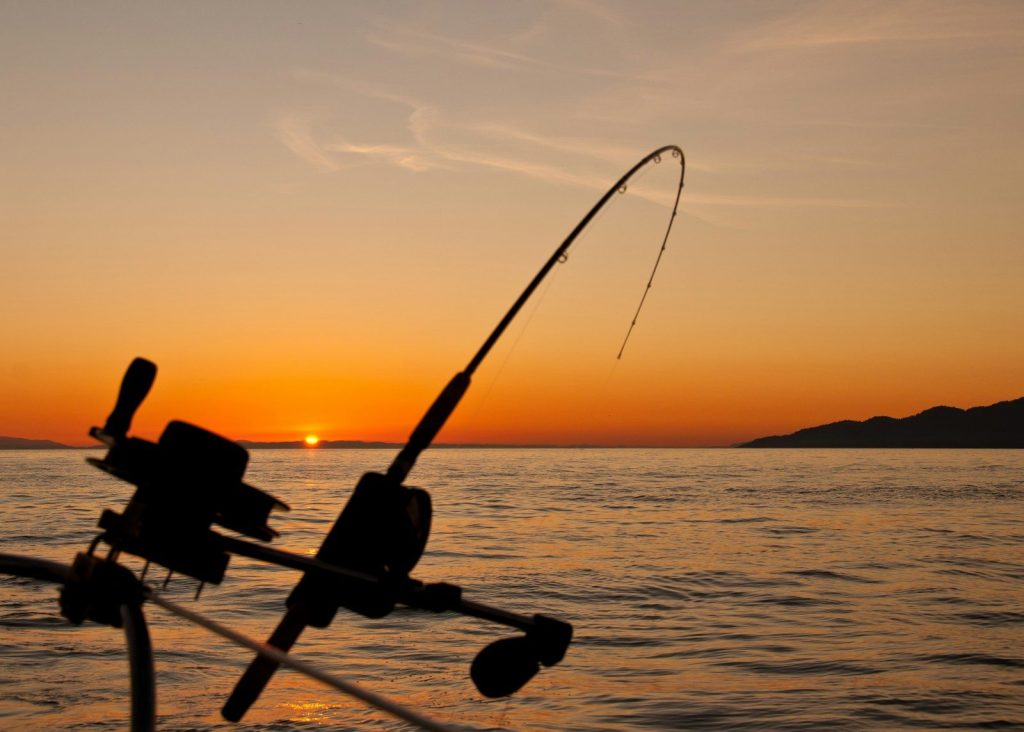
One of the biggest reasons shark populations are falling is overfishing. This means sharks are being caught faster than they can reproduce and recover. In many parts of the world, sharks are directly targeted for their meat, fins, liver oil, and cartilage. These fishing pressures have been going on for decades and have reduced many species dramatically.
Sharks are especially vulnerable because they grow slowly, take many years to become adults, and have very few babies compared to most fish. When large numbers are removed, populations cannot bounce back quickly. Studies show that oceanic shark numbers have dropped sharply over the last 50 years, mainly because of heavy fishing pressure across global waters.
Shark finning and wasteful fishing practices
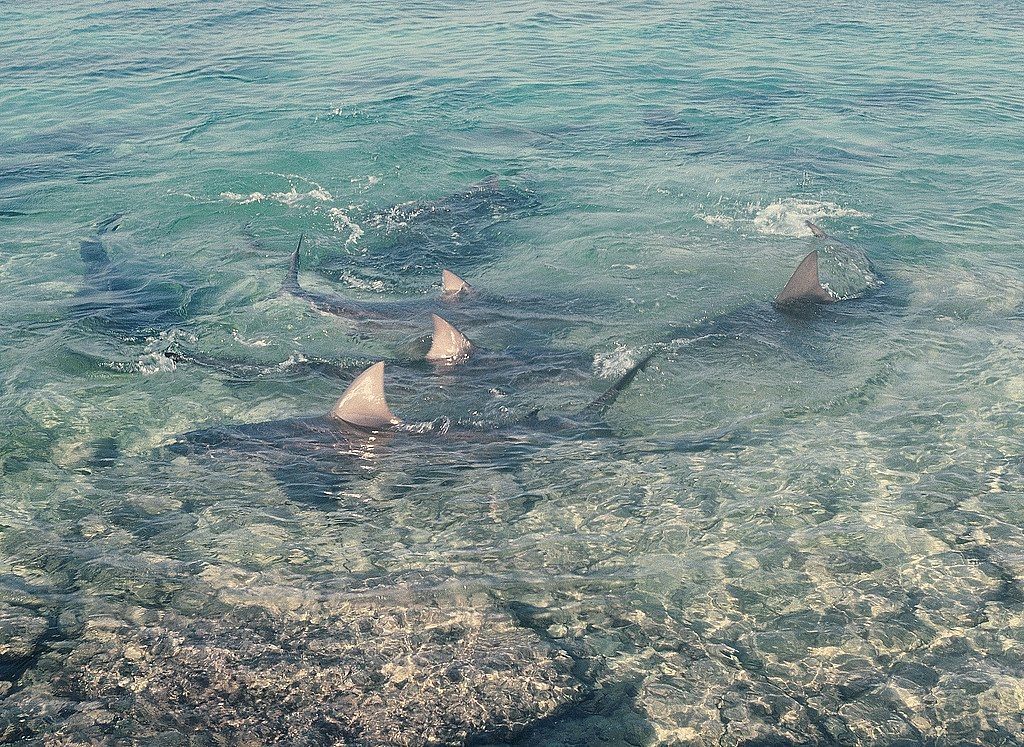
A major driver of shark decline is shark finning. This practice involves cutting off a shark’s fins and often throwing the rest of the body back into the ocean. The fins are sold for use in certain luxury foods, while the rest of the shark is wasted. This makes the process extremely harmful and unsustainable.
Even when finning is banned in some countries, illegal or unreported fishing still happens in parts of the world. On top of that, sharks are often caught as bycatch. This means they are accidentally trapped in nets meant for other fish species. Many of these sharks die before they can be released, adding huge pressure to already declining populations.
Bycatch in industrial fishing operations
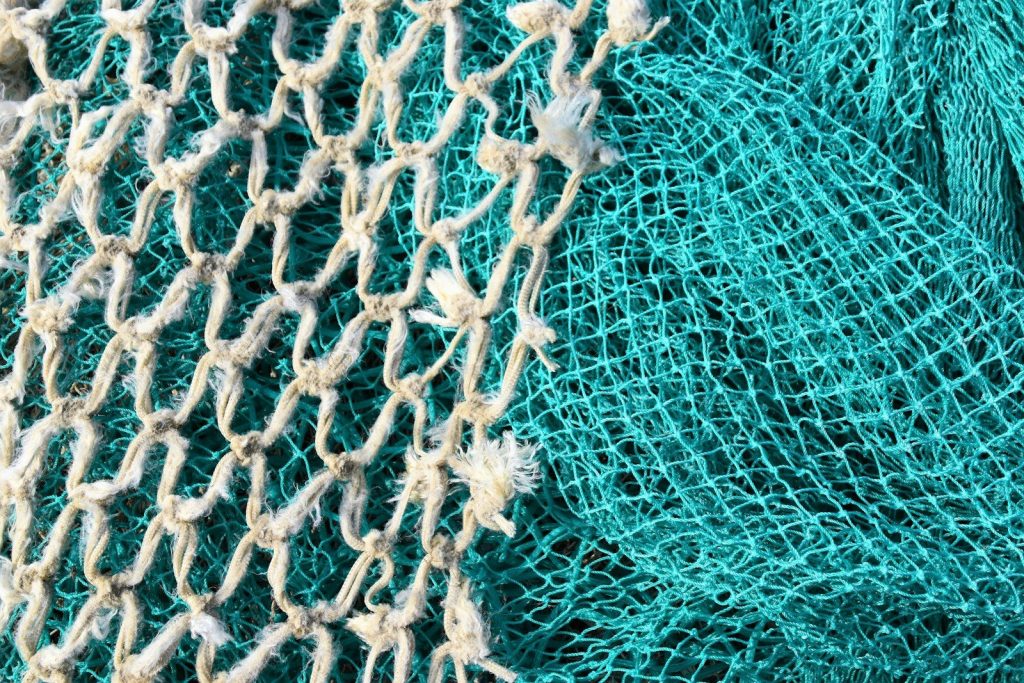
Bycatch is one of the most widespread threats to sharks today. Large fishing fleets use longlines, trawl nets, and gillnets that stretch for miles in the ocean. These tools are not selective, so they catch anything that swims into them, including sharks.
Because these operations are massive and operate in many parts of the ocean, millions of sharks are unintentionally caught each year. Even if some are released, many are injured or too weak to survive. Over time, this constant accidental capture adds up and becomes a major cause of population decline across many species.
Habitat loss and destruction of breeding areas
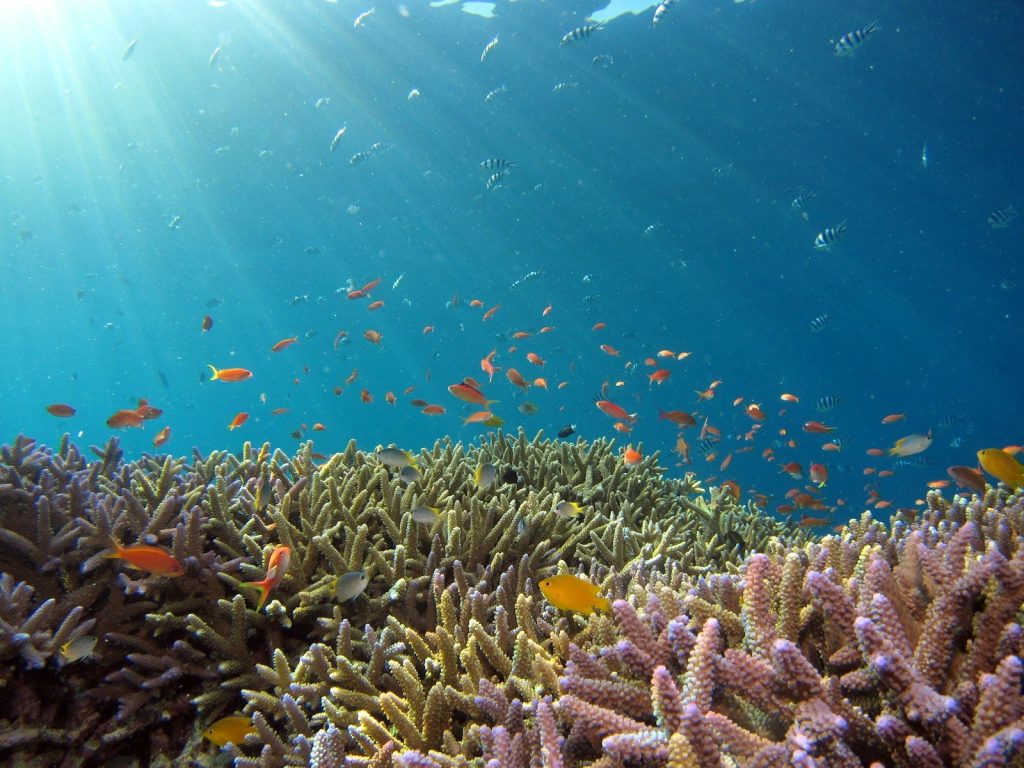
Sharks do not only depend on open ocean waters. Many species rely on coastal areas like mangroves, coral reefs, and shallow bays to give birth and raise their young. These areas are like nurseries where baby sharks grow safely before moving into deeper waters.
However, these habitats are being destroyed by human activity. Coastal development, pollution, and destructive fishing methods damage these ecosystems. When shark nurseries disappear, fewer young sharks survive to adulthood. This weakens populations over time and makes recovery even harder.
Climate change and shifting ocean conditions

Climate change is also playing a growing role in shark decline. As ocean temperatures rise, many shark species are forced to move to new areas in search of cooler water. This can separate them from the feeding grounds and breeding areas they depend on.
Changes in ocean chemistry and rising acidity can also affect the food chain. When smaller fish and marine life decline or move, sharks lose important food sources. Over time, these changes disrupt shark behavior, migration patterns, and survival rates, adding more stress to already struggling populations.
Weak regulations and poor global enforcement

Even though many countries have rules to protect sharks, enforcement is often weak or inconsistent. Oceans are shared spaces, and sharks migrate across national borders. This makes it difficult to manage them with a single country’s laws.
In some regions, illegal fishing continues because monitoring is limited. In others, fishing limits are too high or not based on science. Without strong global cooperation, shark protection rules are not enough to stop long-term population decline. This lack of coordination allows overfishing and bycatch to continue in many parts of the world.
Leave a Reply