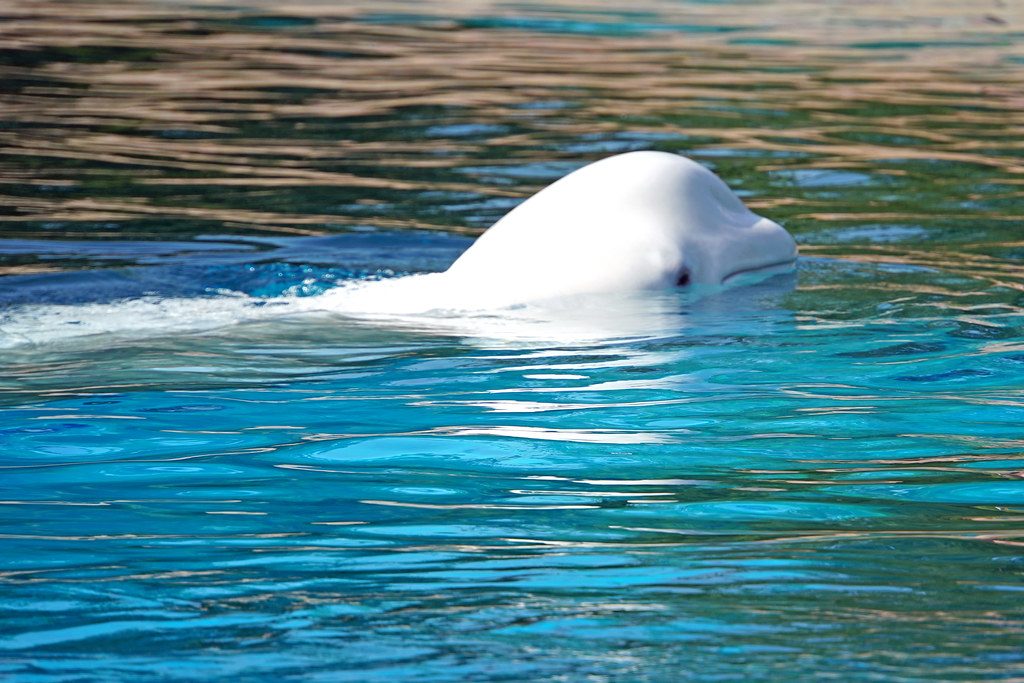
Beluga whales have become the center of a major debate in Canada after the federal government approved a plan to relocate dozens of whales from the closed Marineland park in Niagara Falls, Ontario. Supporters say the move could save the animals from an uncertain future, while critics argue that transferring them to other aquariums is not the ideal long-term solution. The decision has drawn attention from animal welfare groups, marine experts, and government officials alike.
This article explains why Canada approved the relocation, where the whales may go, why the issue became so controversial, and what it means for the future of captive marine mammals. Understanding the facts behind the decision helps explain why the debate continues even after the permits were approved.
Why Canada approved the beluga whale transfer

Canada recently endorsed a plan to relocate 30 beluga whales and four dolphins that remain at the former Marineland facility in Niagara Falls. The park closed to the public in 2024, leaving questions about the future care of the animals. Federal officials determined that a carefully managed transfer offered the best available path forward while ensuring the whales receive continued care in accredited facilities. The approval came after months of discussions between government agencies, animal care experts, and organizations willing to accept the whales.
The relocation is not automatic. Officials still require additional health checks, veterinary reviews, and final permits before any whales are moved. Canada has said that each transfer must meet animal welfare standards and international requirements. The government also stated that protecting the health and safety of the animals remains the top priority throughout the process.
The long controversy surrounding Marineland
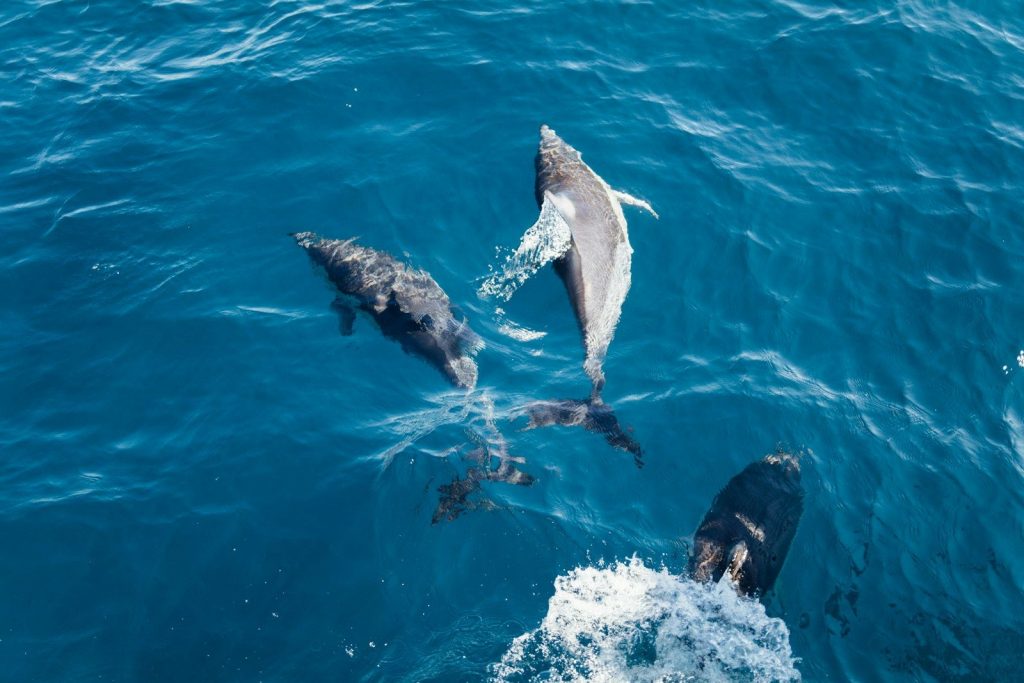
Marineland was once a major tourist attraction known for its marine animals and amusement rides. Over the years, however, the facility faced growing criticism from animal welfare advocates who questioned the conditions in which some animals were kept. Concerns about whale and dolphin captivity became more visible as public attitudes toward marine parks changed across North America and Europe.
The controversy intensified after reports showed that numerous whales had died at the facility since 2019. In addition, Marineland faced legal and regulatory scrutiny related to animal care. Critics argued that the situation demonstrated the challenges of keeping large marine mammals in captivity, while supporters of relocation said the remaining animals needed a stable long-term home as quickly as possible.
Where the beluga whales are expected to go
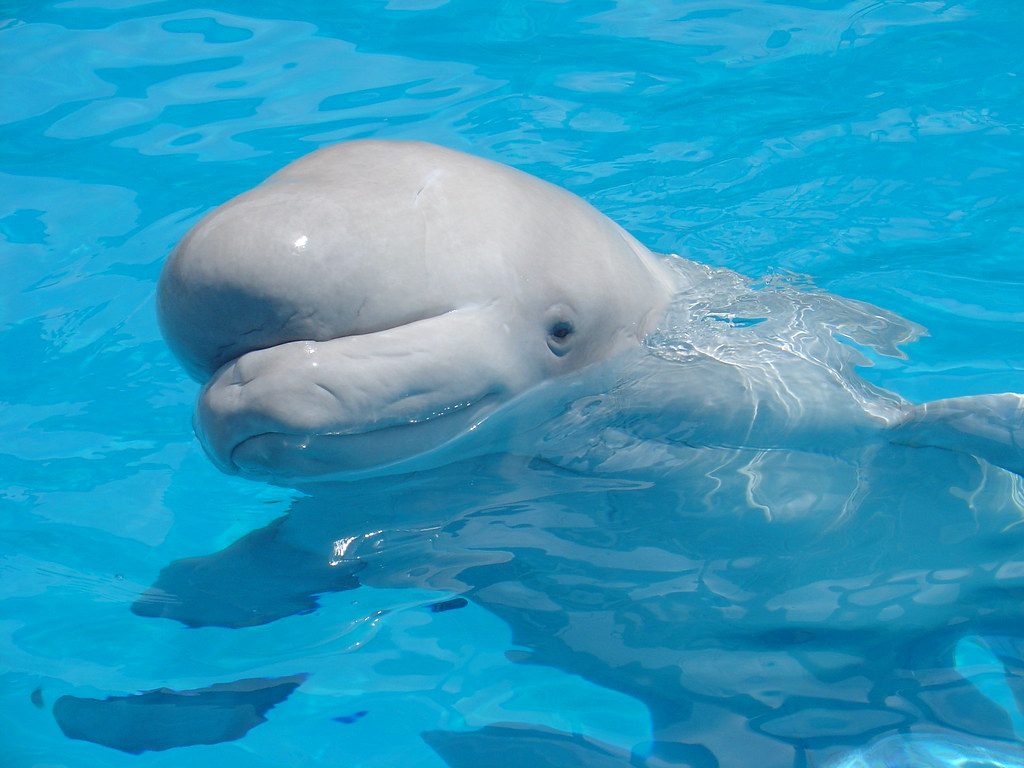
Under the current plan, the beluga whales would be distributed among several marine facilities in the United States and Spain. Proposed destinations include facilities in Atlanta, Chicago, San Diego, San Antonio, and Valencia. These institutions already care for marine mammals and have experience managing beluga whale populations. Experts from several facilities have participated in health assessments and planning efforts.
Moving large marine mammals is a complex operation. Special transportation systems, veterinary teams, and extensive planning are required to reduce stress on the animals. Officials have emphasized that family groups and social bonds among the whales will be considered whenever possible. The relocation process could take months to complete because every whale must be evaluated individually before travel.
Why animal welfare groups remain divided

Many animal welfare organizations welcomed the decision because it may prevent a worse outcome for the whales. Some groups described the relocation as the most practical option available under current circumstances. They believe that moving the whales to facilities with dedicated resources and experienced staff is preferable to leaving them in a closed park facing financial uncertainty.
At the same time, not all advocates support the plan. Some argue that transferring whales from one aquarium to another does not solve the broader issue of captivity. These groups would prefer marine sanctuaries where whales could live in larger natural environments while still receiving human care. Others worry about the health risks involved in transporting older or medically fragile animals over long distances.
The role of Canada’s marine mammal laws

Canada has gradually moved toward stronger protections for whales and dolphins in captivity. A key turning point came in 2019 when the country enacted legislation that restricted the captivity of cetaceans for entertainment purposes. The law reflected changing public attitudes about keeping highly intelligent marine mammals in tanks and performing shows.
Those legal changes influenced government decisions throughout the Marineland debate. Canadian officials previously rejected a proposal that would have sent the whales to a facility in China, citing concerns about continued entertainment use. The current relocation plan received support because the receiving institutions met conditions that Canadian authorities considered more acceptable under existing regulations and welfare requirements.
What the decision could mean for the future
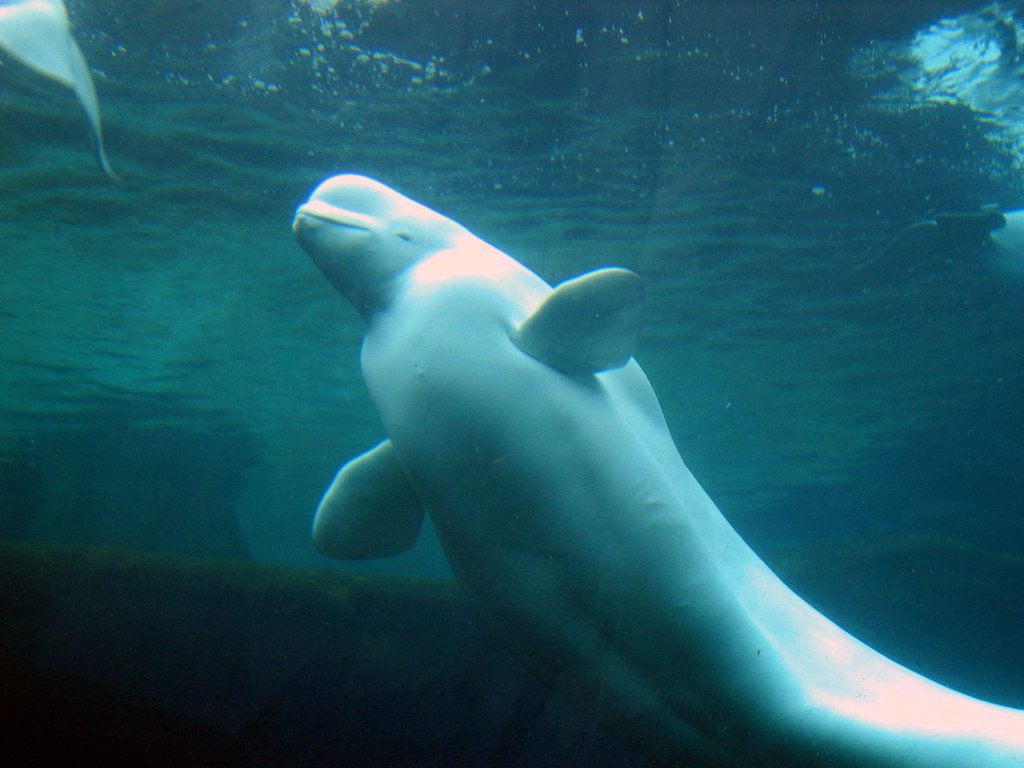
The relocation plan may become an important case study for how governments handle captive marine mammals when facilities close. As public opinion continues to evolve, authorities may face increasing pressure to develop long-term alternatives such as coastal sanctuaries. The debate has highlighted the difficulty of balancing animal welfare, legal responsibilities, financial realities, and conservation goals.
The outcome could also influence future policies involving whales, dolphins, and other large marine animals. If the transfers are completed successfully, officials may point to the effort as an example of international cooperation in animal care. If challenges arise, calls for sanctuary-based solutions could grow stronger. Either way, the decision marks a significant moment in Canada’s ongoing discussion about the future of marine mammal captivity.
Leave a Reply