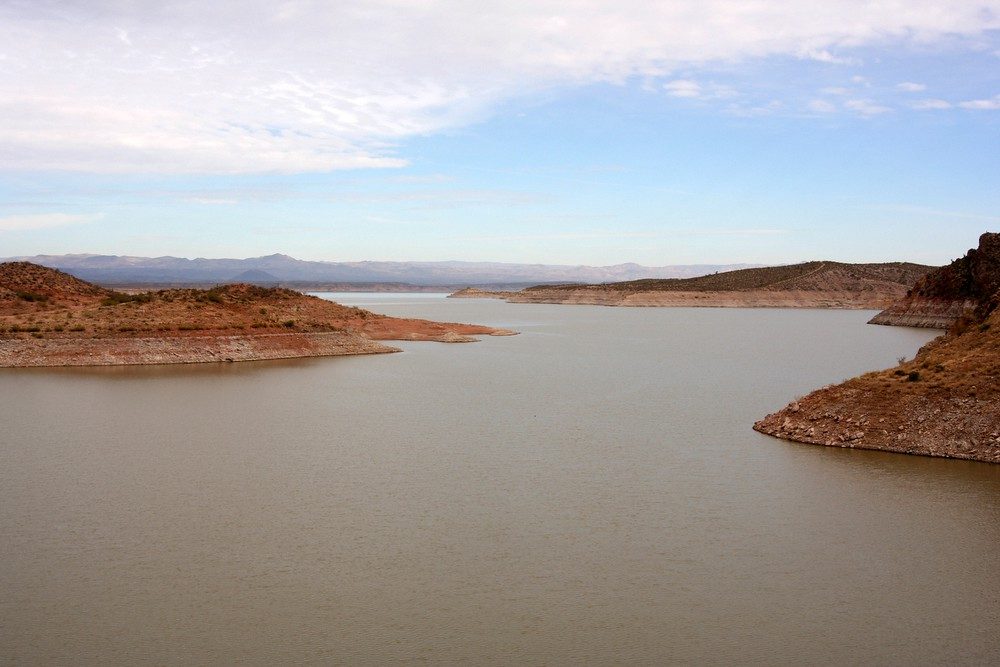
A popular lake in Arizona has suddenly been closed, leaving visitors shocked and concerned about what happened beneath the surface. The shutdown came after officials confirmed a major loss of aquatic life, with nearly all fish in the lake dying within a short period of time. If you are wondering what caused this and what it means for the environment and local recreation, this article explains everything in simple terms.
In this article, you will learn which lake was affected, why the fish died, and how drought and water changes played a major role. We will also look at what officials are doing now, what this means for wildlife, and whether the lake might reopen in the future. The goal is to give you a clear, easy-to-understand picture of this environmental event and why it matters.
What happened at the Arizona lake
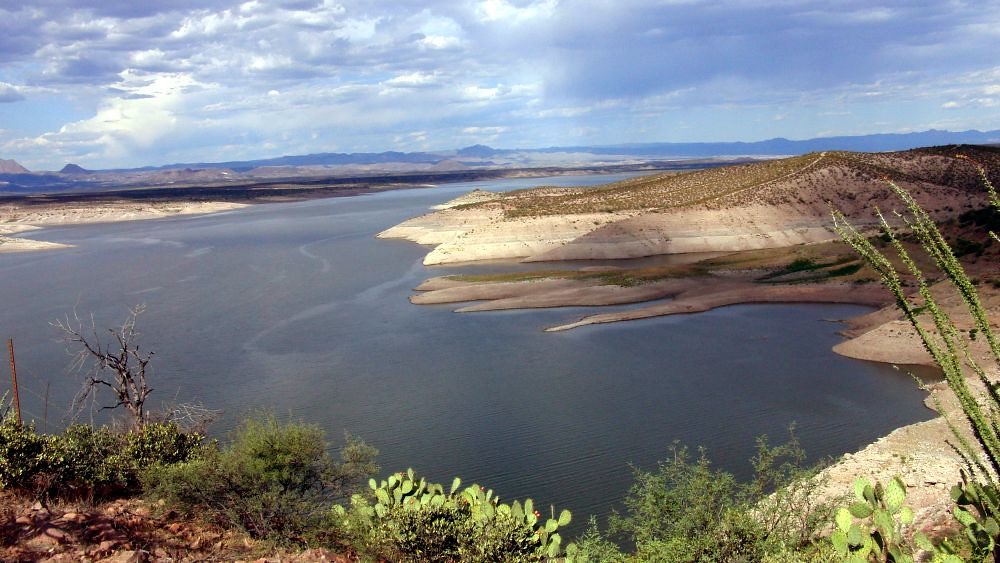
The lake affected is San Carlos Lake, a large man-made reservoir in eastern Arizona located about 125 miles east of Phoenix. It is known for fishing, boating, and outdoor recreation, and it usually supports many types of fish, including bass, catfish, and crappie. Recently, however, officials confirmed that almost 100 percent of the fish population in the lake died in a sudden ecological collapse.
This event was described by wildlife authorities as a “major fish kill,” meaning a large number of fish died in a short time. The discovery of widespread fish carcasses along the shoreline led to immediate concern about water safety and public health. Because of this, the lake was closed indefinitely, meaning there is no set date for reopening.
Why the fish died in San Carlos Lake
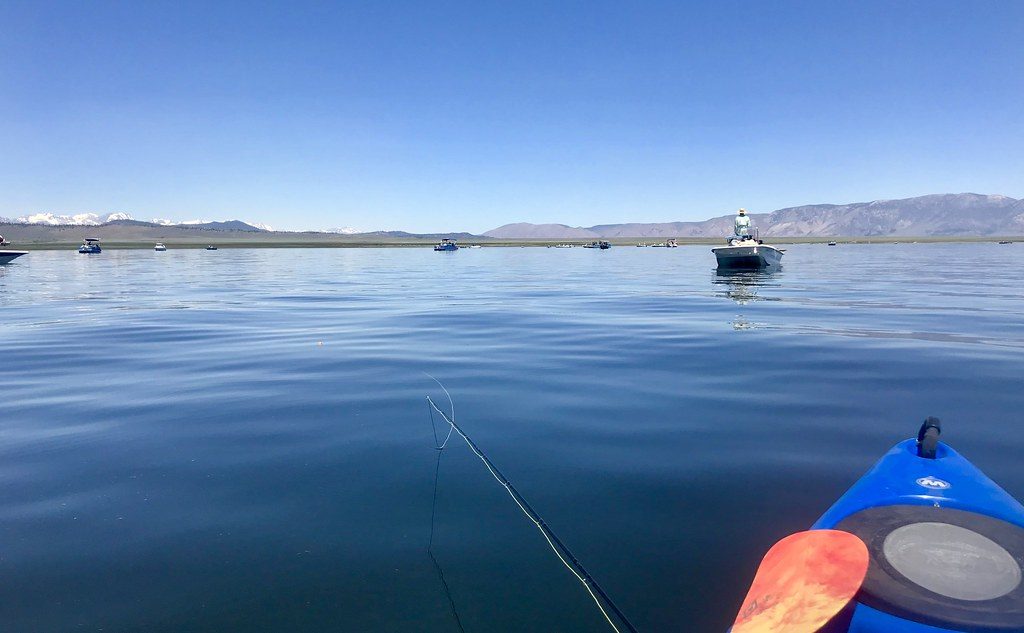
Experts and wildlife officials have pointed to a combination of drought conditions and water level changes as the main reasons for the fish die-off. Arizona has been dealing with long periods of dry weather, and San Carlos Lake dropped to extremely low water levels. When water becomes too shallow, it cannot hold enough oxygen for fish to survive.
In addition to drought, controlled water releases from a nearby dam made the situation worse. As water levels fell, the remaining water became warmer and more stagnant, which lowers oxygen even further. In some cases, algae growth can also increase in these conditions, making it even harder for aquatic life to survive.
How drought made the situation worse
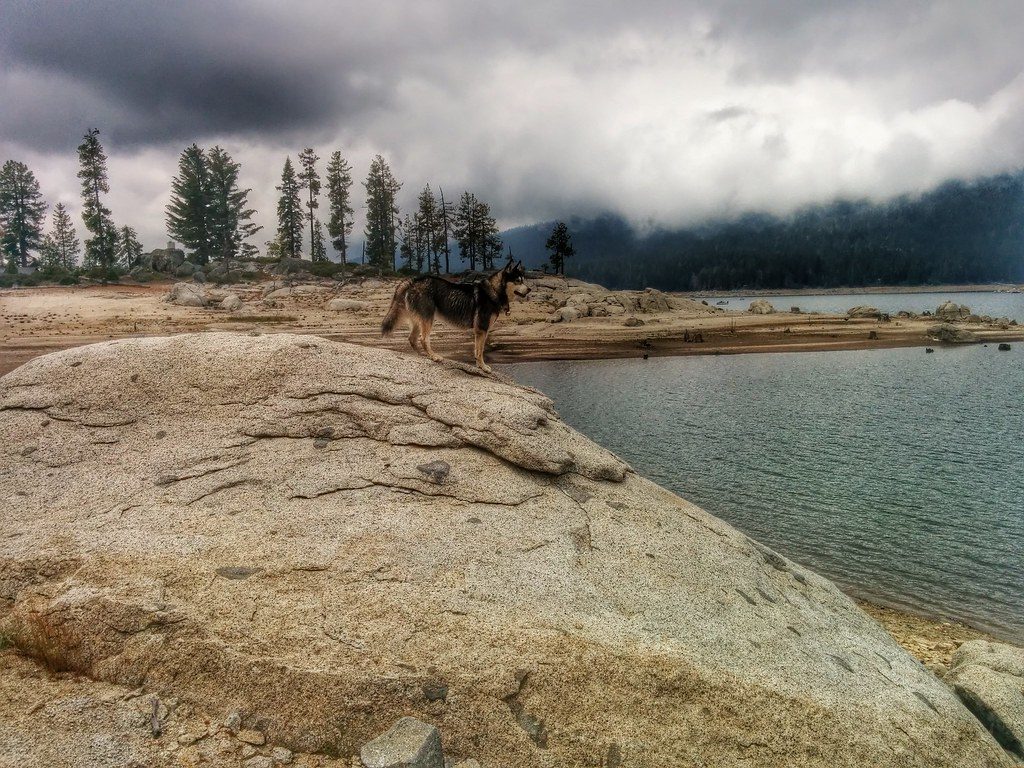
Drought plays a major role in how healthy a lake can stay, especially in places like Arizona, where water is already limited. When there is not enough rain or snowmelt feeding into the lake, the water level keeps dropping. At San Carlos Lake, officials reported levels falling to critically low points, which created stressful conditions for fish.
Low water also means less space and fewer resources for aquatic life. Fish become crowded, oxygen levels drop, and temperatures rise faster in shallow areas. Over time, these conditions can reach a breaking point where survival is no longer possible for most species living in the lake.
Why is the lake closed indefinitely?
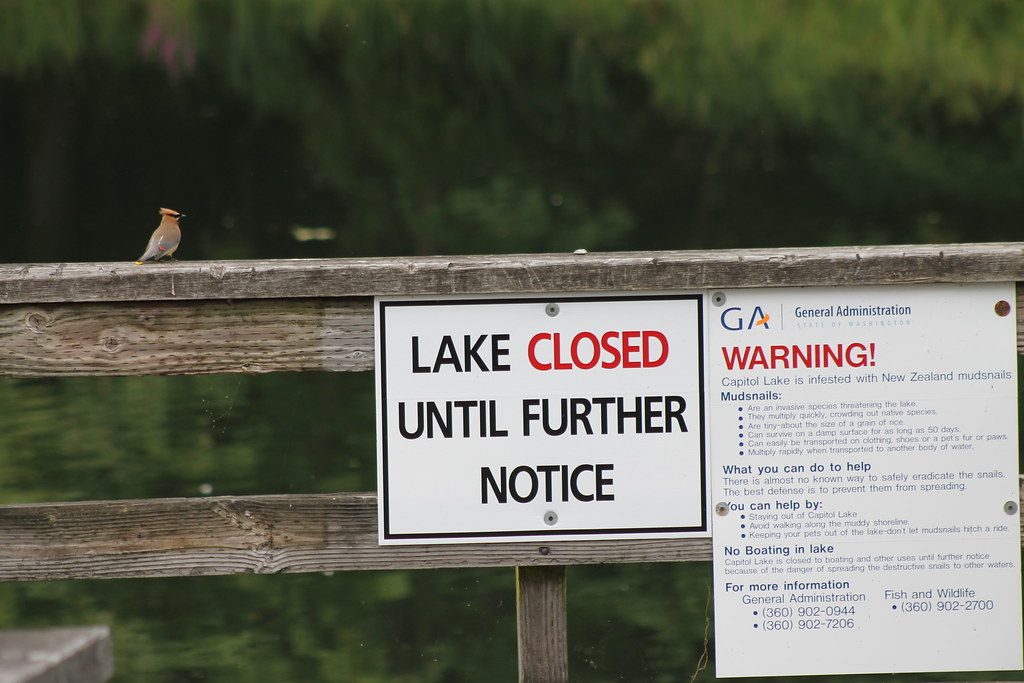
After the fish die-off, officials made the decision to close San Carlos Lake to the public with no reopening date set. One major reason is health and safety. When thousands of fish die and begin to decompose, they can release harmful bacteria and create unsafe water conditions for people.
Because of this risk, all activities such as fishing, swimming, and boating have been banned for now. Authorities are also working to assess the environmental damage and monitor water quality. The closure is meant to protect both visitors and the surrounding ecosystem while recovery efforts are considered.
Impact on wildlife and the local community
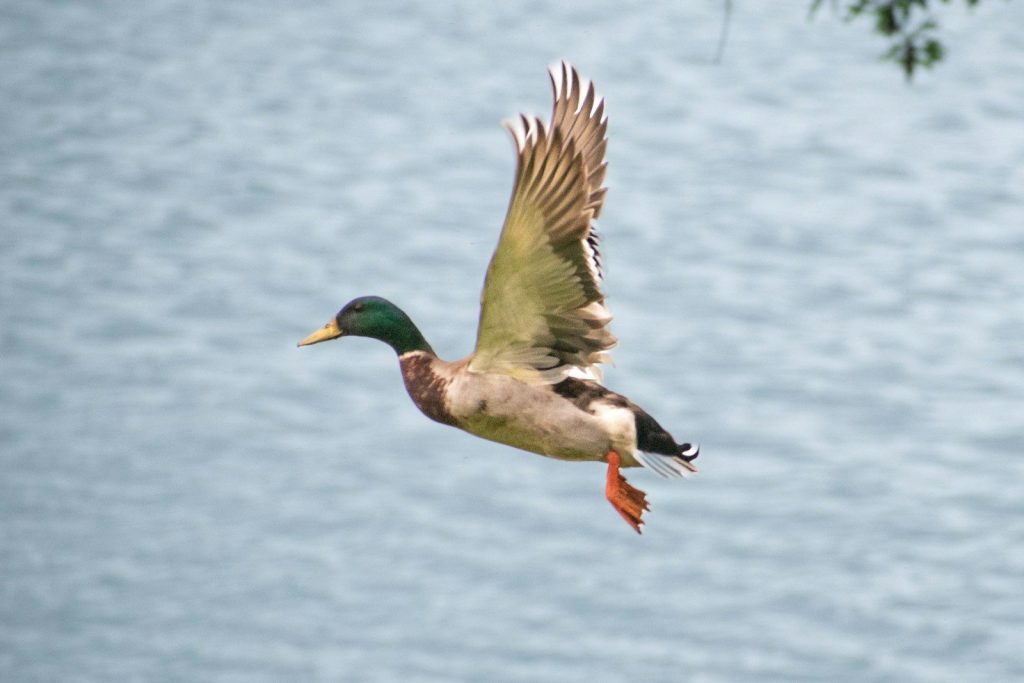
The loss of nearly all fish in the lake has a serious impact on the local ecosystem. Fish are an important part of the food chain, and their sudden disappearance can affect birds and other wildlife that depend on them for food. It also disrupts the natural balance of the lake environment.
For the local community and visitors, the closure means a loss of recreation and tourism activity. San Carlos Lake has long been a popular spot for fishing and outdoor trips. Now, with access restricted, many people who relied on the lake for sport or relaxation are left waiting for conditions to improve.
What could happen next for the lake?
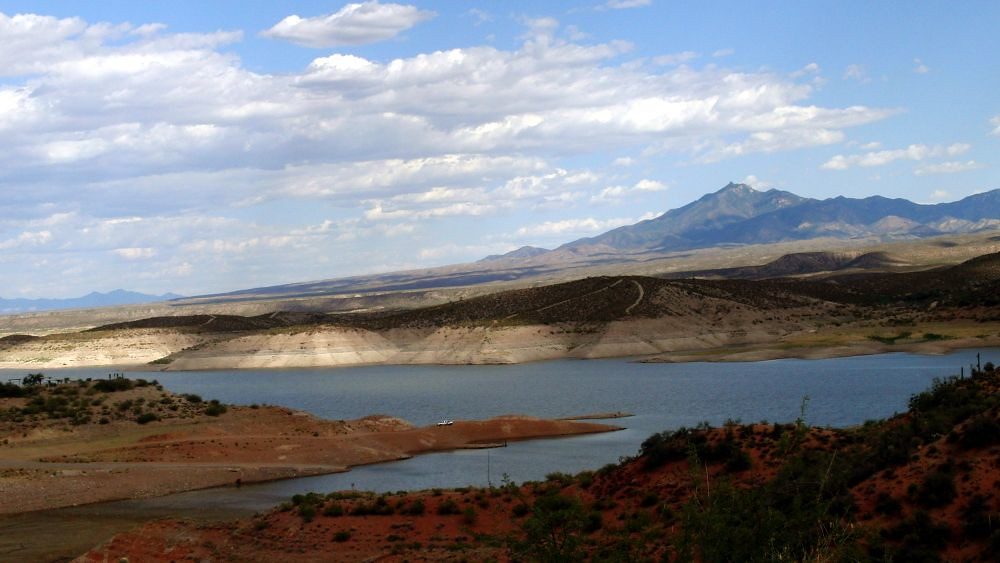
Wildlife experts will continue monitoring water quality and environmental conditions before any decision is made about reopening. In some cases like this, lakes can slowly recover if water levels improve and fish populations are restocked over time. However, recovery depends heavily on weather conditions and long-term drought patterns.
If rainfall improves and water levels rise, the ecosystem may eventually stabilize again. Until then, the lake remains closed as officials focus on safety and environmental recovery. The situation also serves as a reminder of how fragile water systems can be in dry regions.
Leave a Reply