Imagine finding out that one of the ocean’s most famous monsters may have been much bigger than scientists once believed. For years, people thought megalodon was around 50 to 60 feet long. Now, a rare fossil and a new study are making experts rethink that idea.
The big question is simple: could megalodon have been 80 feet long? The answer is more exciting than many expected. In this article, you will learn how scientists estimate the size of extinct animals, what the new fossil revealed, why the shark’s body shape matters, and whether the giant 80-foot estimate is truly possible.
Why have scientists argued about megalodon’s size?
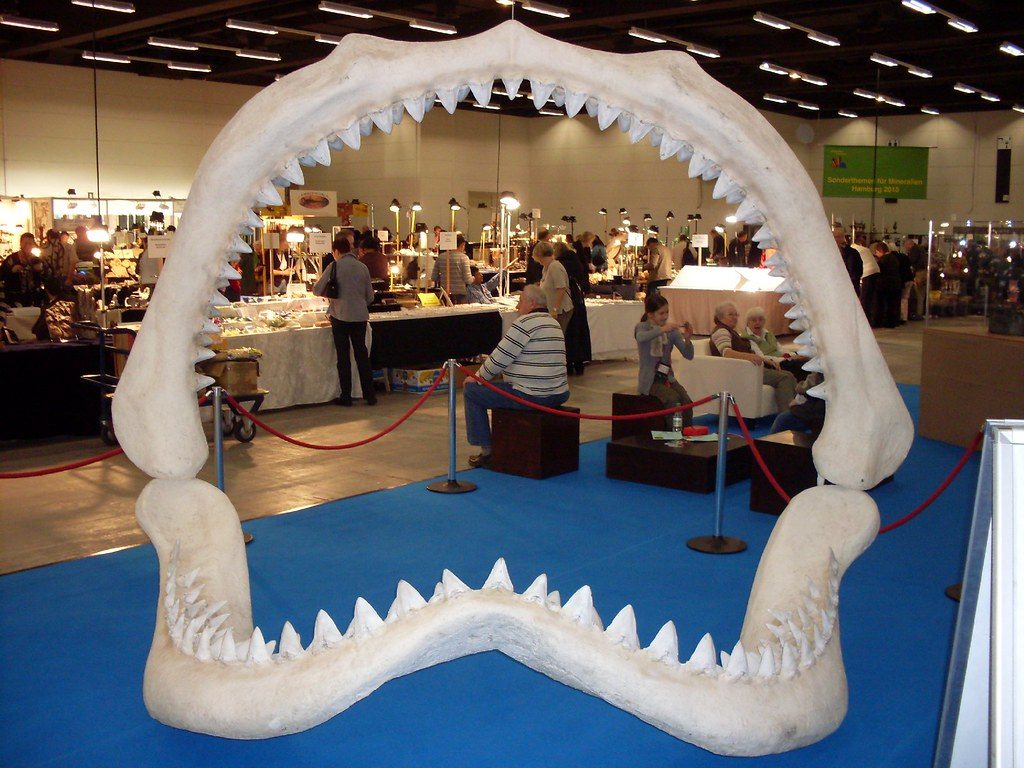
Megalodon was the largest predatory shark known to have lived, but scientists face one major problem when trying to measure it. Sharks are made mostly of cartilage, not bone, and cartilage rarely fossilizes well. Most megalodon fossils are teeth, along with a few vertebrae and small pieces of skeleton. Because of this, researchers have spent decades using tooth size to estimate the shark’s total length. Different methods often gave different answers. Many studies suggested adults grew to around 50 feet, while some estimates reached 60 to 65 feet. Earlier attempts even proposed lengths close to 100 feet, but those estimates are no longer considered realistic.
The lack of a complete skeleton is why the debate has lasted so long. Scientists have had to compare megalodon teeth and vertebrae with those of living sharks, especially the great white shark. For years, researchers assumed megalodon looked like an oversized great white with a bulky, torpedo-shaped body. If that assumption were wrong, then many of the old size estimates could also be wrong. That possibility opened the door for a major rethink and led researchers to look more carefully at the few body fossils that do exist.
The fossil that changed the discussion

A rare fossilized vertebral column discovered in Belgium has become one of the most important clues about megalodon’s true appearance. The fossil contains dozens of vertebrae and measures about 36 feet long, even though it is incomplete. Instead of relying only on teeth, researchers used this fossil to study how different body parts may have fit together. They compared the vertebrae with more than 100 living and extinct shark species to understand how megalodon’s body proportions may have worked.
The results surprised many scientists. The new study suggested that megalodon was not shaped like a giant great white. Instead, it may have had a longer and slimmer body, more similar to a lemon shark or even some large whales. Researchers found that the head likely made up about 16.6 percent of the total body length, while the tail accounted for about 32.6 percent. A longer and more streamlined body would allow the animal to become larger without suffering the swimming problems that a bulky body shape might create. This new view completely changed how scientists think about the giant predator.
Could megalodon really reach 80 feet?
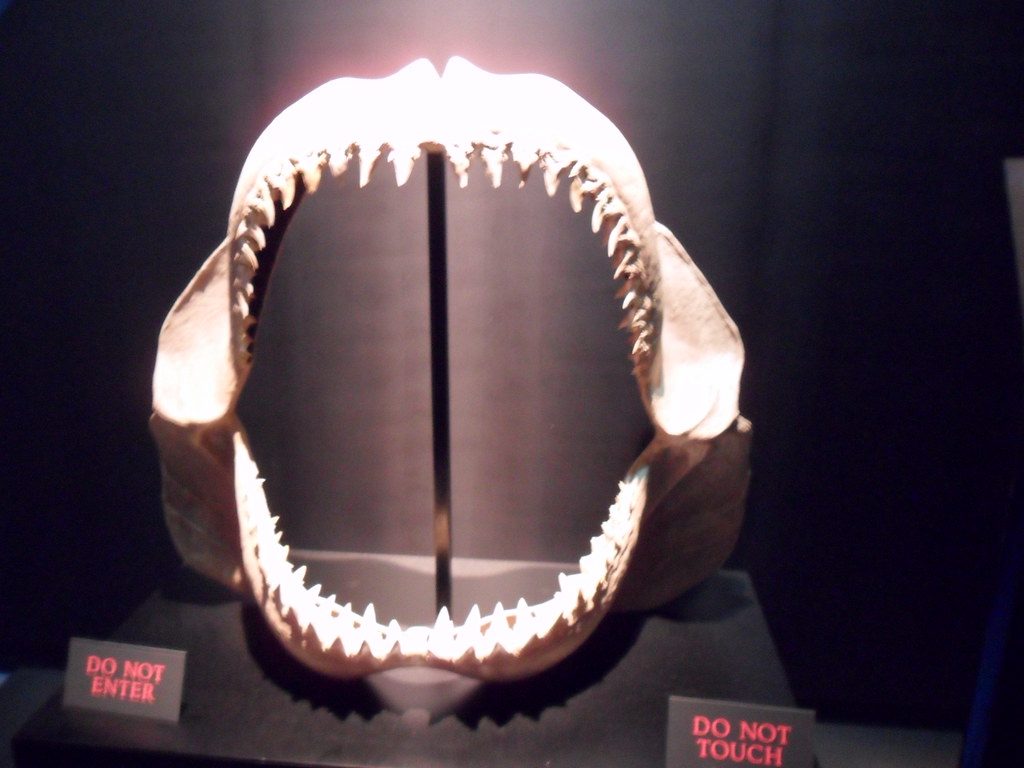
The newest estimate says that megalodon may have reached about 80 feet, or 24.3 meters, in length. Scientists stress that this is not the average size. Instead, it is the largest reasonable estimate based on the available fossil record and the new body shape model. Most megalodons were probably much smaller. Researchers believe many adults measured between 50 and 65 feet, with only the biggest individuals approaching the new upper limit.
Even though the 80-foot estimate is making headlines, scientists are being careful with their wording. They are not saying every megalodon was that size or that they have found an 80-foot skeleton. The estimate comes from scaling the fossilized vertebral column and comparing it with sharks that are alive today. The lead researchers have described 80 feet as the largest size that can currently be justified by science and the fossils we have right now. Future discoveries could support this estimate, lower it, or even reveal something entirely new. For now, the number remains a scientifically reasonable possibility rather than an absolute fact.
How big would an 80-foot megalodon be
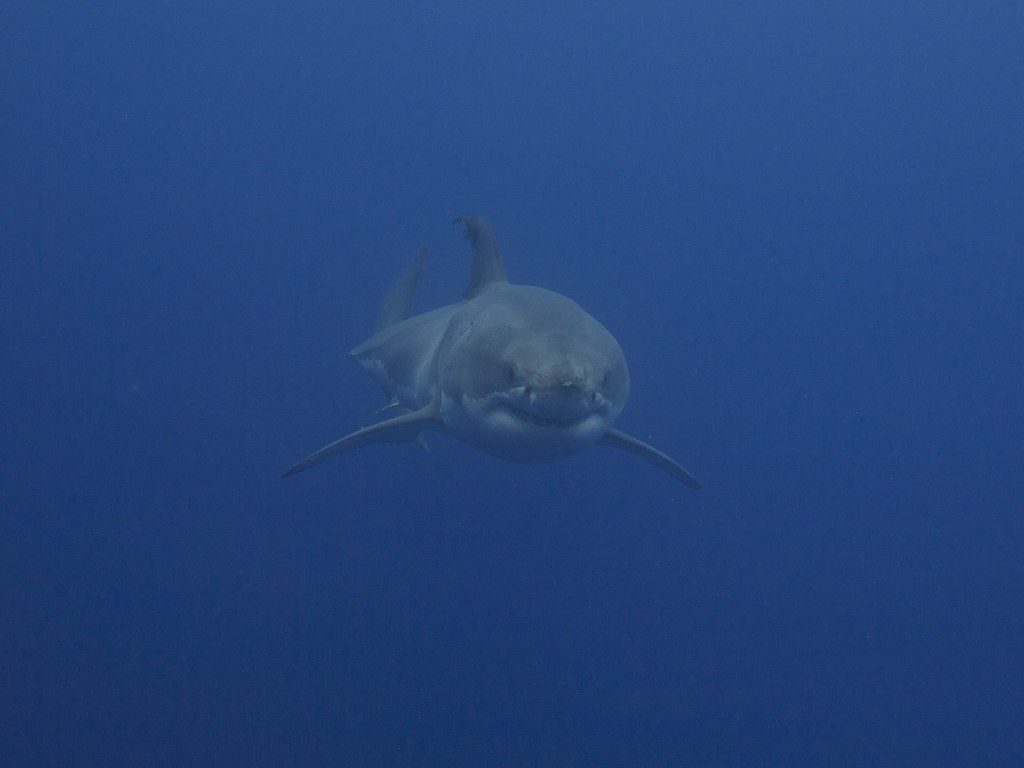
An 80-foot megalodon would be one of the largest predatory animals ever to live. It would be about four times longer than the largest great white shark ever recorded. It would also be larger than most whale sharks alive today and only slightly shorter than some blue whales. Scientists estimate that a shark this size could have weighed around 90 to 94 tons, making it one of the heaviest fish in Earth’s history.
The size becomes even more astonishing when scientists consider young megalodons. The new research suggests newborn pups may have measured around 13 feet long. That means a baby megalodon could have been as long as an adult great white shark. Scientists think these huge pups were possible because the embryos likely fed on unfertilized eggs or smaller siblings inside the mother’s womb, a behavior seen in some modern sharks. Starting life at such a large size would have given young megalodons a strong advantage against predators and competitors in ancient oceans.
Why body shape matters so much
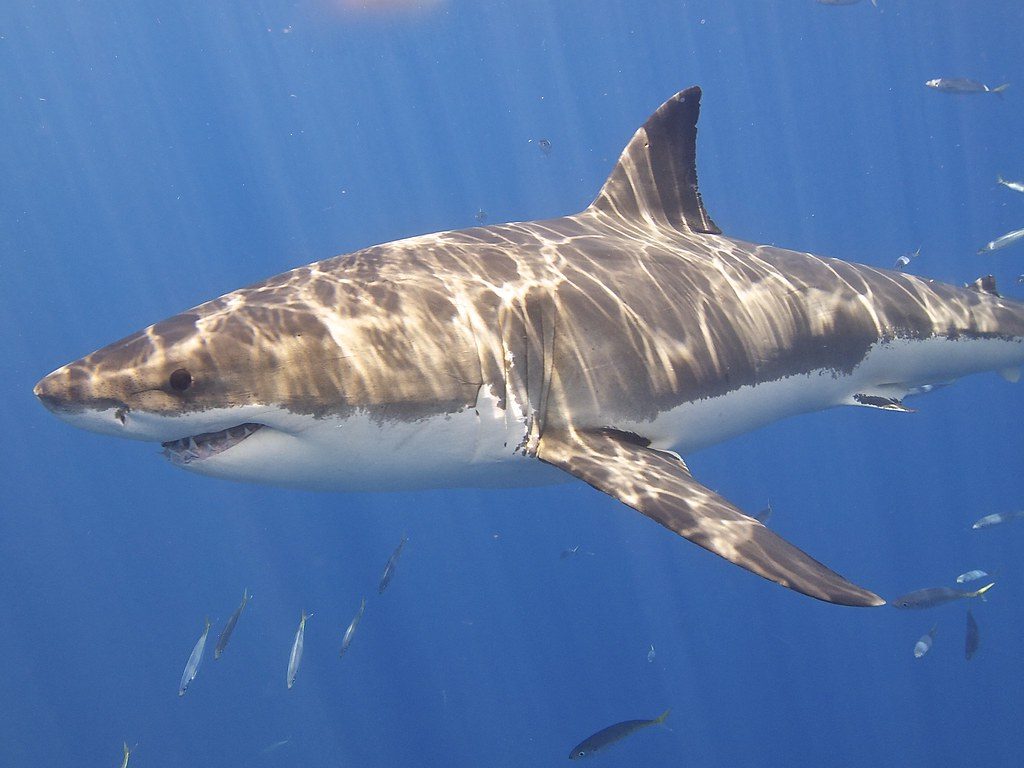
Body shape is one of the biggest reasons why the new estimate is possible. Great white sharks are powerful animals, but they have thick, muscular bodies. As they grow larger, moving through water becomes harder because drag increases. Scientists believe this body design limits how large great whites can become. Most never exceed about 20 feet, and even the biggest recorded examples remain far smaller than megalodon.
The new research argues that megalodon may have avoided these limits by evolving a more streamlined shape. A longer and slimmer body creates less resistance in the water and allows for more energy-efficient swimming. Researchers compare this design to modern lemon sharks and even large whales that cruise across oceans with less effort. This does not mean megalodon was weak or slow. It was still an apex predator with enormous jaws and massive teeth. However, its body may have been built for steady, efficient movement rather than the explosive bursts of speed seen in great whites. That difference could explain how it grew to such incredible sizes.
What scientists still do not know

Despite the excitement surrounding the new study, many mysteries remain. No complete megalodon skeleton has ever been found. Scientists still do not know exactly how wide its body was, how fast it could swim, or how its fins were shaped. Every new estimate relies on comparisons with living sharks and the small number of fossils that have survived. Because of these limitations, researchers continue to debate some details of the new reconstruction.
Scientists are also learning more about megalodon’s lifestyle and extinction. The giant shark lived from about 23 million years ago until around 3.6 million years ago and was found in oceans around the world. Fossils show it preyed on whales, seals, sea turtles, and other marine animals. Changes in climate, cooling oceans, and competition from faster predators such as great white sharks may have played a role in its disappearance. As new fossils are discovered and new technologies are developed, scientists expect our understanding of megalodon to continue evolving. The 80-foot estimate may not be the final answer, but it shows that even famous prehistoric animals can still surprise us.
Leave a Reply