Have you ever heard of a wild dog so secretive that scientists call it the “ghost dog”? For years, this strange animal remained one of the biggest mysteries of the Amazon rainforest. Very few people had seen it, and even researchers struggled to learn about its habits. Now, extraordinary images taken over many years are finally giving us a closer look at this elusive creature.
The mysterious ghost dog is actually a species called the short-eared dog. Recent camera trap surveys have captured hundreds of images, helping scientists understand where it lives, how it behaves, and why protecting it matters. In this article, you will discover what makes this animal so unusual, why it stayed hidden for so long, and what these amazing photographs reveal about one of the world’s least-known wild dogs.
What is the mysterious ghost dog?
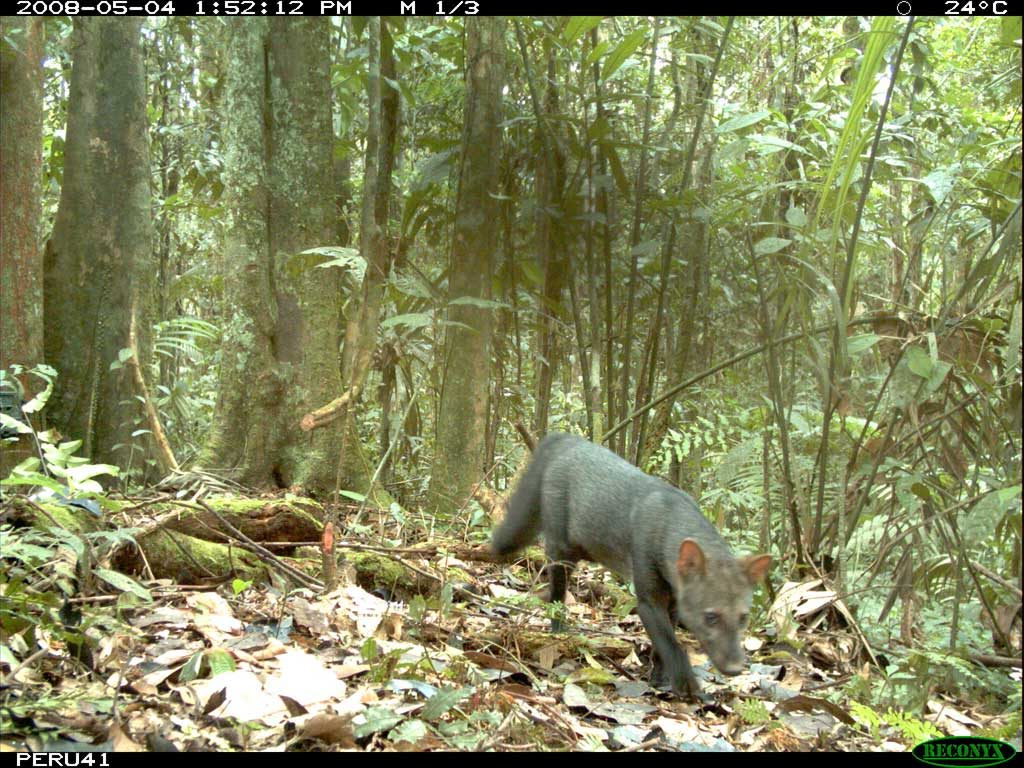
The mysterious ghost dog is the common nickname for the short-eared dog, a rare wild canine that lives in the Amazon rainforest. Its scientific name is Atelocynus microtis, which means “short-eared dog.” Unlike wolves or foxes, this animal has a large head, short, rounded ears, short legs, and a long bushy tail. Its fur can range from reddish-brown to dark gray or almost black, giving it a shadowy appearance that blends perfectly with the forest.
Scientists have long considered the short-eared dog one of the least-known carnivores in South America. People rarely see it because it lives deep inside dense forests and avoids human activity whenever possible. Its excellent hearing, sharp sense of smell, and shy nature make it very difficult to spot. This secrecy is exactly why it earned the nickname “ghost dog,” as it seems to appear and disappear like a spirit of the forest.
Extraordinary images are changing what scientists know

For decades, researchers searched for reliable information about the ghost dog but found very little. That changed when scientists placed camera traps across forests in Bolivia and Peru. These motion-activated cameras quietly photographed wildlife day and night without disturbing the animals. Over more than twenty years of work, researchers collected nearly 600 photographs of short-eared dogs, creating the largest collection of images ever gathered for the species.
The photographs revealed details that scientists had only guessed at before. They showed the dog’s body shape, coat colors, and daily activities with surprising clarity. Researchers discovered that the species may be more common than previously believed, although it is still far from abundant. The images also proved how useful modern technology has become for studying shy animals that rarely appear in front of humans.
Why the ghost dog stayed hidden for so long
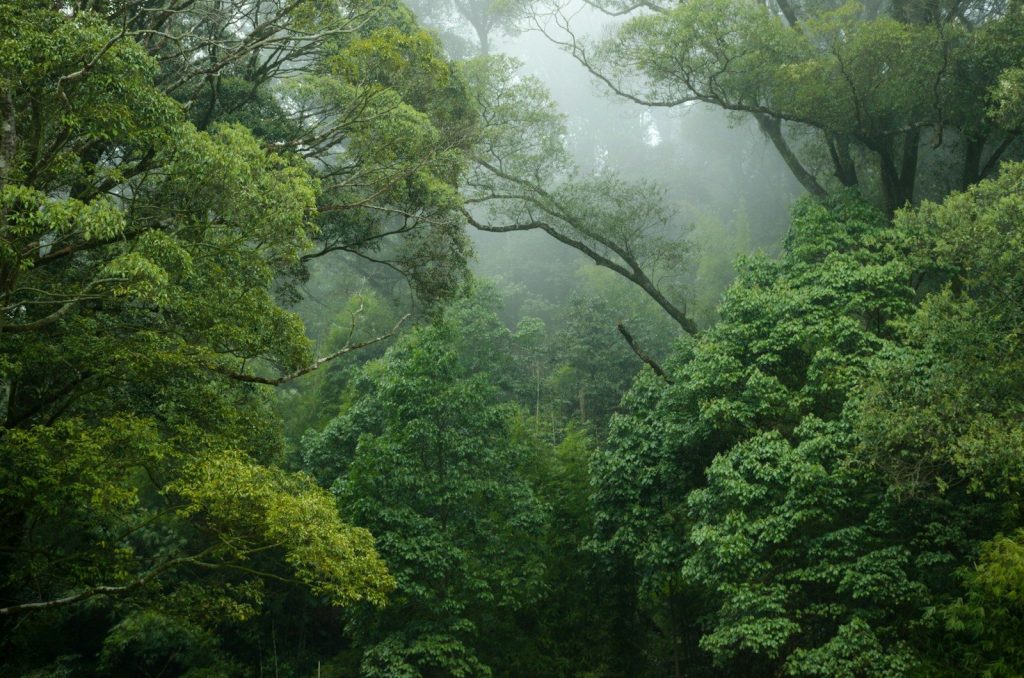
The Amazon rainforest is one of the largest and most complex ecosystems on Earth. Thick vegetation, heavy rainfall, and remote landscapes make it difficult for people to explore every area. The short-eared dog takes full advantage of these conditions by living in places that are hard to reach and by avoiding open spaces where predators or humans might spot it.
Its behavior also adds to the mystery. Unlike many wild dogs that live and hunt in packs, the ghost dog usually lives alone or in pairs. It moves quietly through the forest and spends much of its time away from rivers and human settlements. Researchers believe it relies heavily on its senses to detect danger, allowing it to slip away long before anyone notices it. These habits explain why so little was known about the species for such a long time.
The ghost dog is built for rainforest life
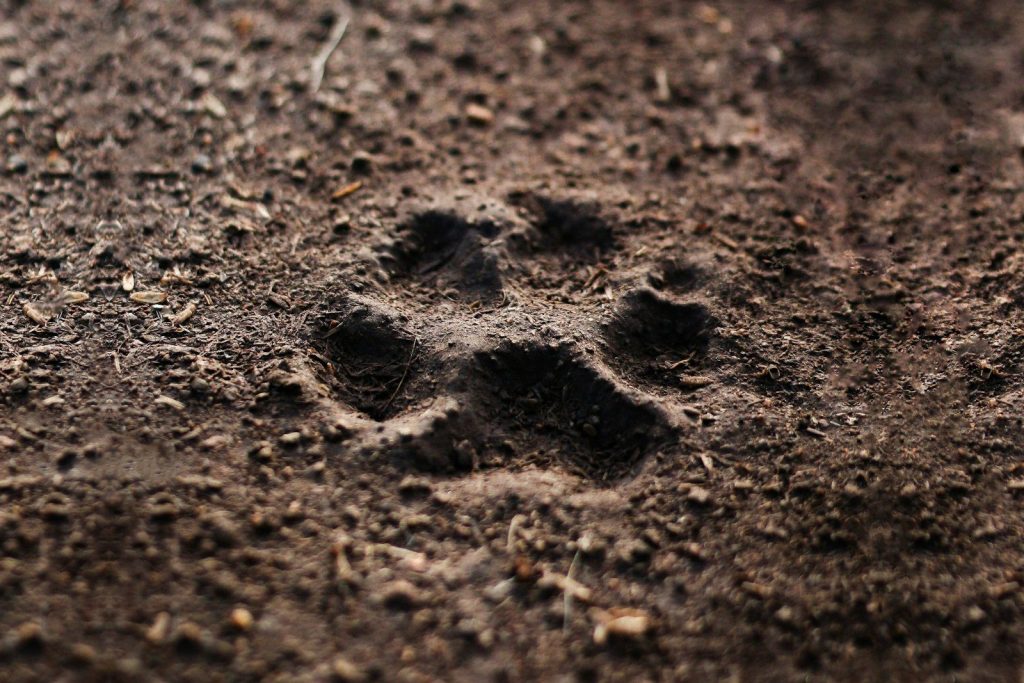
Although it belongs to the dog family, the short-eared dog looks different from most of its relatives. One of its most unusual features is its partially webbed paws. These webbed feet help it move through muddy ground and wet forest areas with ease. Scientists believe this adaptation is especially useful in the rainy Amazon, where flooded forests and soggy terrain are common.
The ghost dog is also an excellent hunter and scavenger. It eats a wide variety of foods, including small mammals, birds, fish, insects, and fruit. This flexible diet helps it survive in changing environments where food availability can vary throughout the year. Its dark coat provides camouflage among the shadows of the rainforest, while its compact body allows it to move quietly through dense vegetation. Every feature of this animal seems perfectly designed for life in one of the world’s most challenging habitats.
New discoveries offer hope for conservation

The recent photographs have given conservationists an important reason for optimism. Earlier estimates suggested that the short-eared dog might be extremely rare and close to disappearing from many areas. However, the new research indicates that populations may be larger than expected, especially inside protected forests and Indigenous territories where habitats remain intact.
Even so, the species still faces serious threats. Deforestation continues to remove large areas of Amazon rainforest each year, reducing the places where the ghost dog can live and hunt. Roads, farming, and mining projects also break forests into smaller pieces, making it harder for wildlife to move freely. Scientists believe that protecting large, connected forests will be one of the most important steps in ensuring the long-term survival of this remarkable species.
Why the ghost dog fascinates people around the world

People have always been drawn to mysterious animals, and the ghost dog is no exception. Its strange appearance, secretive lifestyle, and rare sightings make it seem almost mythical. Yet the recent images remind us that this animal is very real and plays an important role in the Amazon ecosystem. Every new photograph adds another piece to a puzzle that scientists have been trying to solve for decades.
The story of the ghost dog also highlights how much remains unknown about life on our planet. Even in the 21st century, there are species hiding in remote places that continue to surprise researchers. The extraordinary images captured in the wild are more than beautiful photographs. They are proof that nature still holds secrets waiting to be discovered and that protecting these hidden wonders is more important than ever.
Leave a Reply