Imagine believing an animal vanished forever, only to discover it is still alive years, decades, or even millions of years later. These remarkable creatures are often called “Lazarus animals” because they seem to return from the brink of extinction. Scientists sometimes declare a species extinct when it has not been seen for a very long time, but nature can still surprise us.
Some animals survive in remote habitats, hidden from human eyes. This article explores six fascinating animals once thought extinct but later rediscovered, how they were rediscovered, and why many of them still need protection to survive in the future.
Australian night parrot made a surprising return
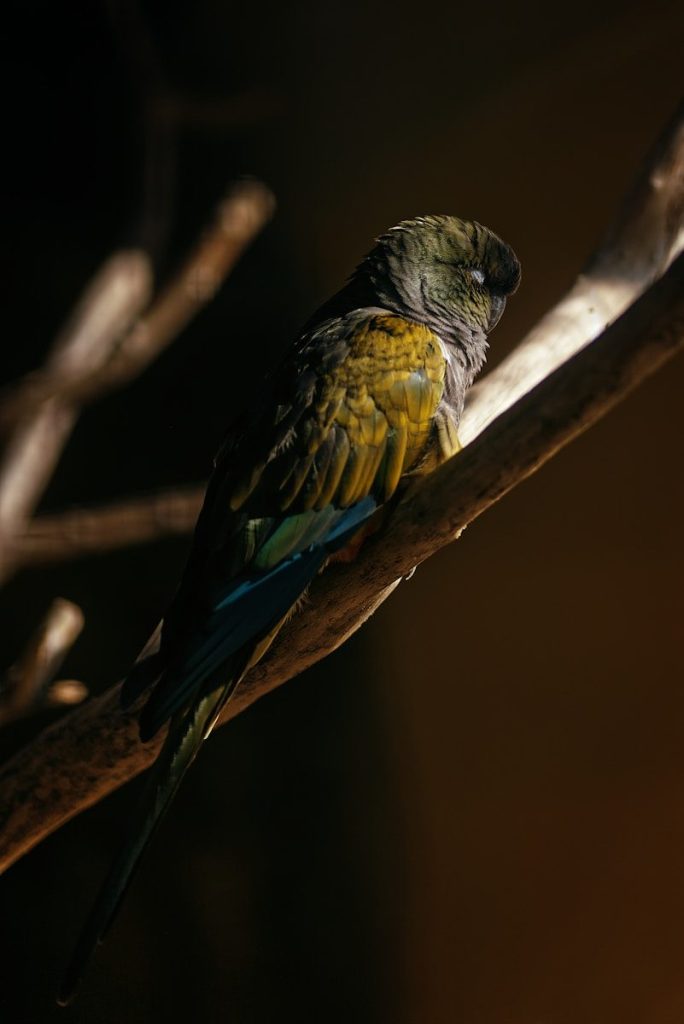
The Australian night parrot disappeared from scientific records in 1912. For many years, experts believed that introduced predators such as cats and foxes had greatly reduced its population. The bird became one of Australia’s greatest wildlife mysteries.
In 2013, naturalist John Young photographed a live Australian night parrot after spending 15 years searching for it. The rediscovery happened about a century after the bird was last officially recorded. Although some evidence later came under scrutiny, the species is still recognized as living and remains endangered.
Coelacanth shocked the scientific world
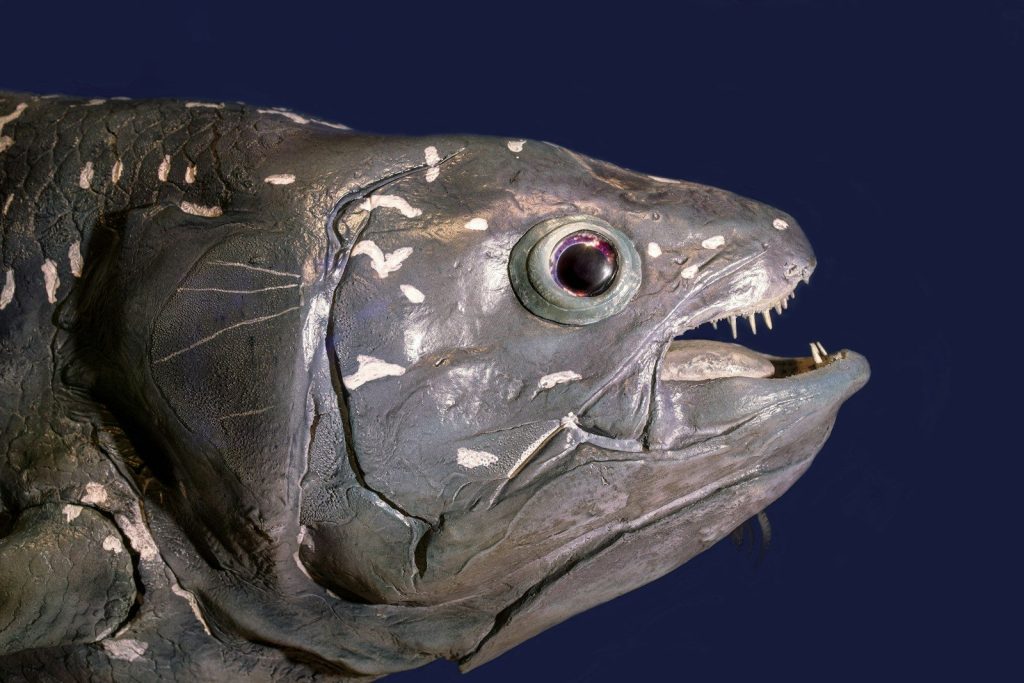
The coelacanth was once believed to have disappeared around 65 million years ago, along with the dinosaurs. Scientists knew the fish only from fossils and thought it had been extinct for millions of years.
Everything changed in 1938 when a living coelacanth was caught off the coast of South Africa. Another species was later discovered near Indonesia in 1998. These discoveries amazed researchers because the fish represents an ancient group linked to the evolution of land animals.
The New Guinea big-eared bat avoided detection
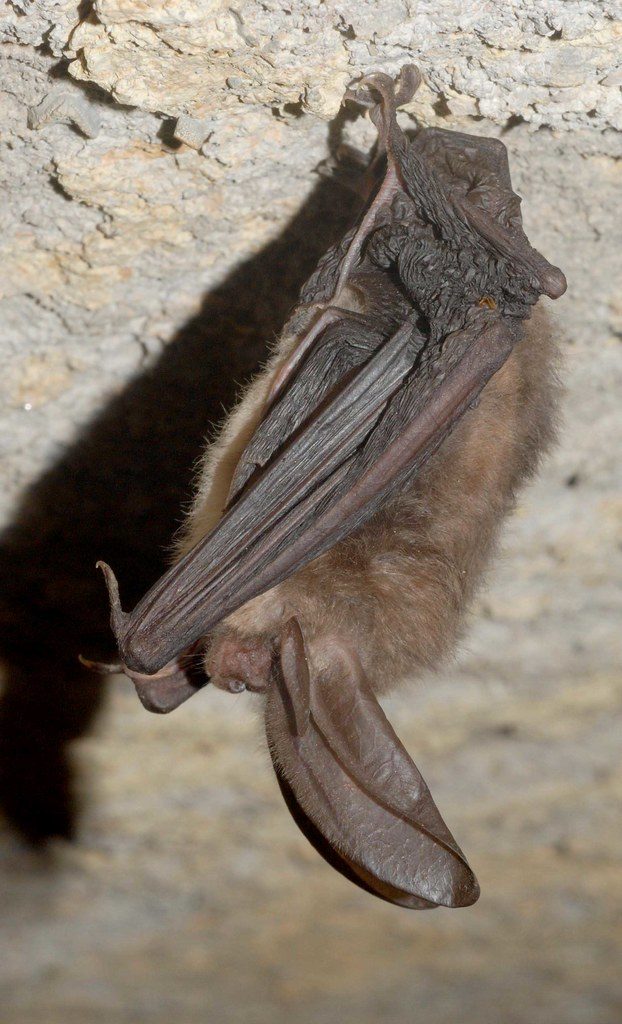
The New Guinea big-eared bat was first observed in 1890 and then seemed to vanish. Because it closely resembles other bat species, it remained hidden from researchers for many decades.
In 2012, scientists studying the impacts of logging accidentally captured a female bat. Two years later, an expert confirmed it was the long-lost New Guinea big-eared bat. Today, habitat loss from logging continues to threaten the species, and it is considered critically endangered.
Cuban solenodon escaped extinction
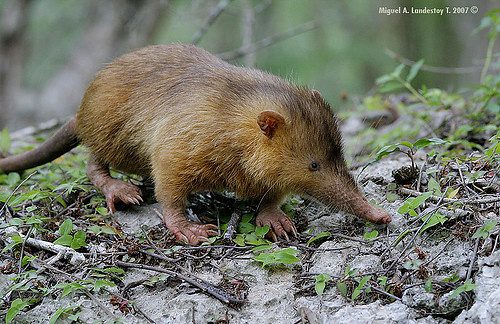
The Cuban solenodon is a small nocturnal mammal that hunts insects in Cuba’s mountain regions. It is especially unusual because it is one of the few venomous mammals in the world.
Scientists declared the species extinct in 1970, but researchers found living individuals just four years later. Despite this rediscovery, the Cuban solenodon remains endangered because habitat loss and invasive predators continue to put pressure on its population.
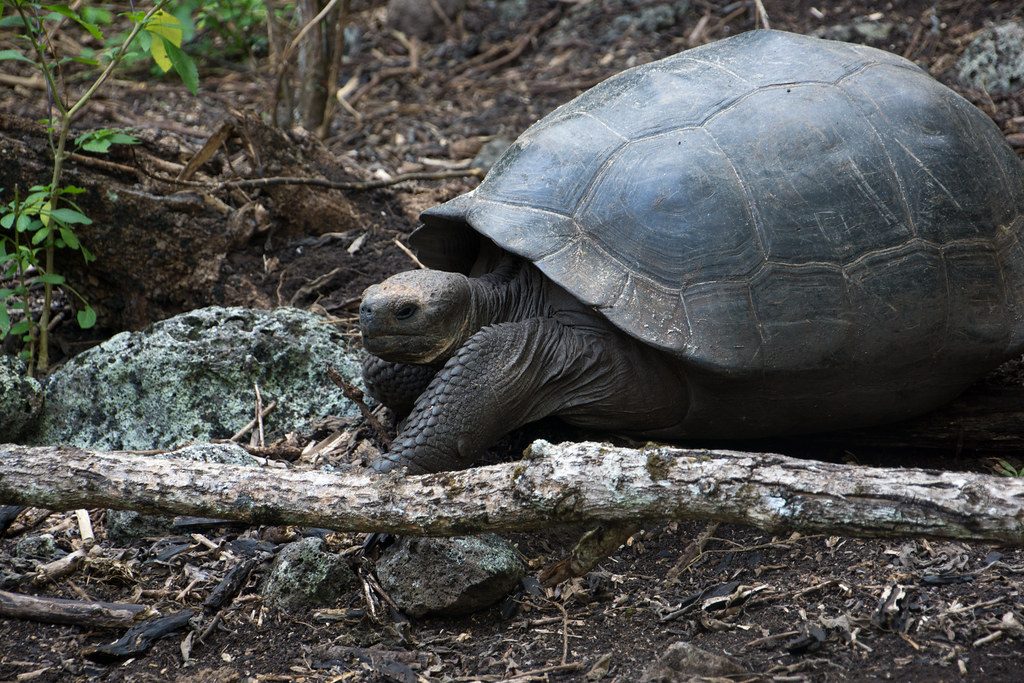
The Fernandina Island tortoise reappeared after a century
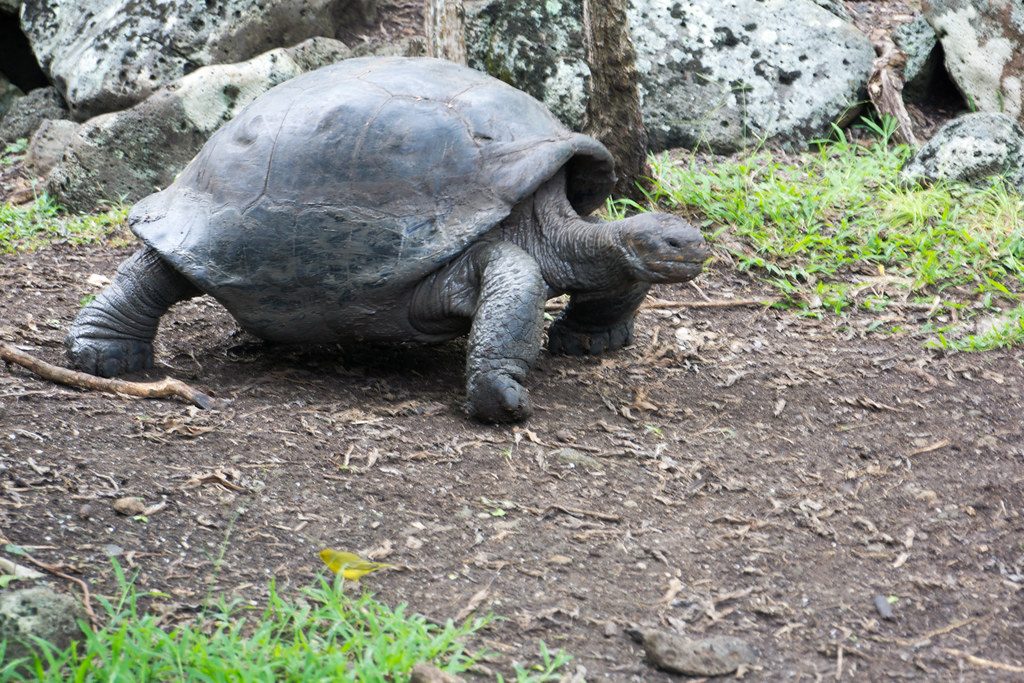
The Fernandina Island tortoise was believed extinct for about 100 years. Only one specimen had been found in 1906, leading many people to think the species had disappeared forever.
In 2019, a living female tortoise was discovered on Fernandina Island in the Galapagos. Researchers also found tracks and droppings suggesting that other tortoises may still exist on the island. Genetic research later confirmed the female was related to the original specimen found more than a century earlier.
Cross River gorilla offers hope for recovery
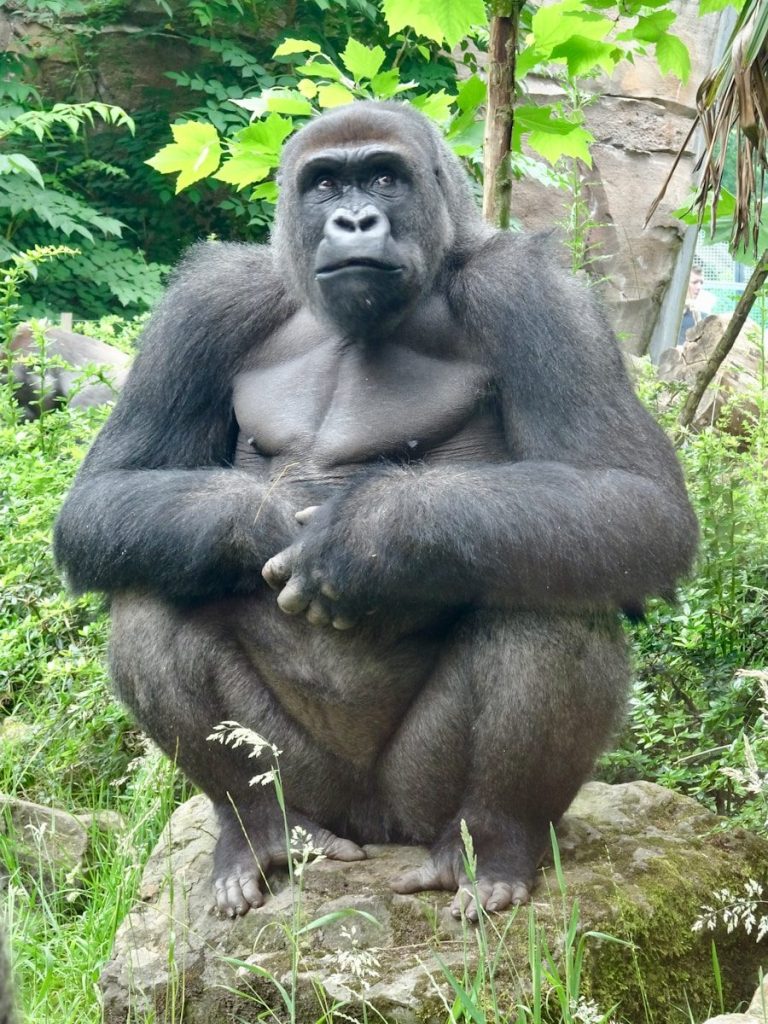
The Cross River gorilla is one of the rarest gorilla populations in the world. After being identified in 1904, it received little scientific attention and was later believed to be extinct.
A small population was rediscovered in 1987, and in 2009, conservationists obtained photographs of family groups with young gorillas. With only about 200 to 300 individuals remaining, the species is still critically endangered, but protected areas offer hope for its future survival.
Leave a Reply