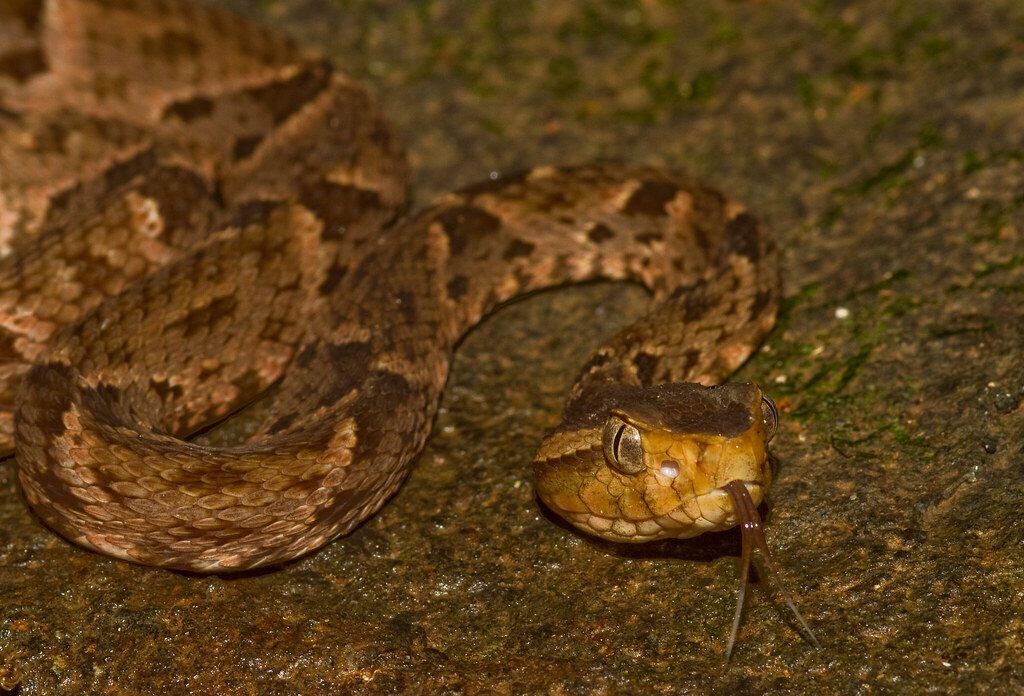
Have you ever wondered why some snakes are considered more dangerous than others? In South America, one snake stands out because of the serious risks it poses to both animals and people. Known as one of the deadliest snakes in the region, it has earned that reputation through its powerful venom, effective hunting methods, and frequent encounters with humans.
As people continue to move into areas where this snake lives, the risk of dangerous encounters increases. Understanding how this snake survives, how its venom works, and why it remains a threat can help people better appreciate the risks associated with living near its habitat.
Why is this snake considered so dangerous
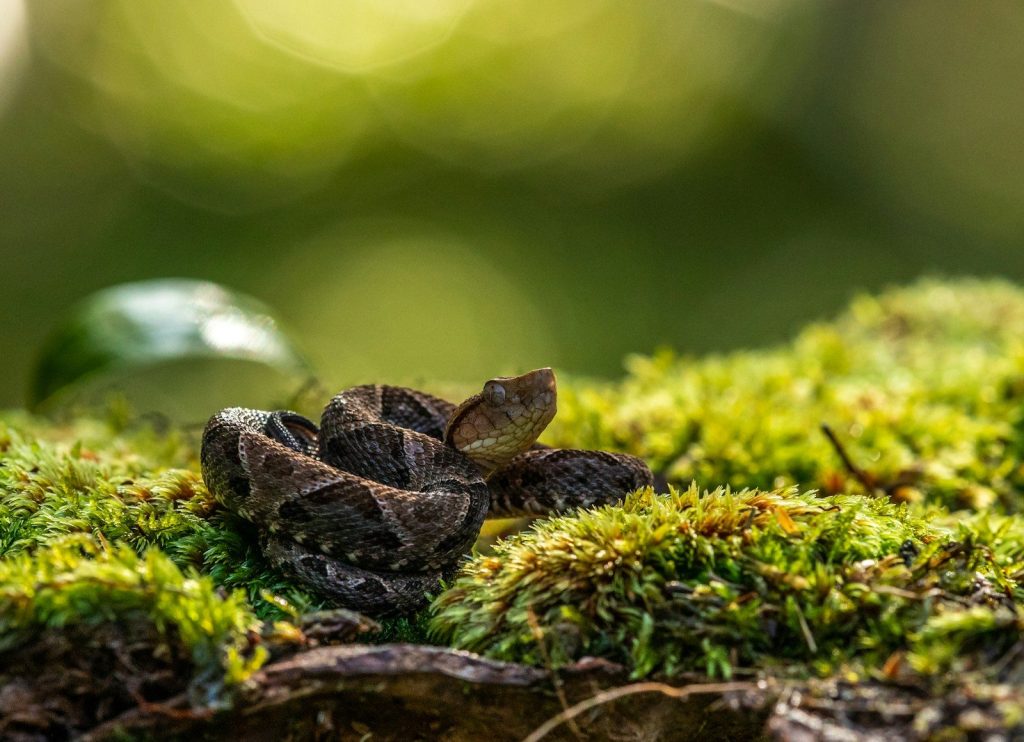
The snake is widely regarded as the deadliest in South America because of the severe effects of its venom. Unlike snakes that rely mainly on fear or defensive displays, this species possesses toxins that can quickly cause serious medical problems after a bite. The danger comes not only from the bite itself but also from what happens inside the body afterward.
Its venom contains powerful compounds that disrupt normal blood clotting and damage tissue. These effects can develop rapidly and may create life-threatening complications if medical care is not provided quickly. The combination of multiple toxic effects is a major reason the snake has gained such a dangerous reputation across the region.
How the venom affects the body
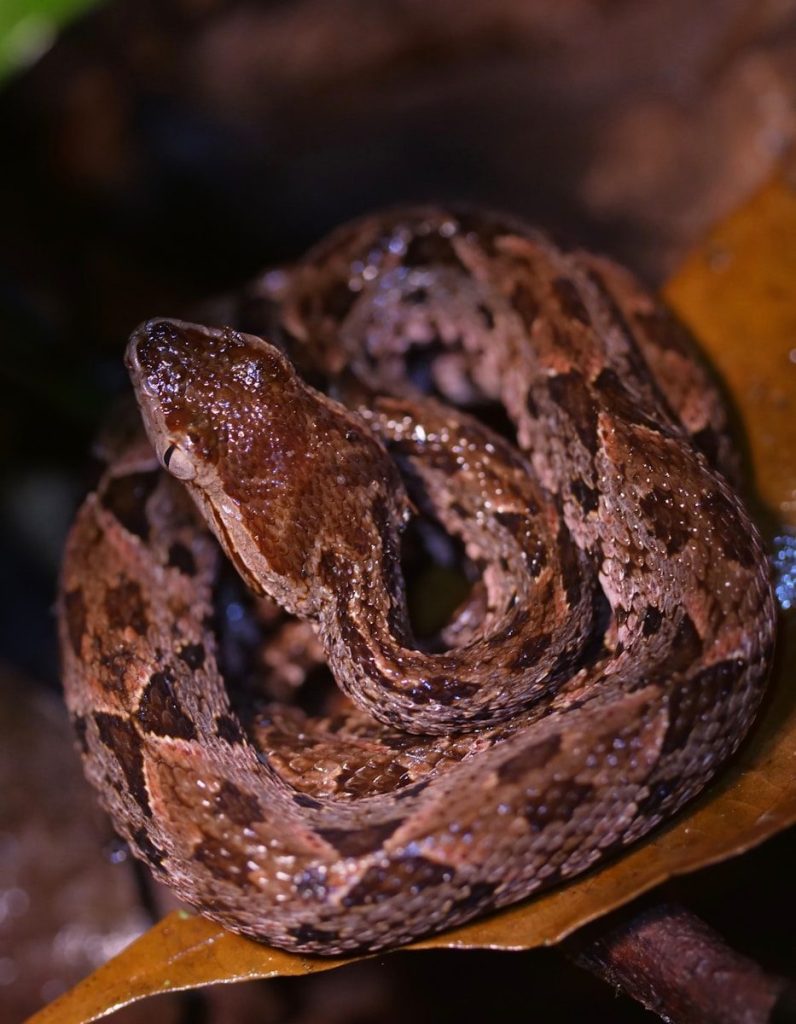
When venom enters the body, it begins interfering with important biological processes. One of its most serious effects is the disruption of blood clotting. Blood clotting is a natural function that helps the body control bleeding and repair damaged tissue.
The venom also causes tissue damage around the area of the bite. This damage can spread and become increasingly severe as the toxins continue to affect surrounding cells. Together, the effects on blood clotting and tissue create a medical emergency that requires immediate attention and treatment.
The role of camouflage in its survival
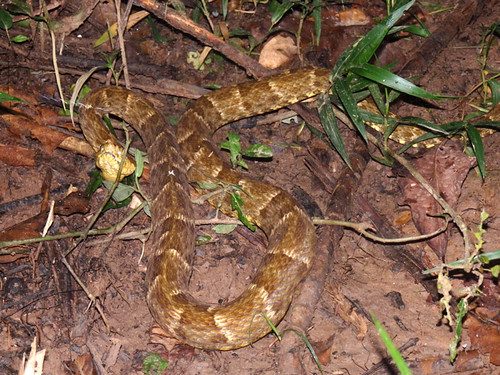
One reason this snake remains so successful is its ability to stay hidden. Rather than actively chasing prey over long distances, it often relies on camouflage to avoid detection. Its appearance helps it blend into its surroundings, making it difficult for both animals and people to notice.
This natural concealment gives the snake an important advantage. By remaining unseen, it can wait patiently without attracting attention. Many encounters occur because a person simply does not realize the snake is nearby until it is too late to move away safely.
How ambush tactics increase the risk
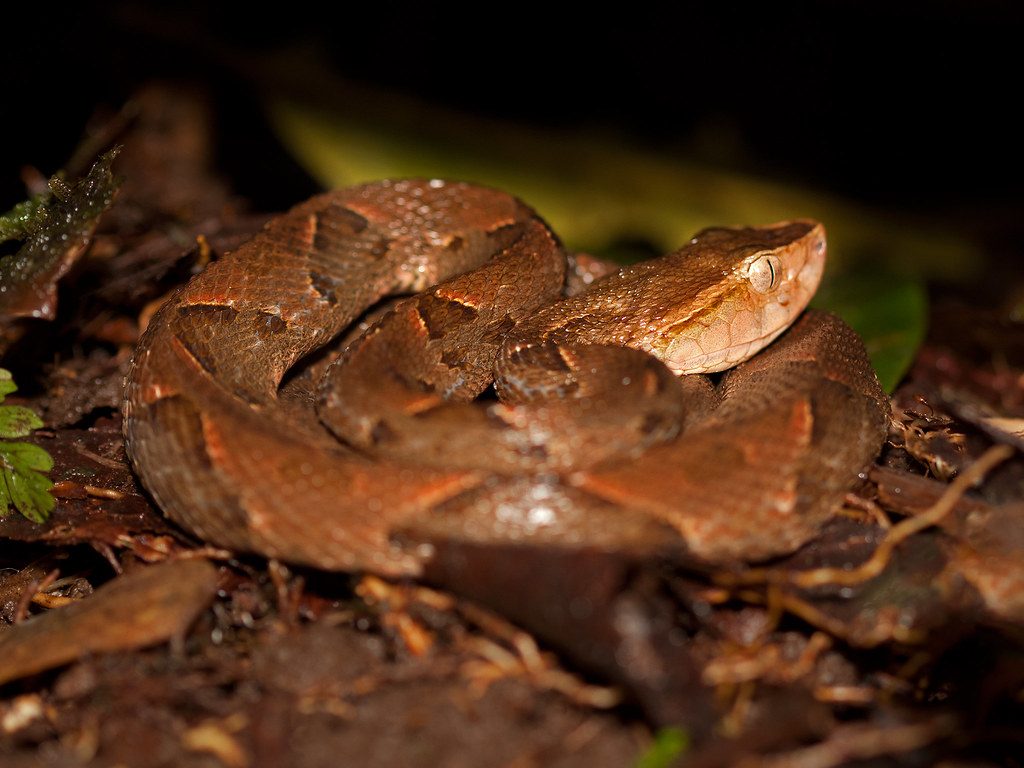
The snake is known for using ambush tactics instead of constant movement. It remains still and waits for an opportunity rather than exposing itself by actively searching for prey. This strategy conserves energy while also increasing the chance of a successful strike.
For humans, these ambush tactics create additional danger. Because snakes often remain motionless and hidden, people may approach them very closely without realizing it. When the animal feels threatened or surprised, a defensive strike can occur with very little warning, leaving little time to react.
Why does human expansion create more encounters?
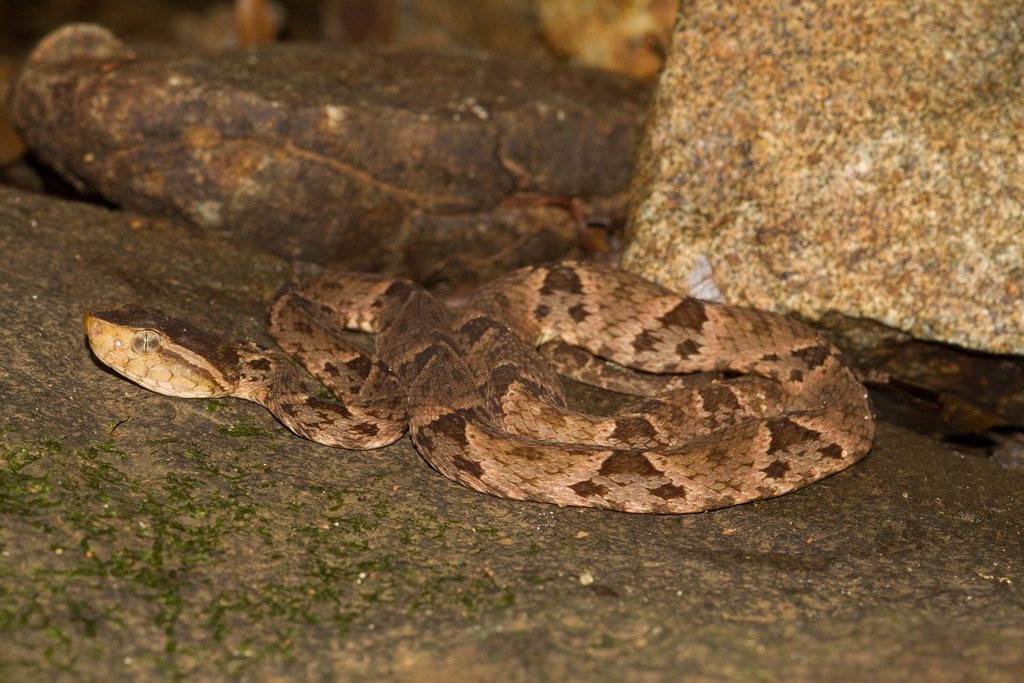
As human populations grow and development expands into natural areas, people increasingly enter spaces where wildlife already exists. This process brings humans and snakes into closer contact than before. Areas that once had limited human activity may now experience regular movement from residents, workers, or visitors.
The result is a higher likelihood of accidental encounters. A person walking through an area where the snake lives may unknowingly come within striking distance. Because snakes rely on camouflage and remain hidden, encounters can happen suddenly and unexpectedly.
The continuing threat across its range
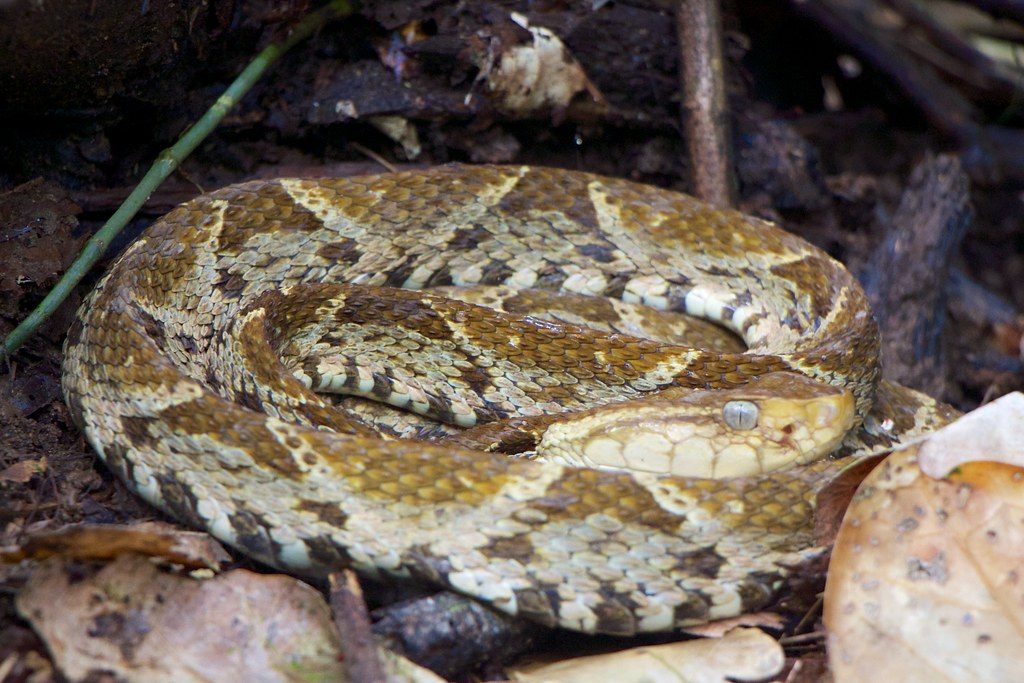
The snake remains a constant threat because several risk factors work together. Its venom is highly dangerous, its camouflage makes it difficult to detect, and its ambush behavior allows it to remain hidden until a potential threat comes close. Each of these traits contributes to its effectiveness as both a predator and a defensive animal.
In regions where snakes live, even a single misstep can have serious consequences. Limited reaction time means people may have little opportunity to avoid a strike once an encounter occurs. This combination of biological and environmental factors helps explain why the snake remains viewed as one of the most dangerous animals in South America.
Leave a Reply