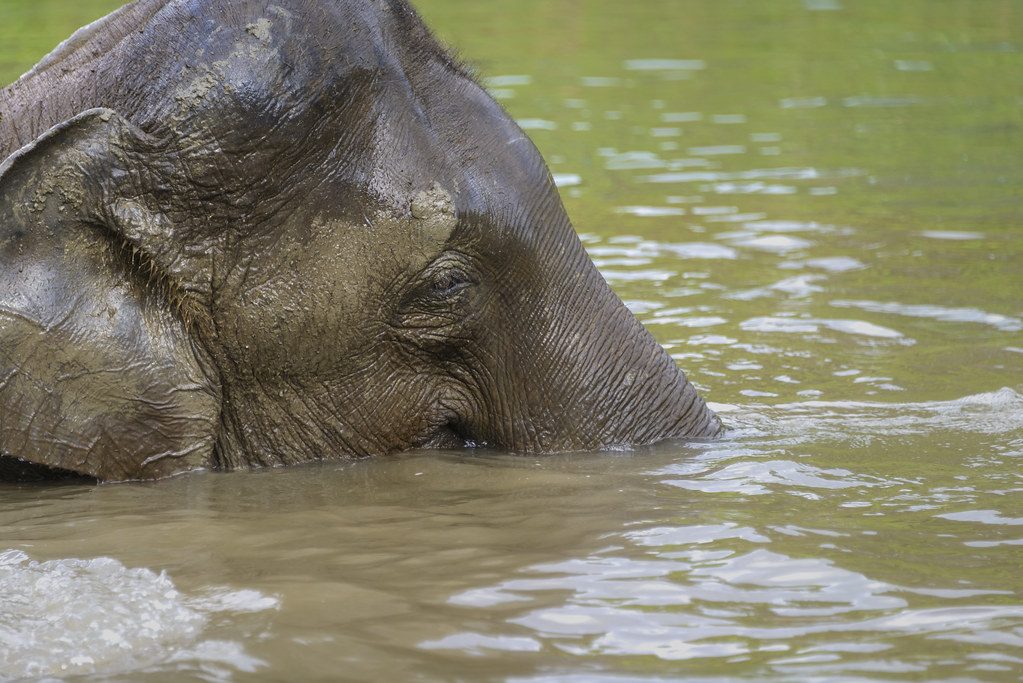
What would you do if you saw a baby animal suddenly fall into deep water and struggle to get out? At Copenhagen Zoo, a shocking moment turned into a powerful display of teamwork when a baby elephant fell into a pool and needed urgent help. The calf’s mother panicked right away, but what happened next amazed zoo staff and visitors. Two adult elephants quickly stepped in and worked together to push the young calf back to safety.
This real-life event shows how strong elephant family bonds can be, even in stressful situations. In this article, you will learn exactly what happened when the calf fell into the water, how the herd reacted, and why elephant teamwork is so important for survival. We will also explore how zoos observe and support these natural behaviors to protect young elephants.
The moment the elephant calf fell into the pool
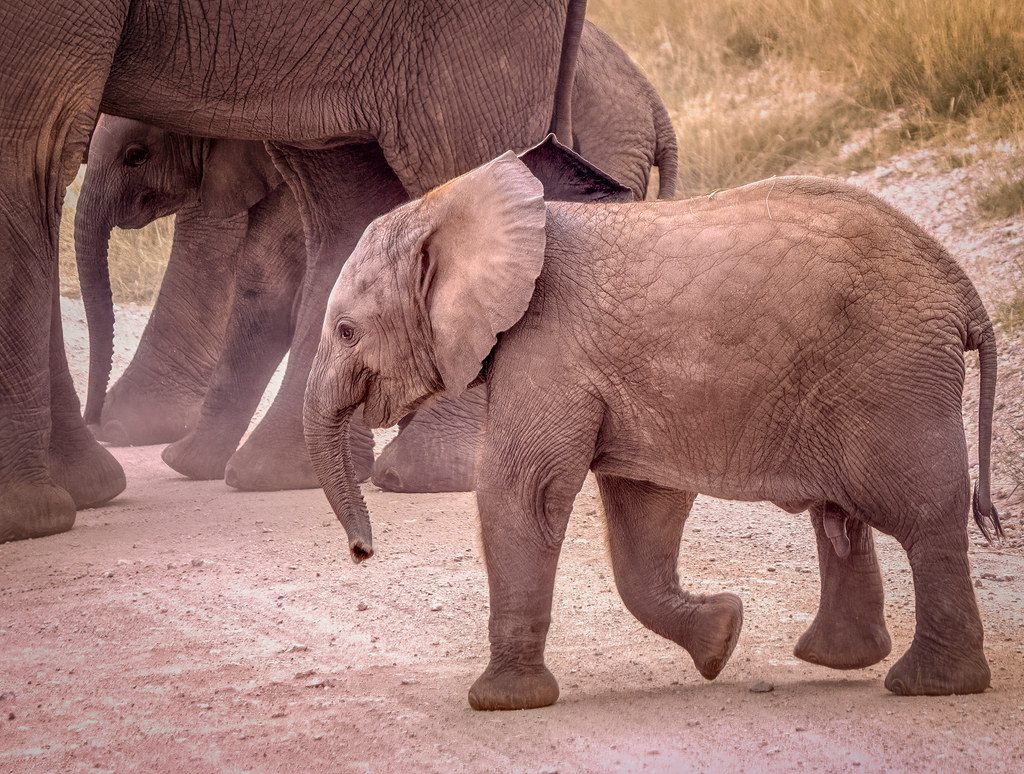
The incident at Copenhagen Zoo happened when a young elephant calf accidentally tumbled into a water pool inside its enclosure. The fall was sudden, and the calf was unable to climb out on its own. The deep water made the situation dangerous, especially for such a small and inexperienced animal.
Witnesses reported that the calf struggled immediately after falling in, creating panic in the enclosure. Its mother reacted first, showing strong emotional distress as she moved quickly toward the pool. Elephants are highly sensitive animals, and this moment showed how quickly they respond when one of their young is in trouble.
The mother elephant’s immediate reaction
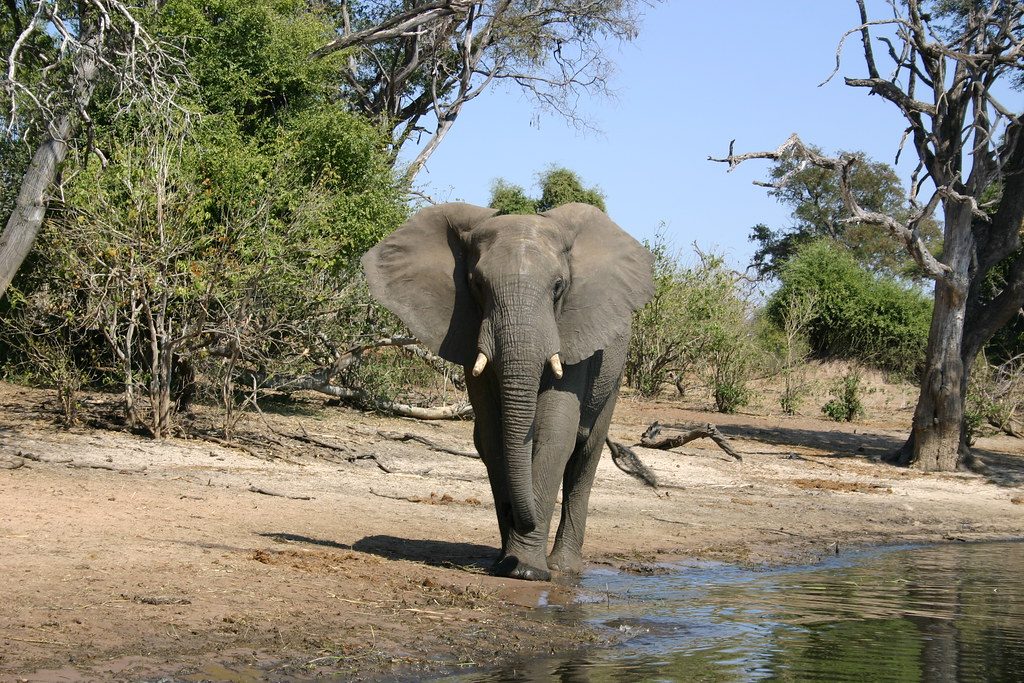
The calf’s mother did not hesitate when she saw her baby in danger. She rushed toward the pool in clear distress, trying to reach her calf. This reaction is typical of elephant mothers, who form extremely close bonds with their young from birth.
However, the mother alone could not safely lift or guide the calf out of the water. The pool was too deep for the calf to stand, and the edge was difficult to climb. Even though she tried to help, the situation required more strength and coordination than one elephant could provide on her own.
How the herd responded as a team
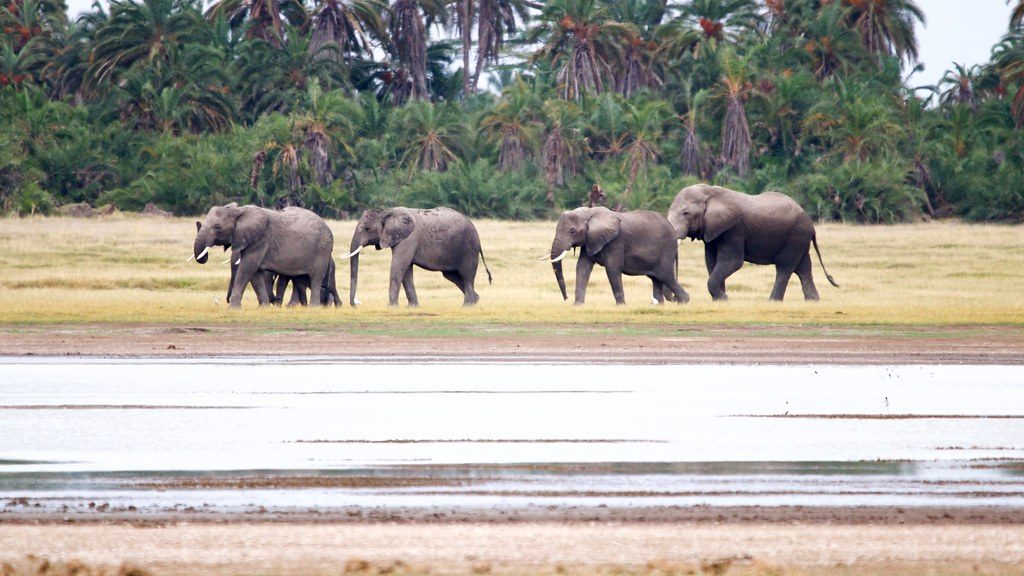
After the mother’s initial response, the rest of the herd quickly joined in. Two adult elephants moved in together, showing calm but urgent behavior. Instead of panicking, they focused on the calf and assessed how to help it safely.
The two elephants entered the area around the pool and used their strength and trunks to guide the calf toward the edge. Working side by side, they pushed and supported the young elephant in a coordinated effort. This teamwork is a natural survival behavior that elephants use in the wild when protecting calves or helping injured herd members.
The rescue effort that brought the calf to safety
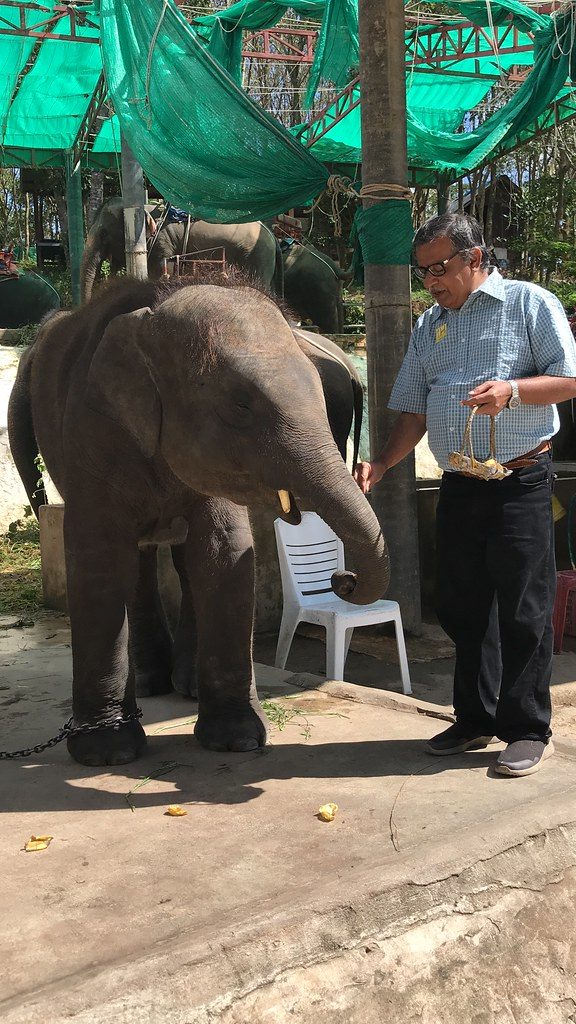
The rescue happened quickly, but it required careful movement from the adult elephants. They positioned themselves on either side of the calf to keep it steady and prevent it from slipping back into deeper water. With slow and controlled pressure, they guided the calf toward a shallow area.
Once the calf reached the edge of the pool, the adults helped push it up onto dry ground. The entire herd stayed close during the process, ensuring the calf was not left alone. After a tense moment, the young elephant was finally safe again, standing back on solid ground with its family around it.
Why elephant teamwork is so important
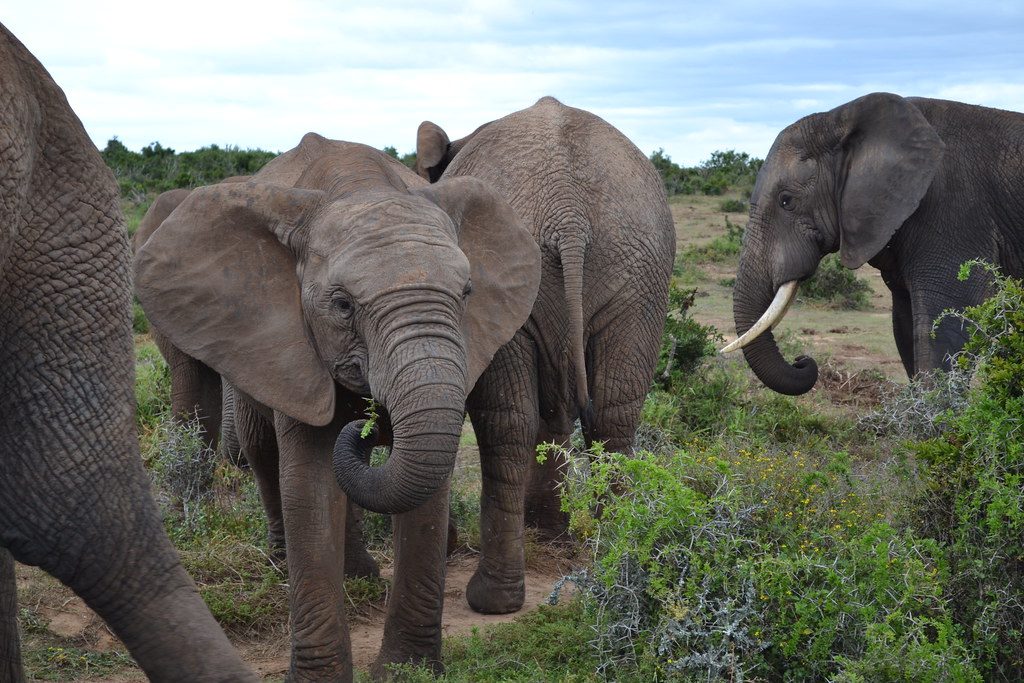
Elephants are known for their intelligence and strong social bonds, and this event at Copenhagen Zoo is a clear example of both. In elephant herds, cooperation is essential for survival, especially when protecting young calves who are vulnerable to accidents or danger.
In the wild, similar teamwork helps elephants survive rivers, predators, and difficult terrain. At Copenhagen Zoo, these natural instincts are still visible, showing that even in managed environments, elephants continue to rely on each other just as they would in nature. This behavior also helps zoo staff better understand how to care for and support elephant families.
What this event shows about elephant emotions and intelligence
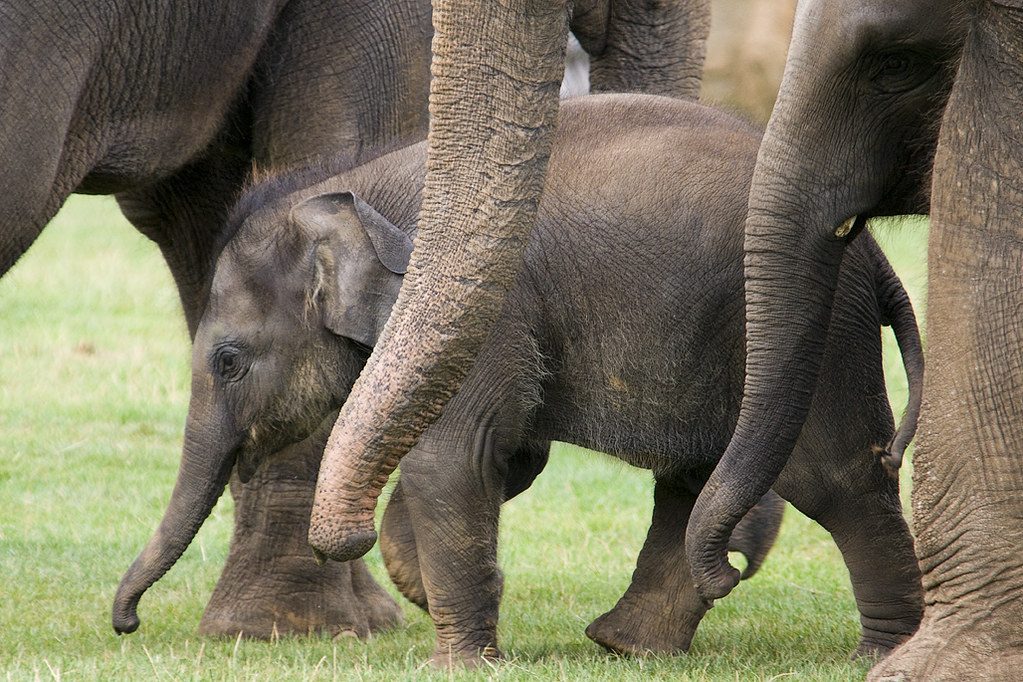
This rescue also highlights how emotionally aware elephants are. The mother’s panic, the herd’s quick response, and the coordinated rescue all show that elephants can recognize distress and act with purpose. They do not act randomly; instead, they respond in ways that protect the group.
Zookeepers observing the event noted how calmly the adult elephants worked together despite the urgency. This suggests not only emotional intelligence but also learned behavior passed through generations. Events like this help scientists and caretakers better understand how elephants think, communicate, and support one another.
Leave a Reply