
Have you noticed your cat acting differently lately? Changes in behavior can be worrying, especially when a cat is getting older or dealing with a serious illness. While cats cannot tell us how they feel, veterinarians say they often show physical and emotional changes when they are vulnerable.
Some cats become more affectionate, while others prefer quiet spaces and extra rest. Understanding these signs can help owners provide comfort, support, and proper veterinary care. By paying close attention to these behaviors, families can better meet their cat’s needs during an important stage of life and make sure their beloved pet feels safe and cared for.
Staying close to a trusted person
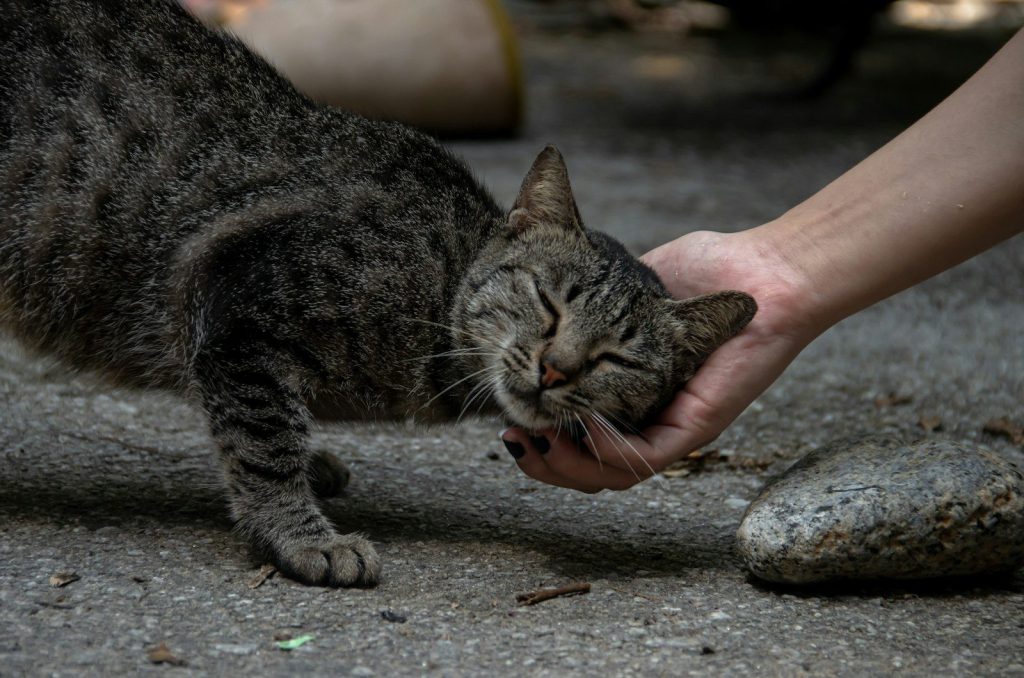
Some cats become much more attached to their favorite person when they are sick or experiencing physical decline. Veterinarians explain that familiar people can provide a sense of security during stressful or uncomfortable periods. A cat that suddenly follows its owner from room to room may be looking for reassurance.
This behavior is often seen in cats that have formed strong bonds with their owners over many years. Spending time near a trusted human can help them feel calmer and more secure. Experts recommend responding with patience, kindness, and gentle companionship when a cat begins seeking extra closeness.
Choosing familiar resting places
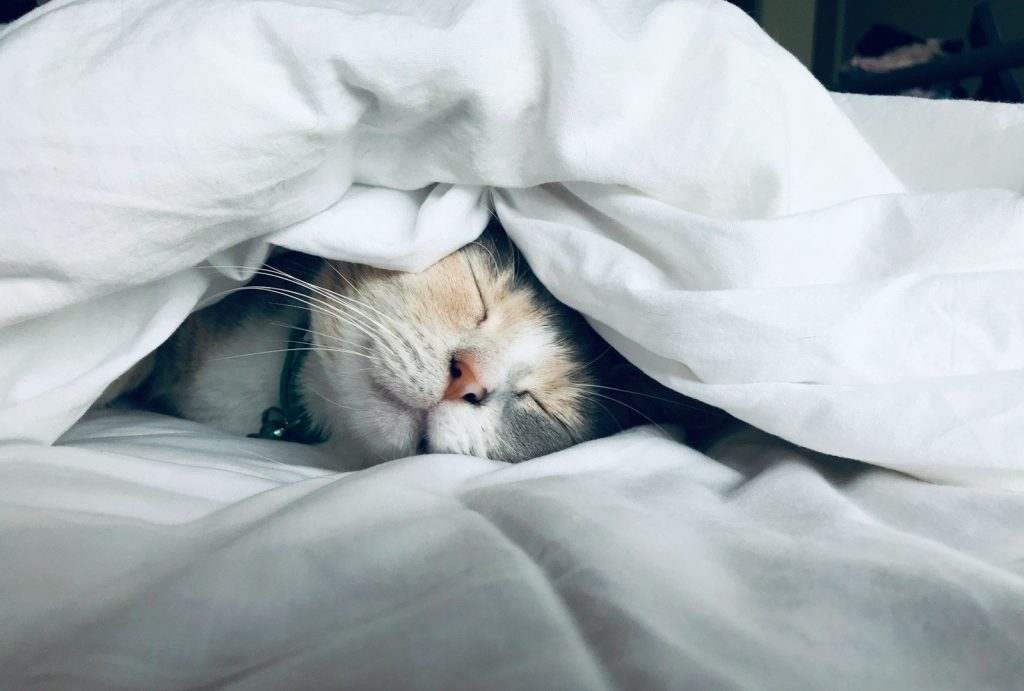
Cats often look for comfort in places that feel safe and familiar. Favorite blankets, beds, couches, or spots near loved ones may become even more important as a cat ages or becomes unwell. Familiar scents and surroundings can provide emotional comfort.
Owners may notice their cat spending more time in a specific location around the home. These resting places are often connected to positive experiences and feelings of safety. Providing soft bedding and a quiet environment can help support a cat’s physical and emotional well-being.
Sleeping more than usual

Many cats naturally sleep for long periods, but serious illness or advanced age can increase the amount of time they spend resting. Specialists note that declining energy levels often lead to longer and more frequent naps throughout the day.
Extra sleep does not always mean something is wrong, but it can be an important change to monitor. If increased sleeping is combined with other behavioral changes, owners should pay close attention. Rest plays a major role in helping the body conserve energy during difficult periods.
Becoming quieter and less active
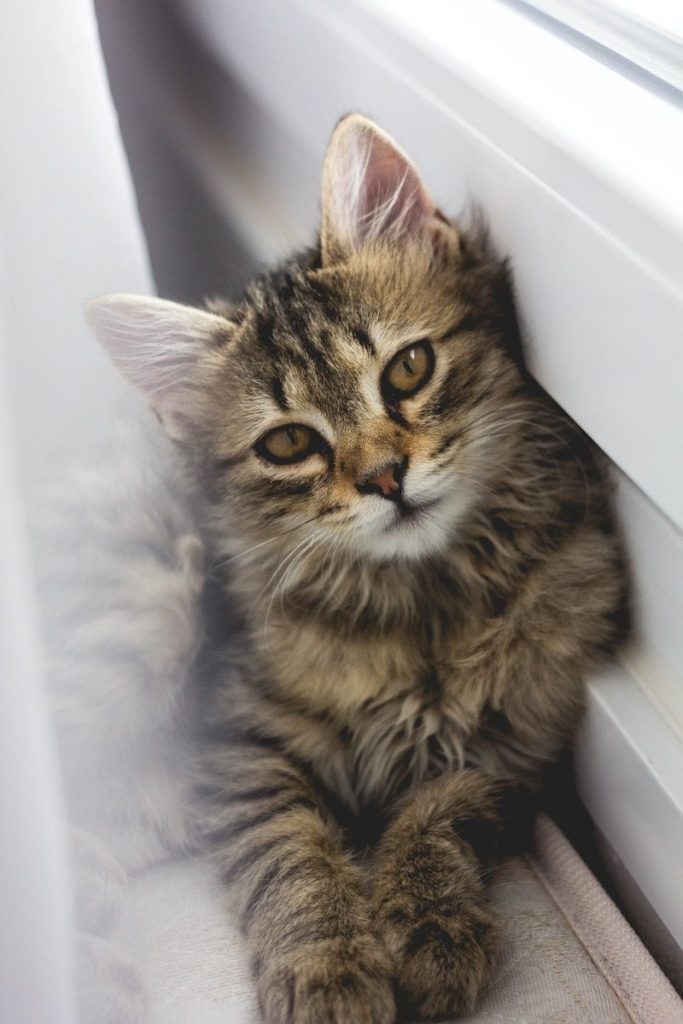
A cat that was once playful and vocal may become noticeably quieter as it ages or experiences health problems. Veterinarians explain that reduced activity can occur when a cat is trying to conserve energy or cope with physical discomfort.
Being less vocal does not necessarily mean a cat is becoming distant from its family. Many cats continue to enjoy the company of their owners even when they spend more time resting. Experts suggest watching for other changes, including appetite, grooming habits, and mobility, when a cat becomes unusually quiet.
Seeking more affection and touch
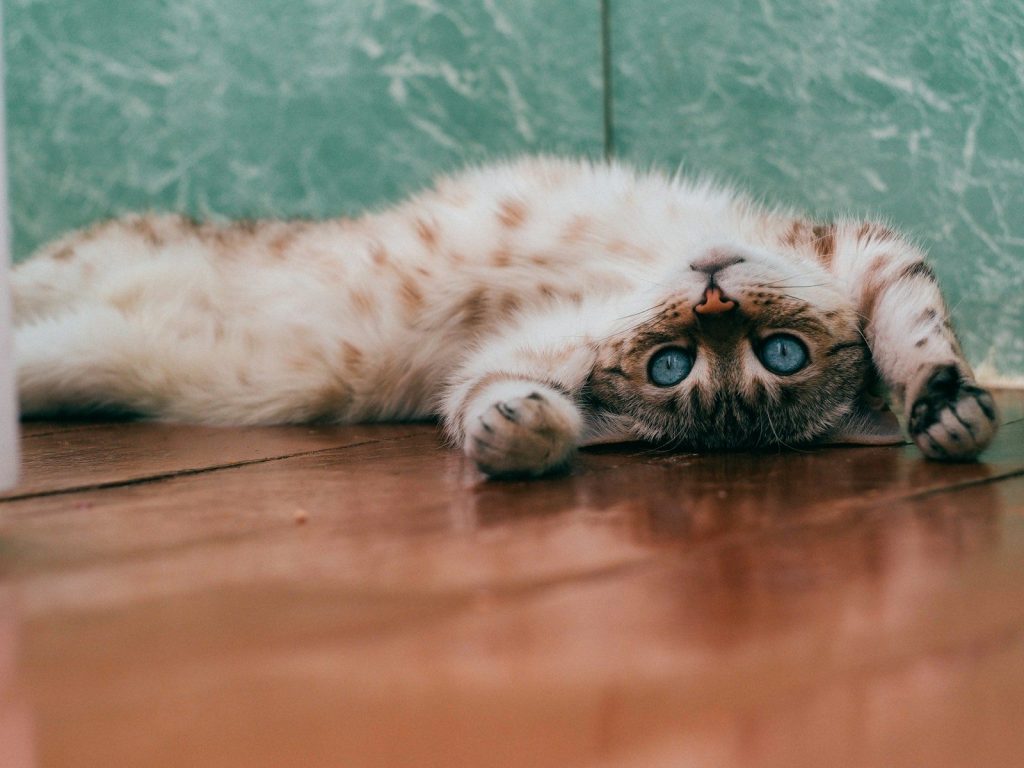
Some cats begin asking for more attention during periods of illness or physical decline. They may spend more time sitting next to their owners, leaning against them, or seeking gentle petting. Familiar touch can provide comfort and emotional reassurance.
Experts believe this increase in affectionate behavior may help reduce stress and anxiety. While not every cat responds this way, many become more interested in close contact with trusted family members. Gentle interaction can help strengthen the bond between a cat and its owner during challenging times.
Spending time alone occasionally
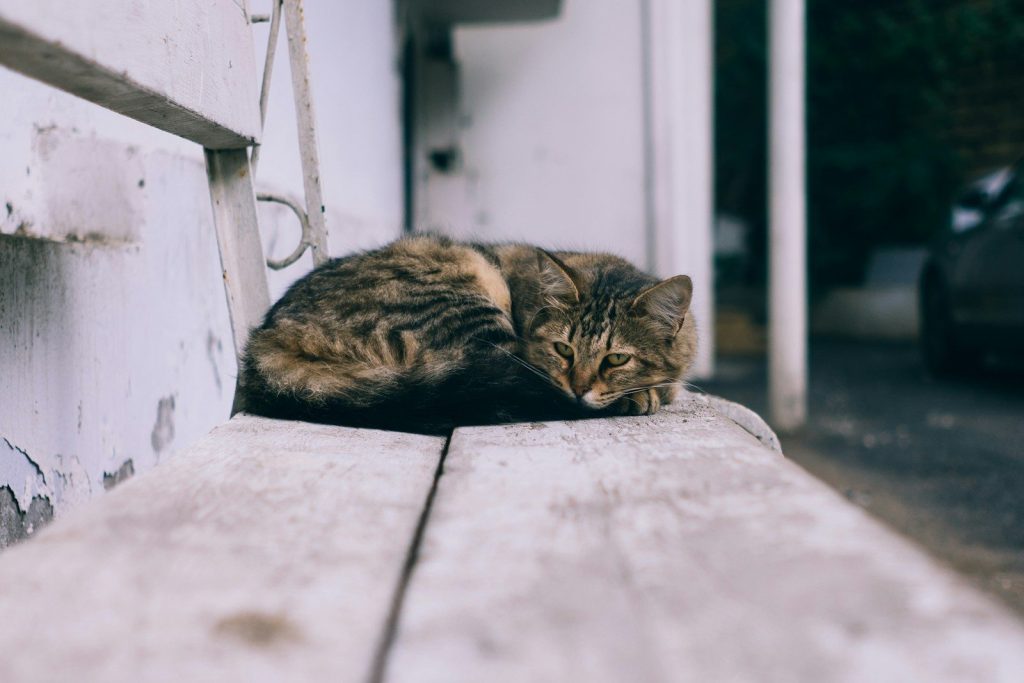
Not all cats respond to vulnerability by seeking constant attention. Some prefer temporary isolation and may spend more time hiding in quiet areas of the home. Veterinarians explain that hiding is a natural instinct that helps cats feel protected when they are not feeling their best.
This behavior should not be mistaken for a lack of affection. Many cats still care deeply for their owners while choosing to rest in peaceful spaces. Experts recommend allowing access to safe hiding spots while continuing to monitor the cat’s overall health and discussing sudden behavioral changes with a veterinarian.
Leave a Reply