Travel plans with pets can be stressful, especially when health concerns lead to sudden rule changes. Recently, many pet owners were worried after restrictions linked to the New World screwworm parasite affected animal exports from the United States to Mexico. The situation created confusion about whether pet dogs could still cross the border.
Now, there is welcome news for dog owners. Pet dogs can once again travel from the U.S. to Mexico under the same procedures that were in place before the temporary restriction. This article explains what changed, why officials acted, and what pet owners should know about the ongoing effort to stop the spread of screwworm.
Why did officials take action against screwworm?
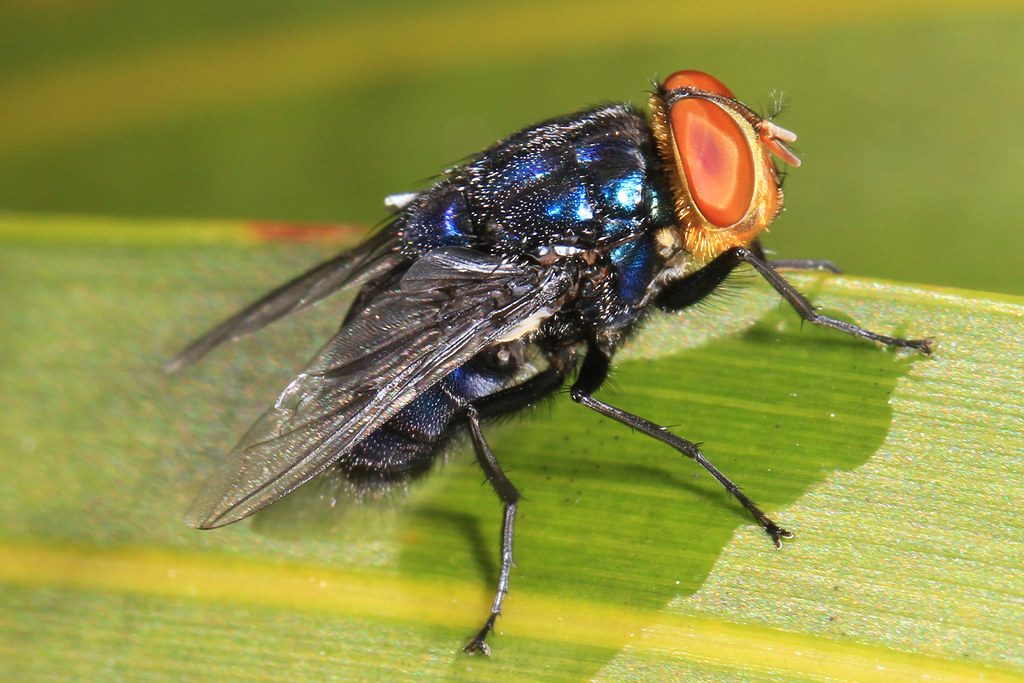
The New World screwworm is a dangerous parasite that feeds on the flesh of animals. It can cause serious injuries and, in some cases, can be fatal if not treated quickly. Because of the threat it poses to livestock and other animals, officials moved quickly after cases were detected in the United States.
To help prevent the parasite from spreading, authorities temporarily restricted the export of several animals from the U.S. to Mexico. The list included cattle, horses, sheep, goats, and ferrets. The goal was to reduce the risk of infected animals carrying the parasite across borders while officials worked to contain the problem.
Pet dogs are no longer included in restrictions

When the export restrictions were first announced, pet dogs were also included on the list of animals that could not be exported to Mexico. This created concern for many families planning travel with their pets. Dog owners wanted to know whether their pets would be allowed to cross the border.
The USDA’s Animal and Plant Health Inspection Service later updated its guidance. According to the revised rules, pet dog travel to Mexico can now continue under the procedures that existed before the temporary restriction. This change means owners can once again make travel plans without facing the earlier limitation placed on pet dogs.
Current rules for dogs entering the United States

Although pet dogs can travel from the U.S. to Mexico again, different requirements apply when dogs are entering the United States from countries affected by screwworm. Mexico is one of the countries where these special precautions are in place.
Dogs coming to the U.S. from a screwworm-affected country must meet strict entry requirements. One key requirement is certification from a veterinarian. The veterinarian must inspect the animal and confirm that it shows no signs of screwworm infestation before the dog can enter the country.
Confirmed screwworm cases in the United States
As of Wednesday, the United States had six confirmed cases of screwworm. These cases involved multiple animals and showed why officials remain focused on preventing the parasite from spreading further.
One infected dog was identified in Lea County, New Mexico. The remaining confirmed cases involved cattle and a goat in Texas. The presence of these cases has increased efforts to monitor animals and respond quickly whenever new infections are found.
Efforts to stop the parasite from spreading
Federal officials have said they are actively working to contain the parasite. Agriculture Secretary Brooke Rollins stated that teams are already working in affected areas to stop further spread. These efforts are part of a broader strategy to protect animals and the agricultural industry.
The government plans to invest more than one billion dollars in the fight against screwworm. Officials hope to push the pest back into Mexico and eventually eliminate it, similar to successful eradication efforts carried out decades ago. The focus remains on preventing a larger outbreak that could severely affect livestock populations.
What animal owners should watch for

Animal owners play an important role in identifying possible infections early. Officials advise owners to pay close attention to wounds that continue draining, become larger, or fail to heal properly. These signs may indicate a potential screwworm problem.
Other warning signs include visible maggots, egg masses, unusual discomfort, and lesions around body openings. Anyone who suspects an infection should contact a veterinarian, a state animal health official, or the USDA immediately. While humans can also become infected, officials stress that the U.S. food supply remains safe because screwworm does not infest meat, fruits, vegetables, or other food products.
Leave a Reply