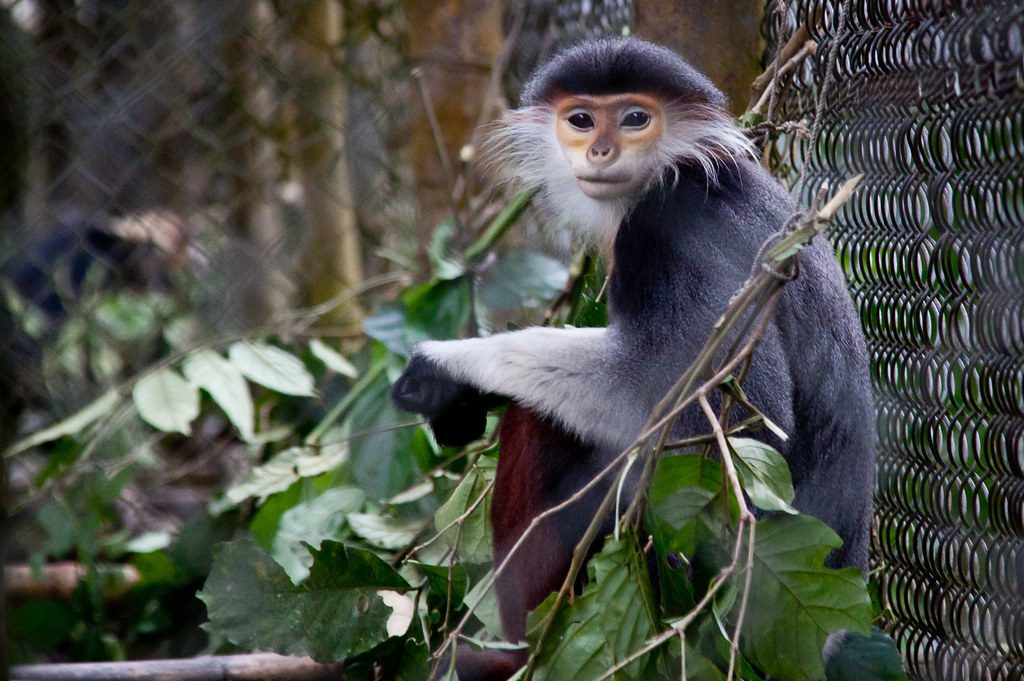
A cute animal video can attract millions of views in just a few hours. What many people do not realize is that these clips may also encourage demand for exotic pets. Across the UK, interest in unusual animals has grown as social media platforms are filled with videos of sloths, sugar gliders, monkeys, and other wild creatures living in homes and private settings.
While these animals may appear adorable on screen, experts warn that the growing trend raises serious concerns about animal welfare. As more people seek unique pets inspired by online content, rescue centers are dealing with the consequences. Understanding the connection between social media and the exotic pet trade can help explain why animal welfare groups are becoming increasingly concerned.
Exotic pets are easier to own than many people realize
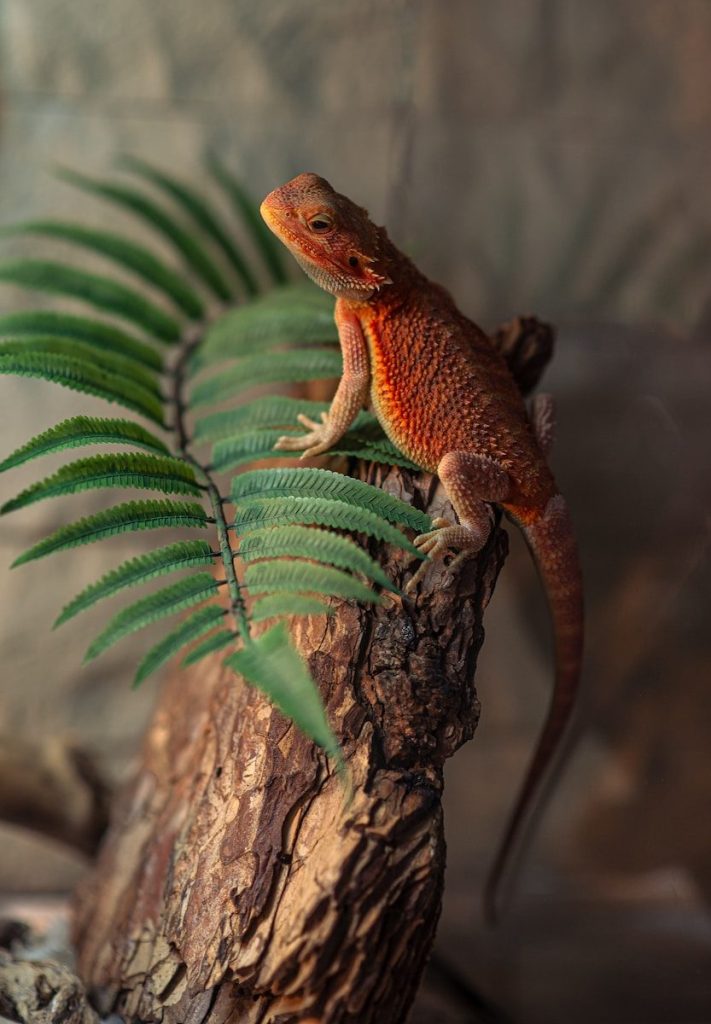
Many people are surprised to learn that UK laws on exotic pets are relatively relaxed. Certain dangerous animals require licenses, but there is also a large market for smaller exotic species that can be purchased without extensive paperwork.
This has made animals such as sloths, sugar gliders, and pygmy marmosets attractive to people looking for unusual pets. Their unique appearance and popularity online have increased interest among those seeking something different from traditional pets like cats and dogs.
Social media has changed how people view wild animals

In the past, wild animals were often admired from a distance. Many people viewed them as creatures that belonged in their natural habitats rather than inside homes. This attitude helped limit interest in keeping exotic species as pets.
Social media has changed that perspective. Videos showing wild animals in human environments often generate strong emotional reactions. Viewers may see a cute animal performing playful actions and begin to imagine owning one themselves, creating new demand for species that were once rarely kept as pets.
Viral videos can hide signs of animal suffering
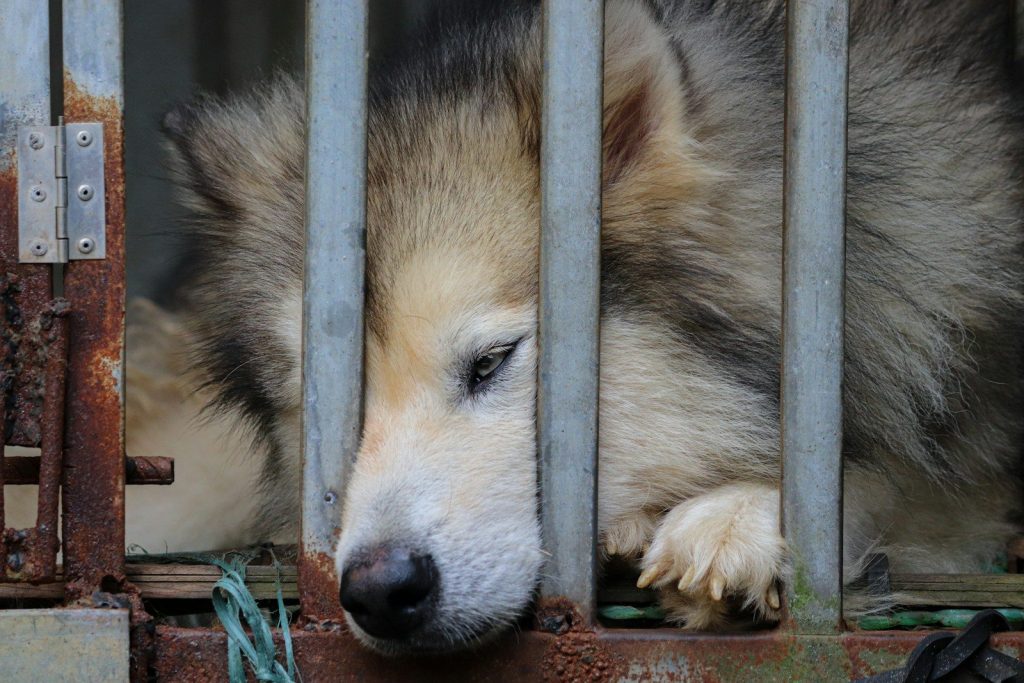
Many online animal videos focus on entertainment and cuteness. However, the behavior shown in these clips may not tell the full story. Animals can appear calm or amusing while actually experiencing stress or discomfort.
A 2025 study found that 83 percent of animals featured in funny online videos showed signs of stress. The same study reported that 30 percent were experiencing pain. These findings suggest that viewers may not always recognize the welfare issues behind seemingly harmless content.
Rescue centers are seeing the impact firsthand
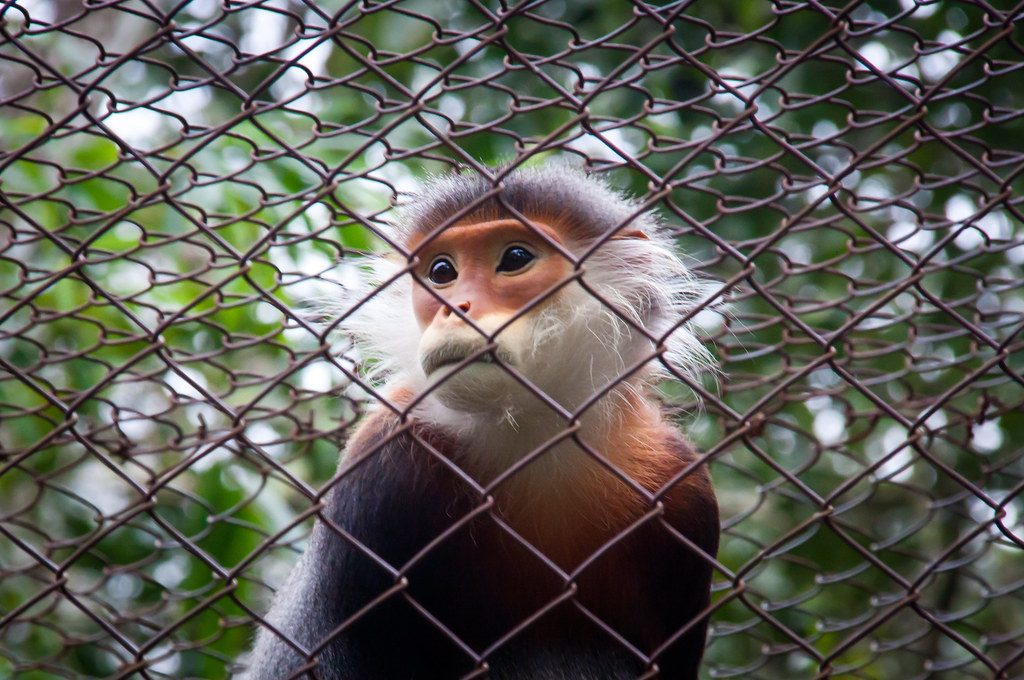
Animal rescue organizations have witnessed a sharp increase in cases involving exotic pets. According to Lindsay McKenna of Wildside Exotic Rescue, interest in keeping wild animals as pets has grown significantly over the past decade, driven by social media trends.
Her sanctuary cares for dozens of species that were once kept as pets. Among the animals rescued were a capybara found on a housing estate, four mountain lions discovered in a Manchester garden, and a monkey kept in a hamster cage and fed inappropriate food.
Primates present a growing challenge
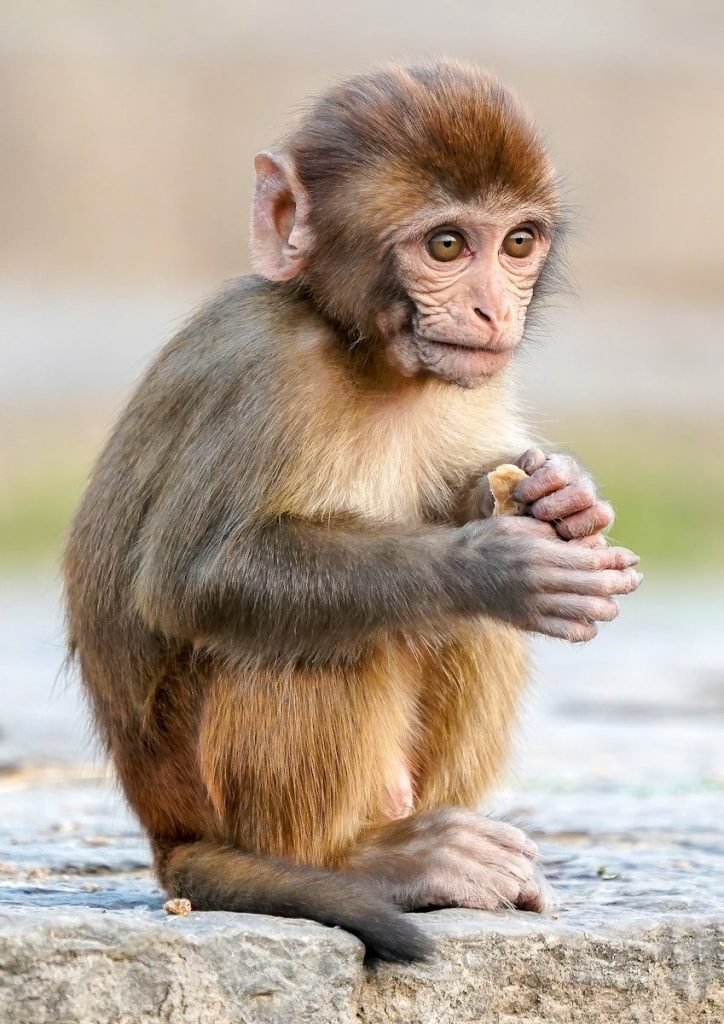
One of the biggest concerns involves primates. Estimates suggest that as many as 5,000 primates may be living in domestic homes across the UK. Many of these animals have complex needs that private owners find difficult to meet.
A new law now requires a license for keeping primates. However, only a small number of applications have been submitted. Experts worry that some owners may abandon their animals rather than comply with the new requirements, creating additional welfare challenges.
The debate goes beyond laws and regulations

The issue of exotic pets raises broader questions about how humans interact with animals. Wild species have evolved to live in specific environments and often possess behaviors that cannot be fully expressed in a domestic setting.
Animal welfare advocates argue that respecting wild animals means recognizing their unique needs and natural lifestyles. While social media can help people appreciate wildlife, experts warn that admiration should not automatically lead to ownership. Protecting animal welfare may require a greater understanding of what these animals truly need to thrive.
Leave a Reply