Many people assume the most dangerous animals in America are large predators such as bears, wolves, or alligators. In reality, the animals most likely to cause harm are often the ones people encounter every day. Some are venomous, some are involved in vehicle accidents, and others live close to homes and neighborhoods.
The risks also vary from state to state, depending on local wildlife and human activity. Understanding which animals pose the greatest threat can help people stay safe while enjoying the outdoors. Here are six dangerous animals associated with six U.S. states, along with the reasons they deserve attention.
Alabama’s black widow spider
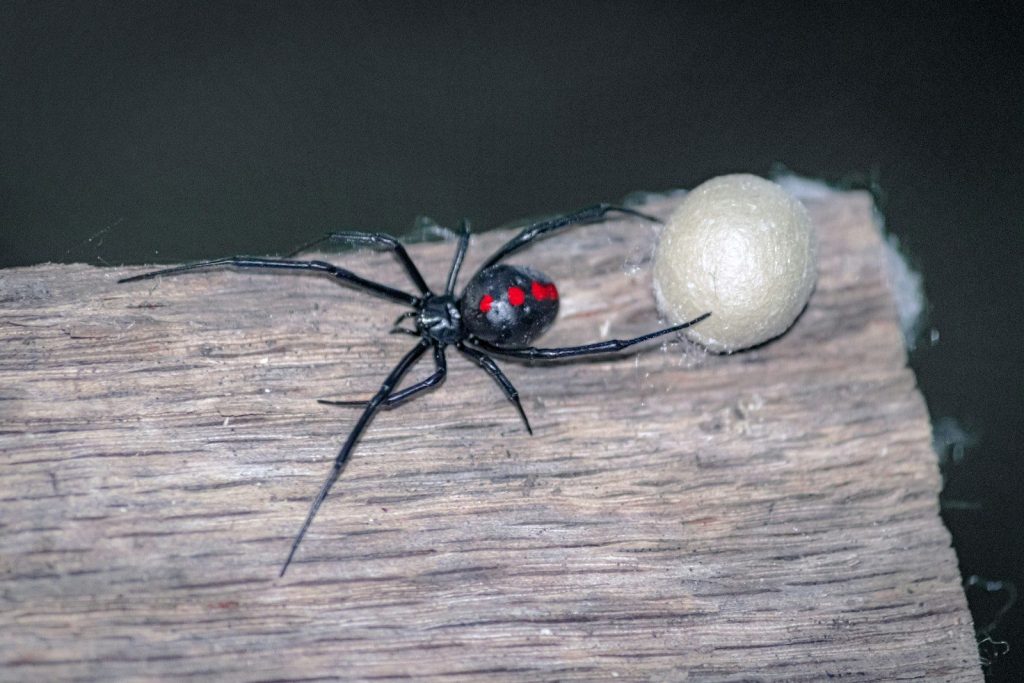
Alabama is home to many animals considered dangerous, including alligators and venomous snakes. However, one of the state’s most concerning creatures is much smaller. The black widow spider is often found in quiet locations such as sheds, garages, crawl spaces, woodpiles, and storage areas.
Female black widows have venom that can cause severe symptoms in humans. A bite may cause pain, muscle cramps, swelling, nausea, sweating, and chest or abdominal discomfort. These spiders are not aggressive, and most bites occur when someone accidentally disturbs them while reaching into a hidden space.
Alaska’s unexpected danger: dogs
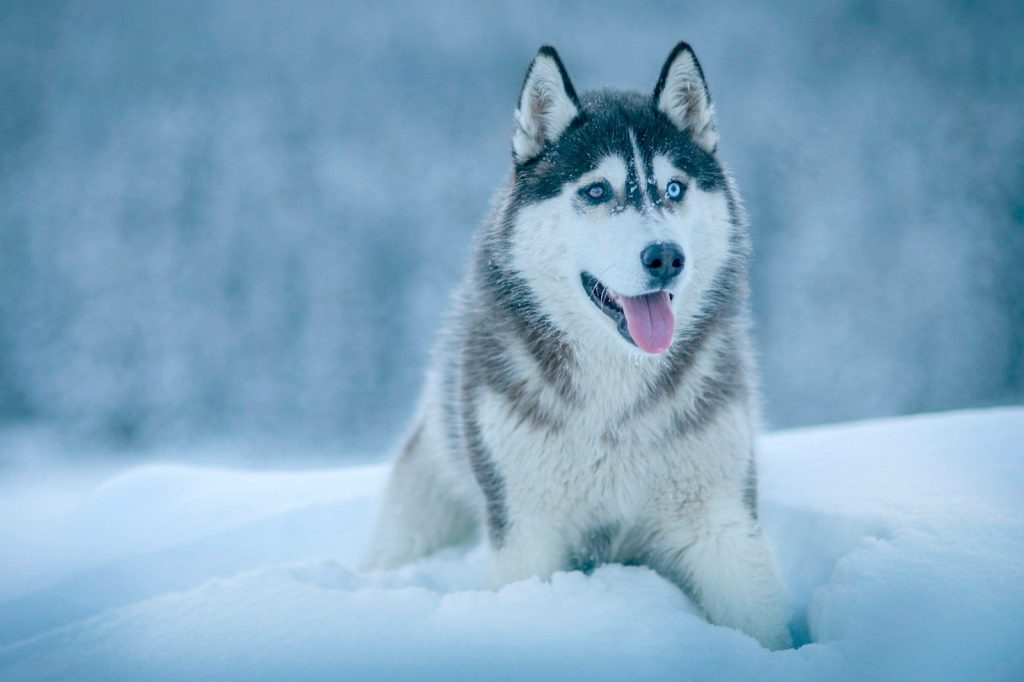
Alaska is famous for its wildlife, including grizzly bears, polar bears, wolves, and moose. Despite the attention those animals receive, dogs are considered one of the state’s most dangerous animals because of the rate of serious attacks compared with the state’s population.
Many Alaskans live in remote areas where large dogs are used for transportation, protection, hunting, or work. Most dogs are not dangerous, but attacks can happen quickly when animals are poorly supervised, neglected, or allowed to roam freely. In some cases, distance from emergency medical care can make these incidents even more serious.
Arizona’s western diamondback rattlesnake
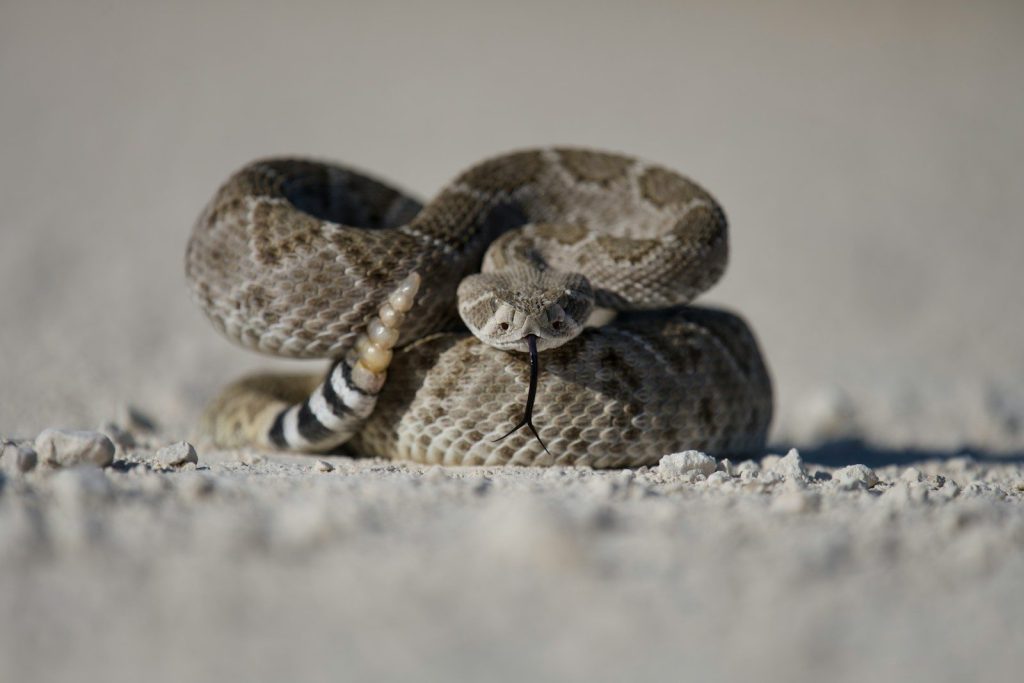
Arizona’s deserts are home to the Western diamondback rattlesnake, one of the most recognizable venomous snakes in the United States. Its distinctive diamond pattern and warning rattle make it easy to identify when encountered in the wild.
A bite from this snake can cause intense pain, swelling, tissue damage, nausea, and other serious complications. Most bites occur when people accidentally step on a snake or try to handle it. Giving rattlesnakes space and staying alert on trails are among the best ways to avoid dangerous encounters.
Arkansas and the risk from whitetail deer
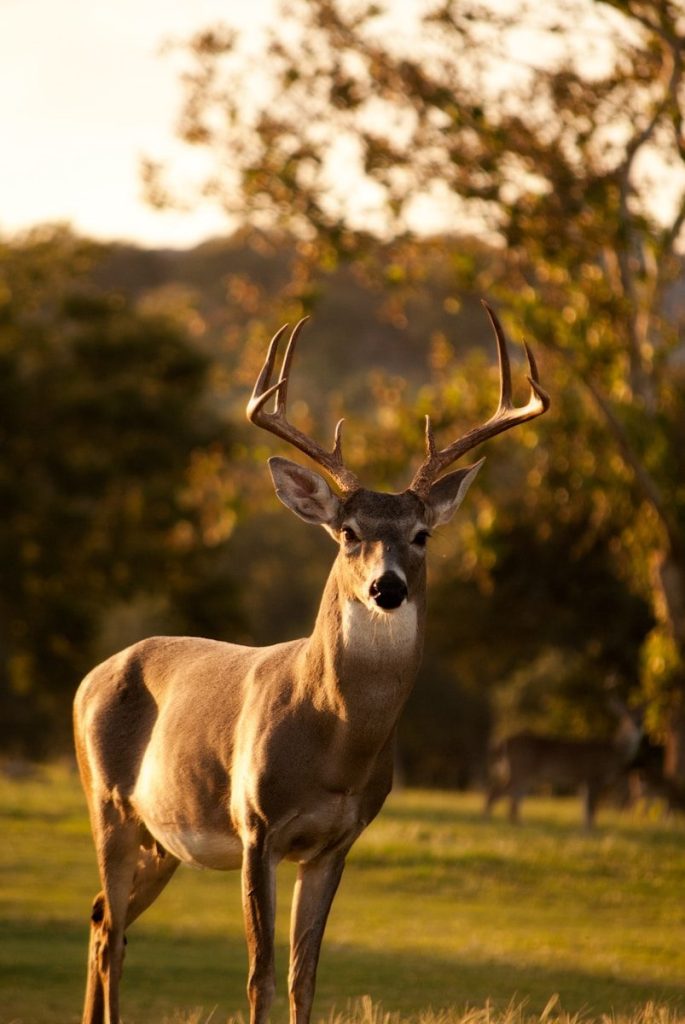
Whitetail deer may seem harmless compared with venomous reptiles and large predators, but they are responsible for many dangerous situations in Arkansas. The biggest threat comes from vehicle collisions rather than direct interactions with people.
Deer often cross roads unexpectedly, especially around dawn and dusk. Drivers may have little time to react when an animal suddenly enters traffic. These collisions can cause major vehicle damage, injuries, and secondary crashes, making deer one of the state’s most significant wildlife hazards.
California’s southern Pacific rattlesnake
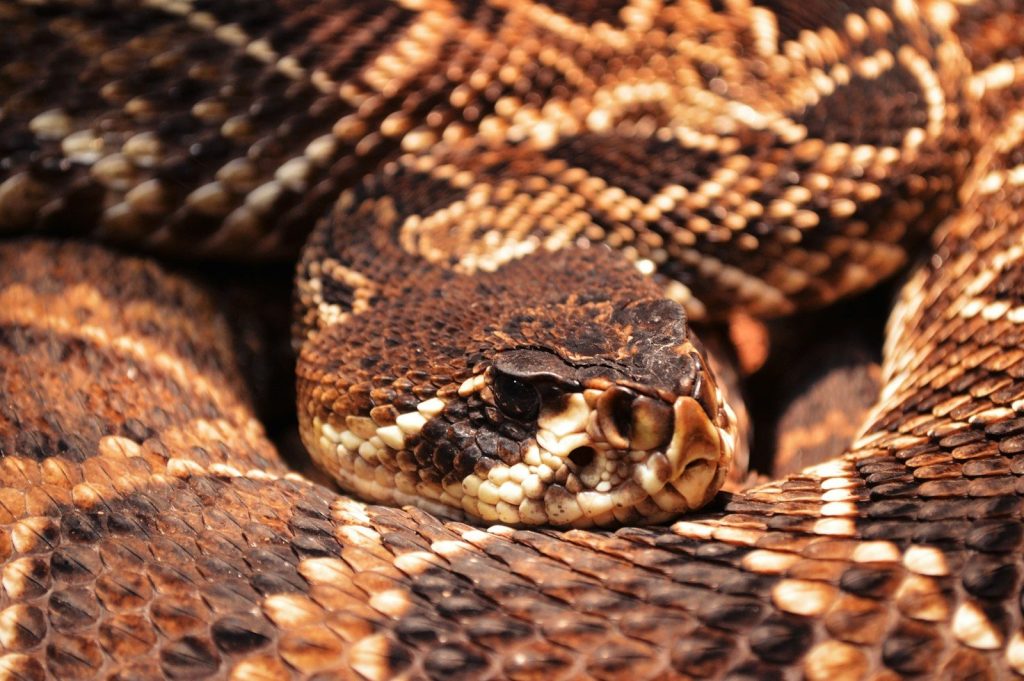
California is home to many wild animals, but the Southern Pacific rattlesnake stands out as one of the state’s most dangerous. It is commonly found in grasslands, rocky areas, foothills, canyons, and locations near hiking trails.
Although these snakes generally avoid people, bites can occur when someone gets too close or attempts to move the animal. Their venom may cause severe pain, swelling, bruising, tissue damage, and problems with blood clotting. Hikers and outdoor enthusiasts are encouraged to stay on trails and avoid disturbing wildlife.
Colorado’s mountain lion
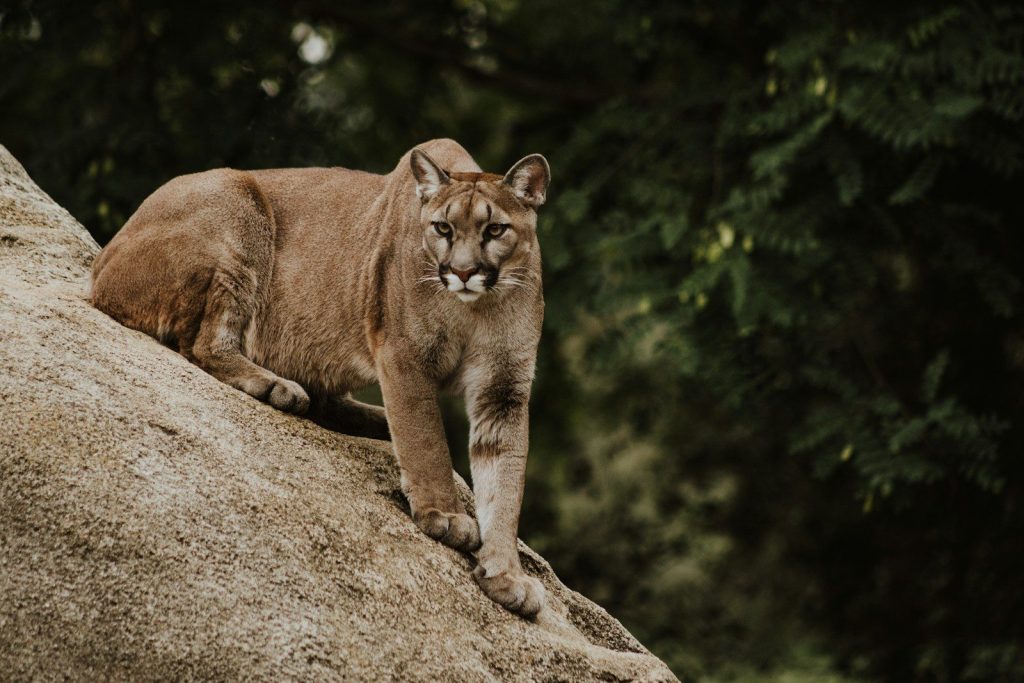
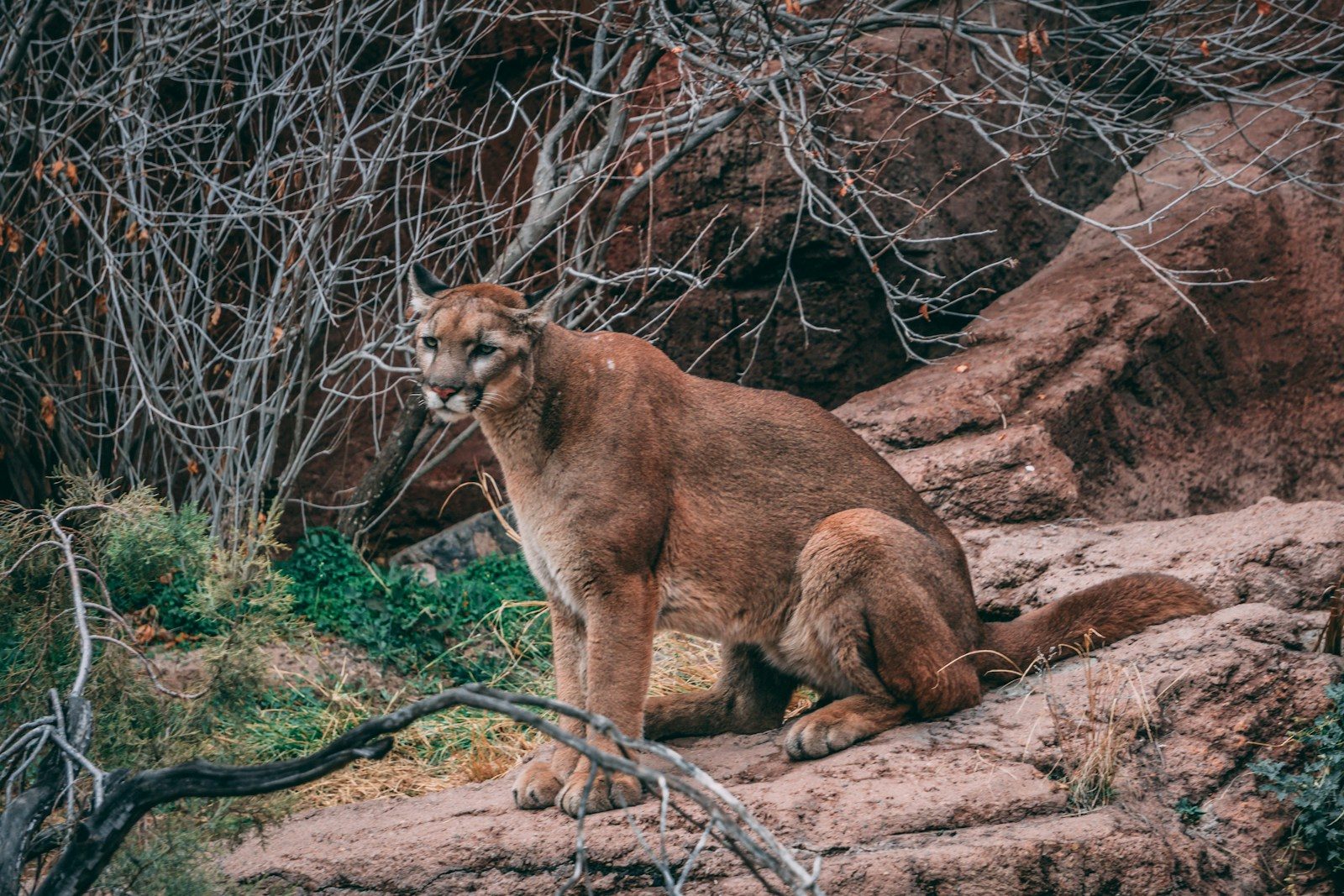
Colorado is home to mountain lions, one of the largest predators in North America. These powerful cats usually avoid people, but encounters can occur in foothills, hiking areas, and neighborhoods near wild habitats.
Although attacks are rare, mountain lions can cause serious injuries. Experts advise hikers to stay alert, avoid running if they encounter a lion, and give the animal plenty of space. As more communities expand into wildlife habitats, encounters between people and mountain lions have become more common.
Leave a Reply