
What if a living animal had been swimming through the ocean since before the United States was founded? That idea sounds impossible, but scientists discovered evidence that one Greenland shark may have lived for nearly 400 years. The finding made headlines around the world and changed what researchers thought was possible for vertebrate lifespan.
By studying a unique protein inside the shark’s eye, scientists uncovered one of the most remarkable age estimates ever recorded for an animal. The research not only revealed the age of the Greenland shark but also provided new clues about aging, survival, and life in some of the coldest waters on Earth.
A discovery that changed marine science

The Greenland shark is now recognized as the oldest known vertebrate ever identified by scientists. Researchers estimated that one female shark was about 392 years old, making it older than any other vertebrate with a confirmed age estimate. Even the lowest estimate from the study suggested an age of more than 270 years.
The discovery came from a study involving 28 female Greenland sharks that were accidentally caught as bycatch in the North Atlantic. Scientists used these specimens to test a dating method that had never been applied to the species on such a large scale. The results pushed the known limits of vertebrate longevity farther than ever before.
The answer was hidden inside the eye
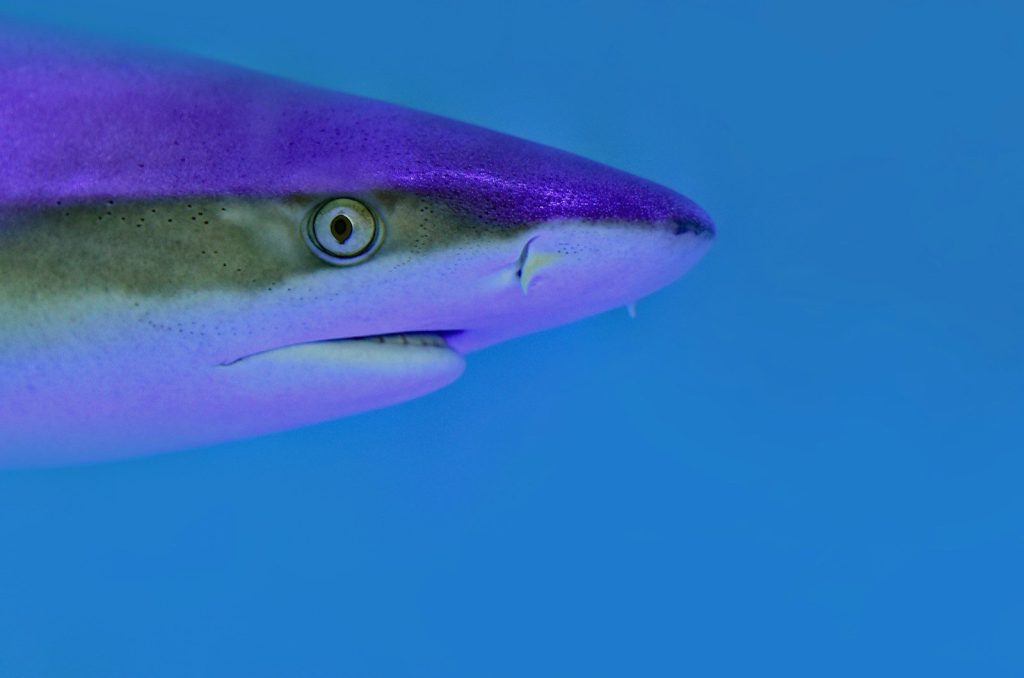
Determining the age of a Greenland shark is not easy. Unlike many fish, these sharks do not have hard structures that develop clear growth rings. Their vertebrae are too soft to provide the information researchers normally use to estimate age.
Scientists instead turned to the shark’s eye lens. Proteins in the center of the eye lens form before birth and remain unchanged throughout the shark’s life. Because these proteins preserve carbon from the environment at the time they formed, researchers were able to use radiocarbon dating to estimate when the shark was born.
How radiocarbon dating revealed its age
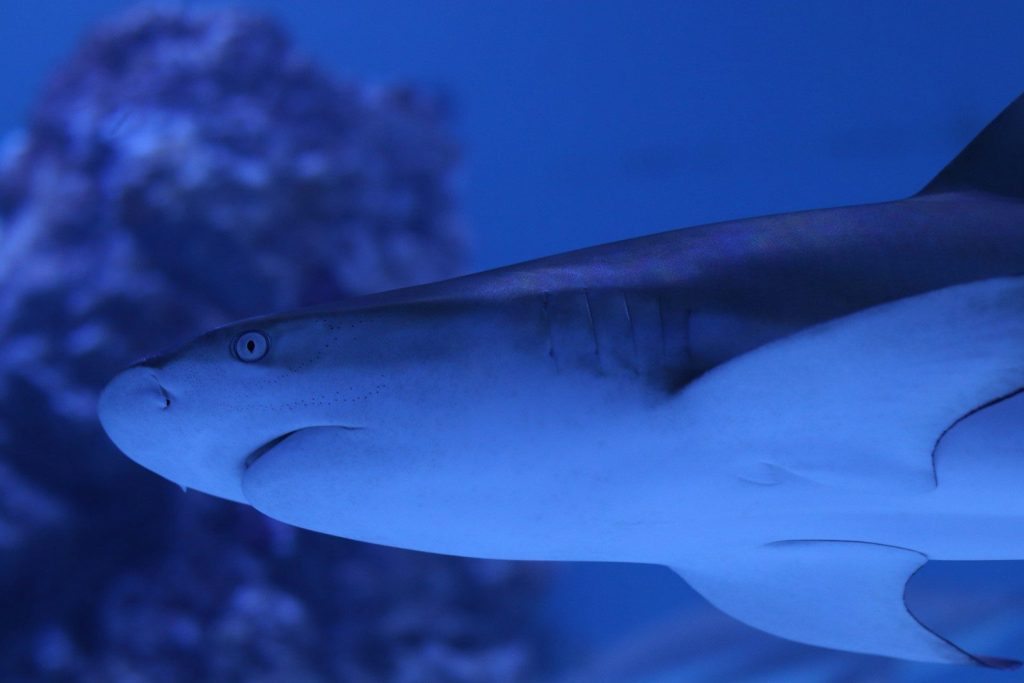
The dating process focused on the innermost part of the eye lens, which contains the oldest proteins in the shark’s body. Scientists isolated these proteins and analyzed the carbon they contained. Changes in atmospheric carbon levels over time provided a means to estimate the material’s age.
The largest shark examined in the study measured about five meters long. Radiocarbon analysis estimated its age at 272-512 years, with a central estimate of 392 years. This remarkable result suggested that the shark may have been born in the early seventeenth century.
Growing up takes more than a century
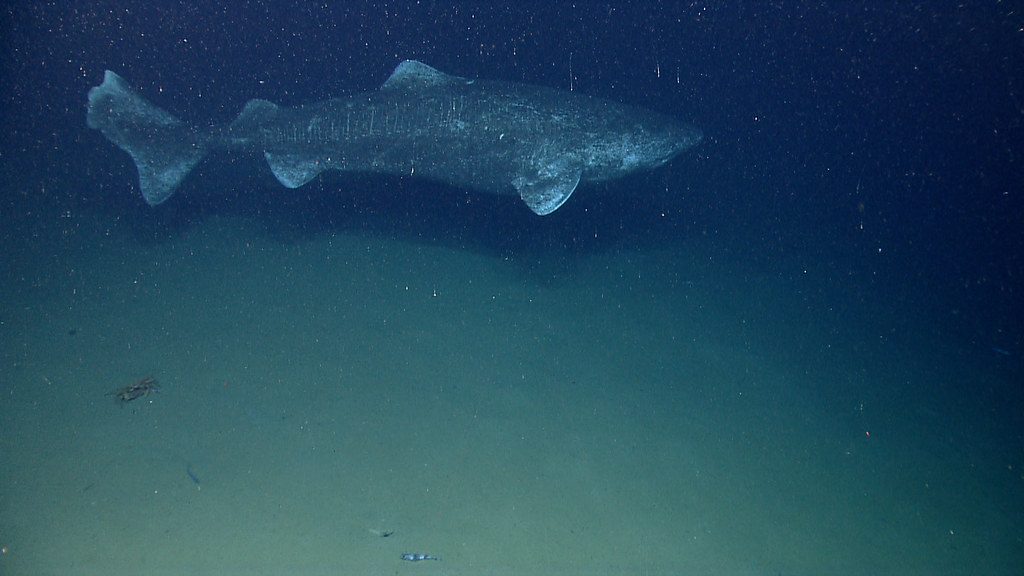
One of the most surprising findings about Greenland sharks is how slowly they develop. Scientists believe these sharks grow at a rate of less than one centimeter per year. This extremely slow growth contributes to their extraordinary lifespan.
Researchers also estimate that Greenland sharks do not reach sexual maturity until they are more than 100 years old. That means a shark can spend an entire century growing before it is capable of reproducing. Such a slow life cycle creates major challenges for conservation because populations recover very slowly when mature animals are lost.
Life in the deep Arctic Ocean

Greenland sharks live in some of the coldest and deepest waters on Earth. They have been recorded at depths of up to 2,200 meters and are the only shark species known to remain in Arctic Ocean waters year-round.
Scientists believe their cold environment plays an important role in their longevity. The sharks have an extremely slow metabolism, which means many biological processes occur at a reduced pace. This slower rate of activity may help reduce the wear and tear that accumulates in the bodies of faster living animals.
A giant genome may hold more answers
In 2024, scientists completed the first full genome sequence of the Greenland shark. The genome contains about 6.5 billion base pairs, making it roughly twice the size of the human genome and the largest shark genome sequenced so far.
Early research suggests the shark may possess especially strong DNA repair mechanisms. Scientists believe these genetic tools could help the animal repair damage that naturally occurs over time. The genome has been made available to researchers worldwide, who continue studying how it may contribute to the shark’s exceptional lifespan.
Leave a Reply