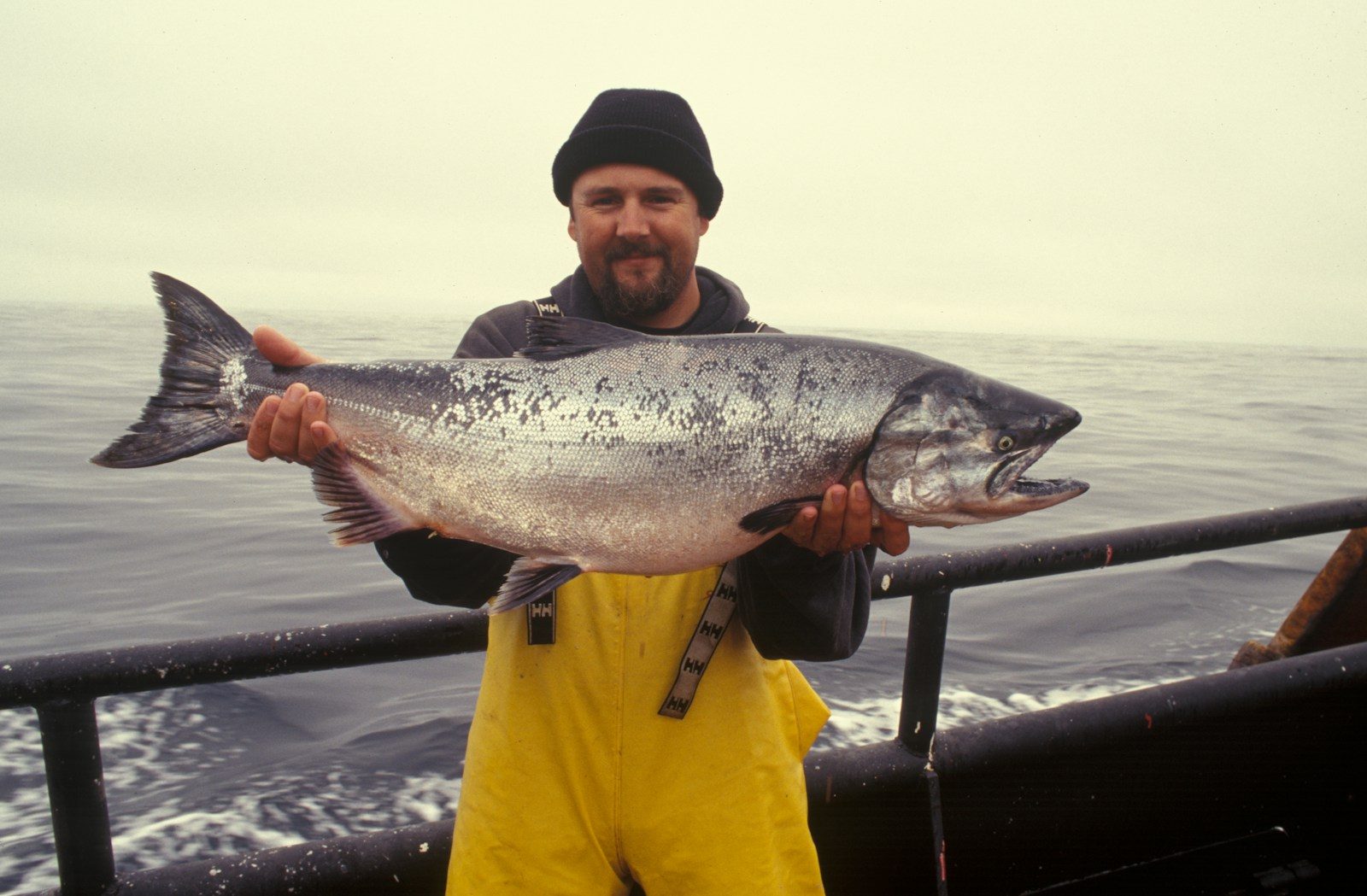
Most people know tuna as a popular food found in grocery stores and kitchen pantries. However, many are surprised to learn that tuna are also among the largest and most powerful fish in the ocean. These fast-swimming predators can travel long distances and reach sizes that seem almost unbelievable.
Over the years, fishermen have caught some truly enormous specimens that have amazed experts and fishing enthusiasts alike. Among them was one record-setting giant that showed just how large tuna can become. Understanding the size, strength, and importance of these fish helps explain why the largest tuna ever caught remains such a fascinating part of fishing history.
Tuna are built for life in the open ocean
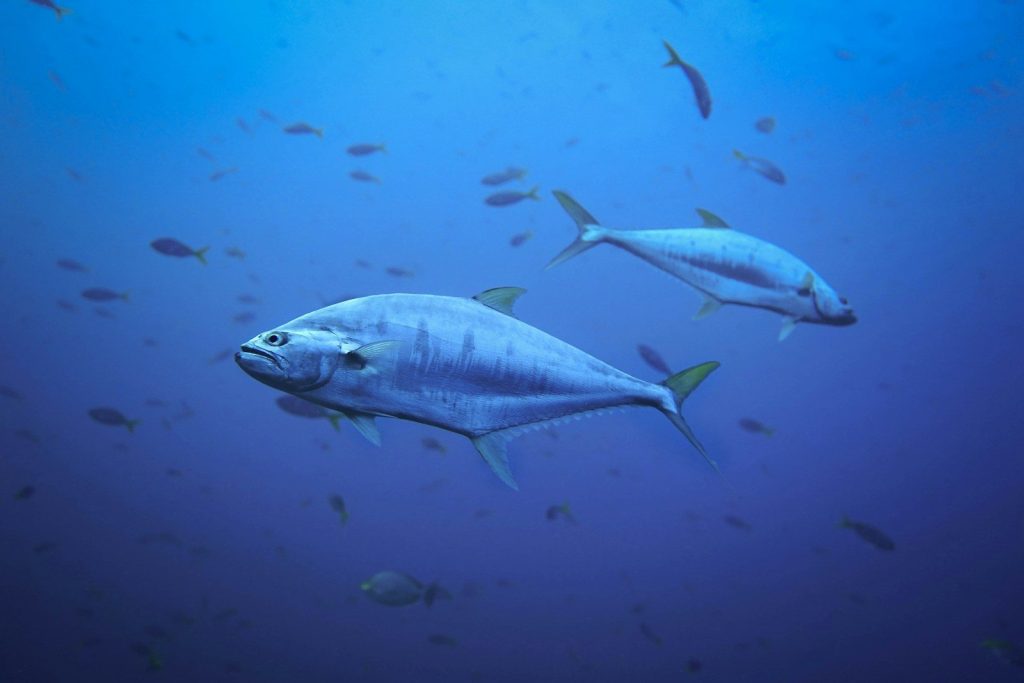
Tuna are highly adapted ocean predators. Their streamlined bodies allow them to move quickly through the water while searching for food across vast distances. This speed and endurance make them some of the most successful fish in marine ecosystems.
Unlike many smaller fish, tuna continue growing throughout their lives. Given enough time and favorable conditions, some individuals can reach extraordinary sizes. Their combination of strength, speed, and growth potential has helped make them famous among commercial and recreational fishermen.
Americans consume tuna on a large scale

Tuna remains one of the most widely consumed seafood products in the United States. Millions of households regularly purchase canned tuna as a convenient and affordable source of protein.
Because canned tuna is so common, many people rarely think about the actual fish behind the product. The image of a small can often make it difficult to imagine that some tuna can grow large enough to rival the weight of much larger land animals.
Some tuna grow to astonishing sizes
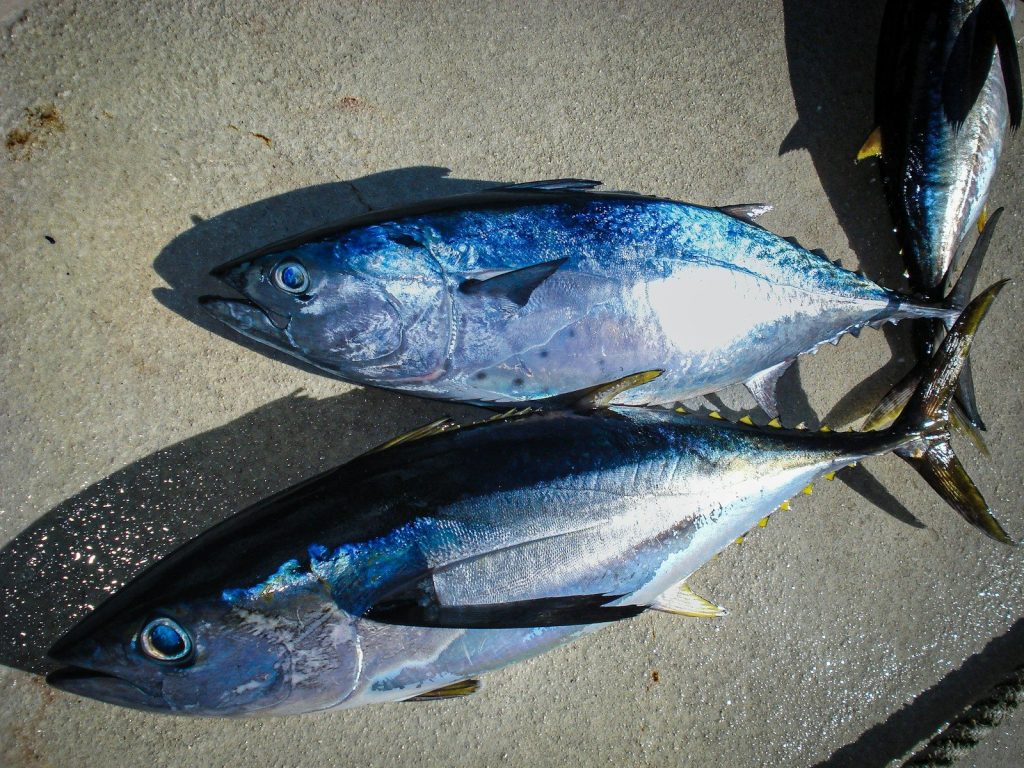
Among the many species of tuna found around the world, some are capable of reaching truly impressive dimensions. These fish can weigh hundreds or even thousands of pounds, making them among the largest bony fish in the ocean.
Their size is supported by a powerful muscular body designed for constant movement. Large tuna can cover great distances while maintaining the speed needed to hunt prey in open-water environments.
The largest catches continue to amaze fishermen

Fishing records often capture public attention because they reveal the extraordinary size some marine animals can achieve. Over the years, several giant tuna have become famous for their remarkable weight and appearance.
When fishermen land one of these enormous fish, the catch often attracts widespread interest. The sheer scale of these animals can be difficult to appreciate until they are seen beside people, boats, or fishing equipment.
Why giant tuna seem almost unreal

Many people associate fish with relatively small sizes compared with those of large mammals. Giant tuna challenge that perception because their weight can approach that of animals more commonly associated with farms and ranches.
The sight of a massive tuna often surprises people who are unfamiliar with the species. Their immense bodies serve as a reminder of the incredible diversity and scale that exists beneath the ocean’s surface.
Tuna remains one of the ocean’s most impressive fish
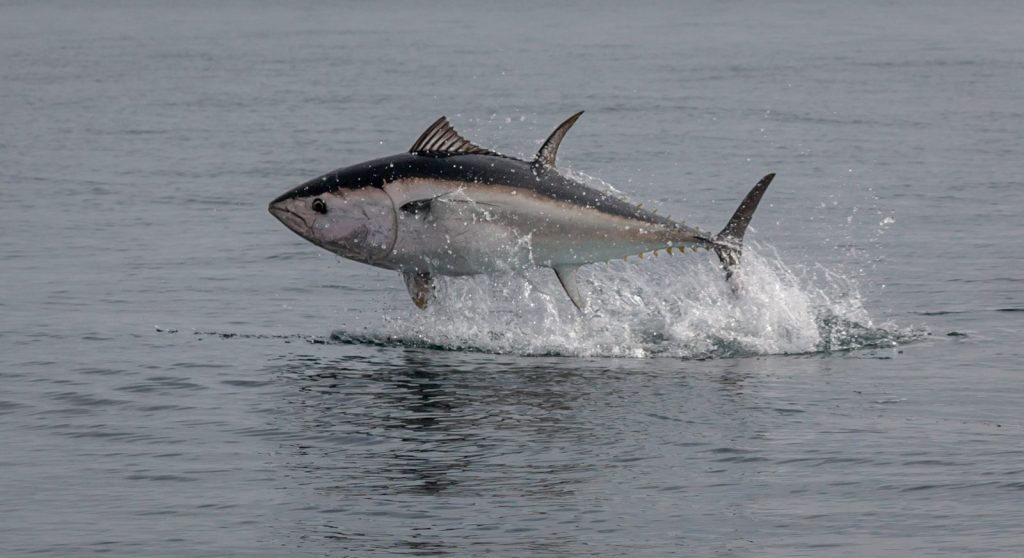
Beyond their size, tuna are respected for their strength and athletic ability. Anglers often consider them among the most challenging fish to catch because of their speed and endurance.
Their combination of power, size, and importance to both ecosystems and fisheries has earned them a special place in marine history. The largest tuna ever caught continues to capture attention because it represents the remarkable potential of one of the ocean’s greatest fish.
Leave a Reply