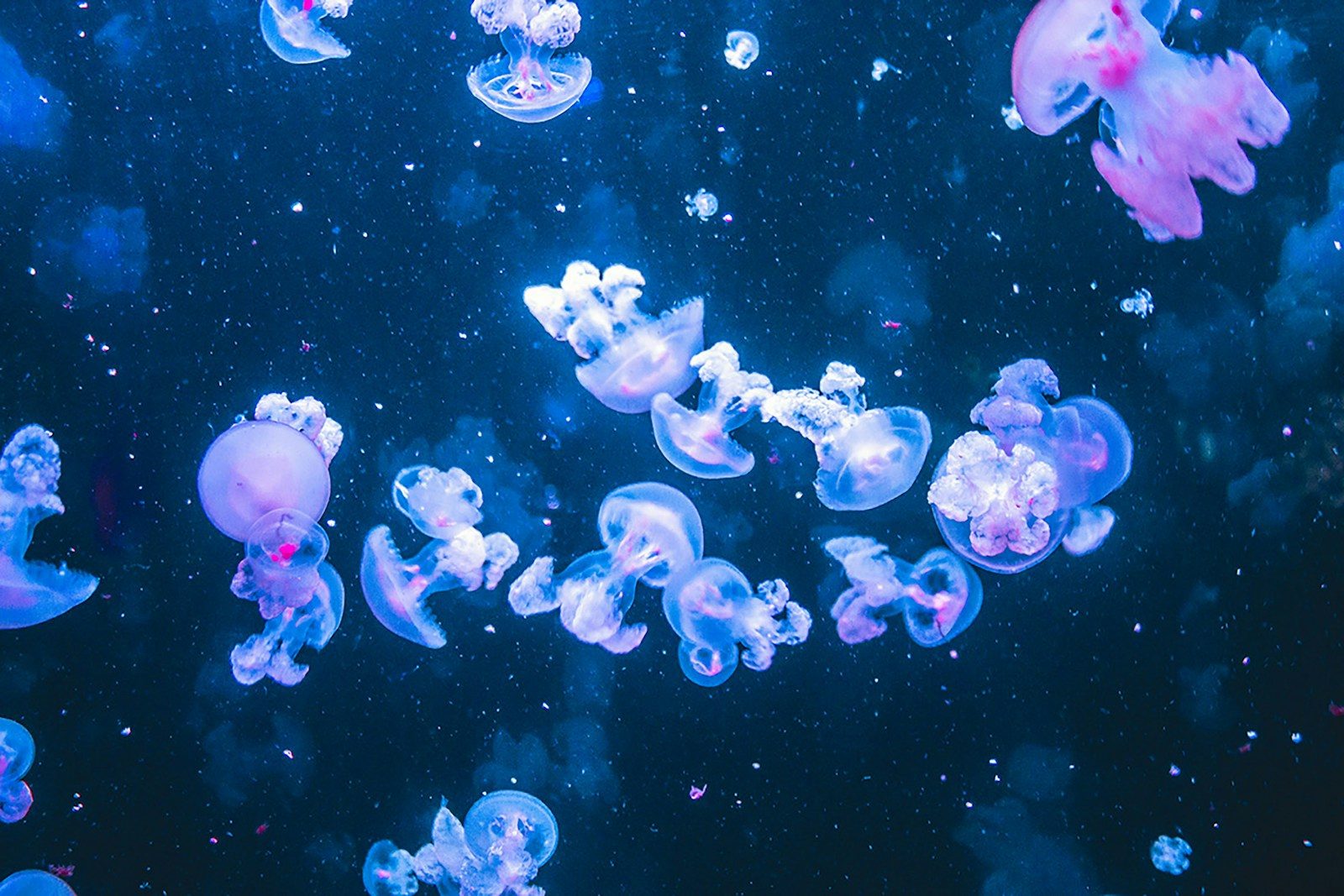
The deepest place on Earth seems like an unlikely location for life. Buried nearly 36,000 feet beneath the Pacific Ocean, the Mariana Trench experiences crushing pressure, complete darkness, and extreme conditions. For many years, scientists wondered whether anything could survive there at all. In 1960, explorers Don Walsh and Jacques Piccard descended into the trench aboard the Trieste submarine and made a surprising observation.
After reaching the ocean floor, they saw what appeared to be life moving through the mud. That discovery challenged assumptions about the limits of life on Earth. Today, scientists continue exploring the trench and uncovering remarkable organisms that survive in one of the planet’s most extreme environments.
The deepest known place on Earth
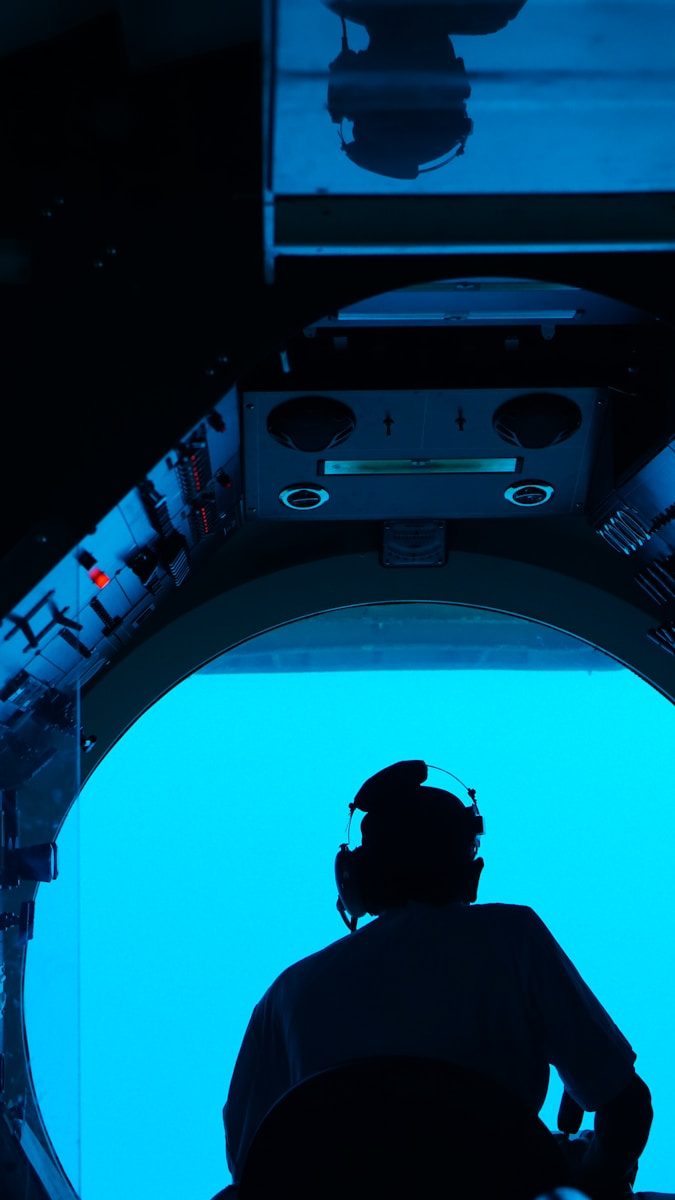
The Mariana Trench is located in the Pacific Ocean and is recognized as the deepest ocean trench on the planet. Its deepest section reaches nearly 36,000 feet below the surface, making it one of the most challenging environments ever explored by humans.
The trench is so deep that Mount Everest could fit inside it with more than a mile of water still above the mountain’s peak. These extreme depths create conditions unlike anything found closer to the surface.
A historic journey to the ocean floor
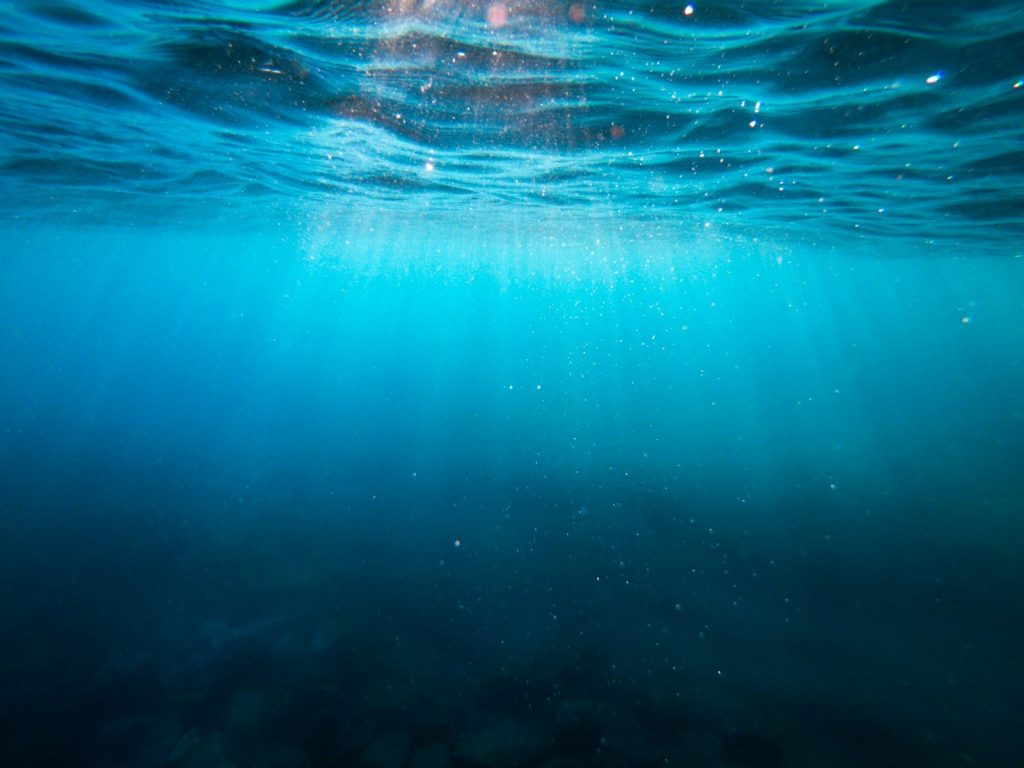
In 1960, explorers Don Walsh and Jacques Piccard undertook one of the most ambitious deep-sea missions ever attempted. Their vessel, the Trieste, was specially designed to withstand the enormous pressure found at such depths.
The descent was not without danger. During the journey, a window block cracked under pressure. Despite the setback, the mission continued, and the explorers successfully reached the bottom of the trench, making history in the process.
An unexpected discovery in the mud
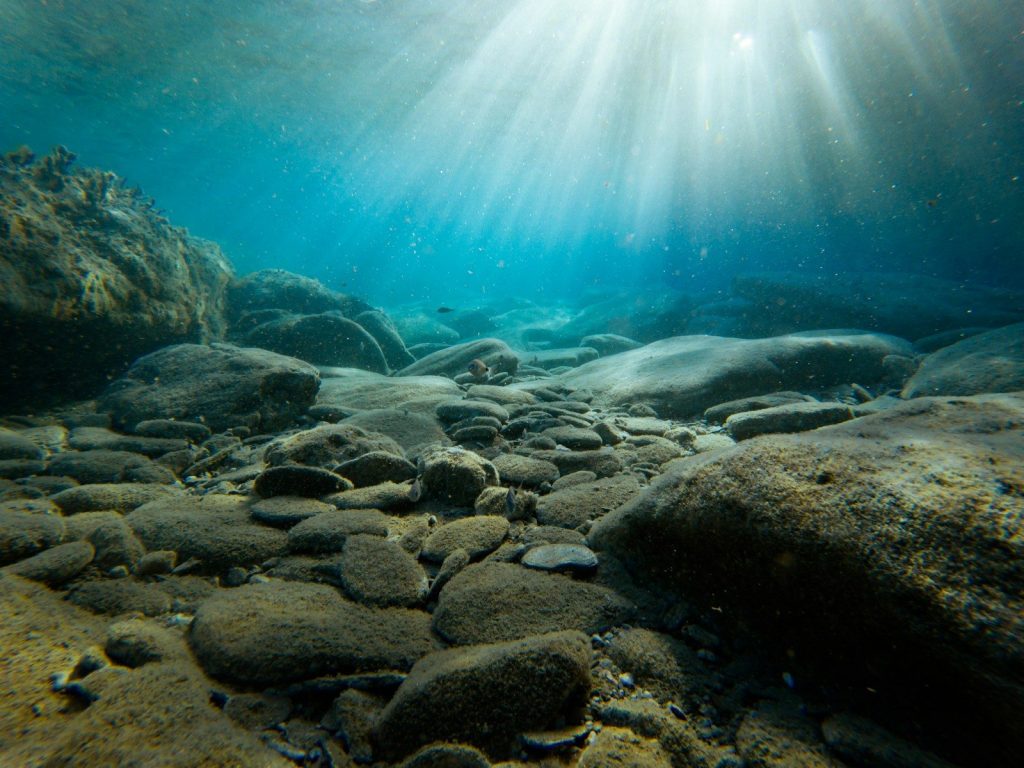
Upon reaching the ocean floor, the explorers noticed something surprising. They observed what appeared to be life moving through the muddy seabed, suggesting that even the deepest part of the ocean was not lifeless.
This observation challenged previous assumptions about the limits of survival. Scientists had long questioned whether complex life could exist under such extreme pressure and darkness. The sighting suggested that the trench supported living organisms despite its harsh conditions.
Life thrives in extreme environments
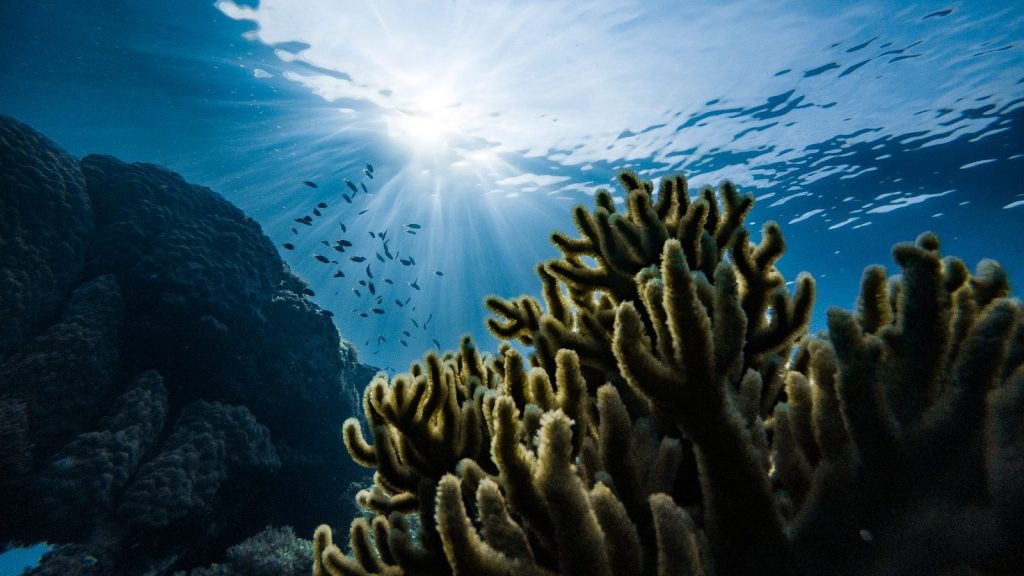
Modern research has confirmed that a variety of organisms live in the Mariana Trench and other deep ocean trenches. These creatures have adapted to conditions that would be impossible for most forms of life.
Among the species discovered are giant amphipods, sea cucumbers, microbial mats, and unusually large single-celled organisms. Each of these life forms has evolved unique characteristics that help it survive in the deep ocean.
The mysteries of the hadal zone
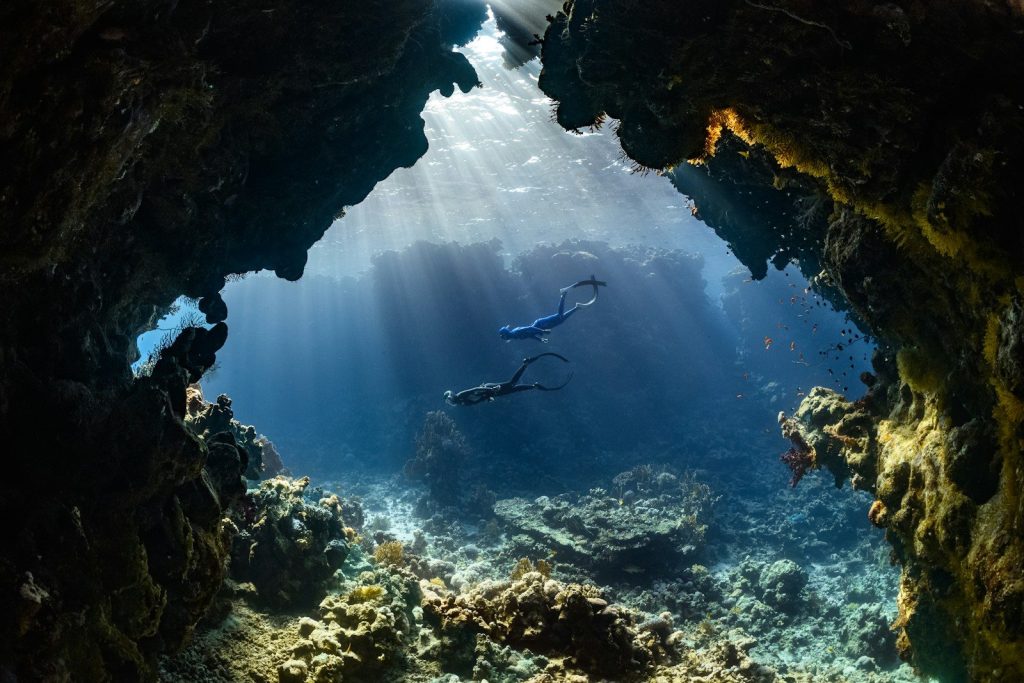
The deepest regions of ocean trenches are known as the hadal zone. These environments remain among the least explored places on Earth due to the technical challenges of reaching them.
Despite decades of research, scientists have identified only about 400 species across the entire hadal zone. This relatively small number suggests that many organisms may still remain undiscovered in the deepest parts of the world’s oceans.
Why deep-sea exploration still matters
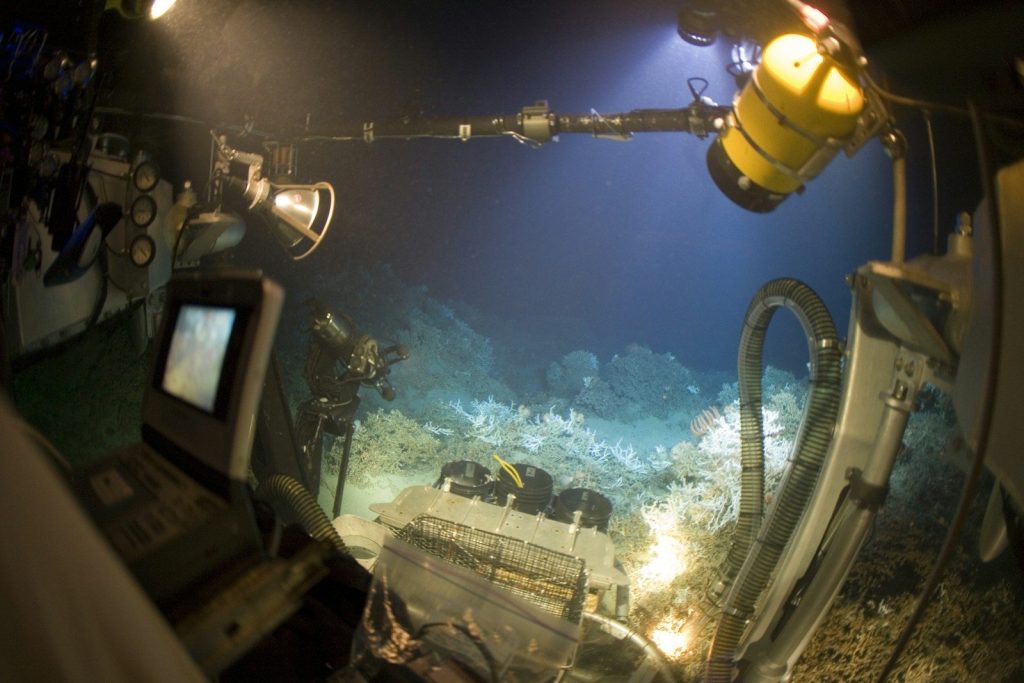
The Mariana Trench continues to attract scientific interest because it provides insights into how life adapts to extreme conditions. Studying these organisms helps researchers better understand biology, evolution, and the limits of survival.
Every expedition has the potential to reveal something new. As technology improves, scientists are gaining access to areas that were once impossible to explore. These discoveries continue to expand our understanding of life in one of Earth’s final frontiers.
Leave a Reply