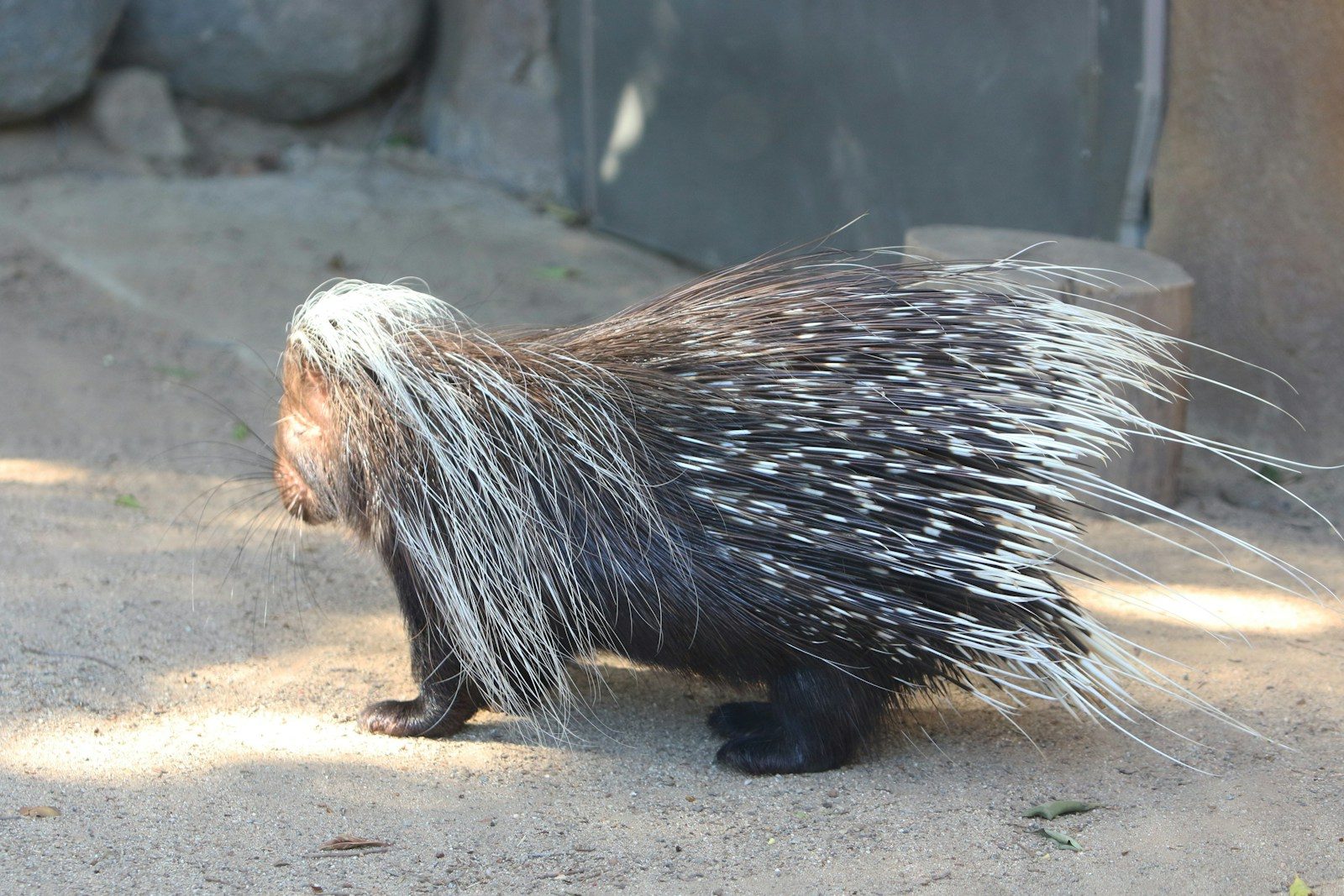
Many animals rely on speed, strength, or sharp teeth to survive in the wild. Porcupines take a completely different approach. These slow-moving rodents may appear harmless at first glance, but they possess one of the most effective defense systems in the animal kingdom.
Their bodies are covered with thousands of sharp quills that can turn even the most confident predator into a wounded retreat. From large cats to other powerful hunters, many animals quickly learn that attacking a porcupine is often a painful mistake. Understanding how these unique rodents defend themselves reveals why they remain one of nature’s most successful prey animals.
A rodent with a powerful defense
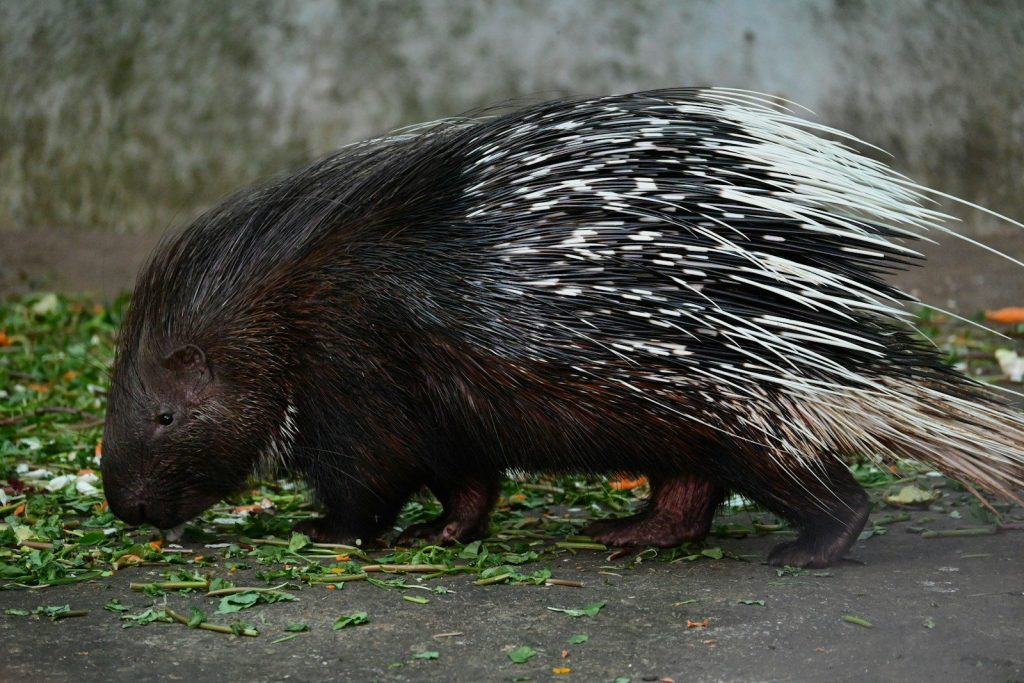
Porcupines are rodents, not predators. Unlike animals that hunt for food, they spend most of their time avoiding danger and protecting themselves from threats in their environment. Their survival depends on defense rather than attack.
What makes porcupines special is their covering of sharp quills. These modified hairs act like natural armor, creating a protective barrier that discourages predators from getting too close. The quills give the animal a powerful advantage despite its slow movement.
How porcupines respond to danger
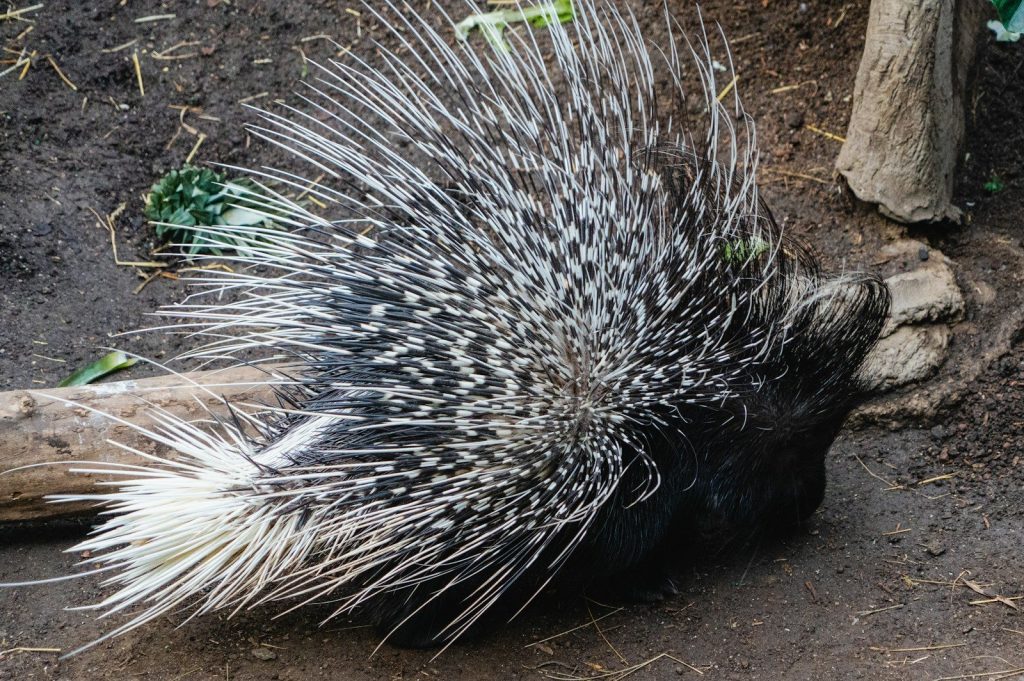
When a porcupine senses a threat, it does not immediately run away. Instead, it relies on a series of defensive behaviors designed to make predators think twice before attacking.
The animal raises its quills to appear larger and more dangerous. If the threat continues, the porcupine may swing its tail toward the attacker. This action can drive sharp quills into any animal that gets too close, creating an immediate and painful deterrent.
Why are the quills so effective?
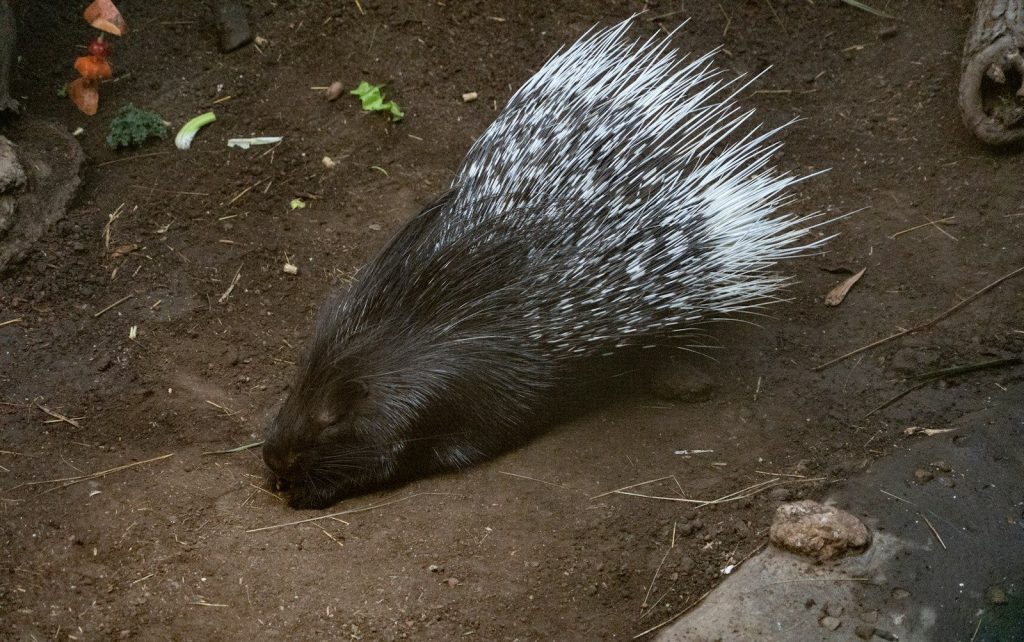
Porcupine quills are not just sharp. They are designed to remain embedded in flesh once contact occurs. This makes them far more dangerous than a simple scratch or puncture wound.
Removing the quills can be difficult and painful. In some cases, they may work deeper into the tissue over time. This can increase discomfort and raise the risk of infection, making even a successful attack costly for a predator.
Even large predators can suffer injuries
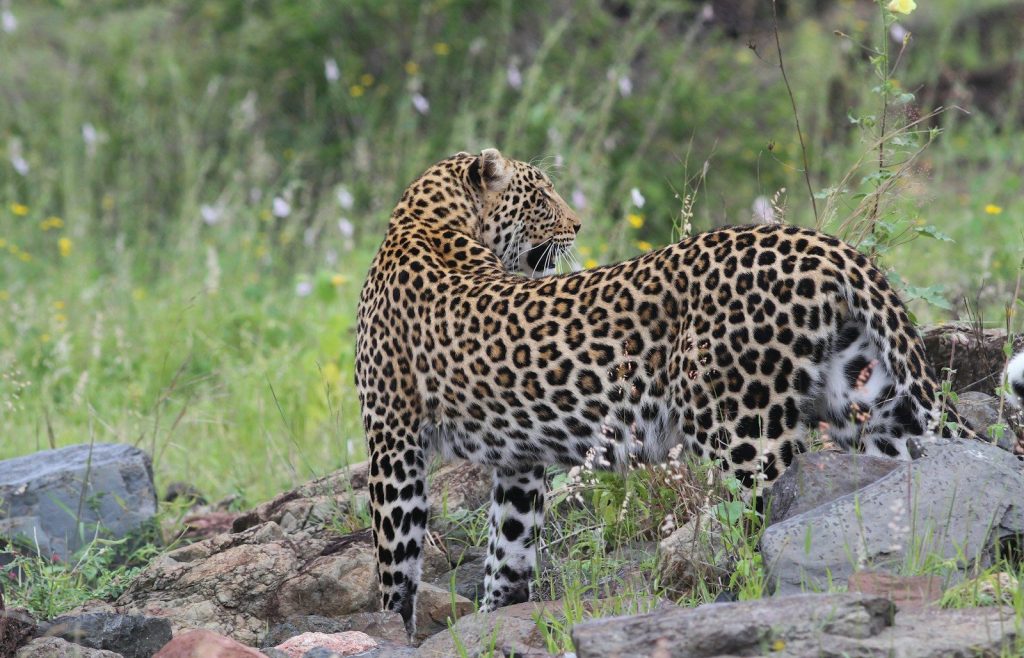
Many people assume large predators have little to fear from smaller animals. However, porcupines regularly prove that size alone does not guarantee success in the wild.
Animals such as leopards have learned that attacking a porcupine can result in painful injuries. A predator may approach confidently, only to retreat after receiving multiple quills. The injuries can interfere with hunting and create additional health problems if left untreated.
Defense instead of offense
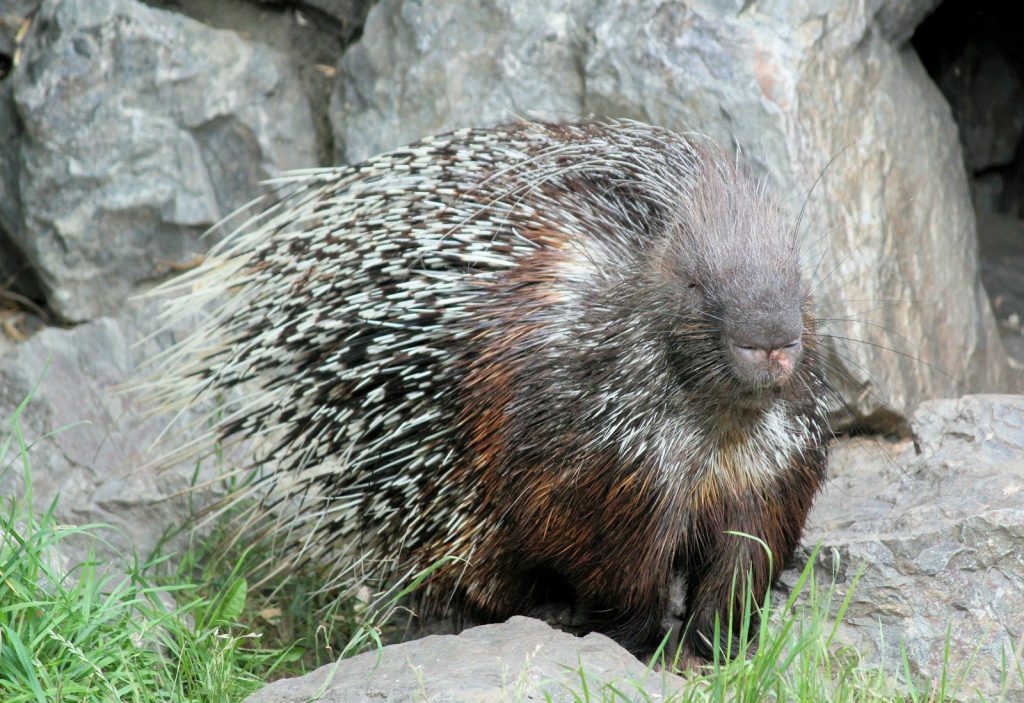
Unlike predators that rely on chasing prey, porcupines focus entirely on protecting themselves. Their strategy is based on making attacks so costly that predators decide the risk is not worth the reward.
This defensive approach has proven highly successful. Many predators recognize the danger posed by porcupines and avoid them whenever possible. The animal’s reputation alone can sometimes prevent an attack before it even begins.
A remarkable example of survival
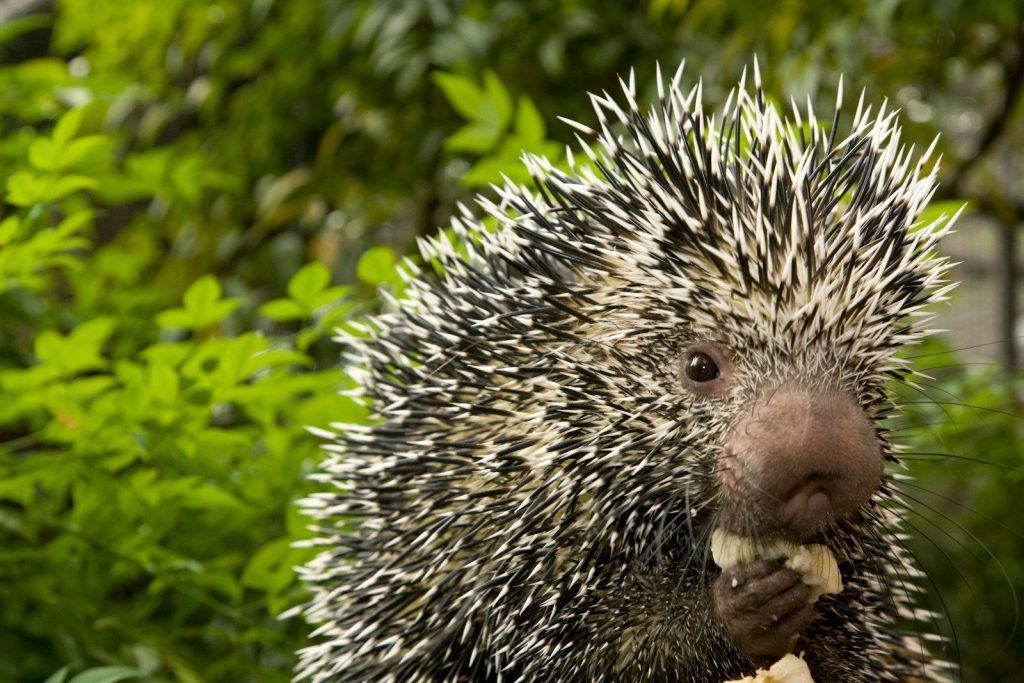
Porcupines demonstrate that survival in nature does not always depend on strength or speed. Evolution has equipped them with a defense system that allows them to stand their ground against much larger animals.
Their sharp quills, warning displays, and defensive behavior have helped them thrive in environments filled with predators. As a result, the porcupine remains one of the most heavily armed and well-protected rodents in the natural world.
Leave a Reply