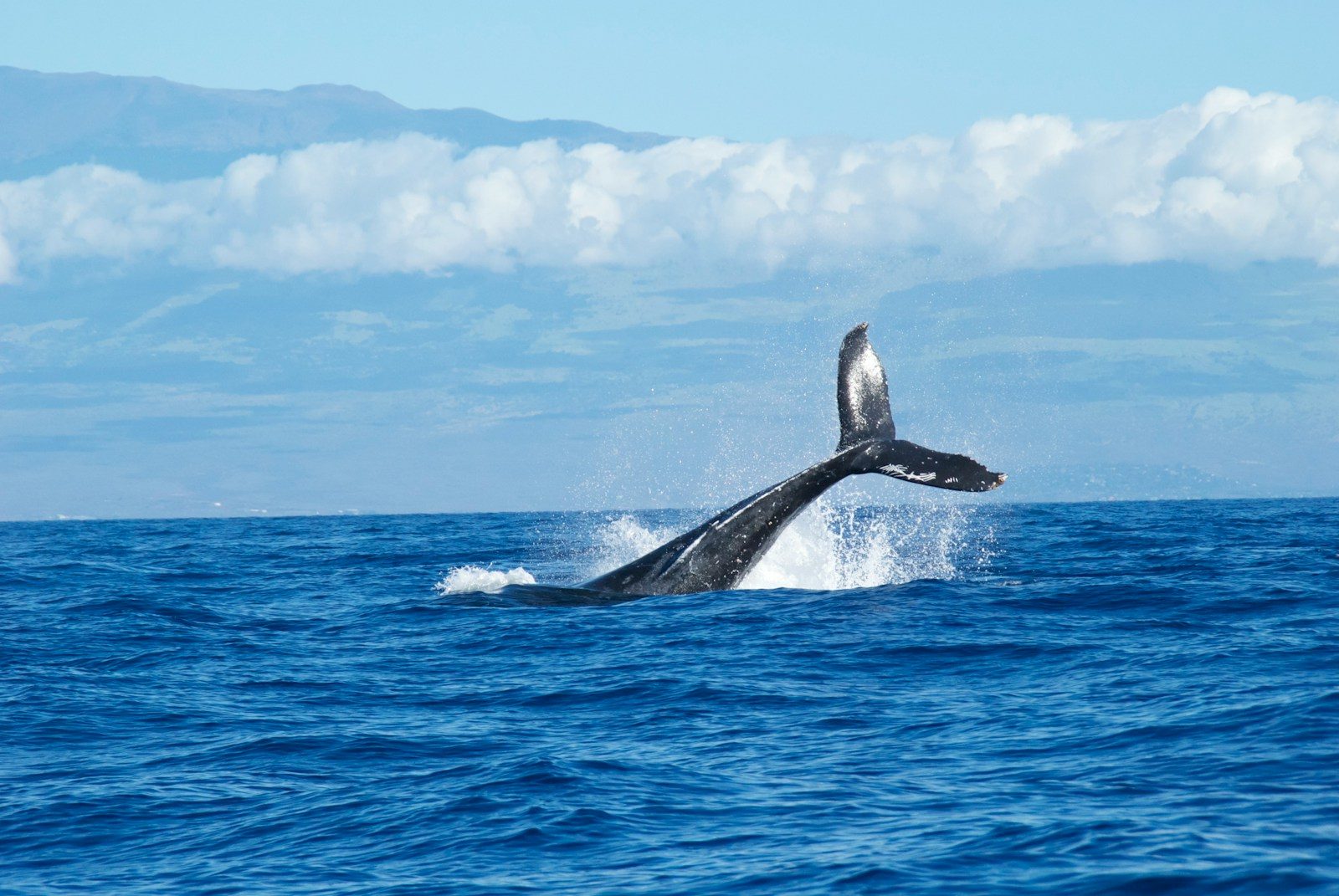
Some animals live long enough to witness major changes in the world around them. Few, however, carry physical evidence of that history inside their bodies. In 2007, a bowhead whale harvested during a subsistence hunt in Alaska revealed an extraordinary secret. Embedded deep within its flesh were fragments of a harpoon dating back to the late nineteenth century.
The discovery provided researchers with a rare opportunity to estimate the whale’s age and offered powerful evidence of the remarkable lifespan of bowhead whales. The find also connected modern scientists to the era of commercial whaling, revealing how one animal survived for more than a century after a potentially deadly encounter.
A discovery hidden beneath the skin
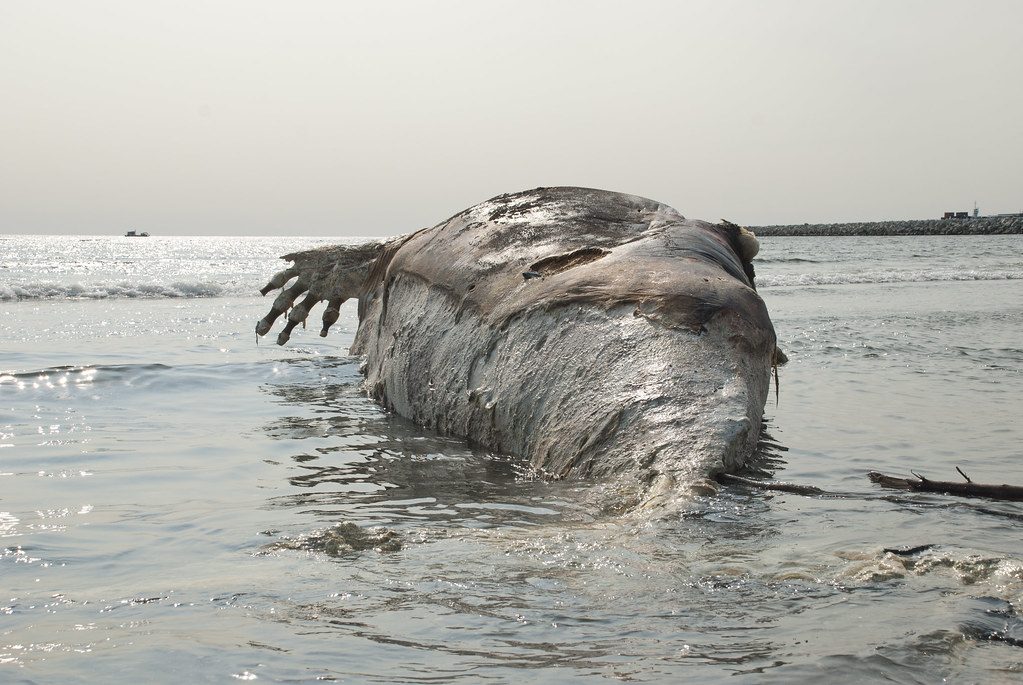
The remarkable find was made while the bowhead whale was being processed following a subsistence harvest in Alaska. During the examination, a biologist noticed several unusual metal fragments buried within the animal’s tissue.
The fragments appeared old and did not resemble modern equipment. Recognizing their potential significance, researchers sent the pieces to experts who specialized in whaling history. What they discovered would reveal an incredible story spanning more than a century.
The harpoon dates back to the 1800s
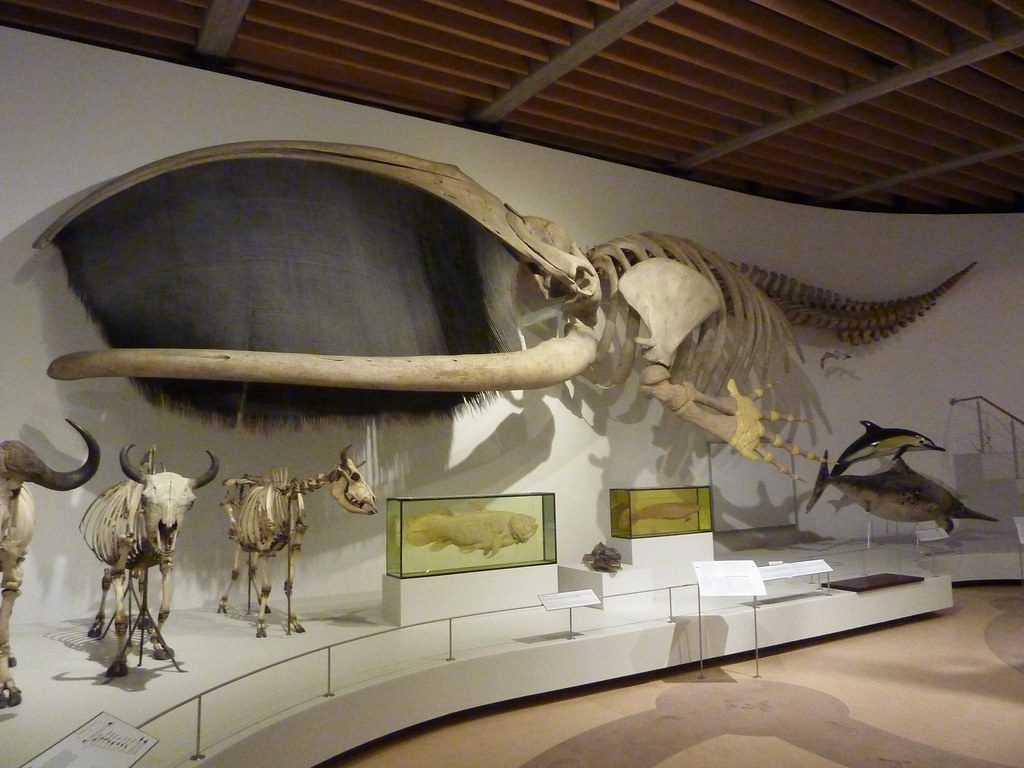
Historians identified the metal fragments as parts of an exploding lance, a type of harpoon used during the height of commercial whaling. The weapon was commonly associated with whaling operations based in New Bedford, Massachusetts.
Experts determined that the harpoon design matched a model produced between 1879 and 1885. Based on the available evidence, researchers estimated the whale was likely struck around 1890. The fact that the animal survived and remained alive in 2007 suggested an astonishing age.
A whale that lived through history
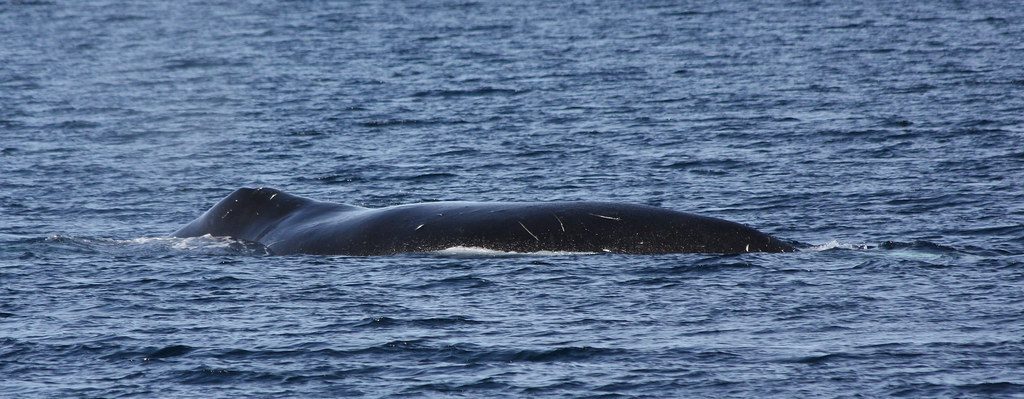
Using the estimated date of the harpoon strike, scientists concluded that the whale was approximately 115 years old. The actual age may have been even greater, since the animal could have been several years old before the encounter occurred.
This meant the whale had lived through dramatic changes in both human history and the natural world. It survived the final decades of commercial whaling and continued swimming through Arctic waters long after the industry that targeted its species had disappeared.
The rise and recovery of bowhead whales
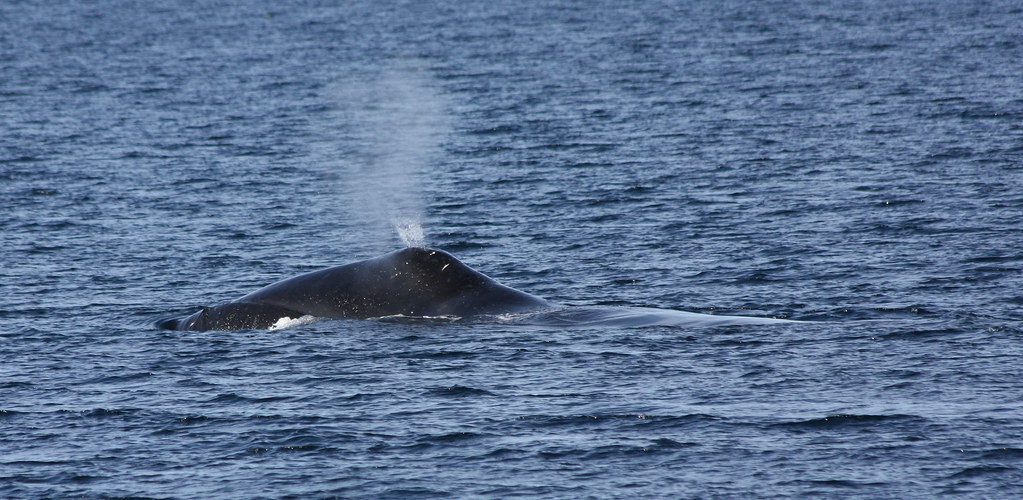
Bowhead whales faced intense hunting pressure during the commercial whaling era. Their populations declined sharply as whalers hunted them for valuable resources, driving them to dangerously low levels.
Commercial hunting of bowhead whales effectively ended in 1921. Since then, conservation efforts and legal protections have helped populations recover. Today, estimates suggest there are between 10,000 and 23,000 bowhead whales, showing significant improvement from historic lows.
How scientists estimate a whale’s age
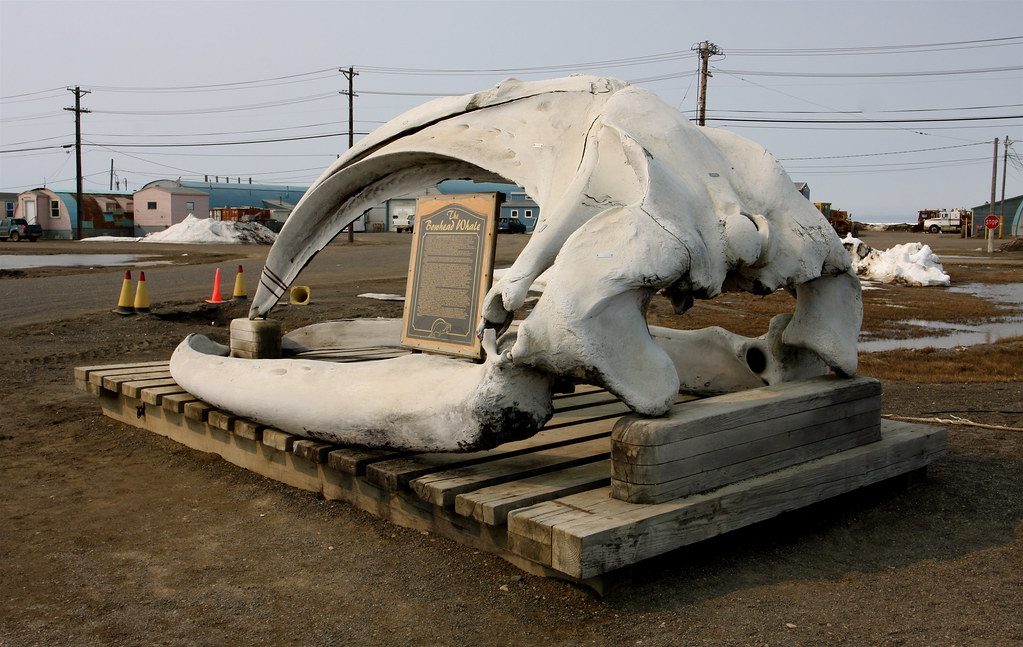
Finding a century-old harpoon inside a whale is extremely rare, so researchers normally rely on different methods to estimate age. One of the most useful techniques involves studying amino acids found in the eye lens.
The balance of these amino acids changes in predictable ways over time. By measuring those changes, scientists can estimate how old a whale may be. This method has provided evidence that some bowhead whales can live for more than 200 years, making them among the longest-lived mammals on Earth.
The secret behind their remarkable longevity
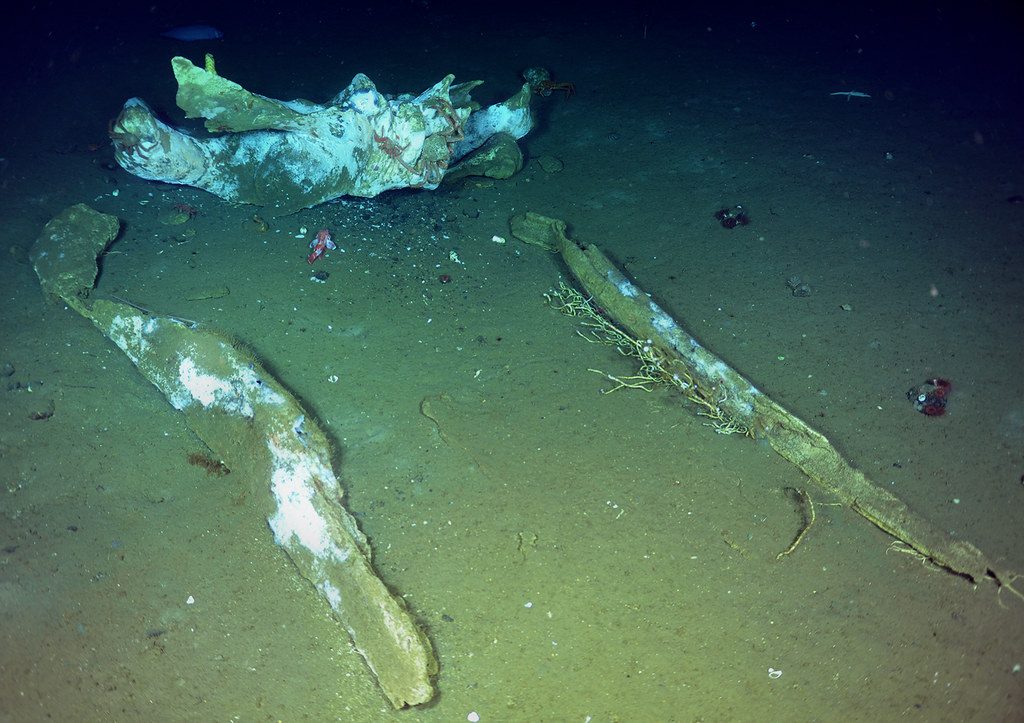
Scientists continue to study why bowhead whales live so much longer than most mammals. One theory suggests that unique genetic traits may allow their cells to repair damage more effectively before dividing.
These biological advantages could contribute to their extraordinary lifespan. Researchers believe that understanding these mechanisms may provide valuable insights into aging, longevity, and how living organisms maintain health over long periods.
Leave a Reply