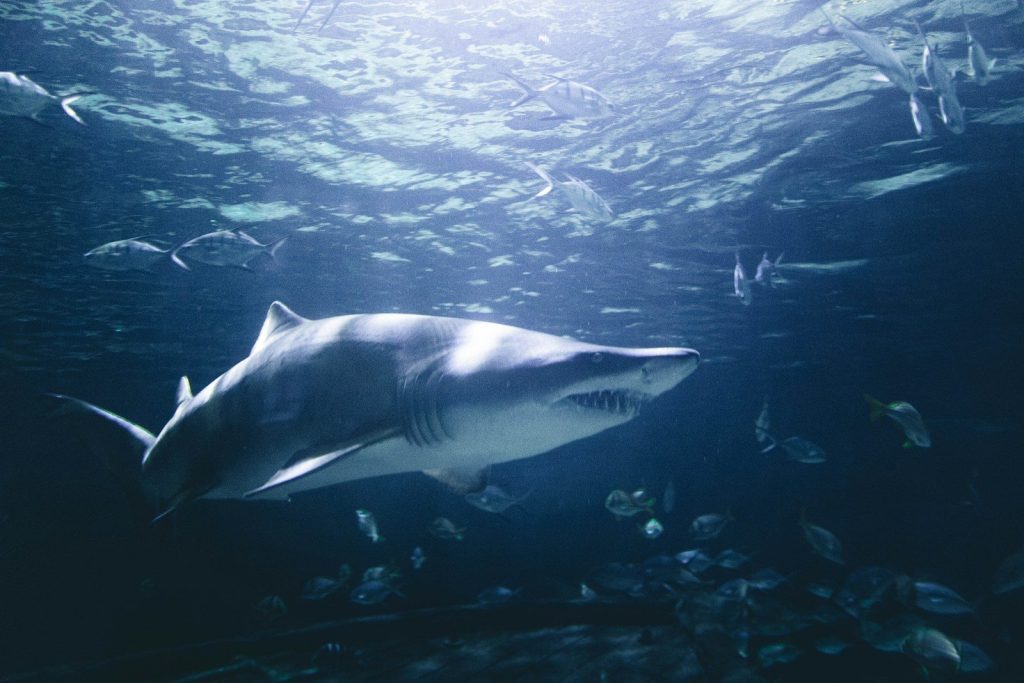
Great white sharks are often considered among the ocean’s most powerful predators. But a recent event off the coast of South Africa showed that even these feared hunters can become prey.
Researchers captured rare drone footage of a lone orca killing a great white shark in less than two minutes near Mossel Bay. The remarkable attack challenged previous beliefs about how orcas hunt sharks and raised new questions about the future impact on shark populations and marine ecosystems. Scientists are now studying whether this unusual behavior could spread among other killer whales.
A rare hunting event surprises researchers
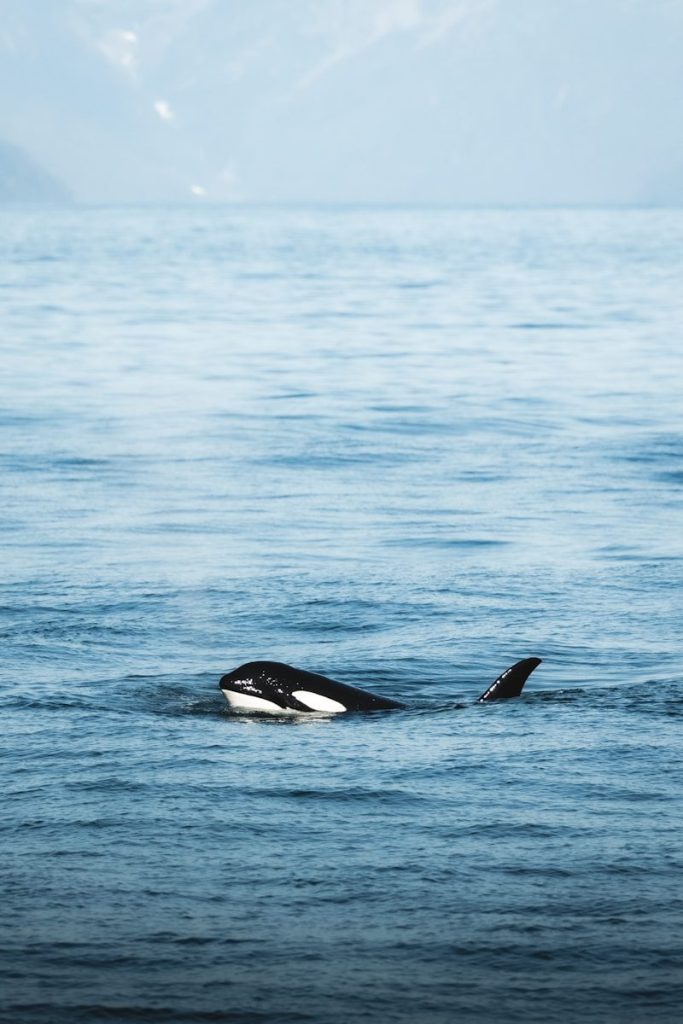
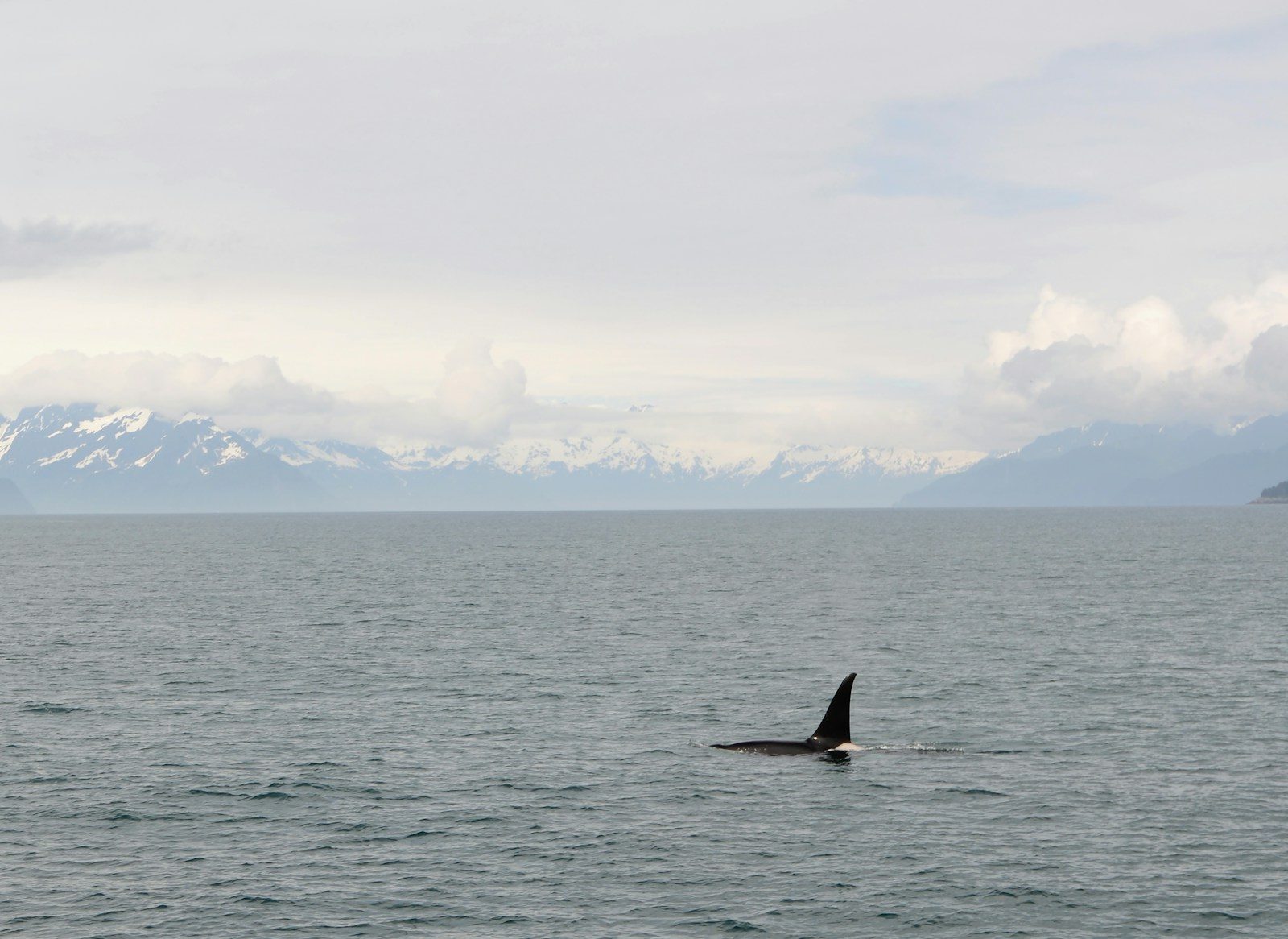
The attack near Mossel Bay marked the first documented case of a single orca killing a great white shark so quickly. Until now, scientists believed that attacks on great white sharks typically involved coordinated efforts by two or more orcas.
The footage provided researchers with a unique opportunity to observe the behavior in detail. The event demonstrated that a lone killer whale may be capable of taking down one of the ocean’s most powerful predators without assistance.
The attack lasted less than two minutes
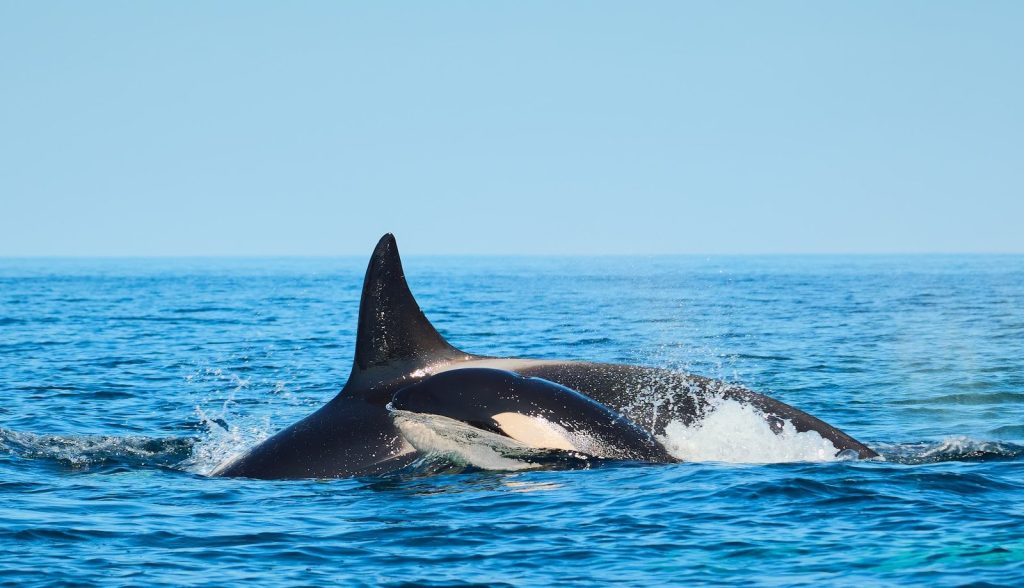
According to researchers, the entire encounter was remarkably brief. The orca attacked and killed the great white shark in approximately 2 minutes, highlighting the predator’s efficiency.
The speed of the attack surprised scientists because great white sharks are large, powerful animals. The incident showed how quickly an experienced orca can overpower a shark despite the shark’s size and reputation as an apex predator.
The shark’s liver was the target
Researchers observed that the orca specifically targeted the shark’s liver during the attack. This behavior has been documented in previous encounters involving multiple orcas.
The liver of a great white shark is rich in nutrients and energy. The fact that a single orca successfully performed this specialized hunting technique suggests that the behavior may be more advanced and adaptable than previously understood.
Scientists question how the behavior develops
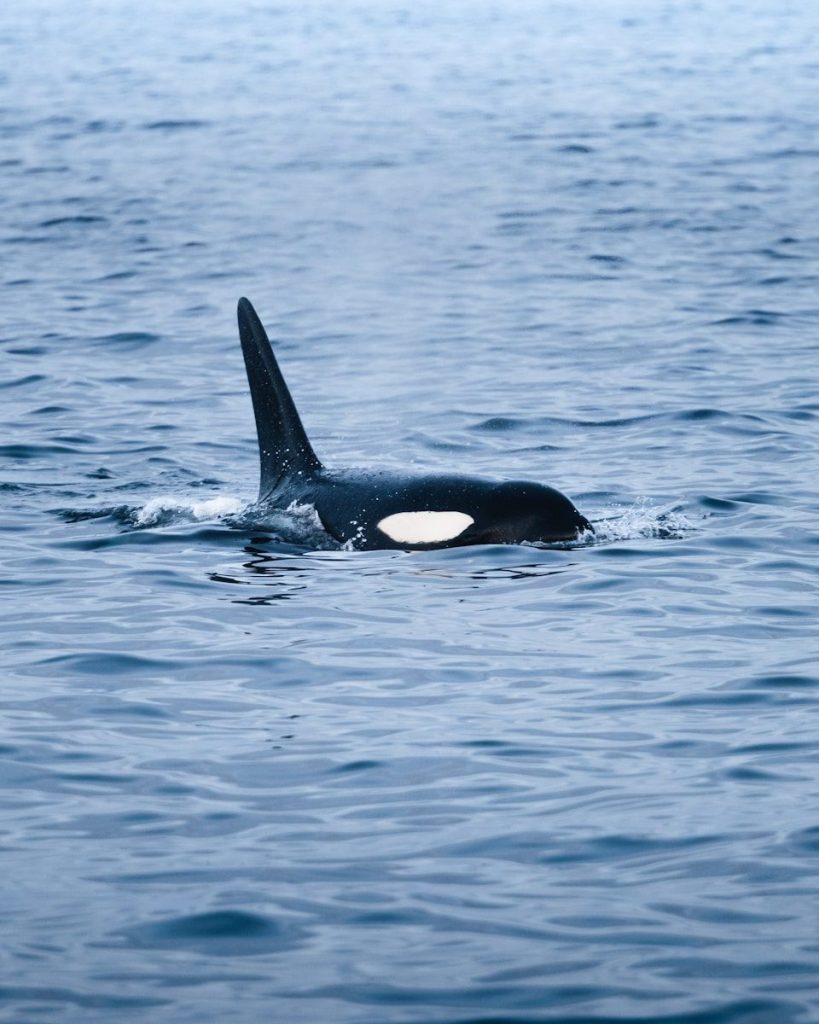
One of the biggest questions involves whether this was an isolated event or part of a larger trend. Researchers do not yet know if the same orca has repeated the behavior on other occasions.
Scientists are also unsure whether multiple orcas are independently learning the technique. Without additional observations, it remains difficult to determine how widespread this hunting strategy may become among killer whale populations.
Potential effects on shark populations
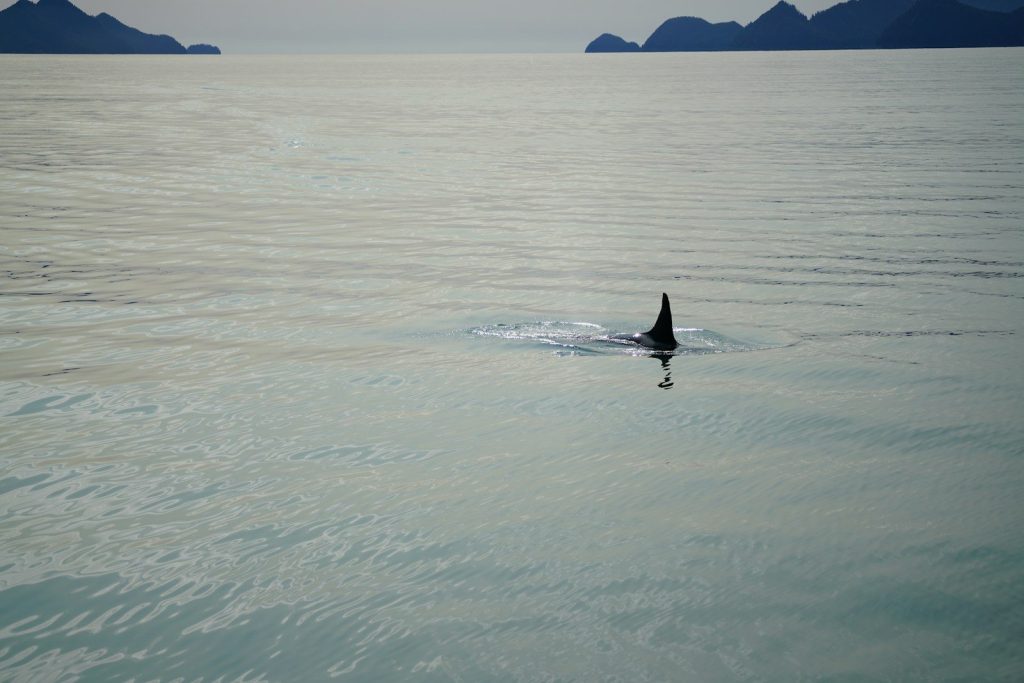
If more orcas begin hunting great white sharks in this manner, researchers believe shark numbers at key aggregation sites could decline more rapidly. Such changes could affect the balance of marine ecosystems.
Great white sharks play an important role as top predators. A significant reduction in their numbers could affect prey populations and alter relationships throughout the food chain.
Economic and environmental concerns
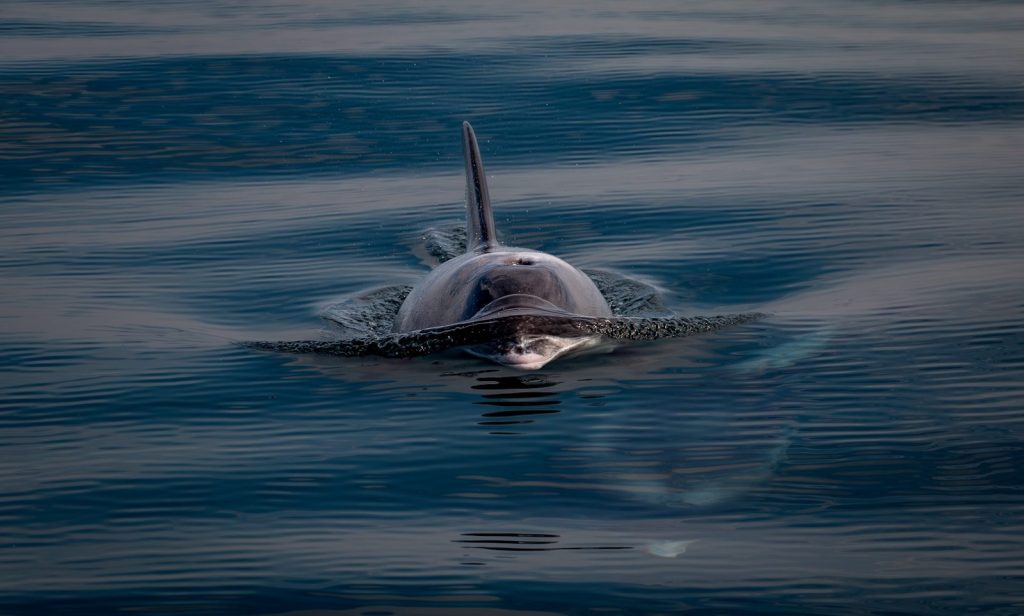
The possible spread of this hunting behavior could also affect communities that rely on shark tourism. Many coastal regions attract visitors who hope to observe great white sharks in their natural habitat.
Researchers emphasize that more data is needed before drawing firm conclusions. Understanding whether solo shark hunting becomes common among orcas will help scientists evaluate the long-term ecological and economic consequences of this remarkable behavior.
Leave a Reply