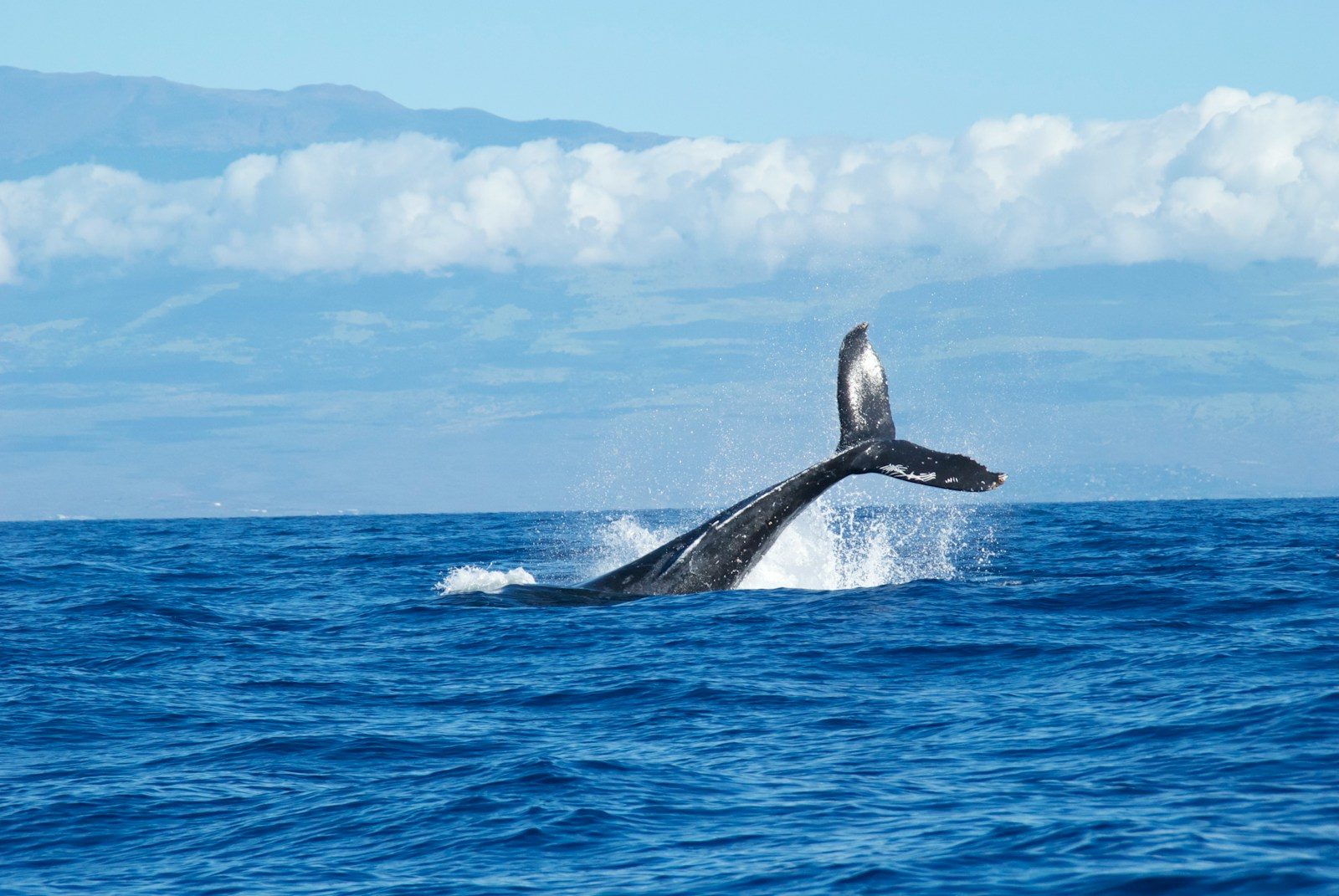
Imagine hauling a massive whale out of the ocean and discovering it has legs. That is exactly what happened in 1919 when whalers caught a 27-ton humpback whale near Vancouver Island. What looked like a sea monster story soon became one of the most fascinating discoveries in whale evolution.
The whale with legs revealed evidence of a distant past when the ancestors of modern whales walked on land. Scientists later studied the unusual animal and found that its strange limbs offered a rare glimpse into millions of years of evolution. This remarkable discovery continues to help researchers understand how land mammals transformed into the giant whales that swim through Earth’s oceans today.
A shocking discovery aboard a whaling vessel
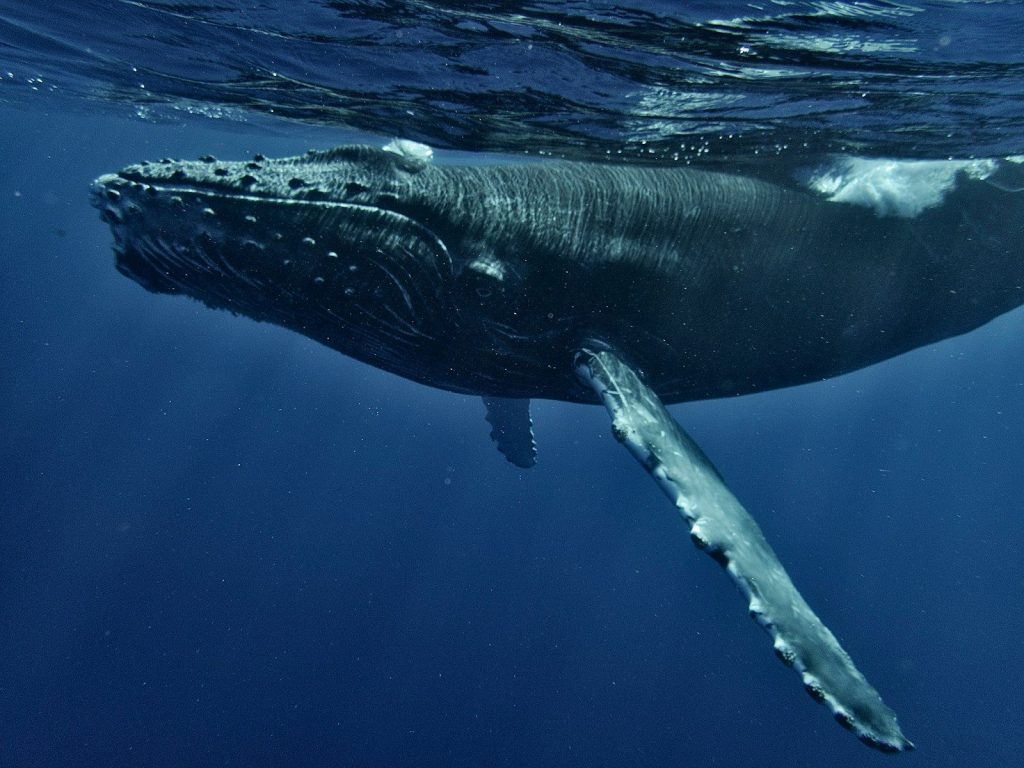
In July 1919, a female humpback whale was captured by a whaling ship operating near Vancouver Island in British Columbia. The whale appeared normal at first, but the crew soon noticed something extraordinary. Two leg-like structures were protruding from the body near the genital opening.
According to reports, the limbs extended about 4 feet 2 inches from the whale’s body and were covered with blubber. One of the limbs was accidentally removed and lost, but the other remained available for scientific study. The unusual find attracted immediate attention because modern whales are not supposed to have external hind legs.
Scientists examined the mysterious limbs

The remains and photographs were sent to zoologist Roy Chapman Andrews at the American Museum of Natural History. Andrews carefully studied the bones and cartilage that made up the strange appendage. His findings were published in 1921 in a paper titled A Remarkable Case of External Hind Limbs in a Humpback Whale.
The structures contained parts that Andrews identified as a femur, a tibia, a tarsus, and a metatarsal. These are bones associated with the hind legs in land animals. Based on the evidence, he concluded that the protrusions were genuine vestigial hind limbs rather than injuries or unusual growths.
Modern whales still carry traces of legs
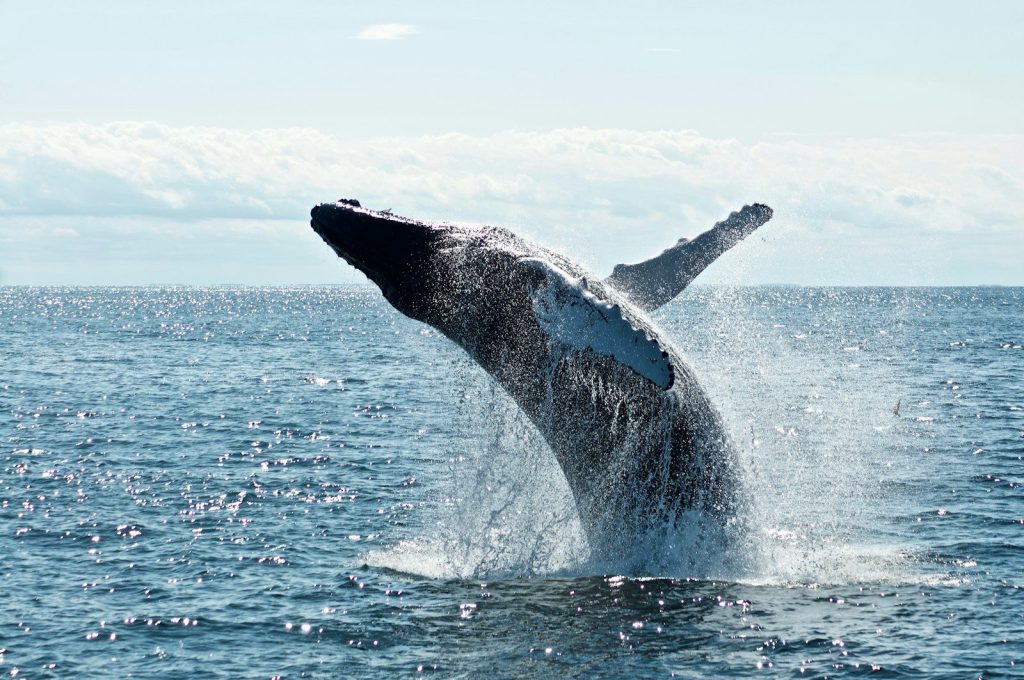
Although whales no longer walk on land, they still retain hidden remnants of their ancestors’ hind limbs. Scientists have long known that modern whales possess small pelvic bones buried inside their bodies. These structures no longer function as legs, but they remain part of the whale’s skeleton.
The 1919 humpback whale was unusual because some of these ancient features developed beyond their normal state. Researchers call this phenomenon an atavism. An atavism occurs when a trait from distant ancestors unexpectedly reappears after remaining hidden for many generations. Similar cases have occasionally been reported in dolphins and other whales.
The discovery supported whale evolution

The whale with legs provided powerful evidence that whales evolved from land-dwelling mammals. Modern research shows that whales descended from four-legged mammals that gradually adapted to life in the water. Over millions of years, their bodies changed dramatically as they became fully aquatic animals.
Fossils discovered around the world reveal different stages of this transition. Early whale relatives had functioning legs and could move on land. Later forms became increasingly adapted to swimming, while their hind limbs shrank and eventually disappeared from the outside of the body. The 1919 whale appeared to briefly reconnect modern whales with that ancient past.
Whale embryos reveal the same hidden history

Evidence of whale ancestry does not come only from fossils. Scientists have found that whale embryos briefly develop hind limb buds during early growth. These structures appear briefly before disappearing as development continues.
Researchers believe the 1919 humpback whale may have experienced an unusual developmental event that allowed those structures to continue growing. This would explain why external hind limbs appeared on an otherwise normal adult whale. The discovery matched what scientists already knew about whale embryos and their evolutionary heritage.
Why the whale with legs still matters today

More than a century after its discovery, the whale with legs remains one of the most famous examples of evolutionary atavism. It offers a rare and dramatic illustration of how ancient genetic information can persist long after a physical feature disappears.
Today, scientists continue studying whale genetics, fossils, and anatomy to better understand how one group of land mammals returned to the sea and eventually produced the largest animals ever known. The strange humpback whale caught in 1919 serves as an unforgettable reminder that evolution leaves clues hidden deep within living creatures.
Leave a Reply