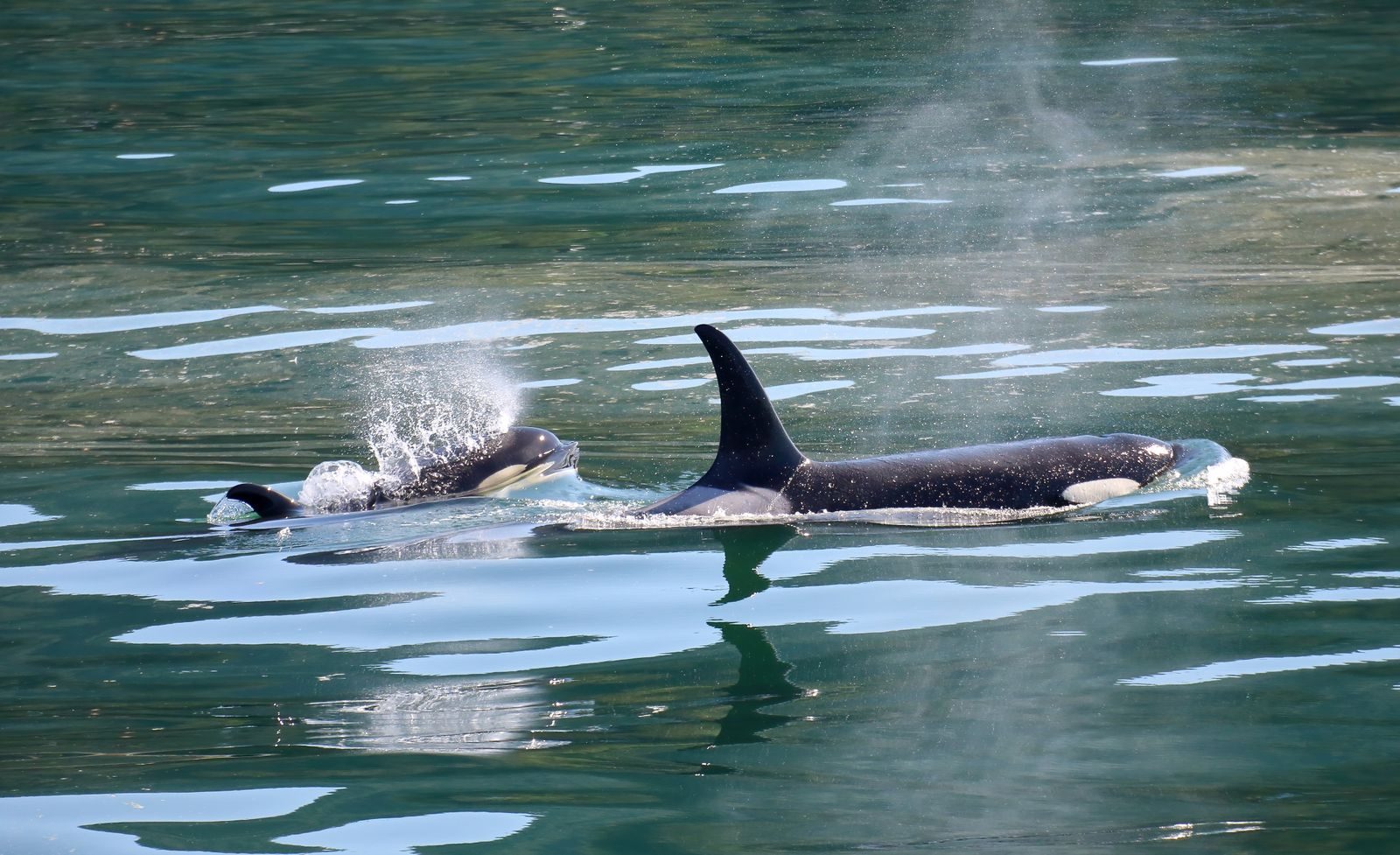
The ocean is full of dangers, but few stories are as surprising as the growing number of yacht encounters with orcas. These giant predators are known for their intelligence, teamwork, and curiosity. In recent years, sailors have reported hundreds of cases where orcas bumped, rammed, or damaged their boats, especially near Spain and Portugal.
Many people wonder why yachts keep losing to these animals and whether the whales are attacking on purpose. This article explains what scientists know about these unusual events, why certain yachts are targeted, and what these encounters reveal about one of the smartest animals on Earth.
The strange rise in orca and yacht encounters
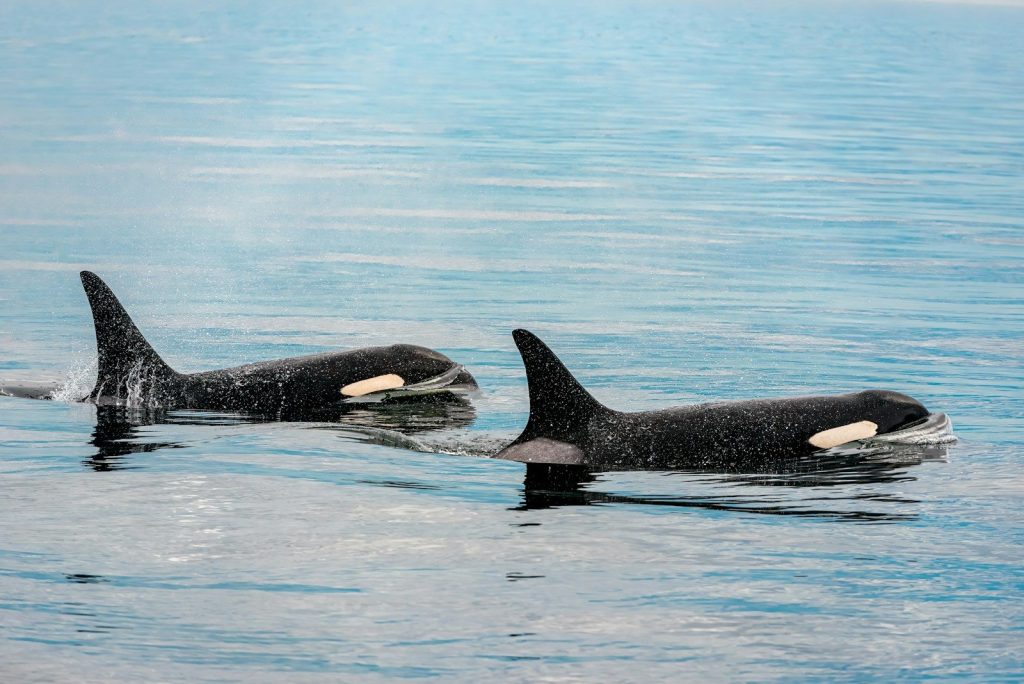
For decades, sailors rarely worried about orcas damaging boats. That changed in 2020 when a small group of orcas near the Iberian Peninsula began interacting with yachts in unusual ways. The whales pushed, nudged, and sometimes bit the rudders of sailboats. Since then, researchers have recorded hundreds of encounters in waters near Spain, Portugal, and the Strait of Gibraltar. A few boats have even sunk after suffering severe damage, though these cases remain uncommon compared with the total number of boats traveling through the area.
Scientists stress that these events are not the same as attacks by predators hunting prey. Orcas have never been known to hunt humans in the wild, and no person has been seriously hurt during these yacht encounters. Researchers believe the behavior is limited mainly to a small, critically endangered population of Iberian orcas. While the behavior has become famous around the world, experts say it is still a rare event for most sailors.
Why orcas are considered the ocean’s smartest predators
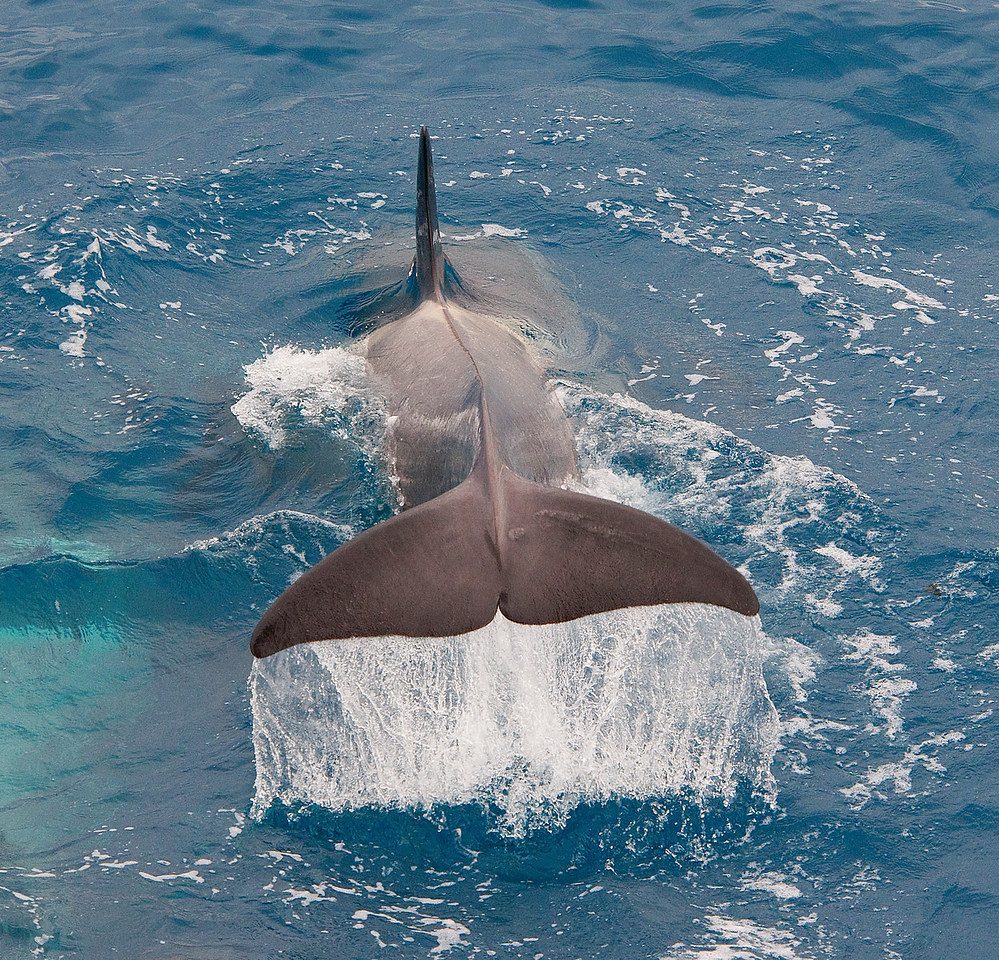
Orcas are often called killer whales, but they are actually the largest members of the dolphin family. They live in close family groups called pods and are famous for their ability to communicate, cooperate, and teach each other new skills. Different groups of orcas even have their own hunting methods and vocal calls, showing signs of culture that are passed from one generation to another. Their brains are among the largest in the animal kingdom, helping them solve problems and adapt quickly.
Their intelligence is one reason these yacht encounters have captured so much attention. Orcas can learn from each other and copy behaviors that seem useful or exciting. Scientists have seen them create temporary trends, sometimes called animal fads, where one behavior spreads through a pod and then disappears years later. This ability to share new ideas may explain why several whales in the Iberian population now interact with boats in similar ways instead of acting alone.
The rudder is the part that orcas target most
One of the biggest mysteries at first was why the whales kept damaging the same part of boats. Reports from sailors and inspections of damaged vessels show that orcas usually focus on the rudder. They push it with their heads, bite it, or ram it repeatedly until steering becomes difficult or impossible. In some cases, the rudder has been bent, cracked, or torn away from the yacht.
Researchers think this focus on rudders is not random. The rudder moves underwater and creates vibrations that may attract curious whales. Orcas are highly sensitive to movement and sound, so the swinging motion of a rudder could appear interesting or playful. Another idea is that the whales understand that disabling the rudder stops the boat from moving normally, much like predators target the weak points of prey. Even so, scientists do not have enough evidence to say exactly why the whales behave this way, and several theories are still being studied.
Scientists do not believe the whales want revenge

When news of these encounters spread online, many stories claimed the orcas were getting revenge against humans. Some reports suggested a whale had been injured by a boat and then taught others to fight back. While this idea is dramatic, scientists say there is little proof that revenge explains the behavior. Most experts believe the whales are acting out of curiosity, playfulness, or social learning rather than anger.
A large scientific review found that young orcas may have started the trend simply because they were curious and had more free time between hunts. Other whales then copied the behavior, turning it into a shared activity. This would not be unusual for orcas because they are social animals that learn from each other throughout their lives. Researchers compare the behavior to trends seen in humans, where a new habit becomes popular for a while before fading away. That does not make the behavior harmless, but it does mean the whales are probably not trying to wage war on sailors.
Why are sailing yachts more vulnerable
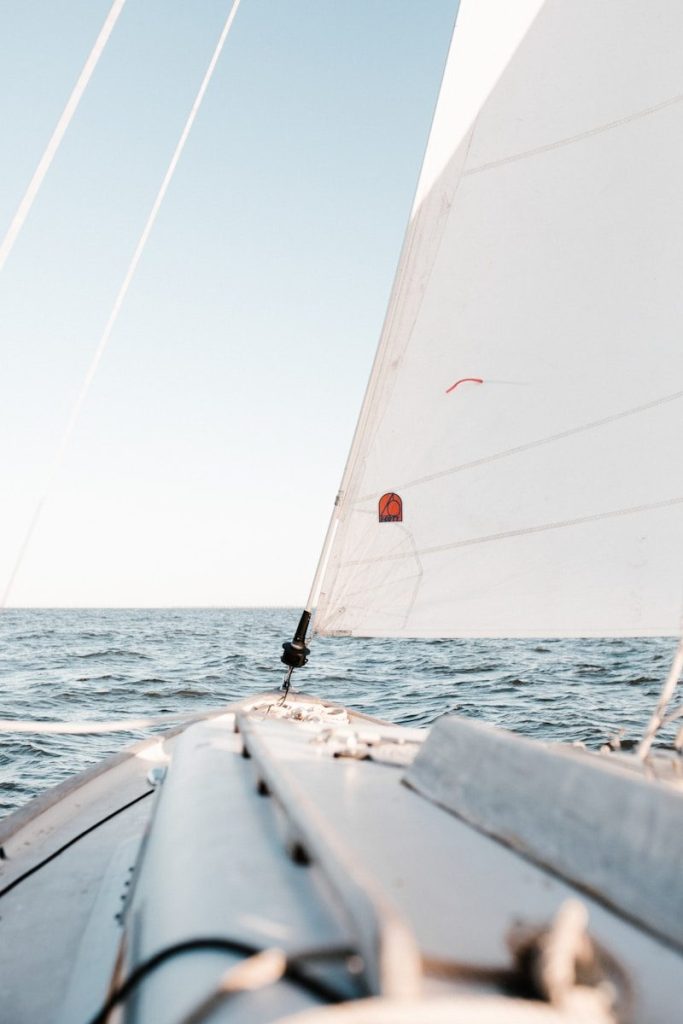
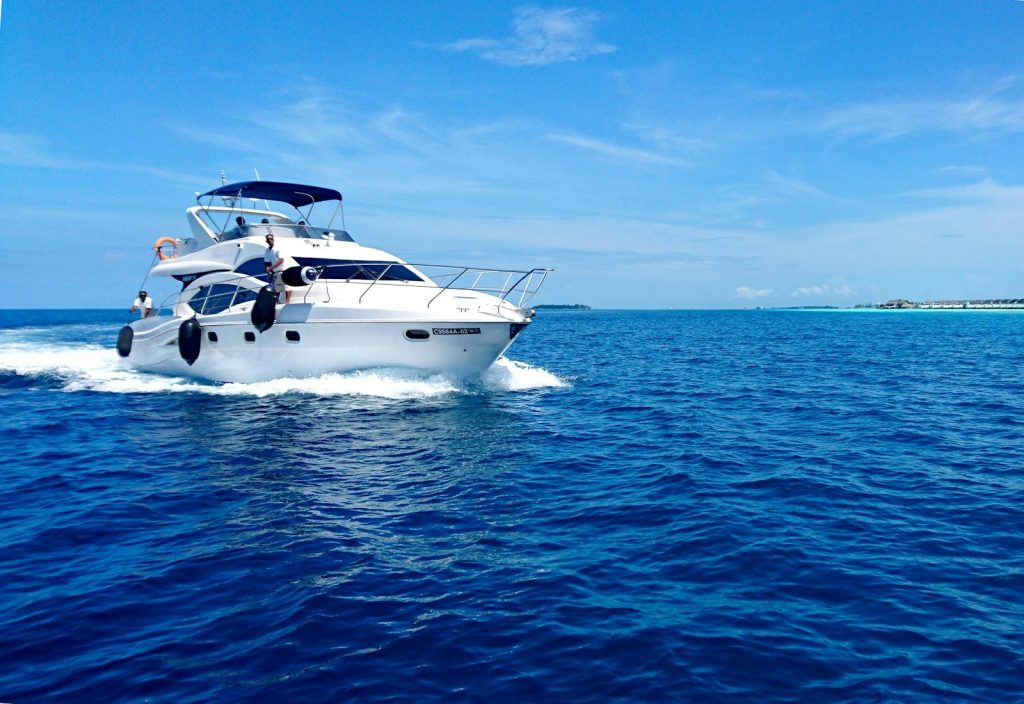
Not all boats face the same risk. Studies show that sailing yachts are involved in the vast majority of these encounters. Researchers have found that more than ninety percent of recorded interactions involve sailboats rather than large ships or fast motorboats. Most of the targeted vessels are medium-sized boats moving at moderate speeds with large, exposed rudders.
There are several reasons for this pattern. Sailing yachts are quieter than large ships, making it easier for orcas to approach them. Their rudders are also more accessible and move more freely in the water. Fast vessels may simply pass through an area before the whales become interested. Water depth and boat speed also appear to play a role, with many encounters happening in coastal waters where the orcas spend time following schools of bluefin tuna, their favorite prey. This combination of factors means certain yachts accidentally become perfect targets for curious whales.
What these encounters mean for the future
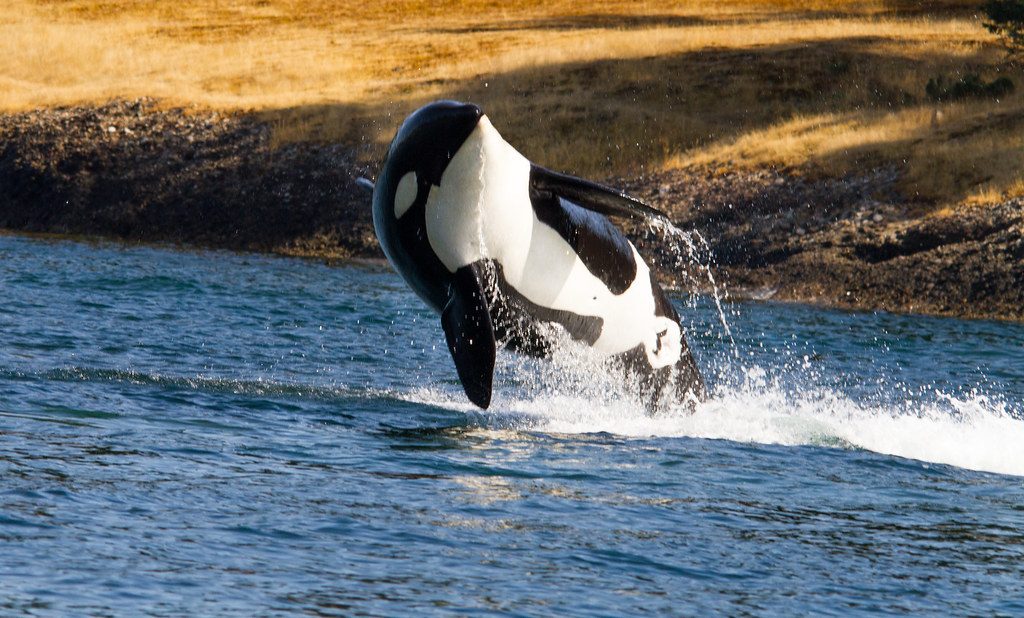
The strange relationship between orcas and yachts has forced scientists and sailors to rethink how humans share the ocean with intelligent animals. Researchers continue to monitor the whales, track encounters, and search for safe ways to reduce damage without harming the animals. Conservation groups remind people that the Iberian orca population is very small and faces many threats, including pollution, declining habitat quality, and changes in fish populations.
At the same time, sailors are learning how to travel more safely through areas where orcas are present. Authorities provide maps showing recent whale activity and recommend slowing down or avoiding certain routes during periods of high activity. The goal is not to punish the whales or remove them from their habitat. Instead, experts hope humans can adapt their behavior while learning more about these remarkable animals. The story of yachts and orcas is still unfolding, and every new encounter helps scientists understand how intelligence shapes life in the sea.
Leave a Reply