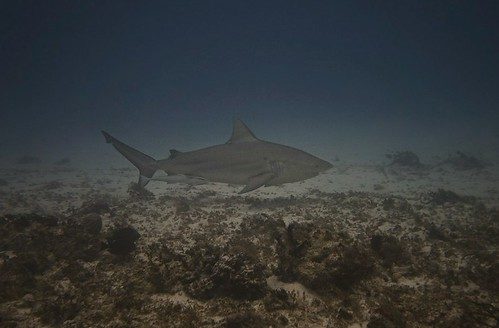
Have you ever heard a story about sharks hunting deep inside forests and wondered if it could really be true? The answer is both surprising and fascinating. While sharks do not roam through dry woods or chase animals between trees, some species are known to swim into flooded forests and river systems when conditions are right.
The main reason sharks are hunting near forests is tied to food, safety, and their amazing ability to survive in freshwater. In this article, you will learn which sharks do this, why flooded forests become hunting grounds, and how these unusual habitats help sharks thrive in places most people never expect.
Bull sharks are the main sharks behind these stories
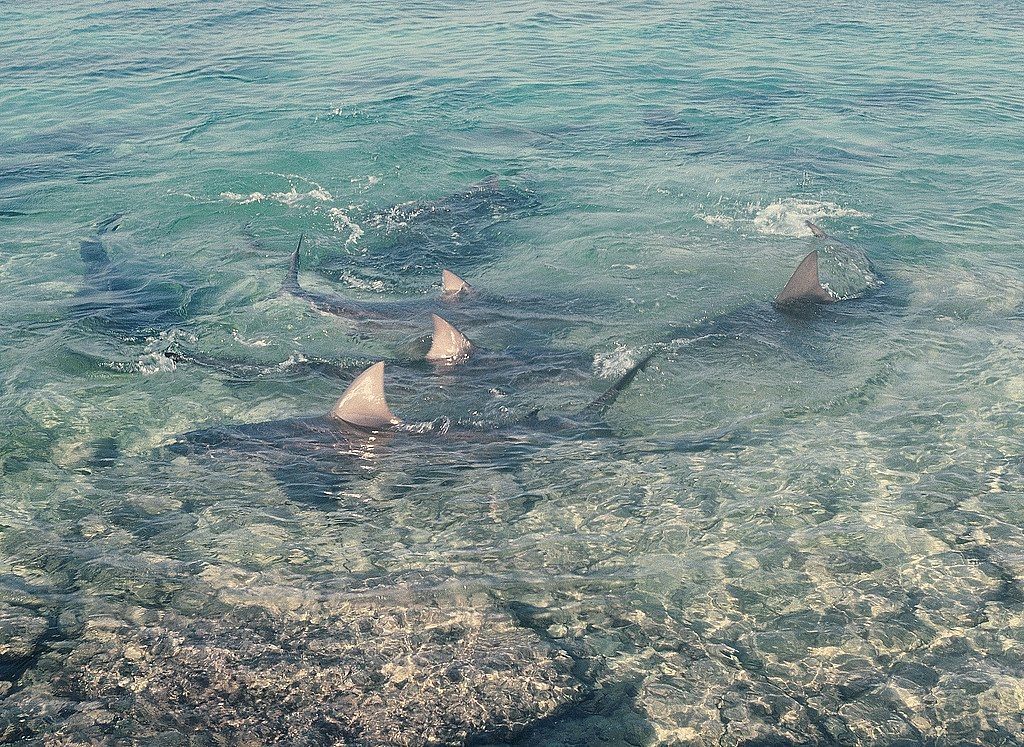
When people hear about sharks hunting near forests, the species involved is usually the bull shark. This powerful shark is famous for its rare ability to live in both saltwater and freshwater. Unlike most sharks, bull sharks can travel far inland through rivers and spend long periods away from the ocean. Scientists have recorded bull sharks in rivers such as the Mississippi River in the United States and the Amazon River in South America. Their bodies are specially built to control salt levels, allowing them to move between oceans, rivers, and estuaries with ease.
This unusual skill has led to many surprising sightings over the years. Bull sharks have been seen swimming through flooded streets during major storms and moving into river systems surrounded by dense forests. However, these sharks are not hunting on land or living permanently inside forests. Instead, they are using waterways that pass through forested areas. Their presence may seem shocking, but it is a natural part of their behavior and one of the reasons they are considered among the most adaptable sharks in the world.
Flooded forests create rich hunting grounds
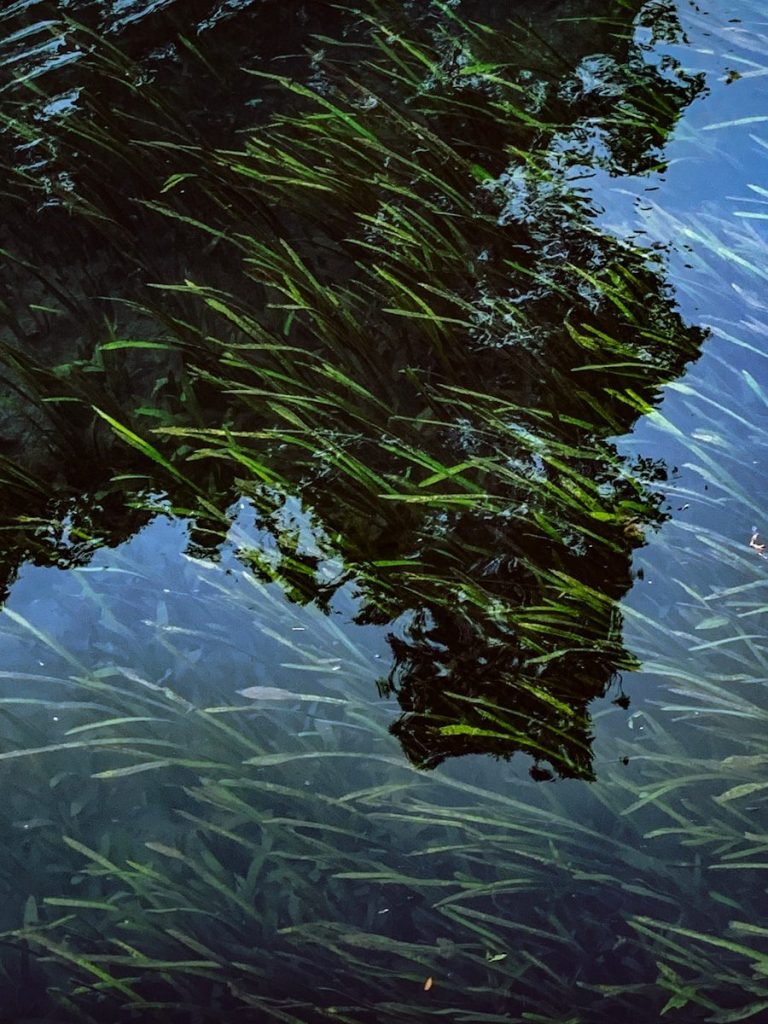
The surprising reason sharks hunt near forests is that flooded forests become temporary feeding zones packed with prey. During heavy rains, rivers overflow and spread into nearby woods. Fish, crabs, shrimp, and other small animals move into these flooded areas to feed or hide. For sharks that can tolerate freshwater, this creates an easy opportunity to hunt where food is abundant.
Bull sharks are especially good at taking advantage of these conditions. Floodwaters are often murky, which gives the sharks an advantage because they rely on more than just eyesight when hunting. They can detect movement and tiny electrical signals produced by other animals. As prey gathers in flooded areas, sharks can quietly move through shallow water and hunt efficiently. Scientists believe these rich feeding grounds are one of the main reasons bull sharks travel into rivers and forested wetlands during certain times of the year.
Freshwater gives young sharks a safer home
Food is not the only reason sharks enter rivers near forests. Safety is another important factor. Young bull sharks are often found in freshwater habitats because these places have fewer large predators than the open ocean. River systems and forested wetlands act as natural nurseries where baby sharks can grow while facing fewer threats.
Researchers have discovered that young bull sharks spend several years in freshwater or brackish water before moving into the sea. The shallow waters provide protection from larger sharks that might prey on them in the ocean. This strategy helps increase their chances of survival during the most vulnerable years of their lives. The connection between sharks and forested rivers is therefore not just about hunting. It is also about raising the next generation in a safer environment.
The Amazon River has fueled many shark legends
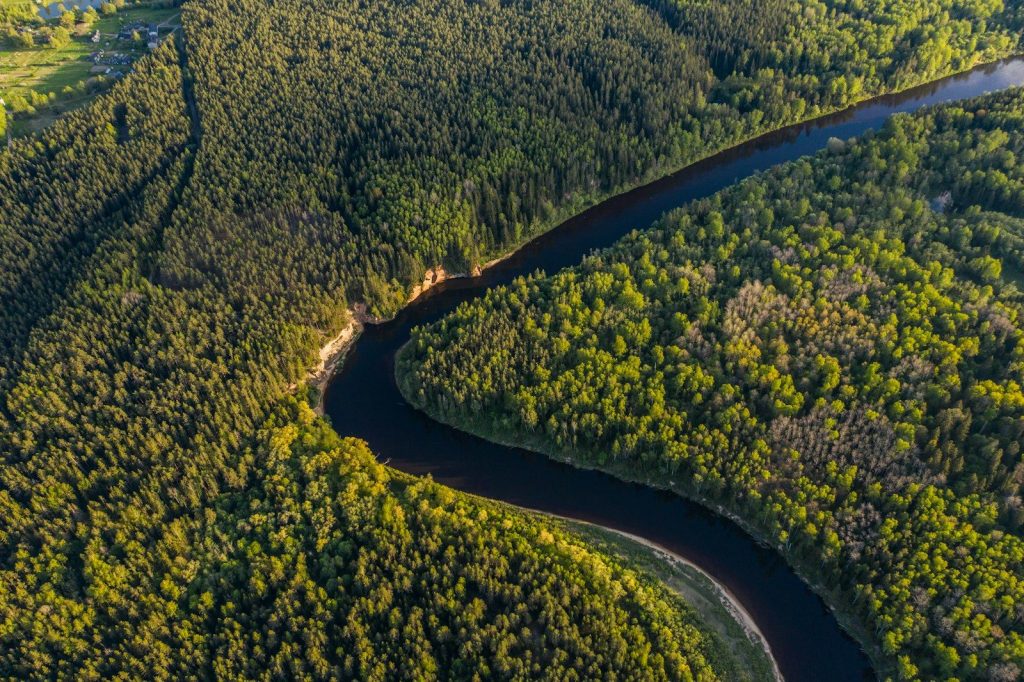
Stories about sharks deep in forests are often linked to the Amazon River. This giant river flows through one of the world’s largest rainforests and experiences dramatic seasonal flooding. During the wet season, vast areas of forest become covered by water. Trees may stand in several feet of water, creating an underwater forest filled with fish and other animals.
Bull sharks are among the few shark species capable of entering the Amazon system. Their presence has inspired many legends and exaggerated stories about sharks roaming freely through jungles. In reality, these sharks remain in waterways and flooded areas connected to the river. They do not crawl onto land or chase animals through dry forests. Still, the image of a shark swimming between submerged trees is real enough to capture people’s imagination and explains why these stories continue to spread around the world.
Heavy rains can bring sharks closer to forests
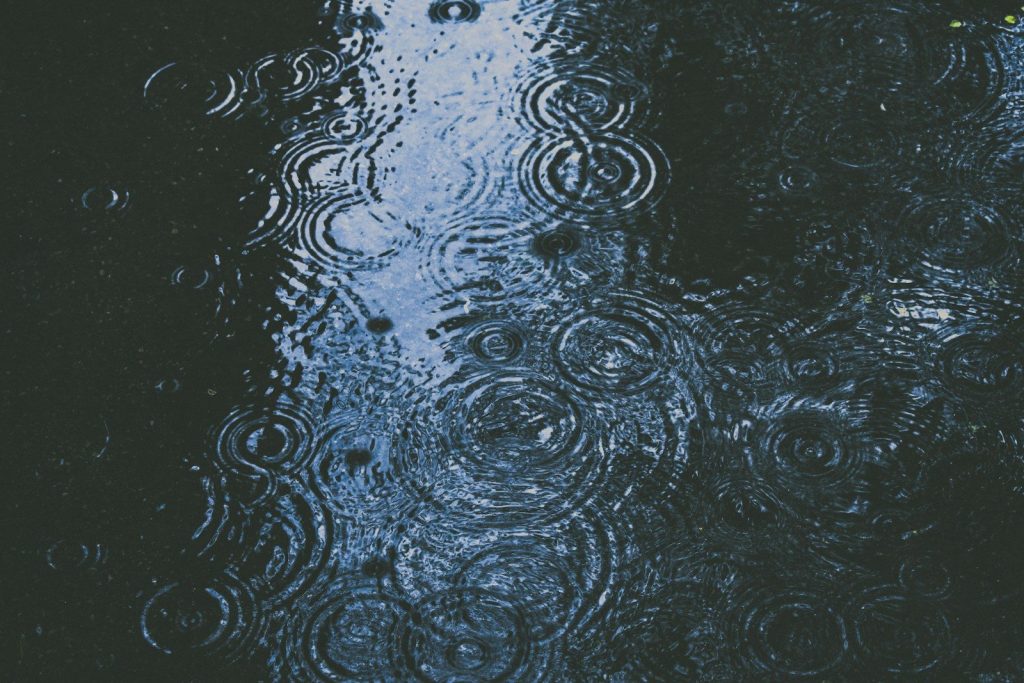
Weather plays a major role in determining where sharks go. After periods of heavy rain, rivers swell and carry nutrients, fish, and other animals downstream. This sudden increase in food can attract bull sharks to river mouths, estuaries, and flooded areas near forests. Scientists have observed that bull shark activity often increases after major rainfall events because these conditions create ideal feeding opportunities.
Floods can also change the shape of waterways for short periods of time. Temporary channels may connect rivers to wetlands and forested areas that are normally dry. Sharks following prey can move into these places and later return to larger rivers or the ocean as water levels fall. These movements are natural responses to changing environments. Although they may seem unusual to humans, they show just how flexible and adaptable bull sharks can be.
Sharks are not invading forests the way people imagine
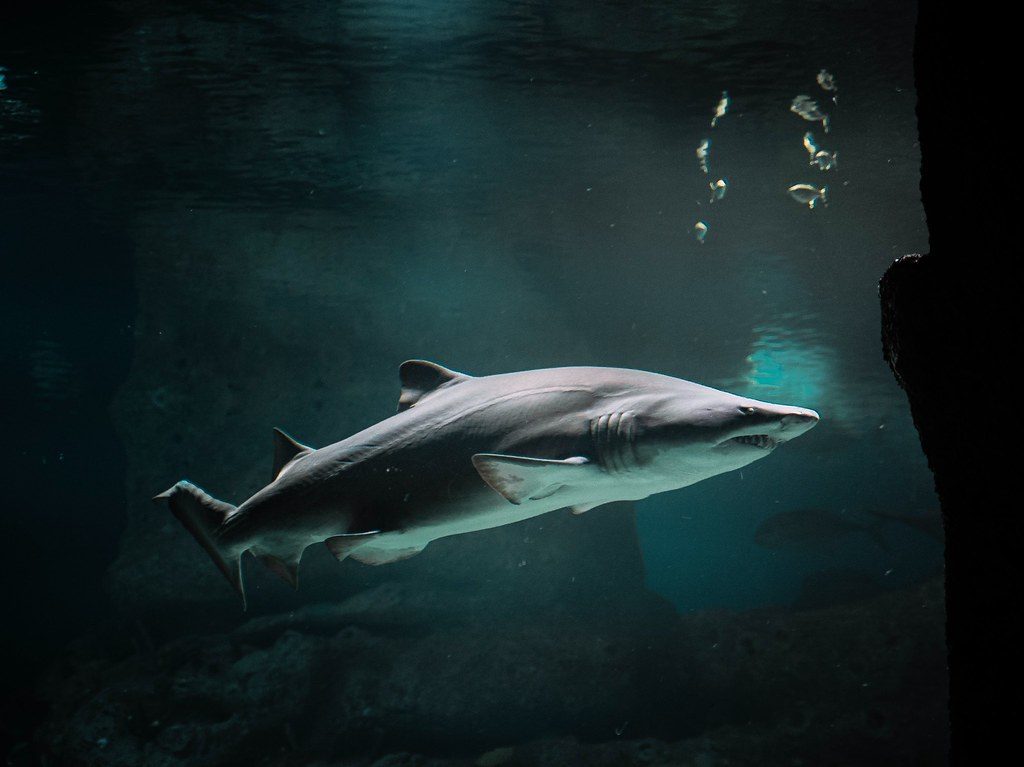
Despite dramatic headlines, sharks are not hunting deep inside dry forests or becoming land predators. Their bodies are designed for life in water. They breathe through gills and rely on water to support their weight and movement. Even the bull shark, with all its amazing abilities, cannot survive outside water for long periods.
What is really happening is just as fascinating. Sharks are using flooded forests, rivers, and wetlands as temporary habitats where they can find food or protect their young. These environments become extensions of the river during rainy seasons, allowing sharks to explore places that are usually off-limits. Understanding this difference is important because it helps separate exciting facts from myths. The real story is not about sharks taking over forests. It is about how nature creates surprising connections between oceans, rivers, and trees.
Leave a Reply