
What happens if you punch a massive tiger shark? Movies often make it seem like one quick hit will scare the animal away, but real life is far more complicated. A tiger shark is one of the ocean’s largest predators, built with incredible strength, sharp senses, and powerful jaws. In some rare cases, people have struck sharks and escaped. In others, the punch had little effect or only created a short moment to get away.
Understanding the surprising outcome of punching a tiger shark means looking at shark behavior, how these animals react to threats, and what experts know from real encounters. This article explains the facts so you can separate myths from reality and better understand one of the ocean’s most fascinating animals.
Why tiger sharks are such powerful predators

Tiger sharks are among the largest sharks in the world. Adult females can grow longer than 16 feet, while many adults measure between 10 and 14 feet. Their bodies are thick and muscular, allowing them to swim efficiently through tropical and warm oceans. They earned their name from the dark stripes running along their sides, though these markings fade as they age. Tiger sharks are mostly solitary hunters and are especially active at night when they search for food using a mix of smell, vision, and their ability to detect electrical signals produced by living animals.
Their reputation as fierce predators comes from their varied diet. Tiger sharks eat fish, sea turtles, rays, sea birds, dolphins, smaller sharks, and many other animals. They are curious and often investigate unfamiliar objects by biting them. This behavior is important because it explains why some encounters with humans happen. A tiger shark is not naturally hunting people, but its curiosity and powerful bite mean even a single bite can cause severe injuries.
What happens when someone punches a tiger shark

The surprising truth is that punching a tiger shark is not a guaranteed defense. A punch may startle the animal for a moment, especially if it strikes a sensitive area like the nose, eyes, or gills. However, tiger sharks are large, muscular animals that regularly attack prey much stronger than humans. Their bodies are designed to withstand violent struggles, so a human punch usually does not cause serious pain or injury to the shark.
In real-life encounters, the punch is often less important than the overall reaction of the person. Staying calm, facing the shark, and slowly moving toward safety are usually more effective than wildly swinging arms or kicking. If physical contact becomes unavoidable, targeting the shark’s eyes or gills may create a brief chance to escape. Even then, there is no guarantee the shark will retreat. Sometimes it may back away, while other times it may remain curious or defensive.
Why sharks sometimes swim away after being hit

Many people assume sharks flee because they are frightened by the punch itself. In reality, the shark may leave for several different reasons. The animal might simply decide the person is not worth investigating anymore. It may be startled by the sudden resistance or confused by the unusual behavior. In some cases, the shark was already planning to swim away because its bite was exploratory rather than predatory.
Tiger sharks are intelligent and curious animals. They constantly assess risks and opportunities in their environment. If a shark receives resistance, it may decide the encounter is too risky or not worth the effort. This does not mean humans are stronger than sharks. Instead, it shows that sharks are careful predators that often avoid unnecessary danger. Their goal is survival, and an injury could make hunting difficult in the future.
Punching a shark can make things worse
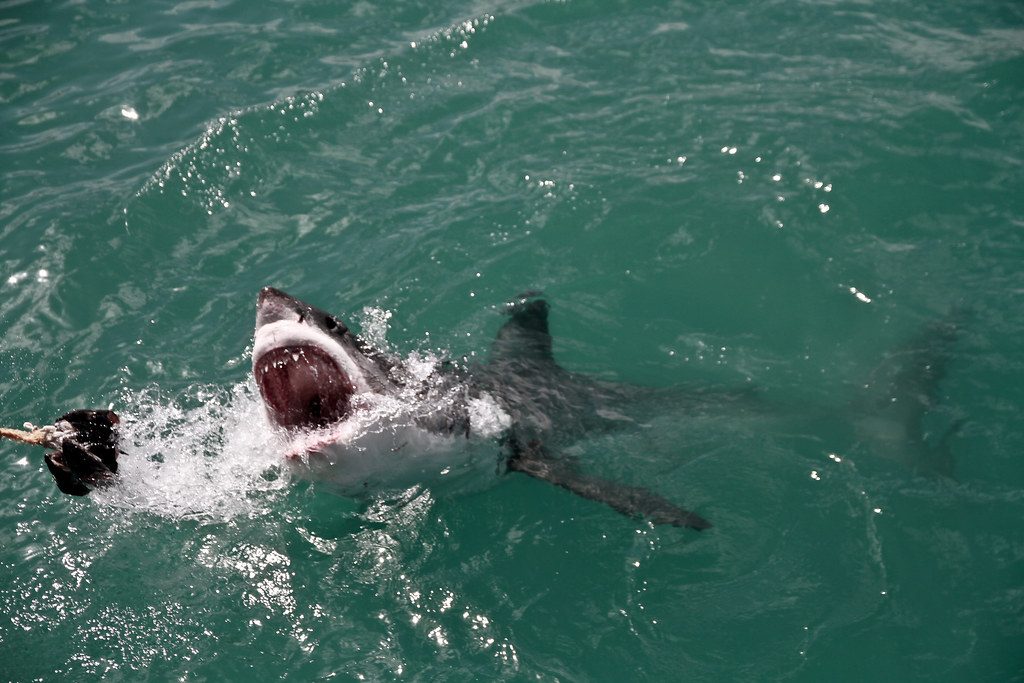
There are situations where striking a tiger shark may increase the danger. If the shark feels threatened or cornered, it may respond defensively. Researchers now recognize that some shark bites occur because the animal is reacting to human actions rather than trying to eat someone. A shark that is touched, grabbed, trapped, or harassed may bite as a defensive response, just as many wild animals do.
This is why experts warn people not to chase, touch, or attempt to ride sharks. Social media videos sometimes create the false impression that these animals enjoy close contact with humans. In reality, sharks remain wild predators with unpredictable behavior. Punching a tiger shark that is merely swimming nearby could provoke an unnecessary confrontation. The best approach is always to maintain distance and avoid actions that may appear threatening to the animal.
The myths movies have created about shark encounters

Movies and television have played a huge role in shaping how people think about sharks. Many films show a hero punching a shark once and instantly escaping unharmed. While these scenes create excitement, they rarely match reality. Sharks are not villains waiting to attack humans, and they are not easily defeated by a single blow.
The truth is much more interesting. Shark attacks are extremely rare compared with the millions of people who swim, surf, and dive every year. Only a handful of shark species are responsible for most serious attacks, and tiger sharks are one of them because of their size and feeding habits. Even so, humans are not part of their normal diet. Most encounters end without injury, and many bites involve a single strike followed by the shark swimming away after realizing the human is not prey.
What experts recommend during a tiger shark encounter

Marine experts generally agree that prevention is the best defense. Swimmers should avoid areas where sharks are feeding, stay out of the water at dawn or dusk when visibility is poor, and avoid swimming near schools of fish or fishing activity. These simple precautions greatly reduce the chance of an encounter with a tiger shark.
If a tiger shark approaches, experts recommend staying calm and facing the animal. Sudden splashing can mimic distressed prey and attract more attention. Slowly back away while keeping the shark in sight. If the shark becomes aggressive and physical contact cannot be avoided, defend yourself by targeting sensitive areas such as the eyes or gills. A punch may provide a brief opportunity to escape, but it should be viewed as a last resort rather than a reliable strategy.
Why understanding sharks matters more than fearing them

The surprising outcome of punching a tiger shark is not that humans can overpower one of the ocean’s greatest predators. Instead, the real lesson is that shark behavior is far more complex than most people realize. These animals are curious, cautious, and highly adapted hunters that rarely interact with humans. When encounters do occur, the shark’s reaction depends on many factors, including curiosity, fear, hunger, and the behavior of the person involved.
Learning about tiger sharks helps replace fear with respect. They play a vital role in keeping ocean ecosystems healthy by controlling prey populations and maintaining balance in marine food webs. Sadly, tiger sharks face threats from overfishing, accidental capture, and the shark fin trade. Understanding their behavior allows people to make safer choices in the water while also appreciating why these remarkable animals deserve protection.
Leave a Reply