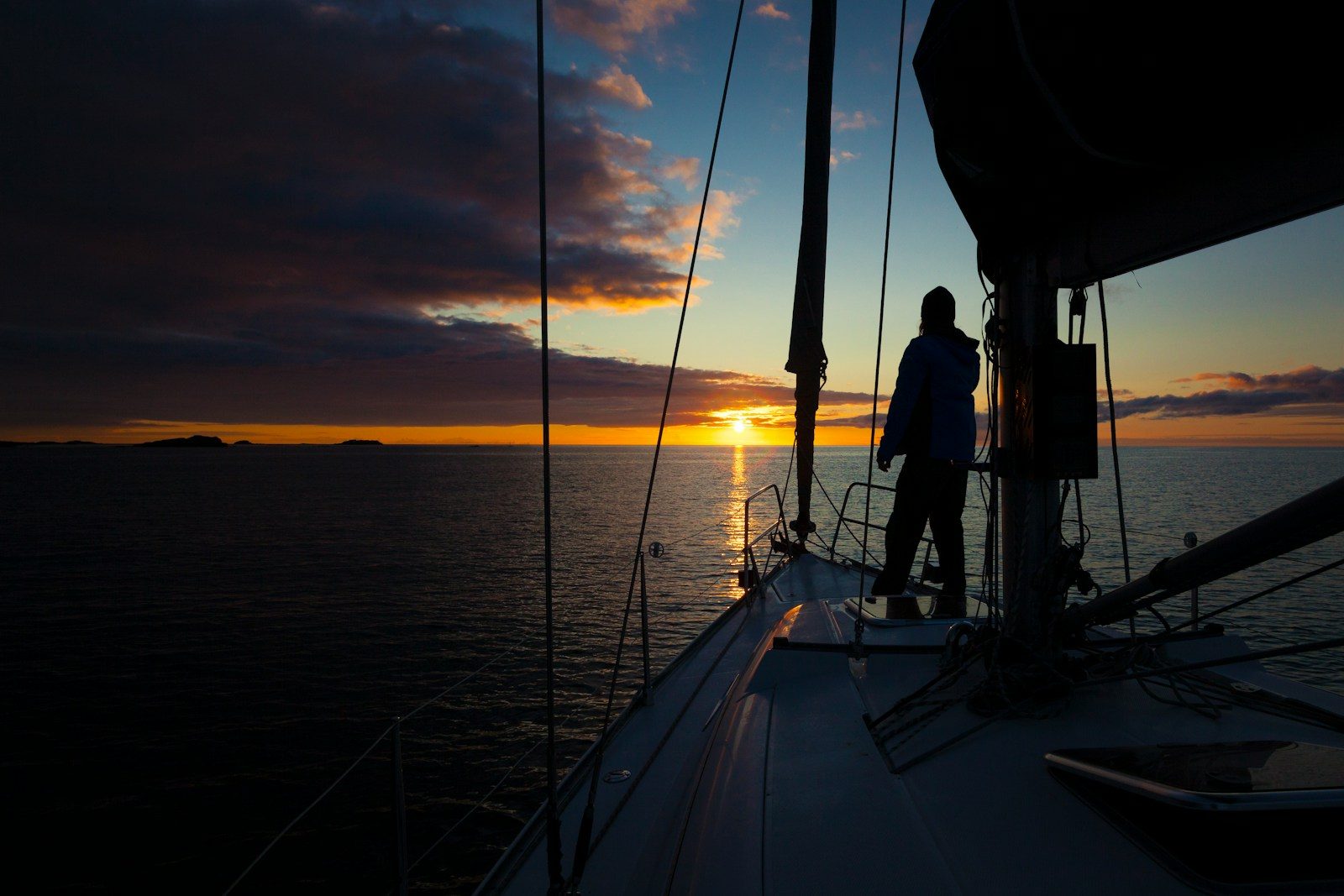
Imagine sailing peacefully when a group of giant predators suddenly surrounds your boat and begins smashing into one of its most important parts. That frightening scene has become a real concern for some sailors in recent years. Reports of orcas snapping off boat rudders have shocked people around the world and raised many questions about why these intelligent animals are behaving this way.
While the encounters can be scary and expensive, scientists stress that the whales are not targeting humans. In this article, you’ll learn where these incidents are happening, how the orcas damage boats, what experts believe is causing the behavior, and what sailors can do to stay safe.
Where the strange encounters are happening

Most of the reported incidents have happened near the Iberian Peninsula, especially in waters off Spain, Portugal, and the Strait of Gibraltar. This behavior first gained attention in 2020 when sailors began reporting that orcas were approaching their boats and repeatedly striking the rudder. Over time, the number of encounters grew. Researchers have recorded hundreds of interactions, with sailboats being the most common targets. The animals usually focus on slow-moving boats that are around 40 feet long, although smaller and larger vessels have also been affected.
The whales involved belong to a small and critically endangered group known as Iberian orcas. Scientists estimate there are only a few dozen individuals in this population. They spend much of the year following Atlantic bluefin tuna, their main food source, through waters near Spain and Portugal. Because this group is so small, researchers have been able to identify many of the whales involved in the encounters. Studies show that only a limited number of orcas are responsible for most of the interactions, and the behavior appears to have spread socially among them.
How orcas manage to snap off a rudder
The rudder is one of the most important parts of a boat because it controls the direction of travel. When sailors lose their rudder, steering becomes extremely difficult or even impossible. In many encounters, the orcas head straight for this part of the vessel. They often approach from behind, ram the rudder with their heads, bite it, or shake it with their powerful jaws until it breaks or comes loose.
Orcas are among the smartest animals on Earth, and their size makes them incredibly strong. Adult males can grow longer than 25 feet and weigh several tons. Their muscular bodies allow them to generate tremendous force in the water. Some sailors have reported hearing loud cracks as the rudder snapped under repeated impacts. Others have watched the whales grab broken pieces in their mouths and swim away. Researchers studying damaged vessels have found deep tooth marks and severe structural damage concentrated around the rudder, showing just how precisely the whales target this part of the boat.
Scientists are still debating the reason

One of the biggest mysteries is why these orcas are doing this at all. Scientists have proposed several ideas, but there is no single answer that everyone agrees on. One theory suggests the behavior began after a negative experience involving a boat. According to this idea, one whale may have been injured or frightened by a vessel and started reacting aggressively toward rudders. Younger orcas, which learn behaviors from one another, may then have copied the actions.
Another possibility is that the encounters are a form of play. Orcas are highly curious animals and are known for creating unusual trends within their social groups. In the past, some pods developed temporary habits such as carrying dead fish on their heads or playing with floating objects. Researchers say interacting with a moving rudder may provide stimulation similar to chasing prey. The rudder moves through the water, changes direction, and creates vibrations, all of which could make it especially interesting to an intelligent and playful animal. Even if the behavior is playful, however, the damage it causes can be very serious.
Sailors describe terrifying moments at sea
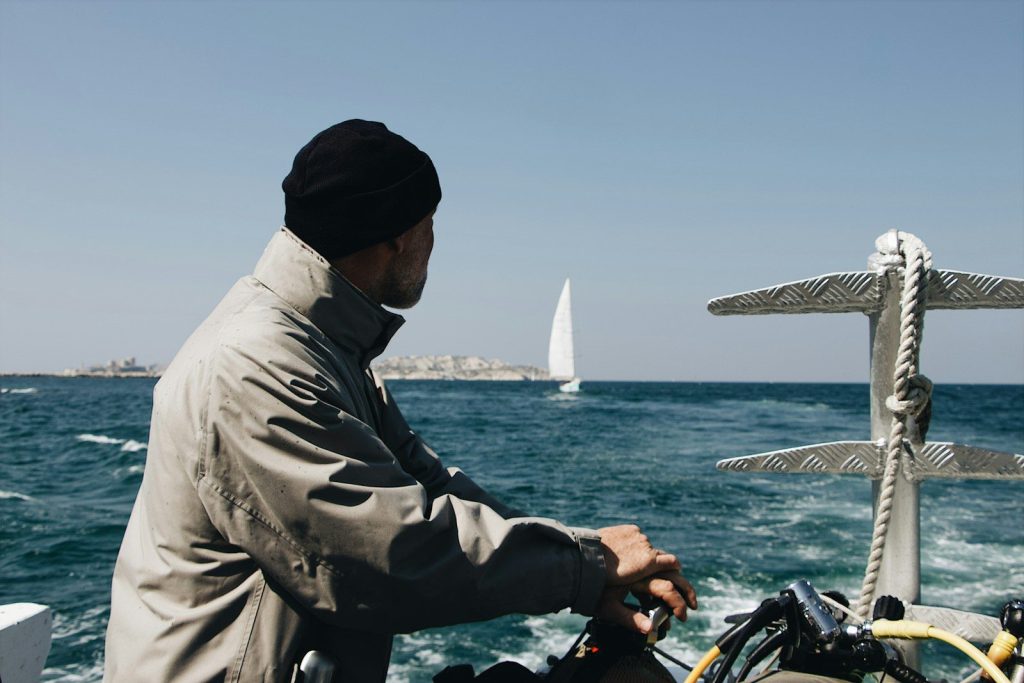
For the people on board, these encounters are often frightening and unforgettable. Sailors frequently describe hearing loud bangs beneath the hull before realizing that several large orcas are circling their boat. In some cases, the whales continue striking the rudder for several minutes. In others, the interaction lasts nearly an hour. The boat may suddenly lose steering, begin drifting, or start taking on water if the damage becomes severe.
One of the most widely discussed incidents involved a catamaran near Gibraltar whose rudder was ripped off by an orca. Video footage later showed one of the whales carrying the detached rudder in its mouth. In other cases, boats have sunk after suffering extensive damage. Even so, experts point out an important fact: no person has been killed or seriously injured by wild orcas during these incidents. The whales appear interested in the boat itself, especially the rudder, rather than the people aboard. Rescue teams have successfully evacuated crews when necessary, and most sailors escape unharmed.
Why humans are not the target
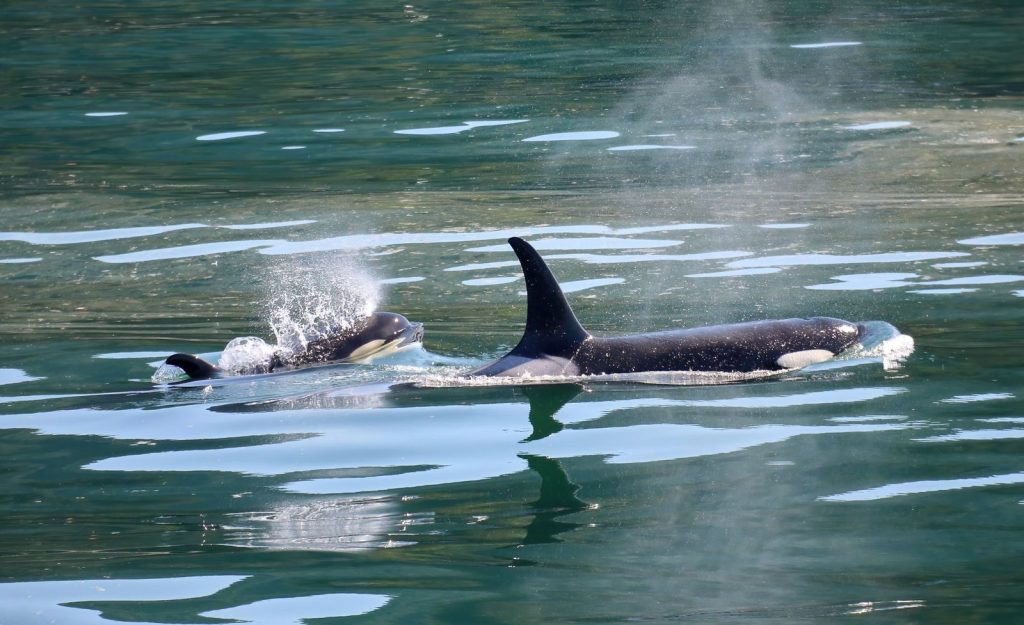
The dramatic nature of these encounters has led some people to believe the orcas are attacking humans or seeking revenge. Scientists strongly disagree with these claims. Wild orcas have an extremely rare history of aggression toward people, and there are no confirmed records of a wild orca intentionally killing a human. Their behavior in these boat encounters is very different from predatory attacks seen in other marine animals.
Researchers who examine the damaged vessels notice a clear pattern. The whales usually ignore other parts of the boat and focus almost entirely on the rudder. They do not try to climb onto the vessel or chase people who enter rescue rafts. This suggests the goal is not to harm humans. Some experts compare the behavior to a child repeatedly pressing buttons on a machine just to see what happens. The orcas may simply be fascinated by the movement and feel of the rudder, even though the consequences for sailors can be costly and dangerous.
The media has sometimes exaggerated these stories by portraying the whales as angry or rebellious. While such headlines attract attention, scientists warn that they can create fear and misunderstanding. The Iberian orca population is already endangered, facing threats such as reduced prey, pollution, and accidental entanglement in fishing gear. Researchers want the public to understand that these whales remain an important part of the ocean ecosystem and deserve protection despite the unusual behavior.
What sailors are doing to stay safe
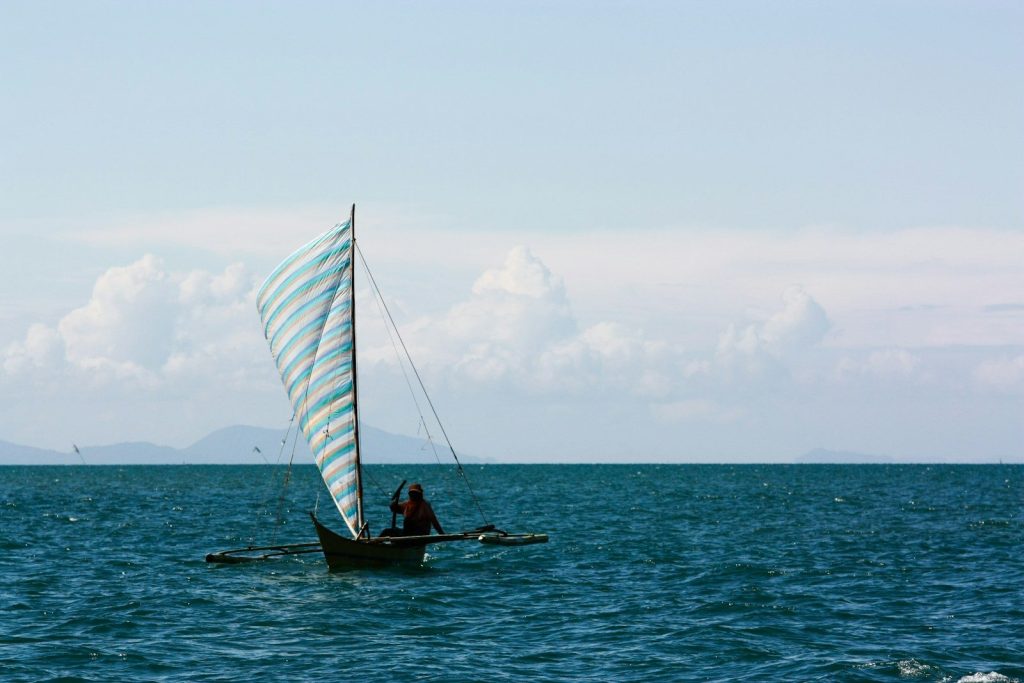
As encounters increased, sailors and marine authorities began looking for ways to reduce the risk of damage. Experts now advise boaters traveling through known orca areas to stay informed about recent sightings and follow local safety recommendations. Some sailors avoid certain routes during peak seasons, while others travel during daylight hours when whale locations are easier to monitor.
If an interaction begins, many authorities recommend reducing speed and avoiding sudden maneuvers. Trying to outrun the whales or aggressively steer away may increase the amount of contact. Sailors are often told to remain calm, keep their hands inside the vessel, and notify rescue services if steering is lost. Researchers continue studying the encounters in hopes of finding better ways to prevent damage while keeping both humans and whales safe. The challenge is complicated because the whales are intelligent and their behavior can change over time. For now, caution and awareness remain the best tools for anyone sailing in these waters.
Why the mystery is far from solved
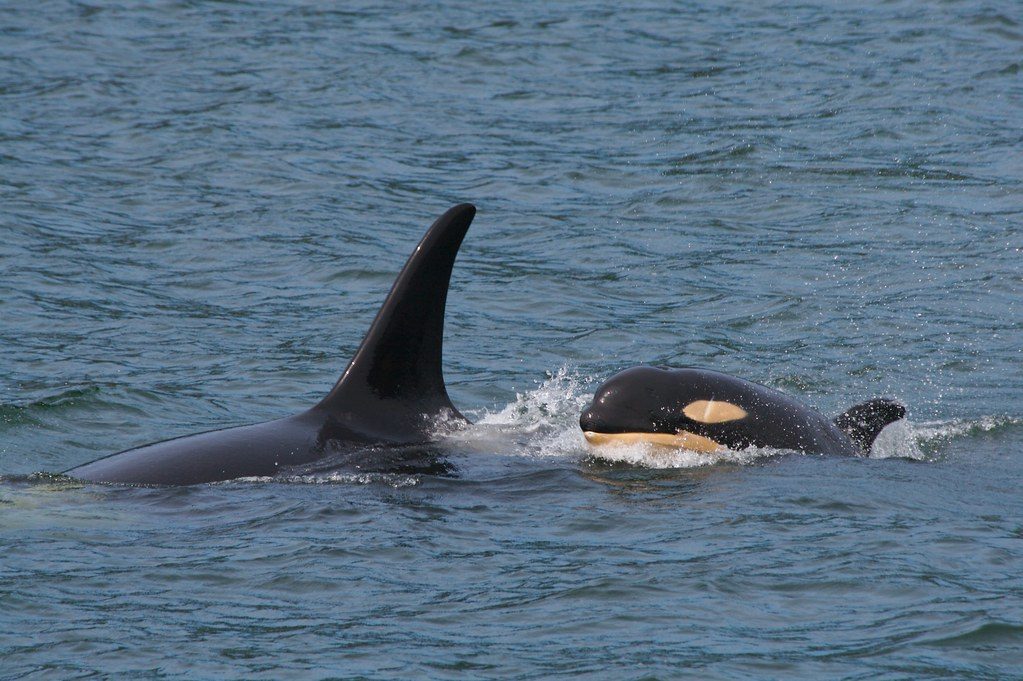
The story of orcas snapping off boat rudders remains one of the strangest wildlife mysteries of recent years. Scientists know that a small group of Iberian orcas is responsible for most of the encounters, and they know the whales are unusually focused on rudders. What remains uncertain is why the behavior began and why it continues years later.
Researchers are hopeful that ongoing studies will provide answers. Every new encounter gives scientists more information about how the whales behave, how they learn from one another, and how humans can safely share the ocean with them. Until then, these remarkable animals continue to surprise sailors and remind us that even in the modern world, the sea still holds mysteries that no one fully understands.
Leave a Reply