
3 fats. But not every fish is a smart choice for your dinner plate. Some species contain high amounts of mercury, while others face serious overfishing problems or may carry other environmental concerns. That is why health experts and environmental groups warn people to be careful about which fish they eat and how often they eat them.
If you have ever wondered why certain fish show up on “avoid” lists, you are not alone. The good news is that you do not have to stop eating seafood altogether. By learning about these six kinds of fish, you can make safer choices for yourself and your family. This guide explains the biggest concerns, including mercury levels, sustainability issues, and why experts continue to warn consumers about these popular seafood options.
Shark contains very high levels of mercury
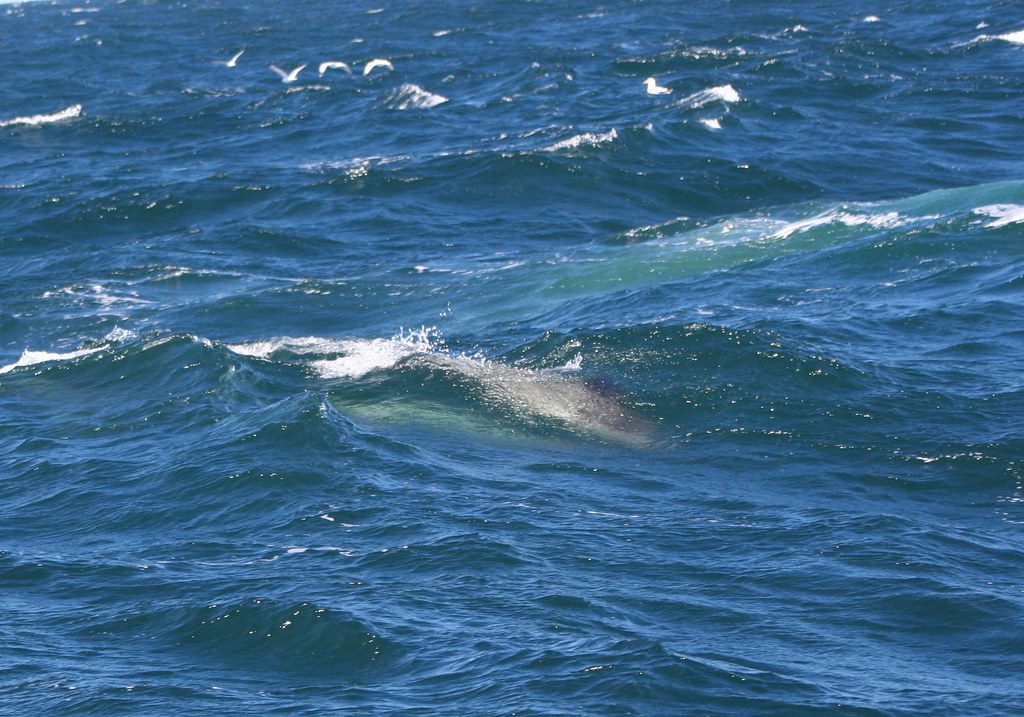
Shark is one of the most commonly listed fish that experts recommend avoiding. The main reason is mercury. Sharks are large predators that sit at the top of the ocean food chain. They eat many smaller fish during their long lives, and mercury builds up in their bodies over time. This process is called bioaccumulation. As a result, shark meat can contain some of the highest mercury levels found in seafood. Mercury is a toxic metal that can affect the brain and nervous system, especially in unborn babies and young children. Pregnant women, nursing mothers, and children are often advised to avoid shark completely.
Even healthy adults are encouraged to limit shark consumption. Mercury does not disappear when the fish is cooked, frozen, or cleaned. Frequent exposure can slowly increase the amount of mercury in the body. Shark populations also face major conservation challenges around the world. Many shark species grow slowly and produce fewer young than other fish, making it difficult for their populations to recover from heavy fishing pressure. These health and environmental concerns are why shark remains one of the top fish experts advise people to avoid.
Swordfish can expose people to too much mercury

Swordfish is famous for its meaty texture and mild flavor, but experts warn that it can contain dangerous amounts of mercury. Like sharks, swordfish are large predators that live for many years. Because they feed on smaller fish throughout their lives, mercury builds up in their muscles and tissues. This means that a single serving of swordfish can expose a person to much more mercury than lower-mercury fish such as salmon or sardines. Health officials have repeatedly placed swordfish on lists of fish that pregnant women and young children should avoid.
Mercury is especially concerning because it can affect brain development and the nervous system. Children are more sensitive to its effects because their bodies and brains are still growing. Adults who eat swordfish regularly may also increase their mercury exposure over time. The fish still contains healthy nutrients and omega-3 fats, but experts believe the mercury risk outweighs these benefits for many people. Choosing lower-mercury fish allows consumers to get the nutritional advantages of seafood without the same level of concern.
King mackerel is one of the highest-mercury fish

Many people confuse king mackerel with Atlantic mackerel, but they are very different when it comes to mercury levels. Atlantic mackerel is considered a healthy, lower-mercury option. King mackerel, however, is among the fish that experts most strongly advise people to avoid. It is a large predator that accumulates mercury as it grows. Studies and government testing have repeatedly found that king mackerel contains much higher mercury levels than many other popular seafood choices.
The concern is not just for pregnant women and children. Adults who eat king mackerel often may also increase their mercury intake beyond recommended levels. Mercury exposure is linked to problems involving the nervous system, memory, and brain function when consumed in large amounts over time. Fortunately, seafood lovers do not have to give up mackerel entirely. Atlantic mackerel offers similar nutrients and omega-3 fats with far less mercury, making it a safer option for regular meals.
Tilefish from the Gulf of Mexico is a risky choice

Tilefish is not as well known as tuna or salmon, but it has gained attention because of its unusually high mercury content. The concern mainly involves tilefish caught in the Gulf of Mexico. This variety consistently ranks among the fish with the highest mercury levels. Because tilefish live for many years and occupy a higher place in the food chain, mercury builds up in their bodies over time. This makes them a poor choice for pregnant women, nursing mothers, and young children.
The tricky part is that not all tilefish are the same. Tilefish from the Atlantic Ocean generally contain lower mercury levels than Gulf tilefish. However, it can be difficult for shoppers to know exactly where a fish was caught unless the label clearly states its origin. For this reason, many experts encourage consumers to avoid tilefish unless they are certain about the source. Safer seafood choices are widely available and provide the same nutritional benefits without the uncertainty surrounding mercury exposure.
Orange roughy raises both health and environmental concerns
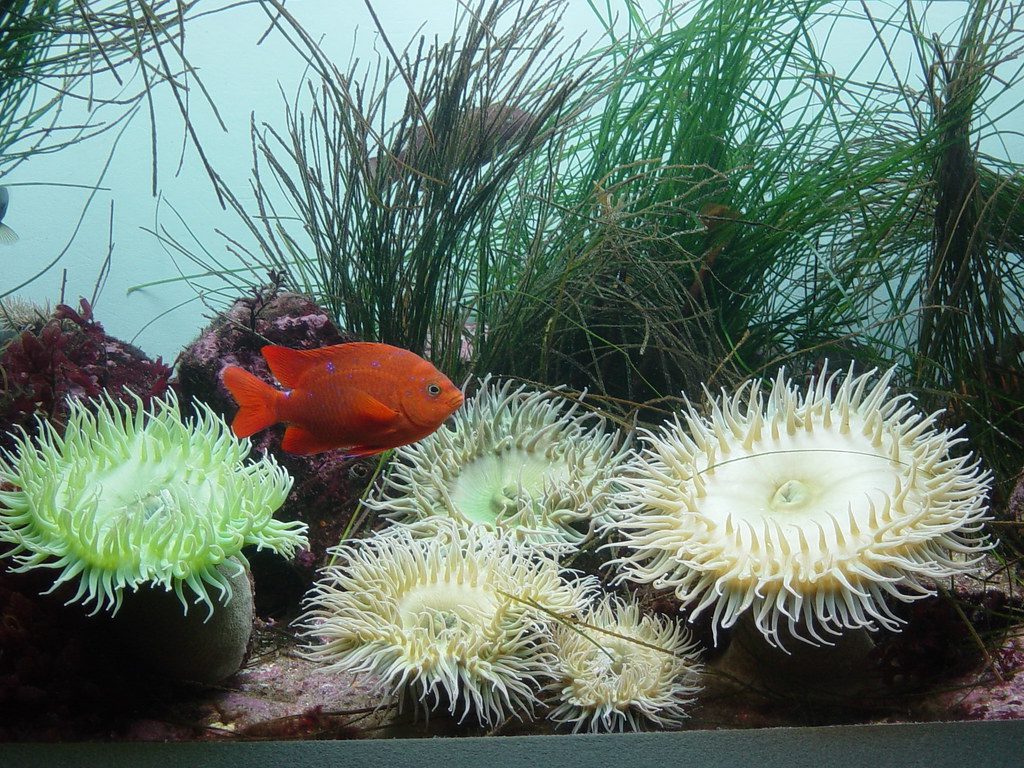
Orange roughy may look like an ordinary fish at the seafood counter, but experts often warn consumers about it for two major reasons. The first is mercury. Orange roughy can contain relatively high levels of mercury compared with many other fish. While it may not always reach the same levels as shark or swordfish, health officials still recommend limiting or avoiding it, especially for children and pregnant women.
The second concern is sustainability. Orange roughy is one of the longest-living fish in the ocean. Some individuals are believed to live for more than 100 years. They grow slowly and do not reproduce quickly, which means their populations recover very slowly after heavy fishing. In many areas, orange roughy has been heavily overfished, leading environmental groups to warn consumers about buying it. Choosing faster-growing fish such as sardines, salmon, or pollock can help reduce pressure on vulnerable species while still providing excellent nutrition.
Bigeye tuna contains more mercury than many people realize
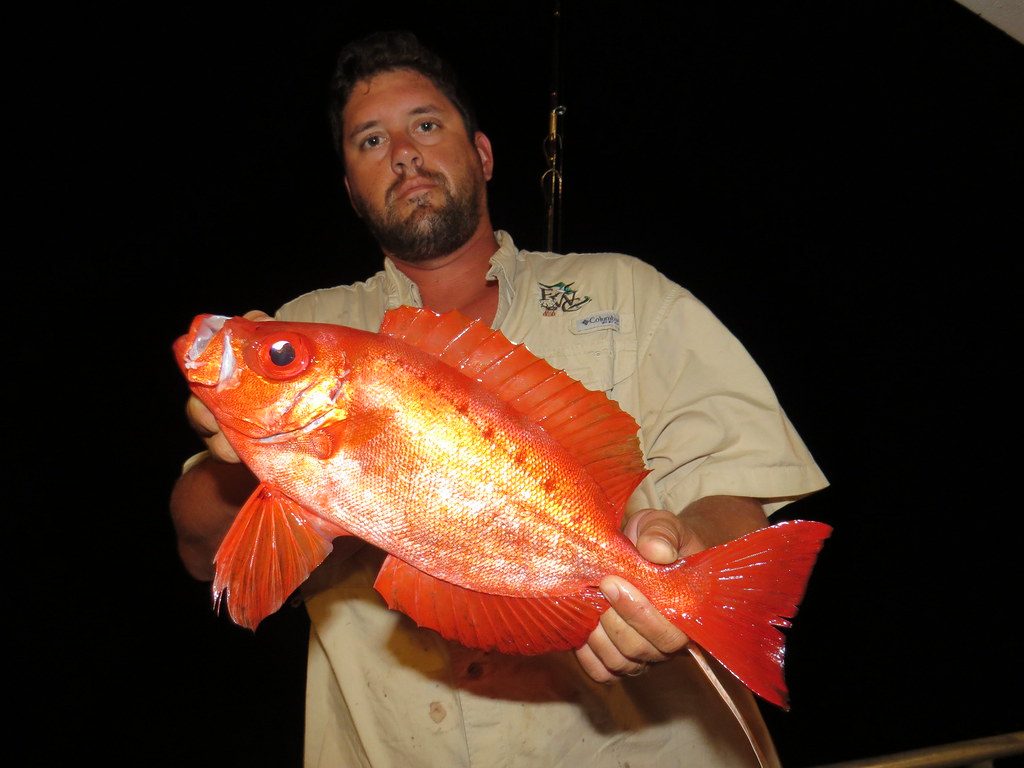
Tuna is one of the most popular seafood choices in America, but not all tuna species are equal. Bigeye tuna is one of the varieties experts warn about because of its mercury content. It is larger and longer-lived than some other tuna species, which allows mercury to build up in its body over time. Bigeye tuna is commonly used in sushi and sashimi, so people may eat it without realizing they are choosing a high-mercury fish.
This does not mean all tuna is unsafe. Canned light tuna and skipjack tuna generally contain much lower mercury levels and are considered better choices for regular consumption. Bigeye tuna, however, is often placed in the highest mercury category by health authorities. Experts recommend that pregnant women and young children avoid it altogether, while other adults should eat it sparingly. Understanding the difference between tuna species can help consumers enjoy seafood safely while reducing unnecessary exposure to mercury.
Leave a Reply