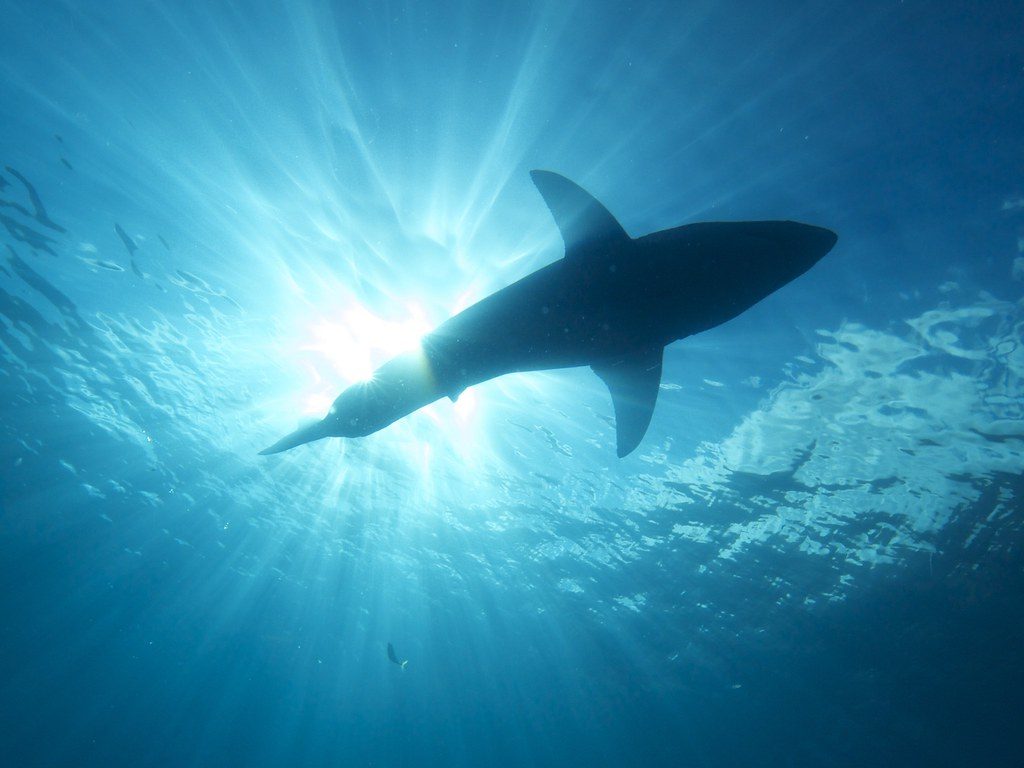
For years, South Africa was one of the best places on Earth to see great white sharks. Tourists traveled from around the world to watch these giant predators leap from the water near Seal Island in False Bay or swim near Gansbaai, a town once called the “great white shark capital of the world.” Then something strange happened. The sharks began to disappear, and soon many of the places that once teemed with great whites became eerily quiet.
Scientists are still working to understand exactly why great white sharks abandoned this famous hotspot. Some believe a pair of killer whales scared them away. Others argue that human activity had already weakened shark populations long before the whales arrived. The truth may be more complicated than a single cause. Here’s what researchers know so far and what the disappearance means for the future of these iconic ocean predators.
A world-famous shark hotspot suddenly went quiet
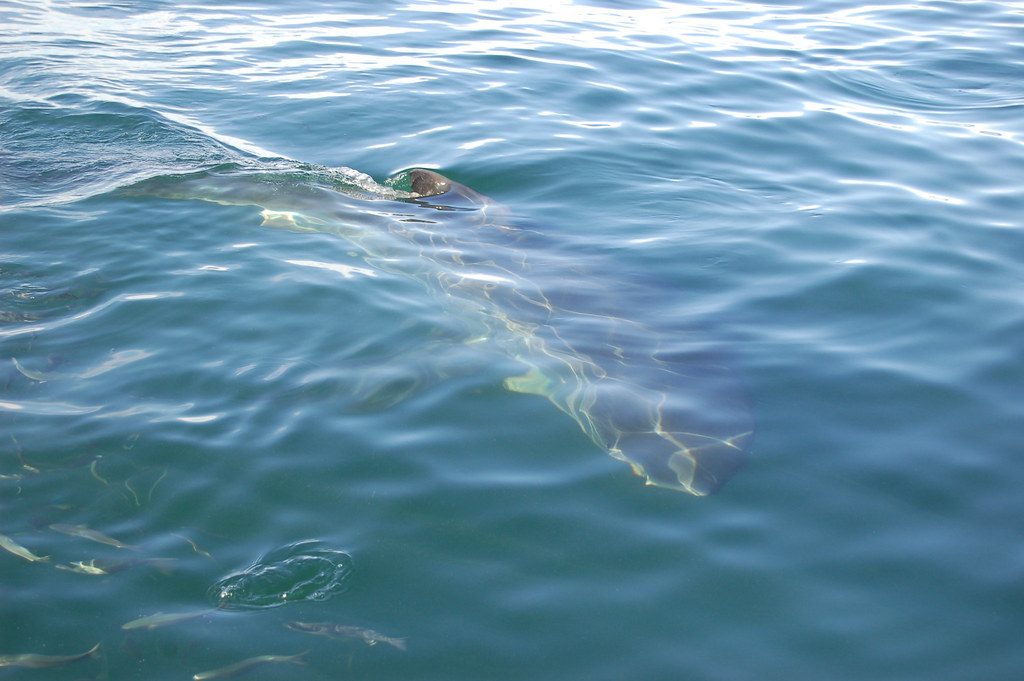
For decades, False Bay and Gansbaai were among the most reliable places on Earth to spot great white sharks. The waters were rich in food, especially Cape fur seals, which gather in huge colonies around Seal Island. Scientists spent years tracking sharks in these areas, learning how they hunted, migrated, and interacted with other marine animals. Shark cage diving also became a major tourist attraction, supporting local businesses and bringing attention to marine conservation.
But after around 2015, sightings started to fall sharply. By mid-2018, researchers conducting regular surveys at Seal Island in False Bay were no longer seeing great white sharks at all. What had once been a thriving shark habitat became nearly empty. The sudden change shocked scientists because great whites had been present there year-round for decades. The disappearance was so dramatic that researchers immediately began searching for answers.
The arrival of two unusual killer whales
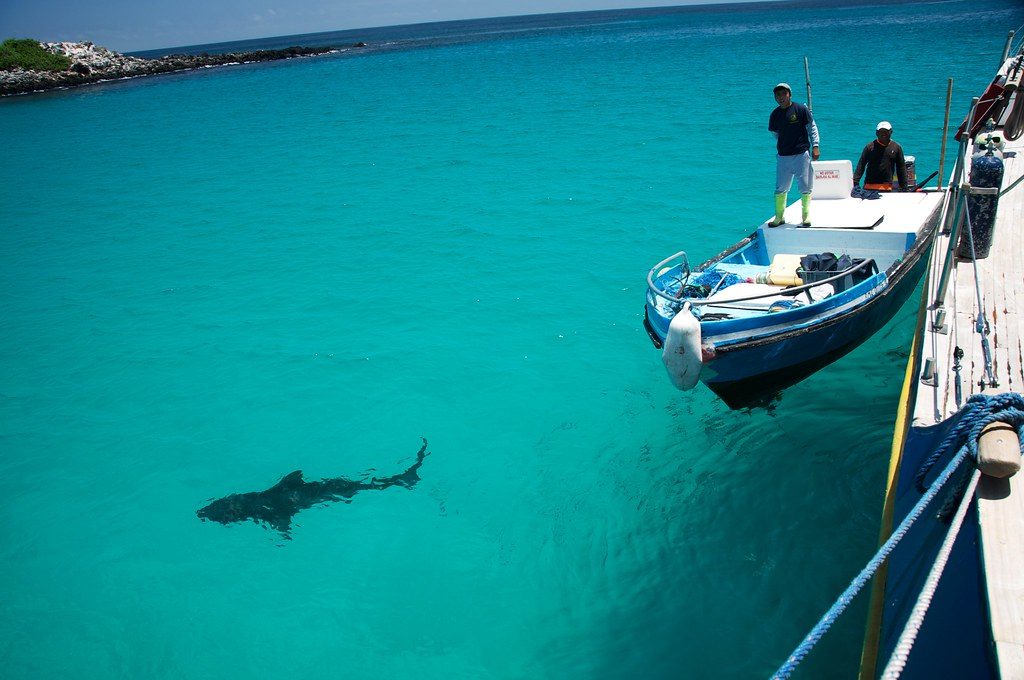
One of the strongest theories focuses on two male killer whales known as Port and Starboard. The pair became famous after several dead great white sharks washed ashore beginning in 2017. These sharks had something unusual in common. Their bodies showed almost no damage except for a precise opening near the chest, and their large, oily livers were missing.
Scientists believe Port and Starboard developed a specialized hunting method that allowed them to kill sharks quickly and remove their nutrient-rich livers. Since then, the pair has been linked to multiple shark deaths along South Africa’s coast. Researchers have also observed great white sharks leaving areas shortly after the orcas appear. In some cases, sharks that once stayed in a region for months vanished within days of an orca sighting, suggesting they see killer whales as a serious threat and actively avoid them.
Sharks may have moved instead of disappearing
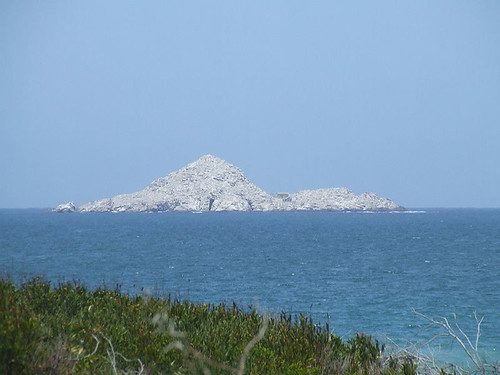
The disappearance of sharks from False Bay does not necessarily mean they died. Evidence suggests many of them simply moved elsewhere. Scientists tracking tagged sharks found that some traveled hundreds of miles east along South Africa’s coastline. Places such as Mossel Bay, Algoa Bay, and Plettenberg Bay began reporting more shark sightings at around the same time numbers fell in False Bay.
This shift is important because great white sharks reproduce slowly. Females do not produce large numbers of young, and it can take years for a population to grow. The rapid changes seen across different regions happened too quickly to be explained by births alone. Instead, researchers believe redistribution played a major role, with sharks abandoning areas where they felt threatened and moving to locations they considered safer. Even so, the long-term fate of many sharks remains uncertain.
Some scientists blame people more than whales

Not all experts agree that killer whales are the main reason for the sharks’ disappearance. Some researchers argue the decline began before Port and Starboard became regular visitors. They point to decades of human activity that may have weakened shark populations long before the orcas appeared.
Overfishing is one major concern. Great white sharks rely on healthy fish populations and marine ecosystems. When commercial fisheries remove large numbers of fish, sharks may struggle to find enough food. Protective shark nets and baited drumlines are another issue. These systems are designed to reduce shark encounters near beaches, but they can accidentally kill great whites and other marine animals. Scientists who support this theory believe the sharks were already under pressure from humans, and the arrival of shark-hunting orcas may have pushed an already stressed population over the edge.
The disappearance changed the entire ecosystem
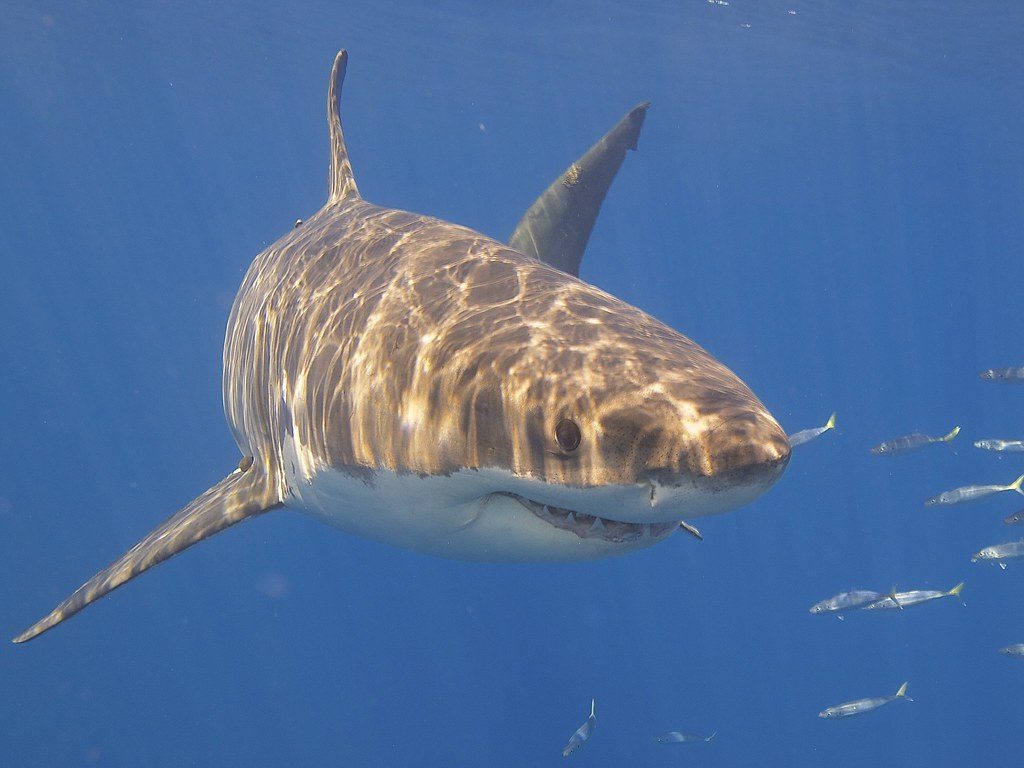
When an apex predator disappears, the effects ripple through the food chain. Great white sharks sit near the top of the ocean ecosystem, helping keep populations of other animals in balance. Their sudden absence from False Bay created major changes that scientists are still studying today.
Cape fur seals, one of the sharks’ favorite prey animals, became bolder after the sharks vanished. Researchers noticed that seals spent more time in open water and showed less fear near Seal Island. At the same time, sevengill sharks, which are normally prey for great whites, began appearing in places they were rarely seen before. These shifts then affected smaller fish and other marine species. Scientists call this process a trophic cascade, where the loss of a top predator causes changes throughout the entire ecosystem. The situation in False Bay has become one of the clearest examples of this phenomenon in the ocean.
The mystery is not fully solved yet
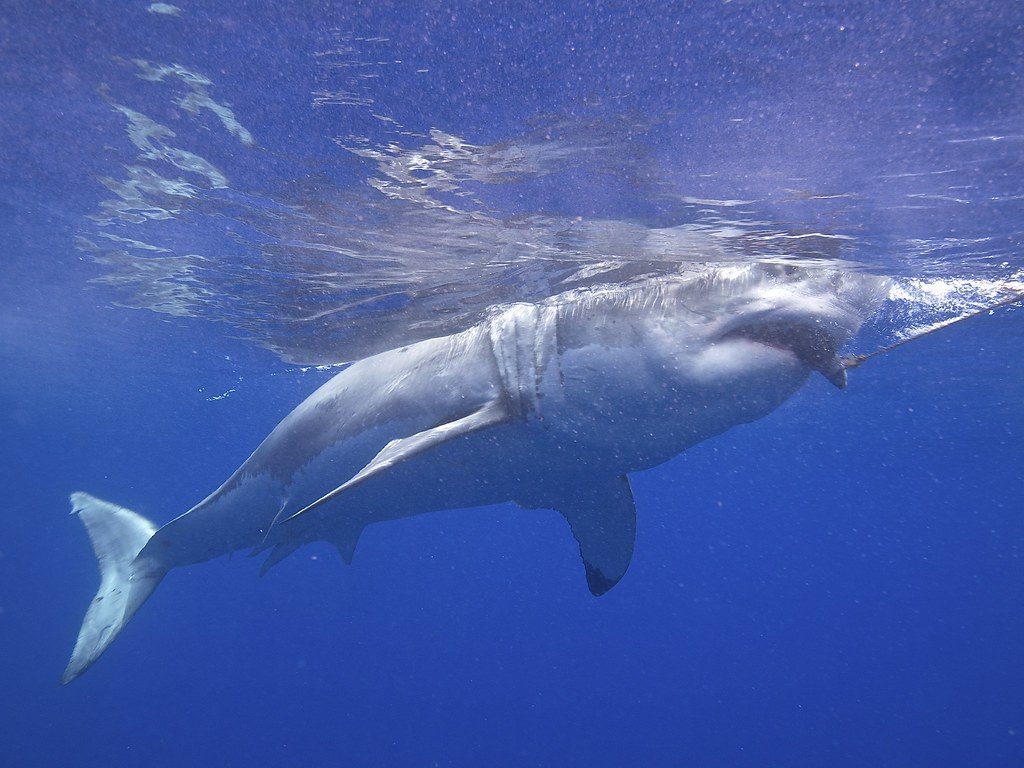
Although scientists have learned a great deal, there is still no complete agreement on why great white sharks abandoned South Africa’s famous hotspot. The evidence linking killer whales to shark movements is strong. The timing matches, shark carcasses have been found with signs of orca attacks, and researchers have watched sharks leave areas after killer whale sightings. Yet this does not rule out other causes.
Many experts now believe the answer is a combination of factors. Human activities such as overfishing and shark control measures may have slowly reduced shark numbers over many years. Then specialized orcas arrived and changed shark behavior even more dramatically. Climate change may also play a role by altering ocean temperatures and food availability. Rather than a single event, the disappearance of great white sharks may be the result of several pressures acting together over time.
Leave a Reply