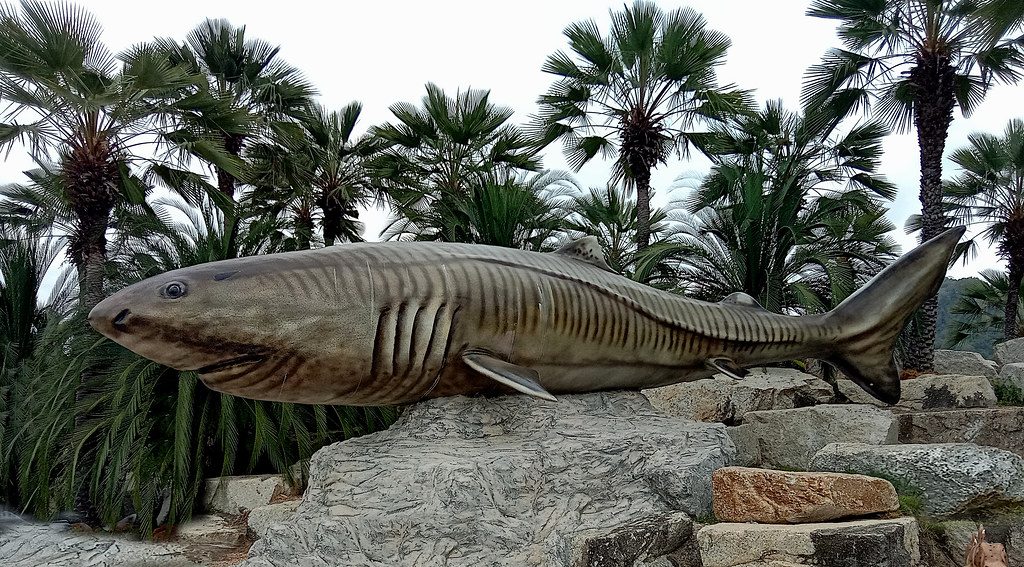
Have you ever wondered what it would be like to meet an animal older than your country? The Greenland shark is one of the most amazing creatures on Earth. This giant shark swims slowly through icy waters and may live for more than 400 years. That means some of the sharks alive today may have been born before electricity, cars, or even the United States.
The Greenland shark is not fast or flashy, yet it has become one of the most fascinating animals scientists have ever studied. Researchers are still learning how it survives for centuries, how it hunts in dark waters, and why it ages so slowly. In this article, you will discover where this ancient shark lives, what it eats, how scientists know its age, and why protecting this rare species is so important.
The shark that outlives generations
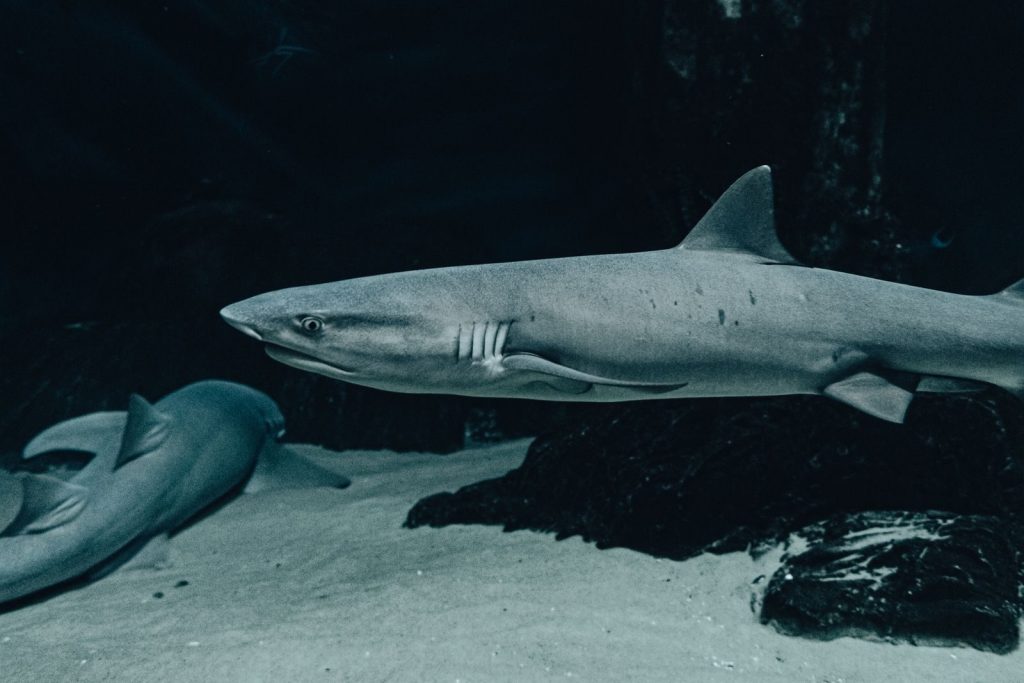
The Greenland shark is the longest-living vertebrate ever discovered. A vertebrate is an animal with a backbone, which includes fish, birds, reptiles, and mammals. Scientists estimate that these sharks can live for at least 250 years, and some may survive for more than 400 years. One famous study suggested the oldest sharks could be between 272 and 512 years old. That means a shark swimming today could have been alive during the early 1600s, making it one of the oldest living animals on the planet.
What makes this even more amazing is how slowly the shark grows. It gains only a tiny amount of length each year, often less than half an inch. Female Greenland sharks do not become adults until they are around 150 years old. Most animals spend only a small part of their lives growing up, but this shark spends more than a century reaching maturity. Its entire life moves at a much slower pace than almost any other creature on Earth.
Life in the freezing Arctic

Greenland sharks live in some of the coldest waters on Earth. They are found mainly in the Arctic Ocean and the northern Atlantic Ocean around Greenland, Canada, Iceland, and Norway. These sharks prefer deep water, often swimming hundreds or even thousands of feet below the surface. In these dark and icy places, temperatures can stay just above freezing all year long.
The cold environment may be one reason the shark lives so long. Because the water is frigid, the shark’s body works slowly. Its metabolism, which is the process of turning food into energy, moves at an extremely low speed. Scientists believe this slow metabolism reduces wear and tear on the body over time. The shark’s heart beats slowly, it swims slowly, and it grows slowly. Everything about the Greenland shark is built for patience and survival.
How a slow shark catches prey
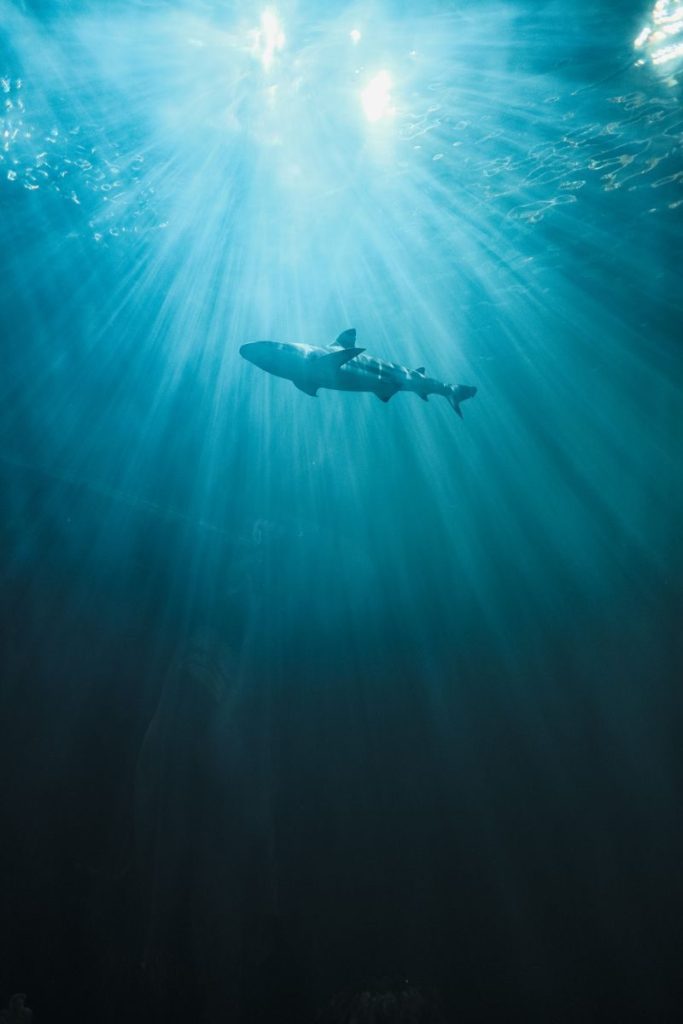
At first glance, the Greenland shark does not seem like a skilled hunter. It swims at less than one mile per hour and is among the slowest sharks in the ocean. Some individuals are even partly blind because tiny parasites attach themselves to their eyes. Yet despite these disadvantages, the shark is an effective predator that has survived for millions of years.
Scientists think the shark relies on stealth instead of speed. It may quietly approach sleeping seals or ambush animals that are injured, weak, or unaware of danger. The shark also has an excellent sense of smell and can detect food from far away. Researchers have found seals, fish, squid, and other marine animals in its stomach. Even remains of land animals like horses, moose, and reindeer have been discovered, likely because their bodies drifted into the sea. The Greenland shark is both a hunter and a scavenger, taking advantage of whatever food is available.
The mystery of its incredible age

For many years, scientists had no idea how old Greenland sharks could become. Unlike trees, sharks do not have growth rings that can easily reveal their age. Researchers needed a completely different method to solve this mystery, and the answer was hidden inside the shark’s eyes.
The center of a Greenland shark’s eye lens forms before birth and remains unchanged throughout its life. Scientists used a technique called radiocarbon dating to examine the eye lenses of several sharks. By measuring tiny amounts of radioactive carbon, they estimated how old the animals were. The results shocked the scientific world. The oldest shark studied was estimated to be around 400 years old, with a possible age range extending beyond 500 years. Although scientists continue to refine these estimates, there is little doubt that Greenland sharks are among the oldest vertebrates ever known.
Why scientists are obsessed with this shark

The Greenland shark is more than an unusual fish. It could help scientists understand one of the biggest mysteries in biology: aging. Most animals experience damage to their cells as they get older. Over time, this damage can lead to disease, weakness, and death. Yet Greenland sharks appear to age very slowly and remain healthy for centuries.
Researchers are now studying the shark’s genes to understand how this is possible. Early studies suggest the species may have special ways to repair DNA, fight harmful cell damage, and protect itself from diseases such as cancer. Scientists have also discovered genes linked to strong immune systems and better control of iron, which can damage cells if it builds up too much. While these discoveries are still being explored, many experts believe the Greenland shark could help humans better understand aging and age-related diseases in the future.
Threats facing this ancient giant

Even though Greenland sharks have survived ice ages and huge changes in Earth’s climate, they still face serious dangers today. One major problem is accidental capture by fishing boats. Because the sharks grow so slowly and reproduce late in life, losing even a small number of adults can affect the population for many years.
Climate change may create another challenge. The shark depends on cold Arctic waters, and rising ocean temperatures could alter its habitat and food supply. Scientists worry that warming seas might force the species into smaller areas or change the delicate balance of the Arctic ecosystem. Since Greenland sharks take more than a century to mature, they cannot quickly recover from population losses. Protecting them requires long-term planning and careful management of northern oceans.
Leave a Reply