
Planning a beach trip this summer? You may hear more reports about sharks, and scientists say that is expected. Shark activity often rises during the warmer months as ocean temperatures increase and many shark species move closer to shore in search of food or to follow their seasonal migration routes.
That does not mean sharks are hunting people, but it does mean beachgoers should stay alert. In this article, you’ll learn why shark activity is expected to increase, what scientists know about shark behavior, where sightings are most common, and how you can stay safe while enjoying the water.
Why sharks are more active in summer

Summer brings warmer ocean water, and that changes where many sharks travel. More than 30 shark species move north along the U.S. East Coast during the warmer months after spending winter in southern waters. As they migrate, they search for food and suitable places to hunt or rest.
Scientists say shark sightings also rise because more people head to beaches during summer. With more swimmers, surfers, and boaters in the water, there are simply more chances for people to notice sharks. Many sharks have always been there, but they are seen more often during the busy beach season.
Warmer waters are changing shark movements

Marine experts say warmer ocean temperatures can shift where sharks travel. Some species are staying in northern waters longer than they did in the past, while others are appearing in places where they were once less common. These changes are linked to warming seas and changing ocean conditions.
Scientists are also watching the effects of marine heat waves and climate patterns that warm the Pacific Ocean. These conditions may bring some sharks closer to beaches, especially young white sharks looking for warm nursery areas with plenty of food.
Where people may see more sharks
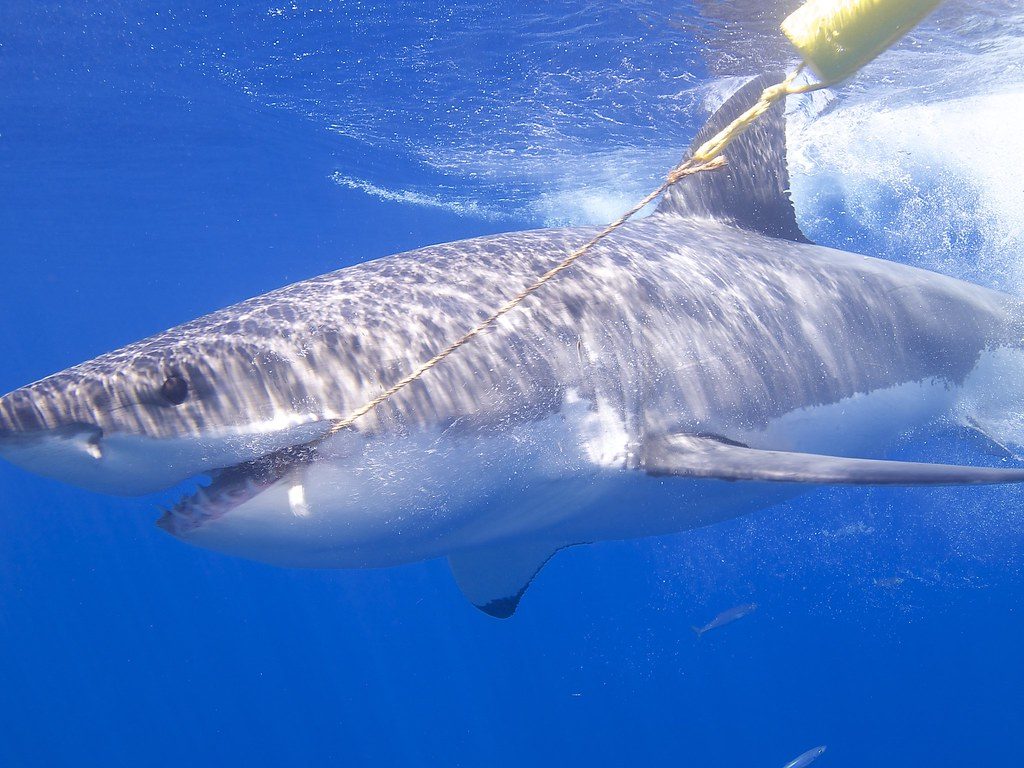
Shark sightings are most common along parts of the Atlantic coast during summer. Great white sharks often gather near areas with large seal populations, especially around Cape Cod. Bull sharks are more common in the Gulf Coast, while tiger sharks are found year-round in the warm waters around Florida.
Scientists also say sharks are often found where schools of fish, seals, or dolphins gather because those animals are an important food source. Seeing bait fish jumping or seabirds diving into the water can sometimes mean larger predators, including sharks, are nearby.
Shark attacks are still very rare
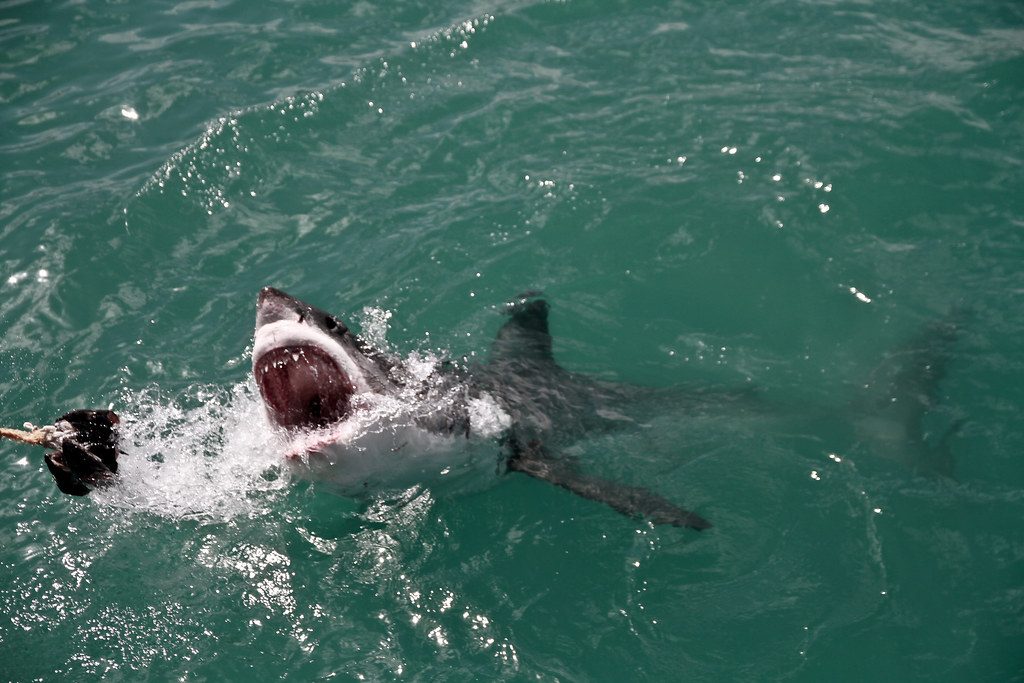
Even though sightings may increase, experts stress that shark bites remain uncommon. Most sharks are not interested in people, and many swim away before anyone notices them. The chance of being bitten is already very low, and fatal attacks are even rarer.
Researchers also remind people that sharks play an important role in keeping ocean ecosystems healthy. As top predators, they help balance marine life by controlling the populations of other animals. Healthy shark populations often mean healthier oceans.
Simple ways to stay safe at the beach

Experts recommend swimming near lifeguards whenever possible and avoiding the water at dawn or dusk, when some sharks are more active. It is also smart to stay away from large schools of fish and avoid wearing shiny jewelry that can reflect light underwater.
Swimming with other people instead of alone can also improve safety. Before entering the water, check local beach alerts and pay attention to lifeguard warnings. If a shark is spotted, leave the water calmly and follow instructions from beach officials.
What this means for beachgoers

Scientists expect shark activity to increase this summer because of seasonal migration, warmer water, and more people spending time at the beach. While that may lead to more sightings, it does not mean the ocean is suddenly unsafe. Understanding shark behavior helps people enjoy the beach with confidence instead of fear.
By staying aware of local conditions and following simple safety tips, families can continue to enjoy swimming, surfing, and other water activities. Sharks are a natural part of the ocean, and experts say learning to share the water safely is the best way to reduce risk while protecting these important animals.
Leave a Reply