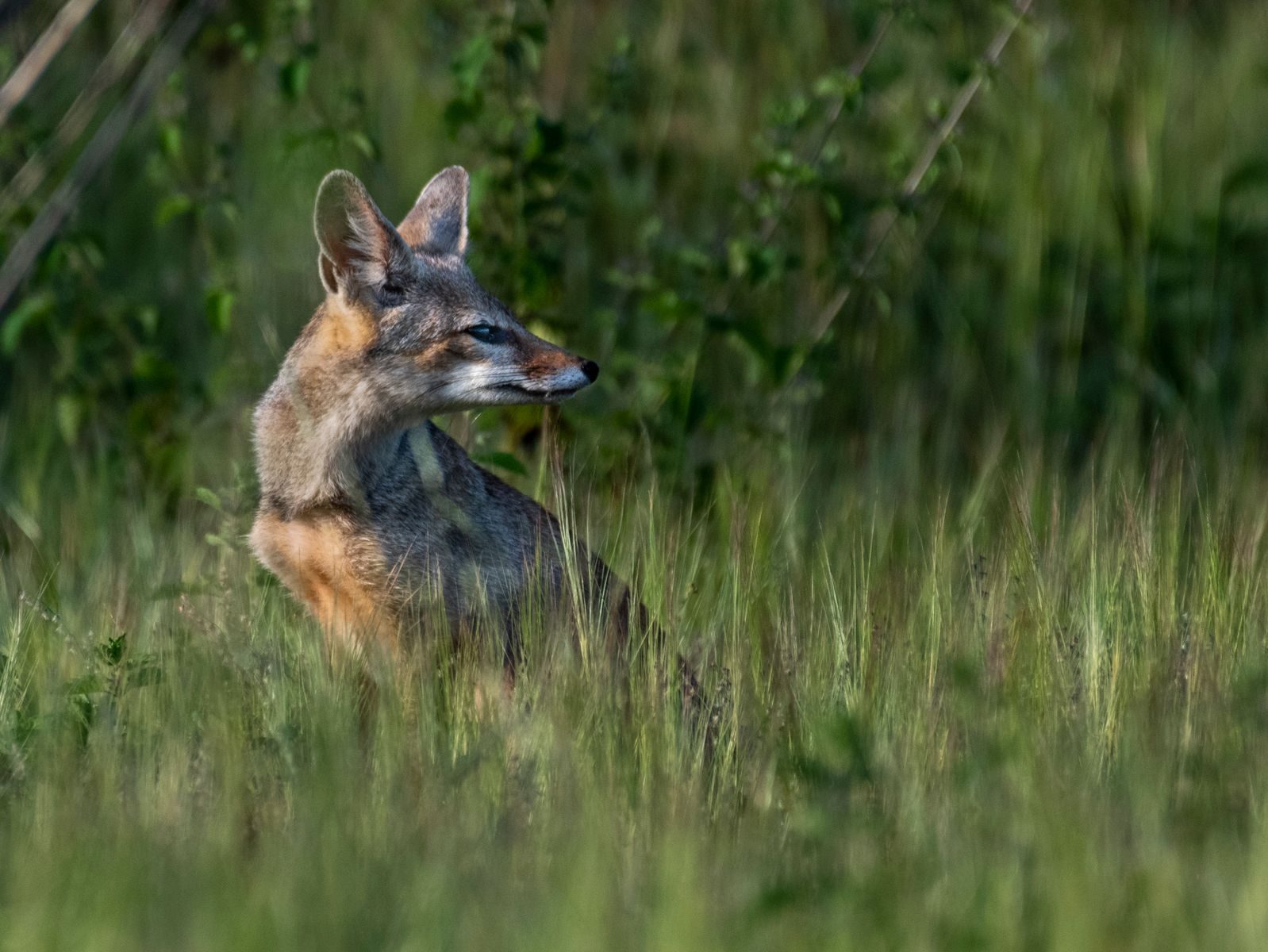
Have you ever wondered if a rare animal could disappear for years and then suddenly return? That is exactly what happened when rare images showed America’s elusive mini-canid is still alive. The discovery has excited wildlife experts because the tiny Cozumel dwarf fox had not been confirmed alive for more than 20 years. For many people, the animal was close to becoming a forgotten mystery.
Now, these photographs have given scientists fresh hope and a new reason to protect one of North America’s rarest wild canids. In this article, you will learn what makes this fox so special, why it vanished from view, and why its future still depends on urgent conservation.
The rare discovery surprised scientists
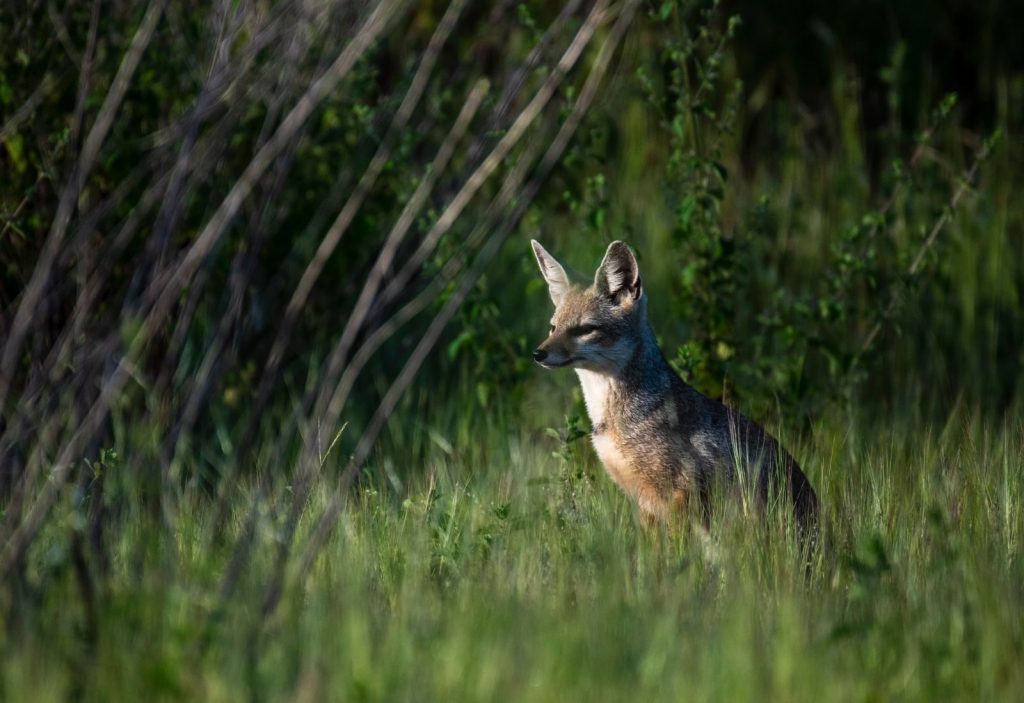
The first confirmed photographs of the Cozumel dwarf fox came after researchers responded to reports of a small fox wandering near a road on Cozumel Island, Mexico. Although the pictures were taken in 2023, they were only recently published as part of a scientific study. Before this, the last confirmed sighting dated back to 2001, making the new images an important milestone for wildlife conservation.
The fox was safely captured for a health check before being released into the protected Laguna Colombia State Reserve. Scientists say this is the first time the animal has ever been photographed, giving researchers valuable proof that the tiny population still survives in the wild.
Why this fox is so unusual
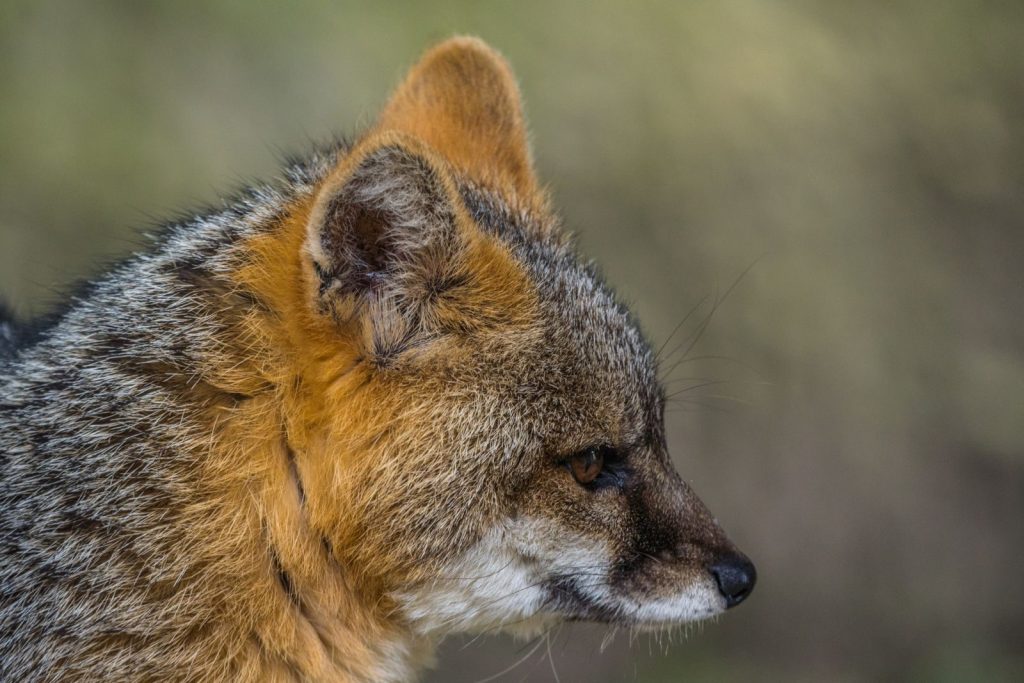
The Cozumel dwarf fox is much smaller than the mainland gray fox. Experts believe it became smaller through a process called island dwarfism. Over thousands of years, animals living on isolated islands often evolve into smaller versions because food and space are limited.
Researchers estimate that the Cozumel dwarf fox is only about 60% to 80% the size of its mainland relative. It has large ears, a long bushy tail, and gray, golden, and white fur. Despite its unique appearance, scientists still do not know if it is a separate species or a distinct population of the gray fox.
Why the fox disappeared for so long

One reason the fox remained hidden is that very little research has ever been done on it. Scientists have never completed a full population survey, and most earlier evidence came from ancient animal remains found at Maya archaeological sites rather than living animals.
The island’s forests are also difficult to study, making sightings extremely rare. Because so few people knew the fox existed, it quietly disappeared from public attention. The latest discovery reminds experts that some species can come close to extinction without the world noticing.
The biggest threats facing the species

Finding one healthy fox does not mean the species is safe. Scientists believe the Cozumel dwarf fox is still critically endangered because its population may be very small and limited to the southern part of the island.
Habitat loss, expanding development, invasive animals, road traffic, and natural disasters all threaten its survival. Hurricanes can also damage the island’s forests, leaving wildlife with fewer places to live and find food. Until researchers know how many foxes remain, protecting them will remain a major challenge.
What happens next for conservation

Researchers are now working to learn much more about the mysterious fox. Camera trap surveys are being expanded across Cozumel to discover where the animals live and estimate how many still survive.
Scientists also hope to study the fox’s DNA to determine whether it should officially be recognized as a separate species. Better information will help conservation groups create stronger protection plans and preserve the habitats that these rare animals depend on.
Why this rediscovery matters

The rediscovery is more than an exciting wildlife story. It shows that rare animals can survive even after decades without confirmed sightings. At the same time, it reminds people that many species may disappear before scientists fully understand them.
The first photographs have created a second chance for the Cozumel dwarf fox. Whether that chance leads to recovery depends on continued research, habitat protection, and public support. The images are a hopeful beginning, but they are only the first step in protecting one of North America’s rarest wild canids.
Leave a Reply