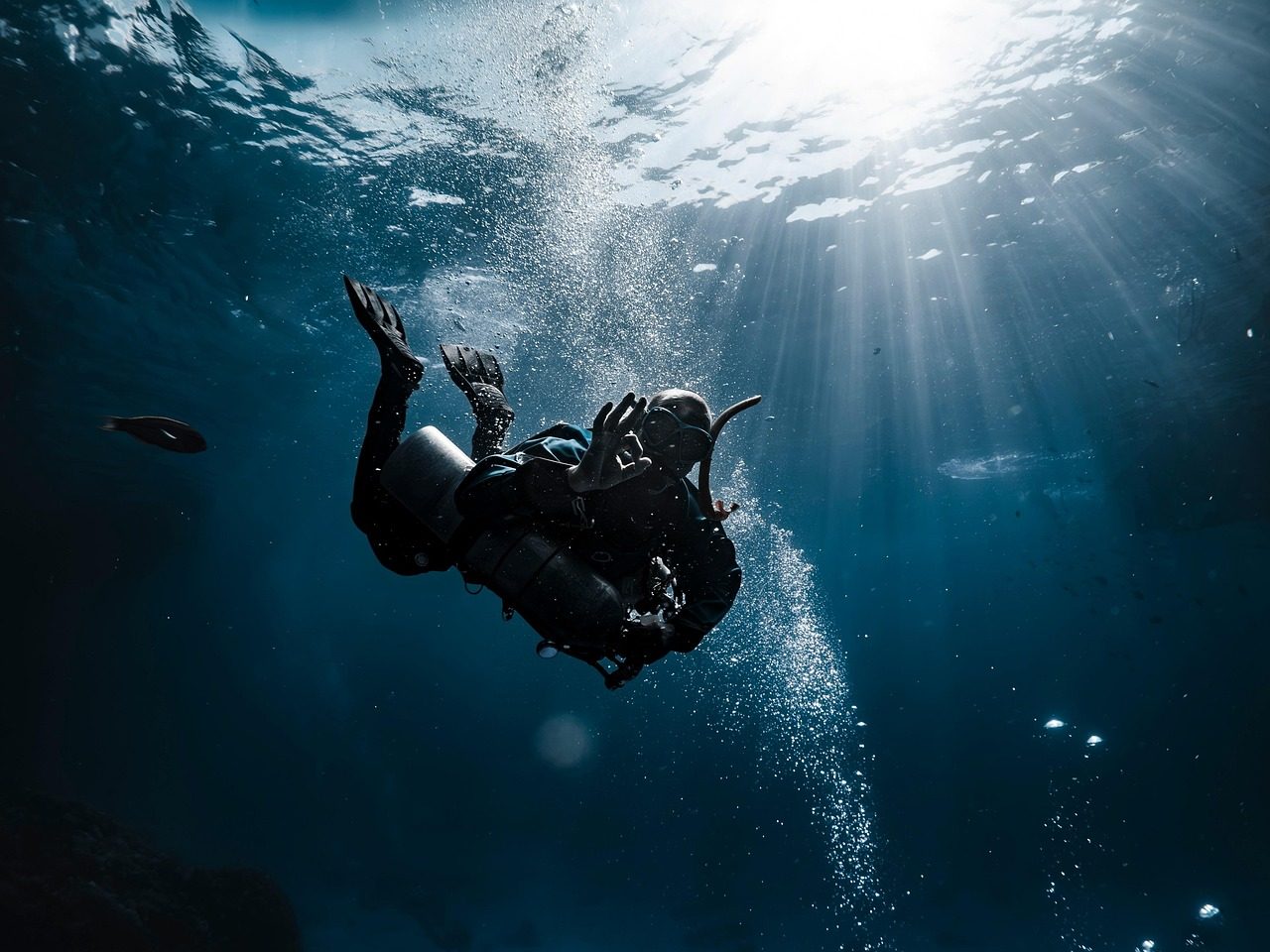
Scientists find thousands of living giant eggs inside an underwater volcano, and the discovery is changing what experts know about life in the deep sea. While exploring an ancient seamount off Canada’s Pacific coast, researchers expected to study old volcanic rocks. Instead, they found a huge nursery filled with giant egg cases belonging to Pacific white skates.
Even more surprising, the volcano was still releasing warm, mineral-rich water. That gentle heat appears to help the eggs develop in one of the coldest places on Earth. This article explains where the eggs were found, why the volcano matters, how the skates use it as a nursery, and why scientists believe this rare habitat deserves protection.
Scientists found a hidden nursery
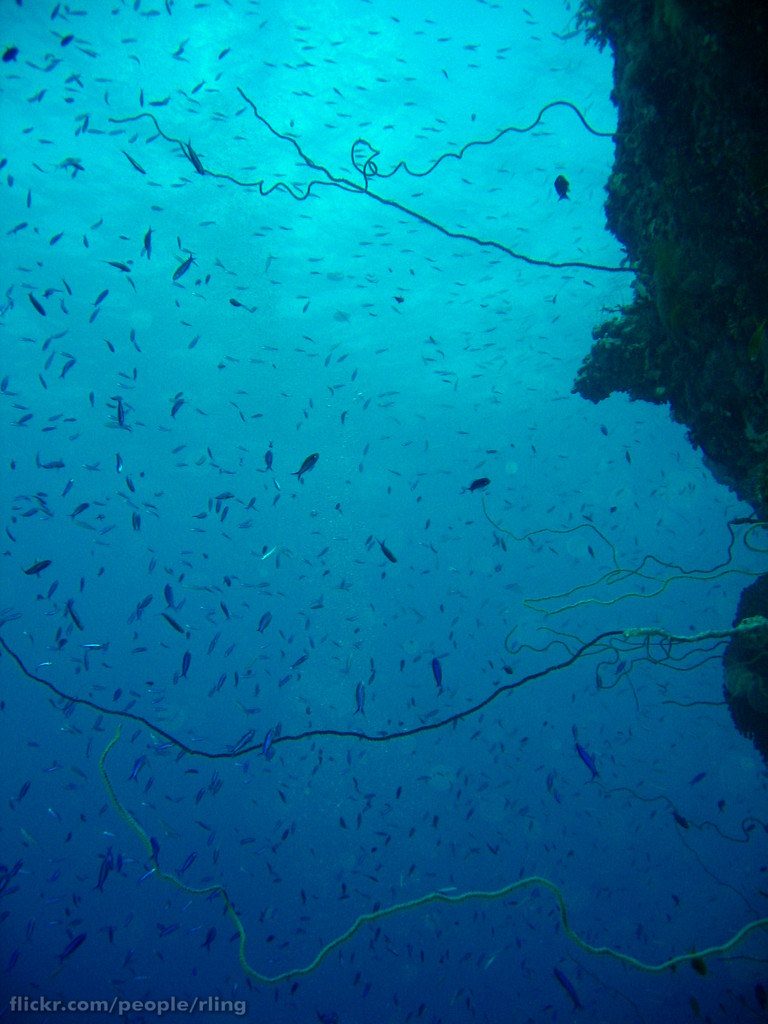
The discovery happened during a research expedition to an underwater volcano off the coast of British Columbia, Canada. Scientists believed the volcano had gone extinct long ago. When they sent remotely operated vehicles to the summit, they found warm water flowing from the seafloor along with thousands of giant egg cases spread across the rocky surface.
The eggs belong to the Pacific white skate, a deep-sea relative of sharks and rays. Researchers estimate that the volcano may hold hundreds of thousands, and possibly close to one million, egg cases. It is now considered one of the largest known skate nurseries ever discovered in the deep ocean.
Why the volcano helps the eggs survive
Most of the deep ocean is freezing cold, which slows the growth of developing animals. Pacific white skate embryos spend several years inside their egg cases before hatching. Even a small increase in water temperature can help speed up this long process.
The volcano releases warm, mineral-rich fluids through cracks in the seafloor. Scientists believe this natural heat acts like an underwater incubator, giving the eggs a better chance to develop successfully. Similar nesting behavior was previously observed near hydrothermal vents in the Galápagos, but the Canadian site is much larger.
The giant eggs belong to a deep-sea skate
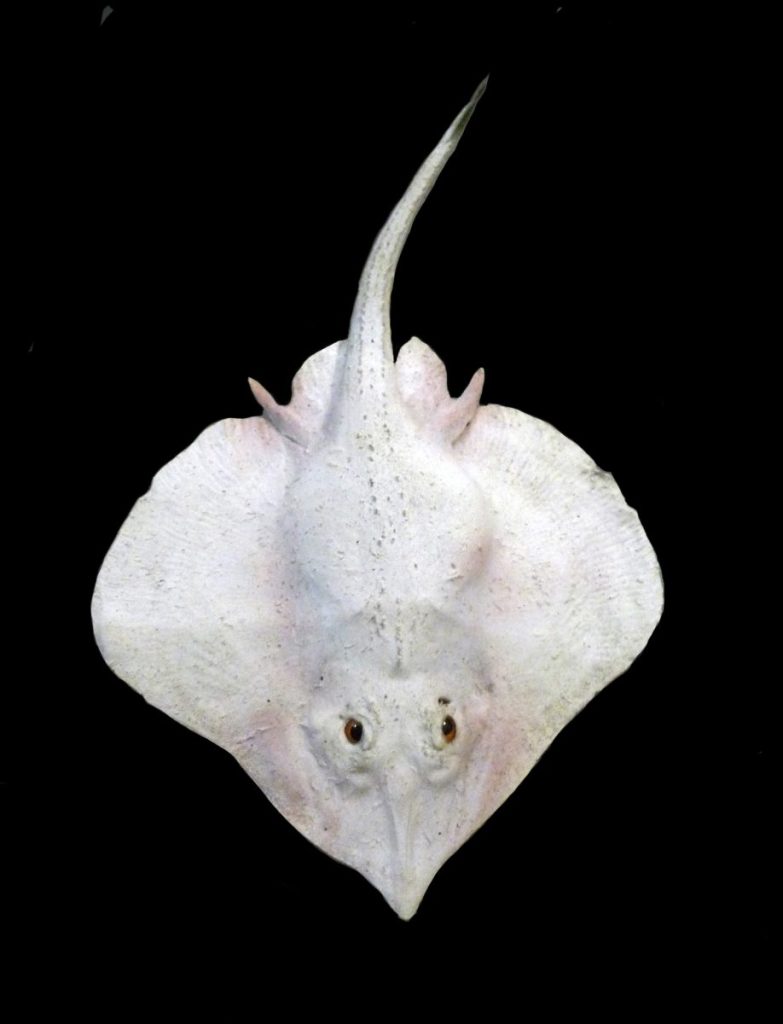
Pacific white skates are among the deepest-living skates in the world. They can live nearly 9,500 feet below the ocean’s surface and grow to more than 6 feet long. Unlike many fish that release thousands of tiny eggs into the water, female skates lay fewer but much larger egg cases.
Each egg case measures about 20 inches long, making it one of the largest known egg cases produced by any marine animal. The leathery cases are often compared to oversized ravioli or the familiar “mermaid’s purses” sometimes found on beaches, although these are much larger than those from shallow-water species.
A rare look at deep-sea life
The expedition captured something scientists had never recorded before. Cameras filmed a female Pacific white skate laying an egg directly on the volcano’s summit. This provided the first direct evidence that these skates intentionally use warm volcanic habitats as breeding grounds.
Researchers also found healthy deep-sea corals and sponges growing around the volcano. Together, these animals create a rich ecosystem that supports many forms of marine life. The discovery shows that underwater volcanoes can provide safe habitats instead of being empty stretches of seafloor.
Why scientists want to protect the site

Deep-sea ecosystems grow very slowly, making them especially vulnerable to damage. If fishing gear or other human activities disturb the volcano’s summit, the eggs and surrounding coral communities could take many years to recover.
Scientists plan to return to the site to learn how often Pacific white skates use the nursery and how much the volcanic heat affects embryo growth. The findings may also help researchers understand how other deep-sea animals survive in extreme environments where warmth is rare.
What this discovery means for science

The underwater volcano has shown that geology and biology can work together in surprising ways. Heat rising from deep inside Earth creates conditions that help one of the ocean’s largest skates raise its young in an otherwise harsh environment.
The discovery reminds scientists that many parts of the deep sea remain unexplored. New technology continues to reveal hidden ecosystems that were impossible to study just a few years ago. Each expedition adds valuable knowledge about marine life and highlights the importance of protecting these remarkable underwater habitats for future generations.
Leave a Reply