
Standing in waist-deep water may seem safe, but on rare occasions, sharks can enter surprisingly shallow areas. Although fatal shark attacks are extremely uncommon, they can happen in certain coastal regions where people and sharks share the same waters.
Scientists have found that only a few shark species are responsible for the majority of serious attacks on humans. This article explains why some beaches become shark attack hotspots, which sharks are most often involved in attacks, and which environmental factors increase the likelihood of an encounter.
Shark attacks are rare, but they do happen

Millions of people swim, surf, and enjoy the ocean every year without encountering a shark. According to shark researchers, serious attacks remain extremely uncommon compared with the number of people who enter the water.
When attacks do occur, they often receive worldwide attention because of their dramatic nature. While the risk is very low, understanding where and why attacks happen helps scientists improve public safety.
Three shark species are responsible for most attacks
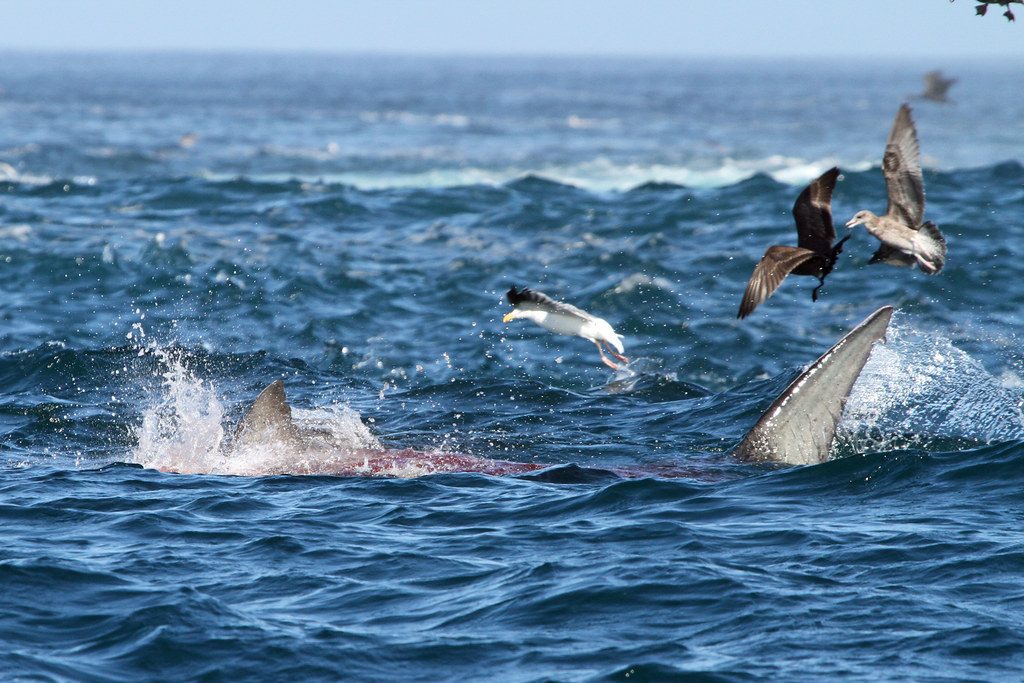
Out of more than 500 known shark species, only a handful have been involved in serious attacks on humans. The great white shark, bull shark, and tiger shark are known as the “Big Three” because they account for most fatal and severe unprovoked attacks.
These sharks grow large, possess powerful jaws, and commonly inhabit coastal waters where people swim, surf, or fish. Their natural ranges overlap with popular beaches in many parts of the world.
Why do some beaches become hotspots?

Certain coastlines provide ideal conditions for sharks. Warm water, abundant prey, river mouths, sandbars, and seasonal fish migrations can all attract sharks close to shore.
When large numbers of people enter the water at these same locations, the likelihood of shark encounters naturally increases. This does not mean sharks are hunting humans, but rather that both species share the same environment.
Different sharks dominate different regions
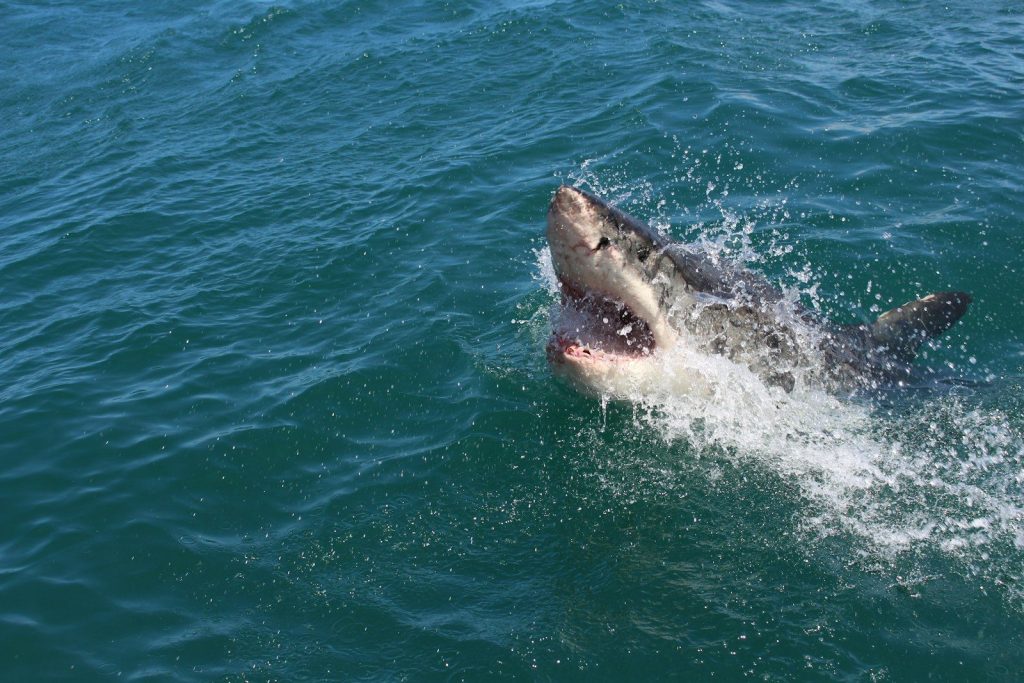
Scientists have found that different shark species are responsible for attacks in different parts of the world. Great white sharks are involved in many incidents along parts of Australia and California, tiger sharks are more common in Hawaii, and bull sharks are frequently linked to attacks in tropical and subtropical coastal waters.
Understanding which species live in a particular area helps researchers better explain local shark activity and improve public awareness.
Why sharks sometimes enter shallow water
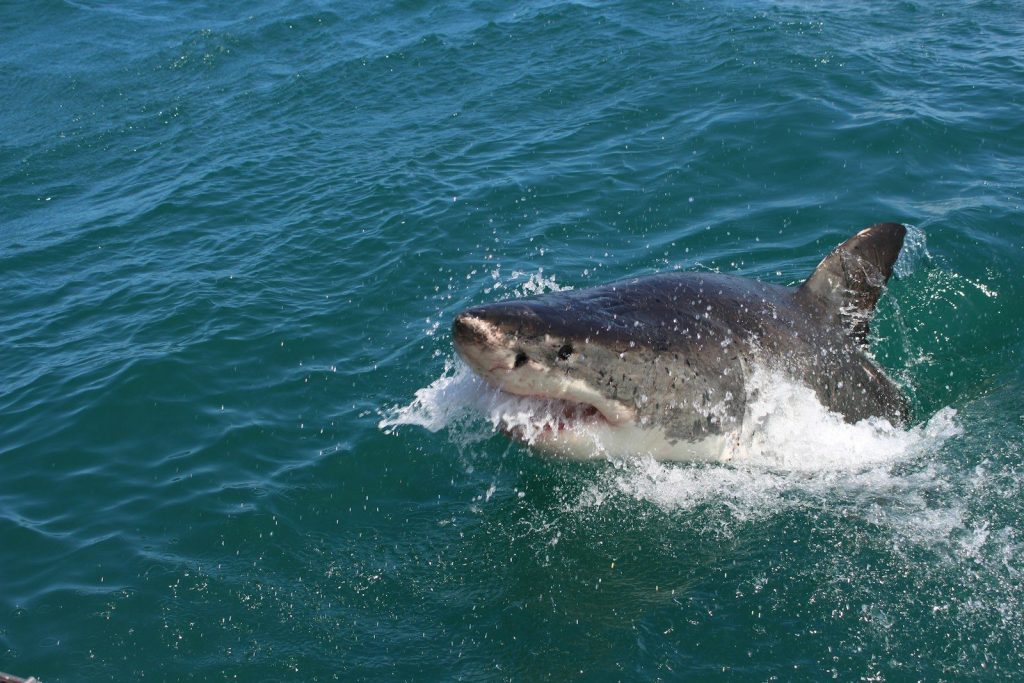
Many people believe sharks always remain in deep water, but several species regularly swim close to shore. Bull sharks, in particular, are well known for entering shallow coastal waters and even freshwater rivers.
Most shark bites are believed to be cases of mistaken identity rather than deliberate hunting of humans. Poor visibility, splashing, or the presence of baitfish can sometimes contribute to these rare encounters.
Respecting the ocean while staying informed

Sharks play a vital role as apex predators by helping maintain healthy marine ecosystems. Their presence is an important sign of a balanced ocean rather than a reason to avoid the sea entirely.
Learning about shark behavior, paying attention to beach warnings, and following local safety advice can help reduce already small risks. With awareness and respect, people can continue to enjoy the ocean while sharing it with its natural wildlife.
Leave a Reply