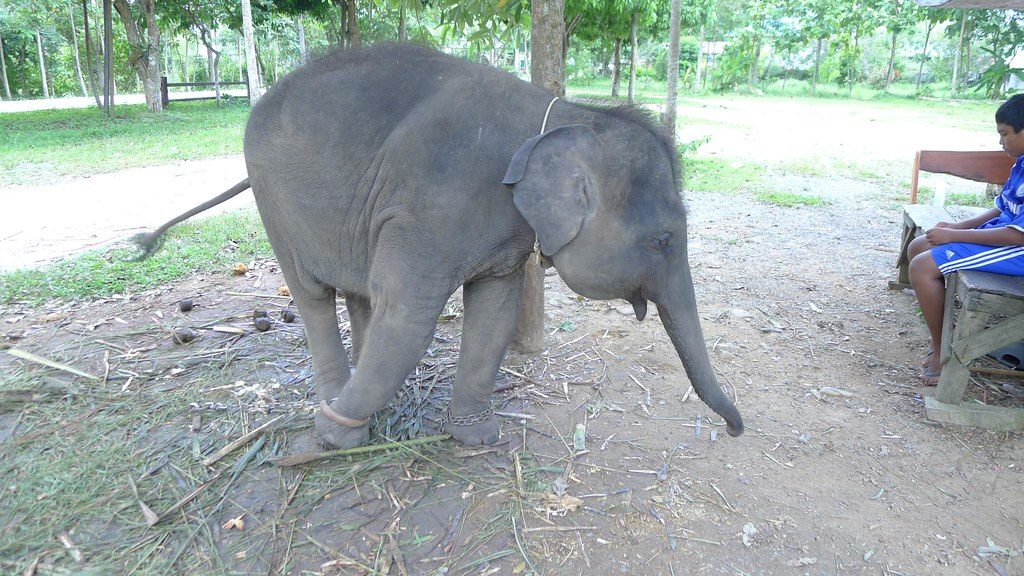
For decades, many captive elephants have spent much of their lives in chains while working in temples, tourism, or logging. The story of an elephant gaining freedom after 85 years in chains has touched people around the world because it shows that change is possible, even after a lifetime of hardship.
While years of captivity cannot be erased, moving an elderly elephant to a safer place can greatly improve its quality of life. This article explains what happened, why the rescue matters, and what it teaches us about elephant welfare and conservation.
Why is this rescue so important?
The elephant, believed to be around 85 years old, spent most of its life under human control. After decades of being chained for long periods, animal welfare groups and local officials worked together to provide a more comfortable home where the elephant could finally move more freely.
Although freedom cannot undo years of physical and emotional stress, experts say a better environment can reduce pain and improve daily life. Access to soft ground, shade, clean water, and proper veterinary care makes a major difference for elderly elephants.
How years in chains affect elephants
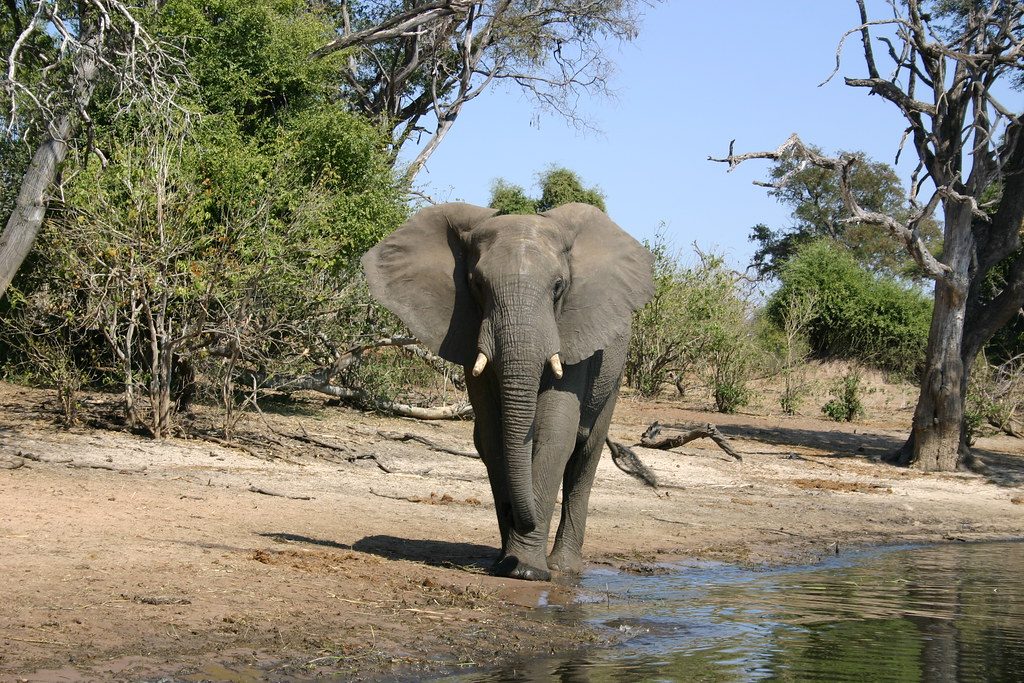
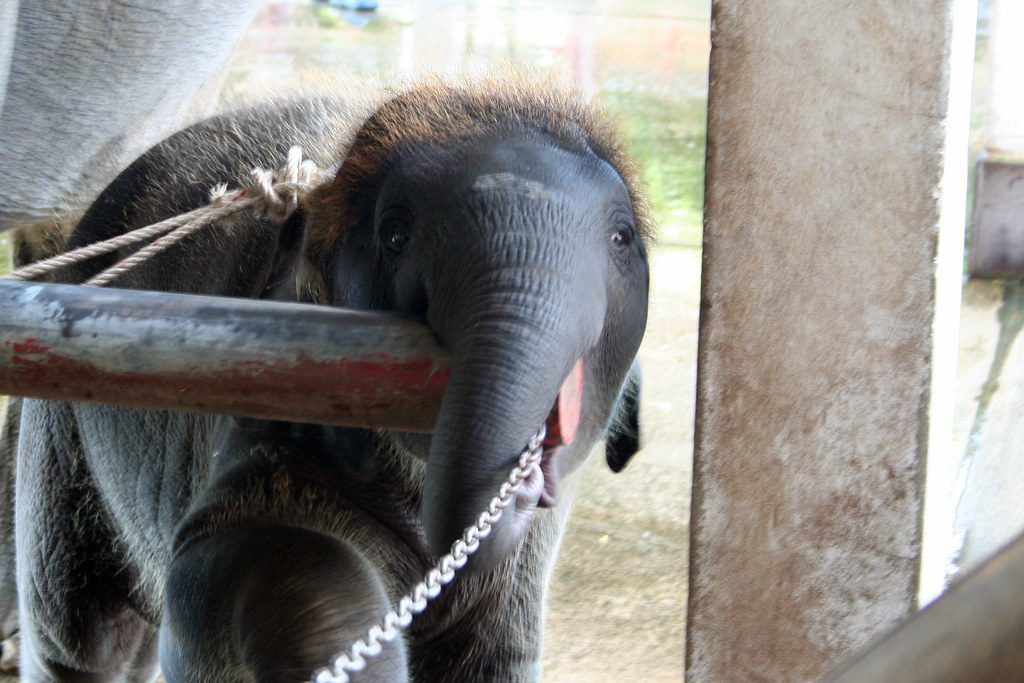
Elephants are intelligent and social animals that naturally walk many miles each day. Long periods in chains can lead to painful foot problems, stiff joints, muscle weakness, and injuries caused by rubbing against metal restraints.
Captivity can also affect an elephant’s mental health. Many elephants that are kept alone or restrained for long periods show repetitive behaviors, which experts see as signs of stress. A calmer environment and gentle care can help reduce these behaviors over time.
What freedom looks like
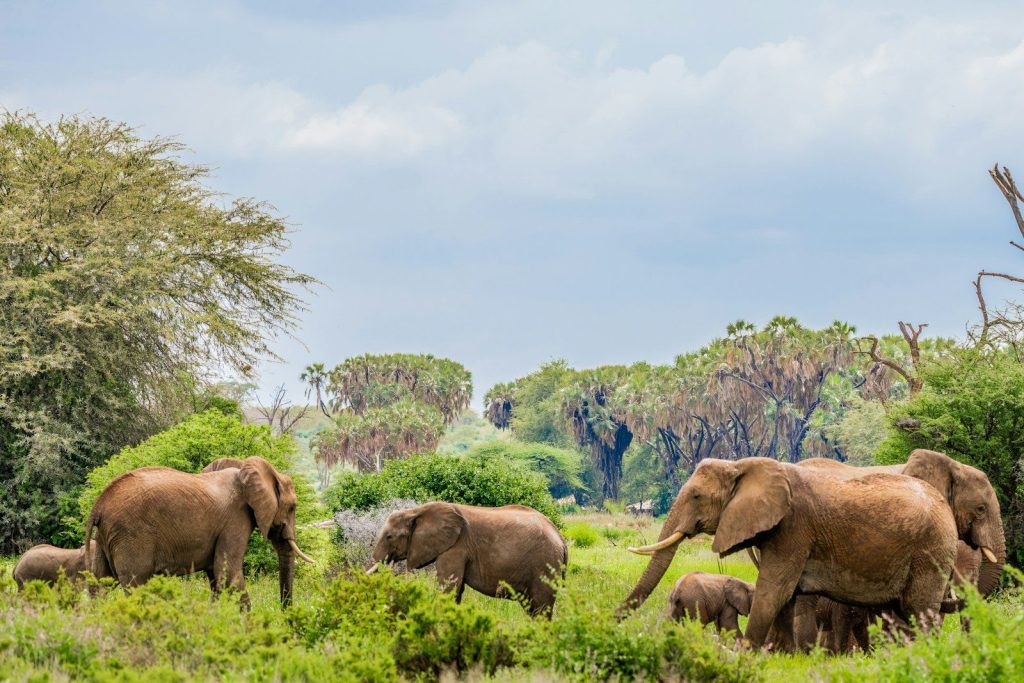
Freedom for a rescued captive elephant does not usually mean returning to the wild. An elephant that has lived with people for most of its life often cannot survive on its own in a natural forest.
Instead, many rescued elephants are moved to protected care centers or sanctuaries. There, they can walk without heavy chains, bathe in water, roll in mud, eat healthy food, and receive regular medical treatment while living in a much more natural setting.
Why elephants need special care
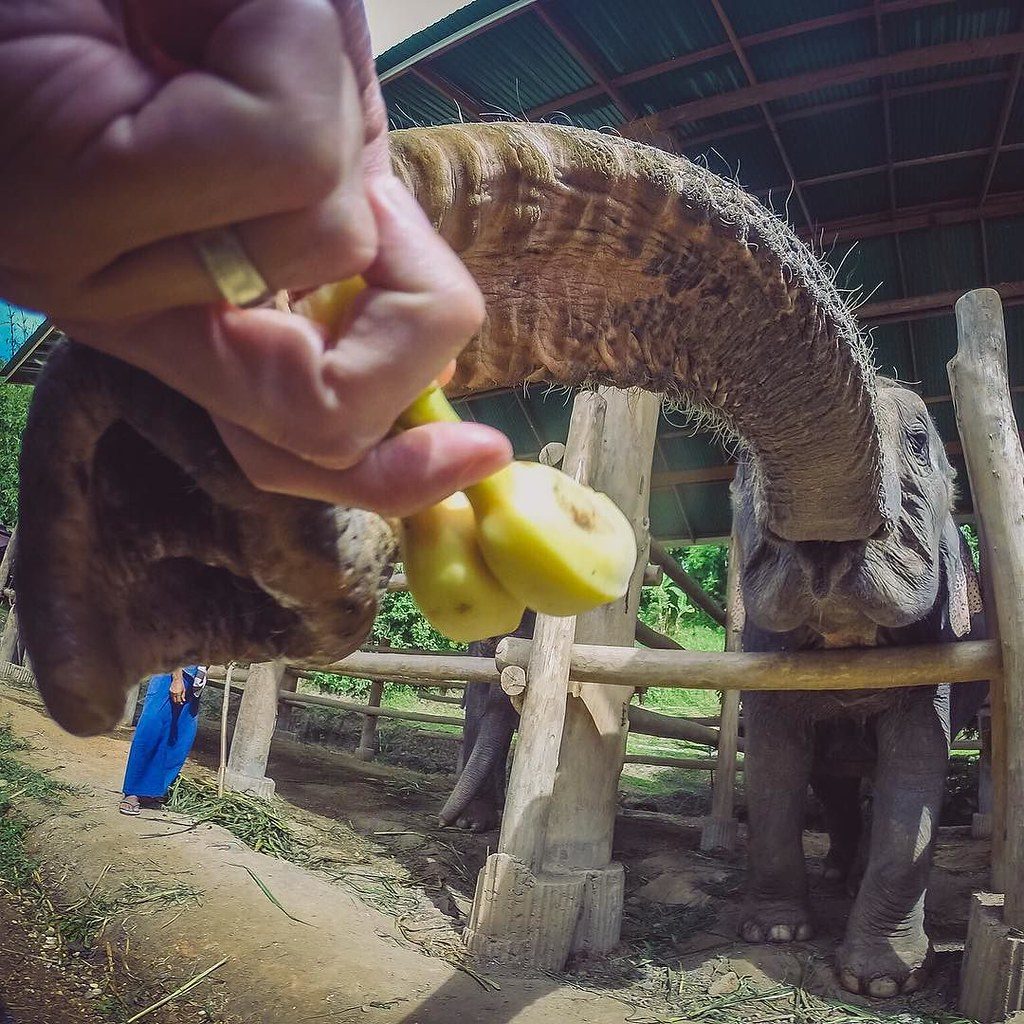
Older elephants require constant attention because age brings health problems just as it does in people. Veterinarians often treat arthritis, worn feet, dental problems, and other conditions that become more common in elderly animals.
Keepers also provide balanced diets, regular exercise, and enrichment activities that encourage natural behavior. These simple changes can improve comfort and help rescued elephants stay active despite their advanced age.
What this story means for elephant welfare

This rescue has renewed public attention on the treatment of captive elephants. Many conservation groups continue to encourage better living conditions, improved veterinary care, and the gradual end of practices that rely on long-term chaining.
The story also reminds people that elephants are more than working animals. They are highly intelligent mammals with strong memories, close family bonds, and complex emotions, making humane care especially important.
Hope for future generations
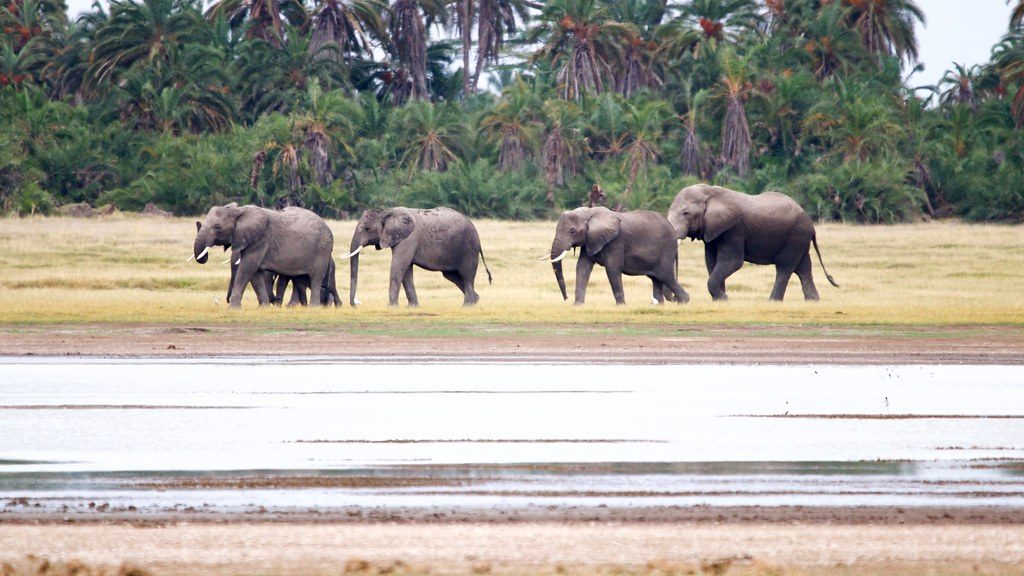
Around the world, governments, wildlife organizations, and sanctuaries are working to improve the lives of captive elephants. Some rescued elephants have already been moved from harsh conditions into protected environments where they can live with greater comfort and dignity.
Every successful rescue helps raise awareness and encourages stronger animal welfare efforts. While much work remains, each elephant that gains a safer life is a step toward a better future for the species.
Leave a Reply